David Meyer
Production
Known For

A biography of the Portuguese-born Brazilian singer Carmen Miranda, whose most distinctive feature was her tutti-frutti hat. From her arrival in the US as the "Brazilian Bombshell" to her Broadway career and Hollywood stardom in the 1940s.
Carmen Miranda: Bananas Is My Business

The day-to-day life of a young girl in the town of Diamantina, Brazil, on the end of 19th Century, based on real life diaries.
Diary of a Provincial Girl
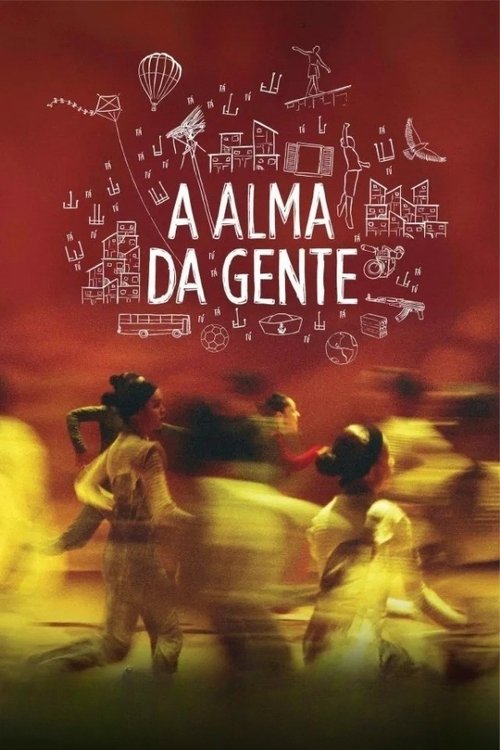
Sixty-six adolescents, residents of Favela da Maré, were selected to participate in a dance show led by the choreographer Ivaldo Bertazzo, which incorporated their own daily experiences. Ten years later, directors David Meyer and Helena Soldberg search for some of the participants of this experience.
Our Stories, Ourselves
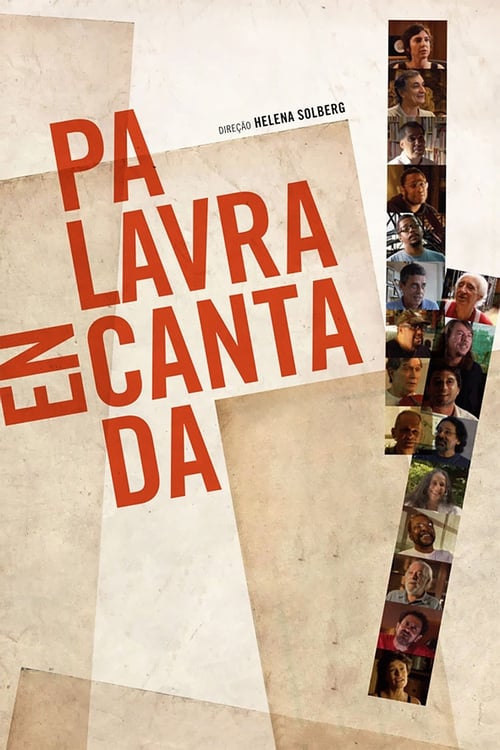
A journey in the history of the Brazilian songbook with a look at the relationship between poetry and music, sewing testimonials of great names of our culture, musical performances and amazing research of images.
Palavra (En)Cantada
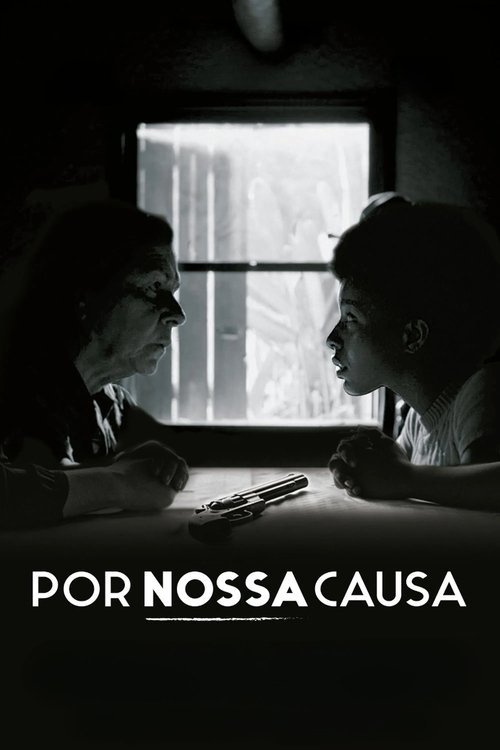
No description available.
Por Nossa Causa
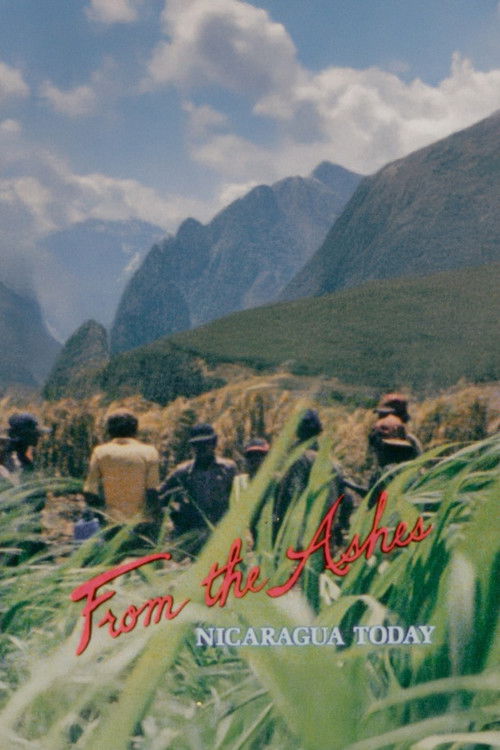
In this documentary portrait of post-revolutionary Nicaragua, director Helena Solberg follows the Chavarría family while examining the broader social and political changes following the 1979 overthrow of the Somoza dictatorship. Interweaving personal testimony with archival footage of U.S. intervention, revolutionary struggle, and national reform efforts, the film reflects on the hopes and tensions shaping the country’s future.
From the Ashes: Nicaragua Today
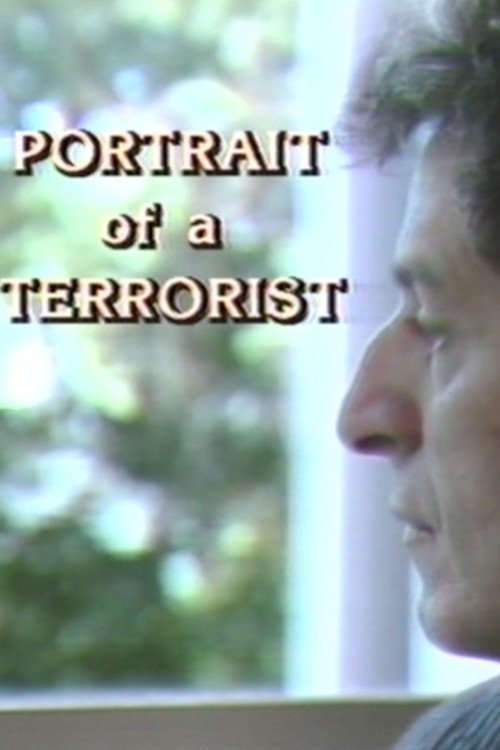
In 1969, Fernando Gabeira was among terrorists who kidnapped Charles Burke Elbrick, then the U.S. Ambassador to Brazil. Eventually Gabeira was captured and tortured before being exiled from his homeland for eight years. He talks candidly about his experiences in captivity as well as the abduction and the motivation behind choosing Elbrick.
Portrait of a Terrorist
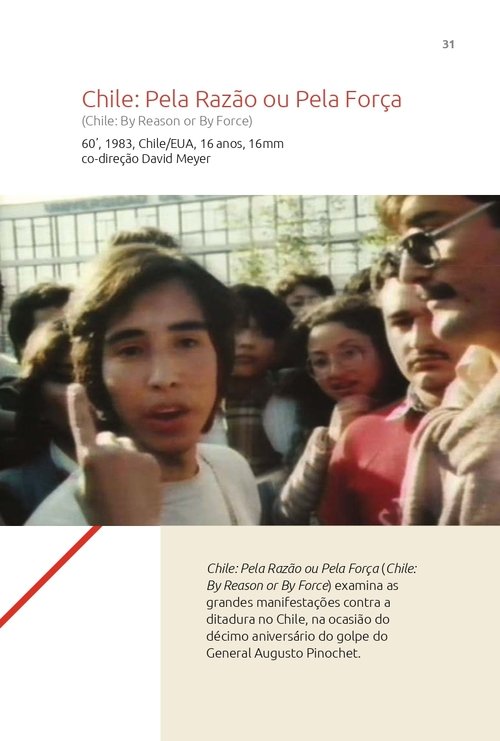
No description available.
Chile: By Reason or By Force
Talking about abortion in Brazil is still taboo, however, in recent years, protesters have protested against criminalization laws and highlighted the need to debate the subject.