Directing
Malhação is a Brazilian television series for the teenage audience. The soap started in 1995, and was set in a fictional Gym Club called Malhação on Barra da Tijuca, Rio de Janeiro. Through the years the location varied slightly. Although the name of the soap remains the same, it is now set in the Múltipla Escolha High School.
No description available.
Marked by tragedy, Feliciano Júnior returns to Tubiacanga as Raimundo Flamel, driven by the desire to avenge the death of his parents.
Monarchists and republicans meet in Araruna, a small fictional town in the interior of São Paulo, in 1886. The novel portrays the love story of the beautiful and wealthy Sinhá Moça - daughter of the slave, Barão Ferreira de Araruna, and sweet and submissive Mother Candida - , with the young abolitionist lawyer Dr. Rodolfo Fontes - son of Dr. Fontes, and the housewife Inêz. Together, they face the difficulties in the campaign for the abolition of slaves.
In the 1930s, in Passaperto, the powerful Cândida controls the family until the arrival of Laura, considered a miracle, who awakens passions and rivalries that will change everyone's destinies.
Maíra was raised by her father believing that her mother had died. This was a lie her father told her in order to protect her from the scorn of her mother, who rejected her when she learned that her daughter was born with a disability. Many years later, Maíra comes across a stranger on their doorstep. That’s Zoé, her mother. Without revealing her true intentions, Zoe reappears asking her daughter’s forgiveness for having abandoned her. As in a dream that turns into a nightmare, Maíra experiences the strongest emotions of her life and what would be a happy fresh start for Maíra with her family turns into a long and dangerous journey.
Antônio is on his deathbed after helping a Black man escape his own father's plantation. Before dying, Antônio asks his father, Judge Queiroz Antunes, to raise the young enslaved boy, Bento, as his own son.
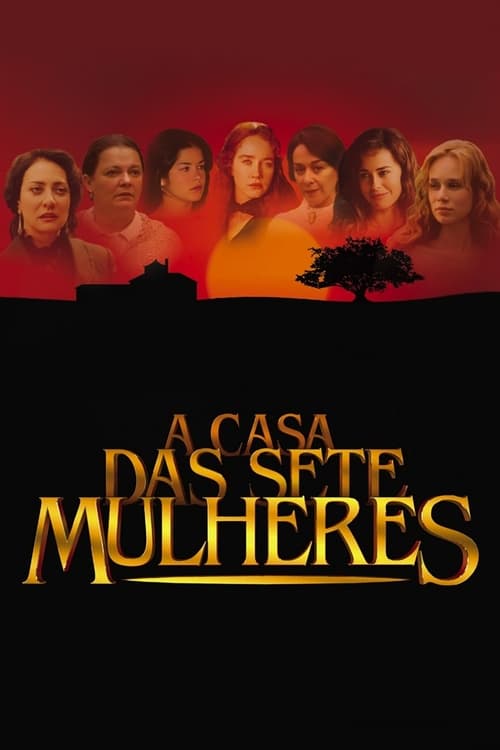
When the men go to war, the women also battle. This tale takes place in the XIX century, during a terrible civil war. Italy’s revolutionary leader Garibaldi must choose between two loves: a sweet aristocratic lady or a brave woman who leaves her husband to accompany him into battle. This super-production recounts the saga of women who do not go to war but must bear pain, solitude and new passions while their husbands and fathers fight the battles.
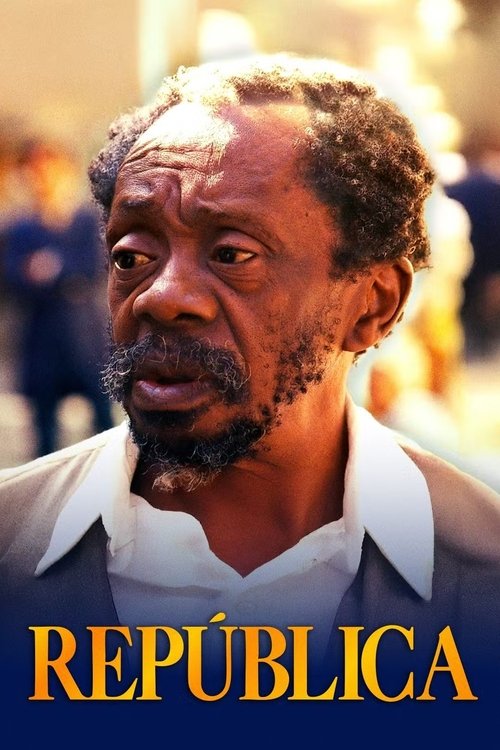
The transition from imperial Brazil to the Republic, marked by intrigue, rebellion, and popular indifference. Held in commemoration of the centenary of the birth of the Republic in Brazil.
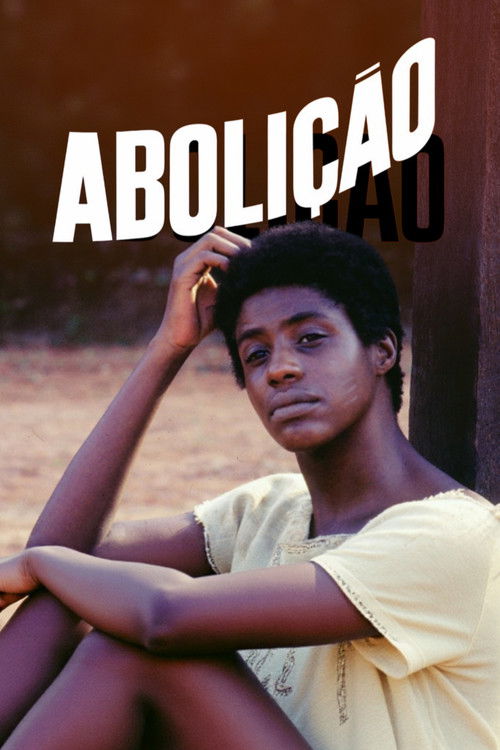
'Abolição' shows how much the liberation of the enslaved transformed the structures of Brazilian society, both in the countryside and in the city, and the changes generated in the lives of black people themselves. The narrative is centered on the period in which the Lei Áurea was about to be signed by Princess Isabel, on May 13, 1888. At that time, the abolitionist theme was widely discussed in urban centers, while in rural areas slavery relations were still established. The enslaved Iná Inerã, spiritual leader and warrior, represents the fight to maintain African identity at any price, paid with her own life, if necessary. Journalist Lucas, in turn, is a freed black man who believes in peaceful integration between whites and blacks.
Gabriela, Roberto's wife, is called to work in the office of Renato, a successful lawyer married to Gioconda. After that, the quartet begins to suffer from lies, exhausting relationships and tragedies.
The true story of Assis Chateaubriand, the first magnate of communications in Brazil. Due to his influence during the late 1930s up to the early 1960s, he has come to be called 'the Brazilian Citizen Kane'.
This biopic documents the life and work of one of Brazil’s most prolific artists: Milton Gonçalves. This actor and director are credited with more than sixty television titles, seventy movies and twenty plays. Known from classic full-length features like Macunaíma, They Don't Wear Black Tie and Kiss of the Spider Woman, his dramatic versatility also encompasses major Brazilian soap operas, including O Bem Amado and Roque Santeiro. With his talent, he overcame barriers faced by many Black performers in Brazil. An active on-screen and on-stage presence since the 1950s, his name is synonymous with the history of Brazilian television, theatre and cinema, making him a landmark talent in the performing arts world.
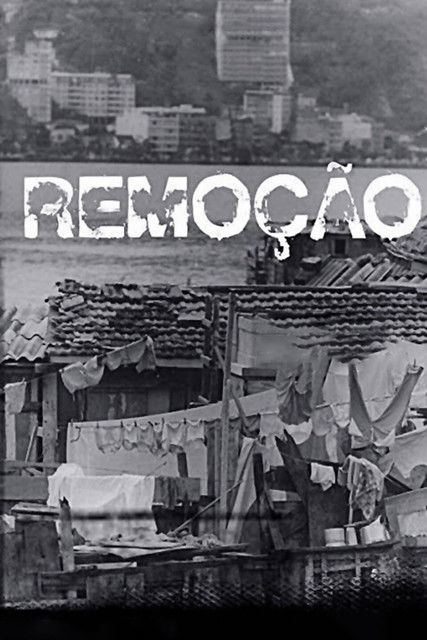
Through testimonies, the documentary recalls the enormous process of removal of favelas that took place in the south of Rio de Janeiro in the 1960s and 1970s.