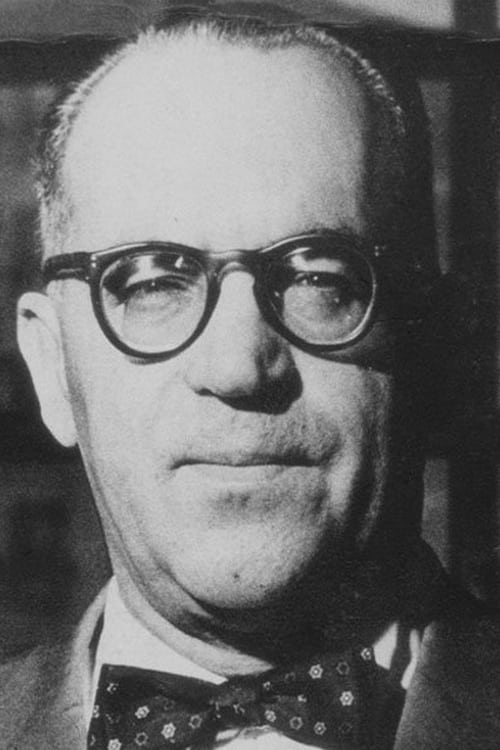
Guimarães Rosa
Writing
Biography
João Guimarães Rosa (27 June 1908 – 19 November 1967) was a Brazilian poet, diplomat, novelist, short story writer and doctor, considered by many to be the greatest Brazilian writer of the 20th century and one of the greatest of all time. Rosa only wrote one novel, Grande Sertão: Veredas (known in English as The Devil to Pay in the Backlands), a revolutionary text for its blend of archaic and colloquial prose and frequent use of neologisms, taking inspiration from the spoken language of the Brazilian backlands. For its profoundly philosophical themes, the critic Antonio Candido described the book as a "metaphysical novel". It is often considered to be the Brazilian equivalent of James Joyce's Ulysses. In a 2002, poll by the Bokklubben World Library, "Grande Sertão: Veredas" was named among the best 100 books of all time. Rosa also published four books of short stories in his lifetime, all of them revolving around the life in the sertão, but also addressing themes of universal literature and of existential nature. He died in 1967 — the year he was nominated for the Nobel Prize in Literature — due to a heart attack. (Wikipedia)
Known For
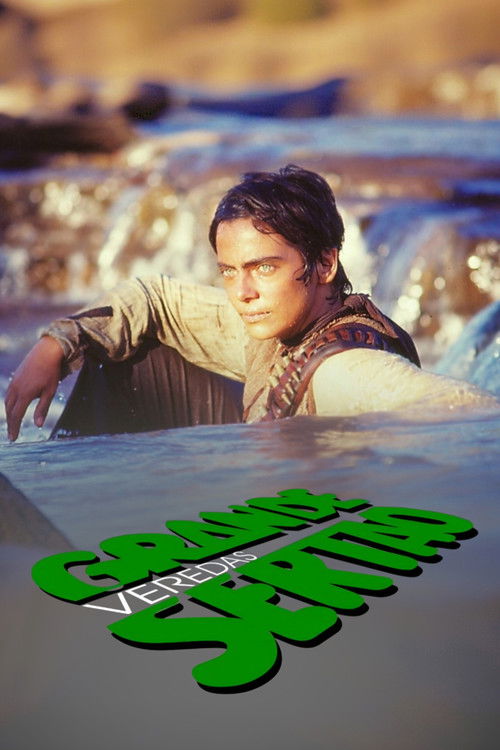
A cowboy narrates his 'jagunço' life of disputes, revenges, loves and deaths, through the years that he traveled central-east Brazil, in the first decades of the 20th century, while federal troops were in conflict with provincial forces.
Grande Sertão: Veredas
No description available.
Grande Sertão
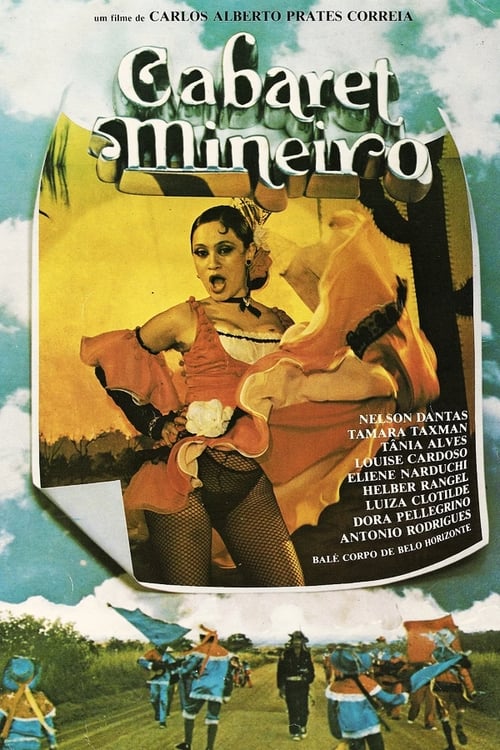
An adventurer travels by train through the Brazilian state of Minas Gerais, meeting old and new lovers and remembering love affairs of his youth.
Cabaret Mineiro
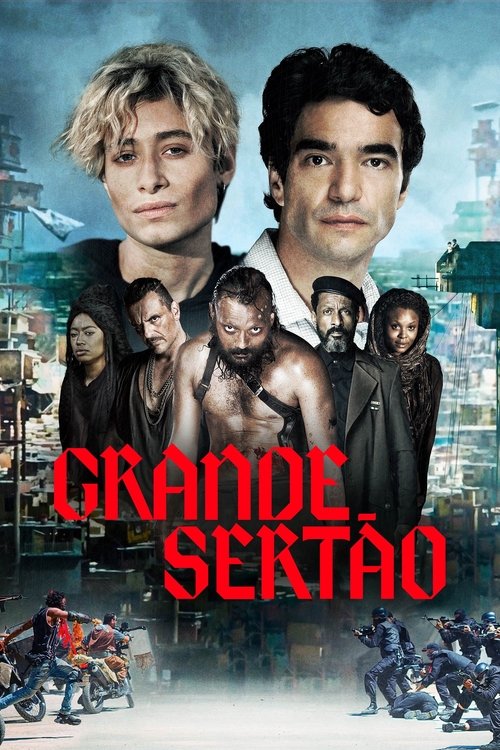
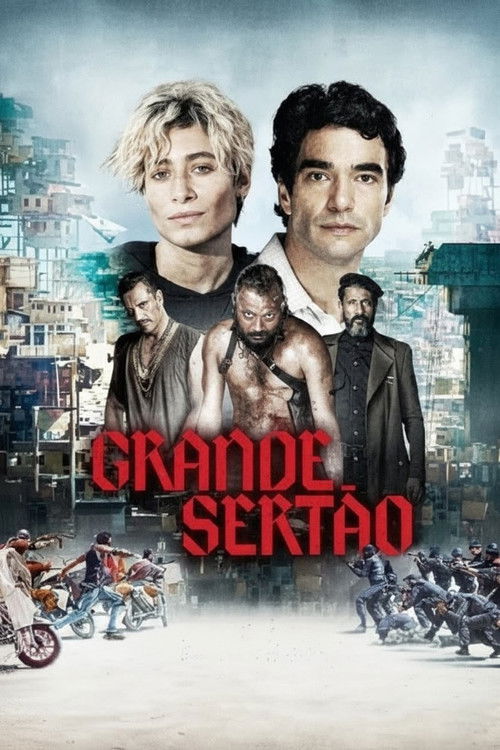
In the concrete jungles of lawless futuristic Brazil, enemies spout slam poetry in duels as their movements remind us of parkour. The adrenaline rush breaks into three timelines: the past introduces teenager Riobaldo and handsome Diadorim, the present depicts a bloody clash and reveals sexual identities, and the future exposes Riobaldo’s deal with the devil.
Great Sertão
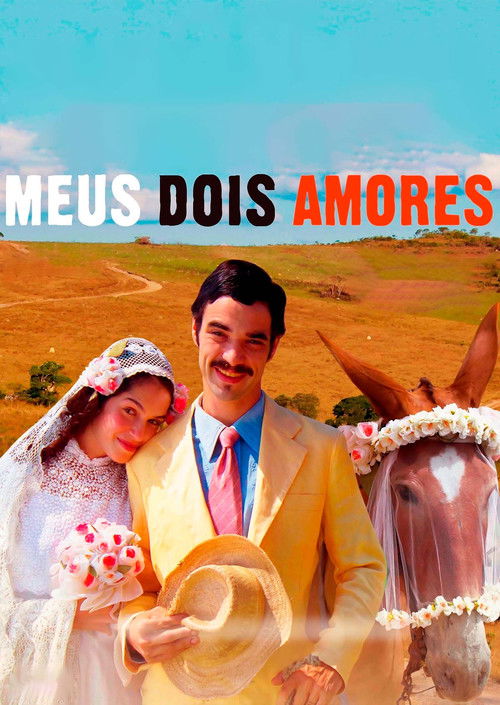
Manuel is a crafty cowboy and swindler who lives to serve his two great loves – his fiancée Das Dô, and his mule Beija-fulô – and his business of selling unsound horses to suckers. The killer Targino arrives in town looking for a horse. Thinking that he is being clever, Manuel sells a sick horse to the assassin. Targino swears that he is going to kill Manuel, and dishonor Das Dô’s reputation after he’s dead. Under pressure, Manuel calls on the magic of Toniquinho das Pedras to protect his body. However, the witchdoctor demands the mule Beija-fulô as payment. Manuel, sees himself in the dilemma between having to choose between his fiancée Das Dô, and the mule, Beija-fulô.
Meus Dois Amores

Based on Guimarães Rosa's (classic Brazilian author) short story, the movie tells the story of Augusto Matraga, a bankrupt and violent farmer who lives above the Law in Minas Gerais' hinterland. During a difficult time, he finds himself in the middle of a trap that nearly kills him. Born again, Matraga resorts to faith and hard work in the pursuit of redemption. Years later, he arrives at the village reigned by the hinterland's ruler and his thugs. This new friendship will challenge his destiny. Inside Matraga, the Saint and the Warrior will duel until his time comes.
The Time and Turn of Augusto Matraga
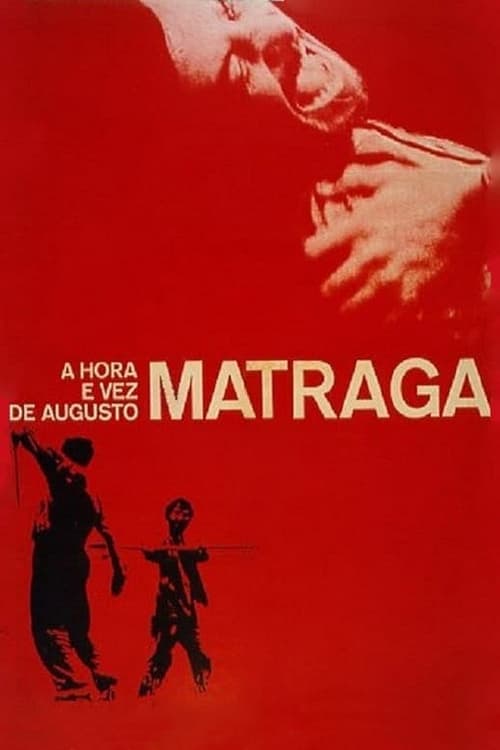
Augusto Matraga is a violent agressive farmer who, after being betrayed by his wife and trapped by several enemies, is beaten up and left for dead, being rescued by a couple of humble small farmers who nurse him for a long time until he is well again. Influenced by the couple, Matraga starts a long penitent life while waiting for his hour and chance to payback, starting a fight between his violent nature, his hidden desire of vengeance and the mysticism and goodness which is also part of him.
The Hour and Turn of Augusto Matraga

The film shows the drama of the young and fragile Lalinha. After being abandoned by her husband, who ran away with another, the girl seeks comfort on the farm where the two in-laws live and the widowed father-in-law. There, the girl discovers a new world.
Noites do Sertão
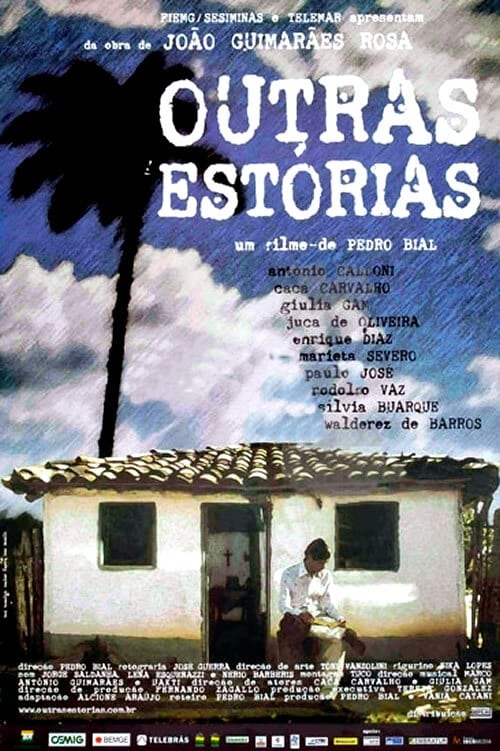
Five stories by Brazilian writer Guimarães Rosa: in the hinterland of the State of Minas Gerais, Brazil, a man fears for his life after having killed one of the dire Brothers Dagobé, outlaws who have great influence over the region; a hitman asks a doctor what's the meaning of a name he has heard; in a farm, the landowner decides to share the use and property of the estate among his employees; a man falls in love with a girl, but she's said to have a dreadful disease; and the local butcher spends half of his time running after his mother and daughter, both utterly mad.
Outras Estórias
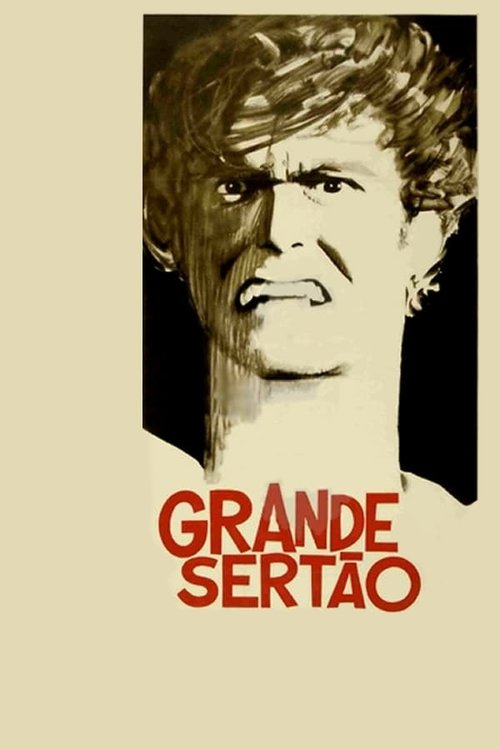
Cowboy Riobaldo is attracted to same sex Diadorim, not knowing that "he" is a girl dressed in man's clothes. After Diadorim's father is killed, she swears revenge, being joined by Riobaldo in this mission.
Grande Sertão
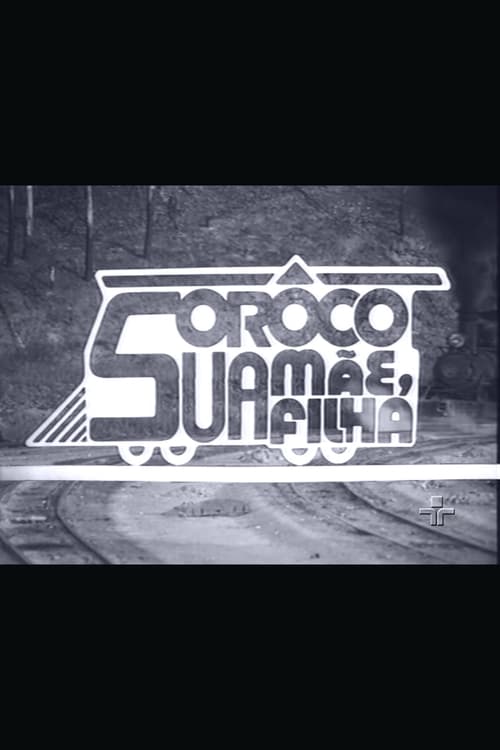
No description available.
Sorôco, Sua Mãe, Sua Filha
After an extended period directing original screenplays, dos Santos returned to the creative engagement with literature that was the wellspring of his early masterpieces, offering a combinatory adaptation of five stories by the renowned Brazilian novelist João Guimarães Rosa. Openly embracing a mode of magical realism, dos Santos' celebrated film tells the story of a farming family defined by the absence of its father who abruptly abandoned his wife and children, sailing away down the river, including his son who continues to communicate with his father, speaking daily to him from the river bank. While offering an evocative vision of rural Brazil as a timeless land of mystery and solemnity, The Third Bank of the River is also bitingly satiric in the remarkable depiction of religious belief when the family moves to the city and its youngest member, a mesmerizing little girl, is revealed to be a kind of saint, capable of miraculous acts. -Harvard Film Archive
The Third Bank of the River
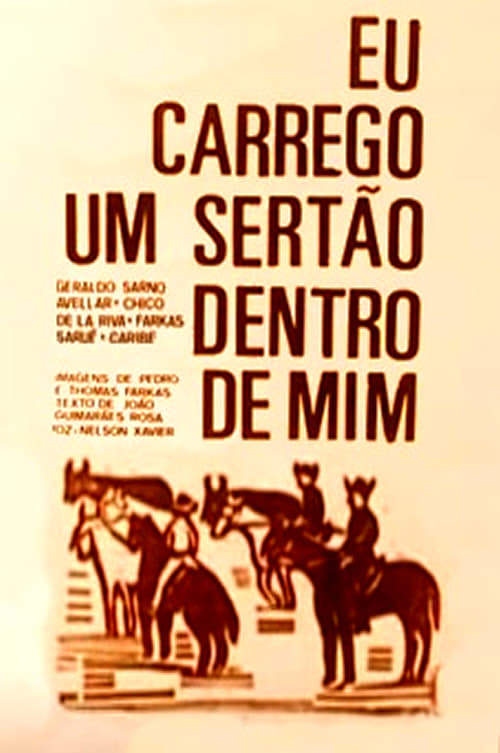
No description available.
Eu Carrego um Sertão Dentro de Mim
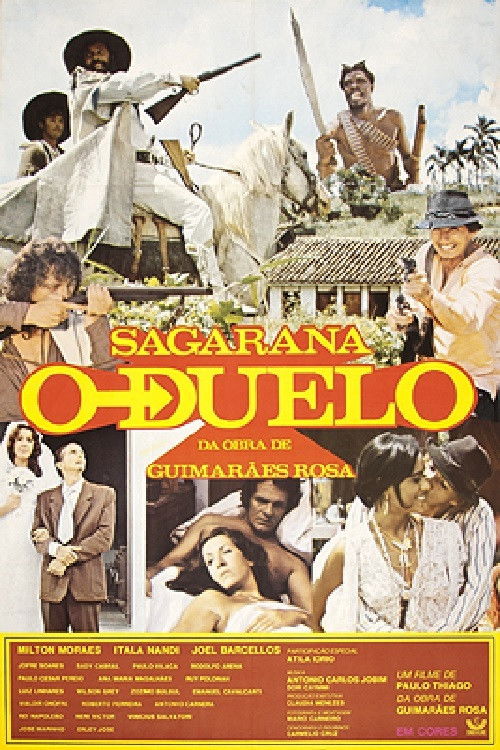
Unable to endure the idea that he would go without punishment, a criminal's victim chases him the length and breadth of Brazil for a showdown.
Sagarana: O Duelo
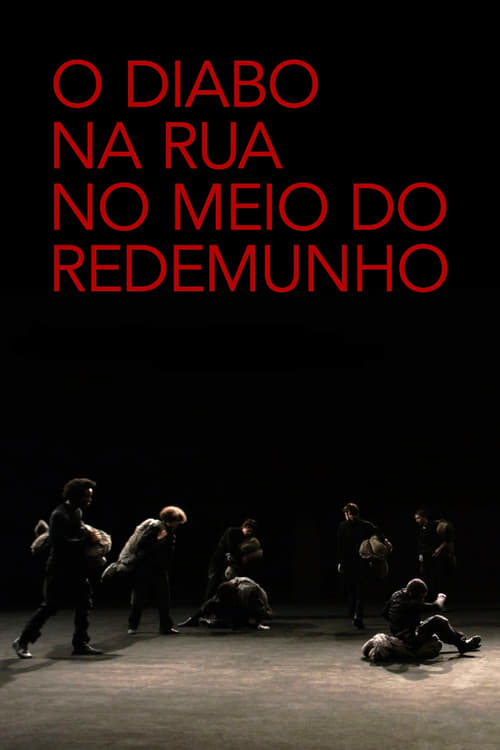
The film is narrated by Riobaldo, who takes us into his life as a gunman and shares his experiences and conflicts. Throughout the plot, he becomes involved with several charismatic groups and leaders, including the feared Hermógenes. Riobaldo's heart is won by Diadorim, a brave and mysterious young man who becomes the love of his life. Through Riobaldo's narrative, the author explores the complexities of the human soul, delving into the duality between good and evil. Adaptation of the acclaimed masterpiece "Grande Sertão: Veredas", written by Guimarães Rosa.
The Devil to Pay in the Backlands
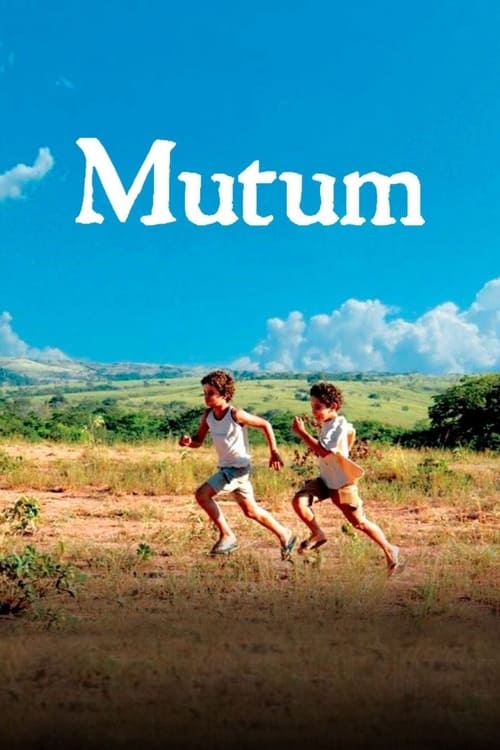
Thiago lives with his family on an isolated farm in the arid backlands of Minas Gerais, Brazil. As the story unfolds and Thiago is forced to confront separations and betrayal within the home, Thiago begins, little by little, to see and understand a place that he had never been able to before, thus slowly letting go of his innocence.
Mutum
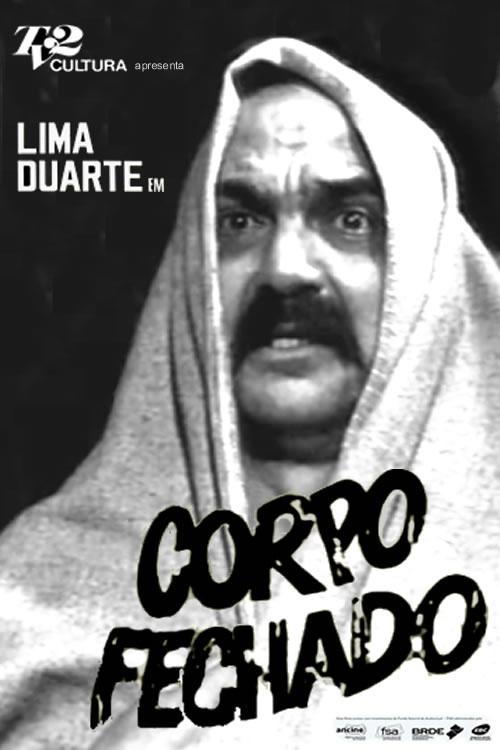
No description available.
Corpo Fechado
No description available.
Rio de Janeiro, Minas
No description available.
Sertão: Veredas
No description available.