Dominique Païni
Production
Known For
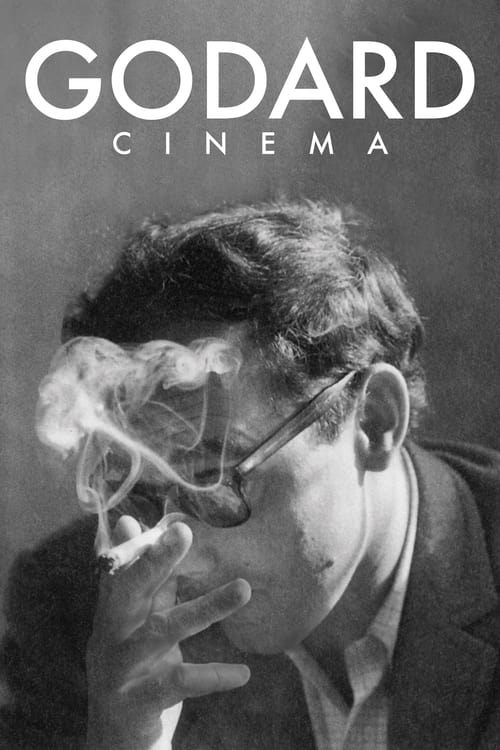
Jean-Luc Godard is synonymous with cinema. With the release of Breathless in 1960, he established himself overnight as a cinematic rebel and symbol for the era's progressive and anti-war youth. Sixty-two years and 140 films later, Godard is among the most renowned artists of all time, taught in every film school yet still shrouded in mystery. One of the founders of the French New Wave, political agitator, revolutionary misanthrope, film theorist and critic, the list of his descriptors goes on and on. Godard Cinema offers an opportunity for film lovers to look back at his career and the subjects and themes that obsessed him, while paying tribute to the ineffable essence of the most revered French director of all time.
Godard Cinema
Reel 11 of Gérard Courant's on-going Cinematon series.
Cinématon XI
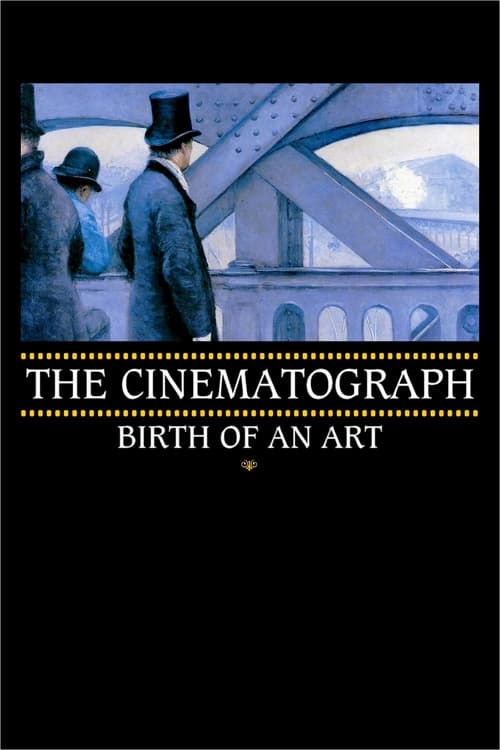
Throughout the 19th century, imaginative and visionary artists and inventors brought about the advent of a new look, absolutely modern and truly cinematographic, long before the revolutionary invention of the Lumière brothers and the arrival of December 28, 1895, the historic day on which the first cinema performance took place.
The Cinematograph: Birth of an Art
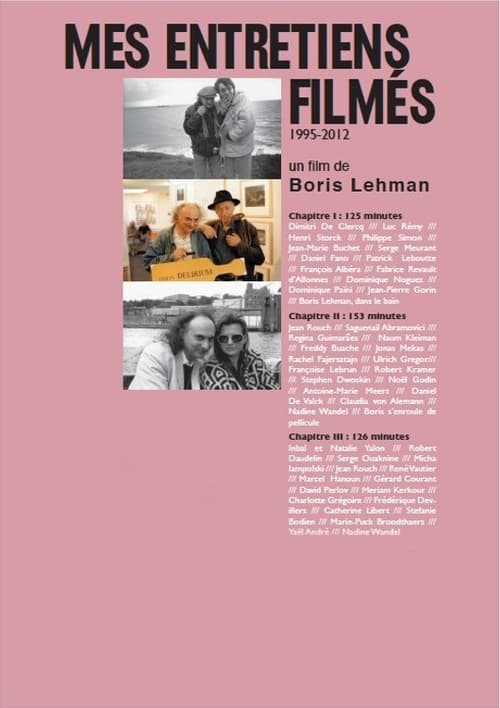
This distinctly personal journey into the artistic possibilities of independent film is not to be missed. Jonas Mekas, Jean-Pierre Gorin, Robert Kramer and many other visionaries and mavericks of the silver screen – as well as a book seller, a critic and a psychoanalyst – discuss what cinema has meant to them, what it is and what it could be and, implicitly, how it has changed over the 18 years in which this film was shot. Director Boris Lehman leads the charge, drawing in moments of absurdist humour and inventive camera work; he keeps things raw and spontaneous. His encounters with the now much-missed Jean Rouch and Stephen Dwoskin are particularly touching and stand testament to their personal playfulness and candour. An engaging, absorbing, epic odyssey of a movie.
My Conversations on Film
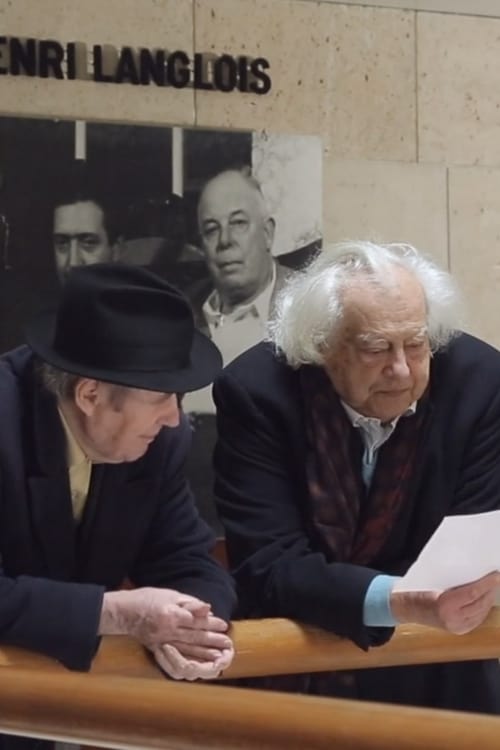
Five, even six, variations on a theme, commentary and interpretation of the same photograph. An exercise to tell and summarize the history of the Cinémathèque française.
La photo
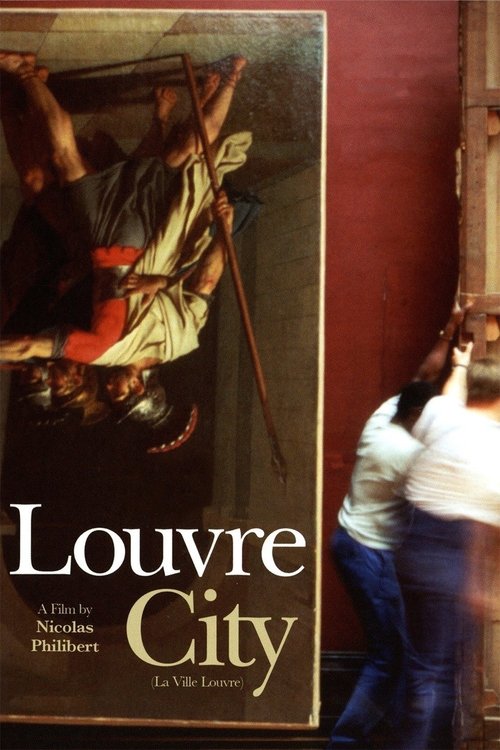
A voyage into the museum's reserves, and part of the extra work involved to mount the expositions after the renovation of the Louvre in the 1980s, when the glass pyramid was added to the classic buildings. From the preservation rooms through the frame and painting retouches by experts, to the personnel instruction on how to be efficient in protecting the collections, and look nice to the visitors.
Louvre City
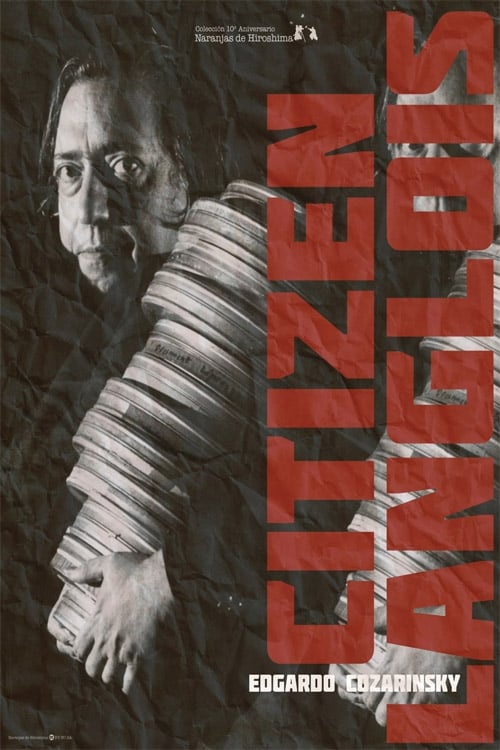
This French documentary pays homage to a young man whose passion left a rich and valuable legacy to the world of cinema. Henri Langlois was one of the co-founders of the Cinematheque Francaise, a museum which contains many rare artifacts from early cinema as well as one of the most extensive film archives in the world. This documentary will be most meaningful for those already familiar with Langlois' story. Through old film clips and interviews, Langlois is seen as an eccentric but charismatic young visionary obsessed with preserving and locating old films. Filmmaker Edgardo Cozarinsky uses scenes from Citizen Kane to compare the portly iconoclast to Charles Foster Kane, in that both Langlois and Welle's fictional newspaper magnate where avid collectors, and both were men of mystery.
Citizen Langlois

Roger Diamantis owns the Saint-André-des-Arts cinema in Paris. His discovery of the 7th art, his vocation to own a cinema where he could show films that resembled him, and his years in the restoration business to achieve this… He recalls his early days, talks about the filmmakers who found their place with him, and his film “Si j'te cherche, j'me trouve”.
Roger Diamantis or Real Life
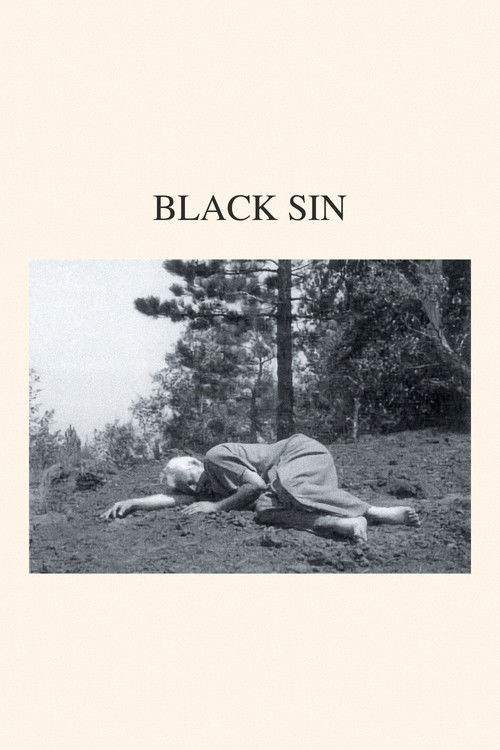
A companion piece to the earlier film ‘The Death of Empedocles’, 'Black Sin' is an adaptation of the third version of Friedrich Hölderlin’s play ‘Der Tod des Empedokles’.
Black Sin
No description available.
2 ou 3 choses que je sais de Joseph Morder
No description available.
Traces fantômes, le musée d'un rêve
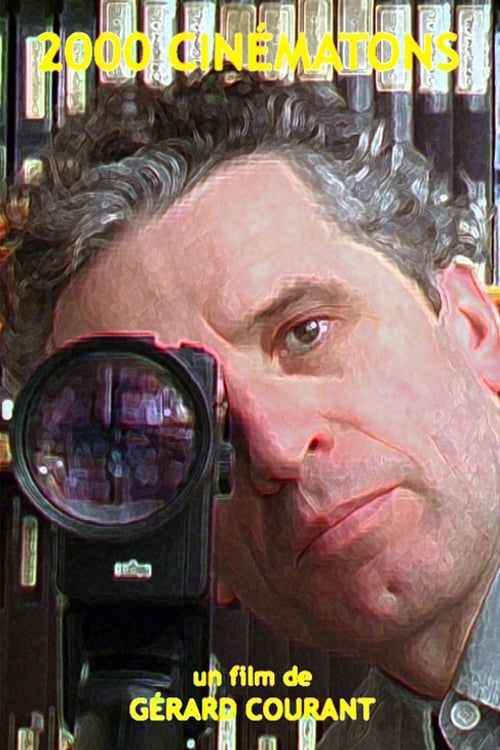
A film about an ongoing cinematic adventure that began in 1978: a vast anthology of personality portraits called Cinématons, dealing with people in the arts. Historical, ethnological, sociological and psychological, this anthology is a living record of the artistic community of the last 20th century which attempts to answer these questions: Why film everyone? Why choose cultural personalities? How do the subjects look at their image? How much exhibitionism and narcissism is involved in being filmed?
2000 Cinématons
No description available.
Le journal de Joseph M.
My films are like that: in a room, but looking out onto an open sky. [...] I can’t really say it except to repeat that Bresson note, ‘that without a thing changing, everything is different.’ The film exists. The fiction is set up, and we believe in it. The justness of the agreement leads us to believe it, because everything plays equally at being a sign. That’s the arrangement of the elements. It’s an act of faith. La vallée close is just this: elements treated above all as if in a documentary that, without being changed, portray the story and reveal between them the elements of fiction. But above all seen as they are, insignificant. And then in the relations they set up, they can satisfy our desire for a story. -- Rousseau
The Enclosed Valley
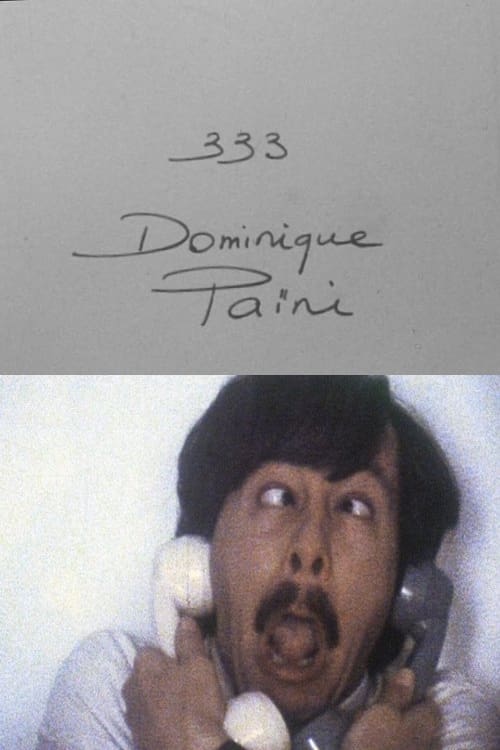
No description available.
Cinématon n°333 : Dominique Païni
Blank's TV documentary on Straub-Huillet.
The Persistence of Vision
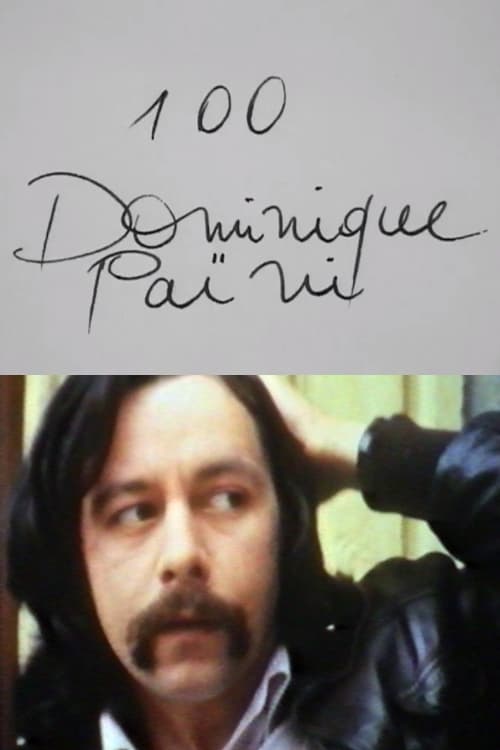
Dominique Paini's portrait by Gérard Courant (1980 - silent).
Cinématon n°100 : Dominique Païni
Reel 34 of Gérard Courant’s on-going Cinematon series.
Cinématon XXXIV
A short video by filmmaker Noel Simsolo discussing Jean Cocteau and Jean-Pierre Melville’s creative relationship and the production of the 1950 film LES ENFANTS TERRIBLES.
Around Jean Cocteau
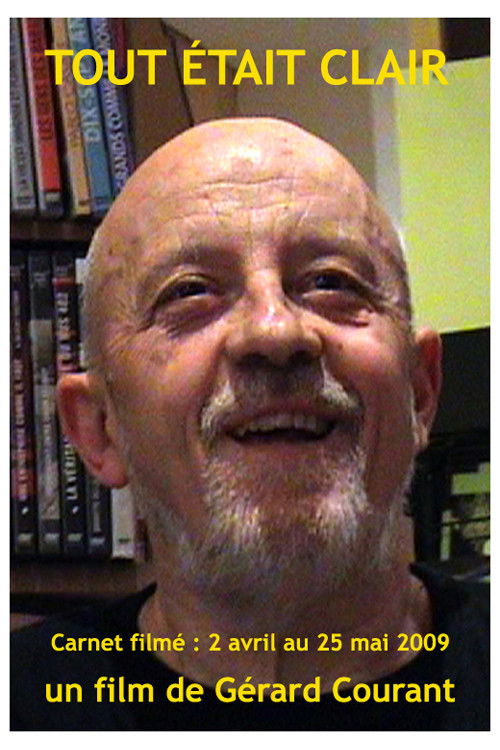
Tout était clair, the new episode of Gérard Courant's Carnets filmés spends considerable time in Saint-Marcellin, a small town in the Isère region at the foot of the Vercors mountain range, where the filmmaker lived during his childhood, and in Burzet, where, since 1980, he has filmed the Good Friday procession every year. A second part is devoted to a lecture by filmmaker Luc Moullet, who draws a comparison between the two French sports dailies: L'Équipe and Aujourd'hui Sport.