Acting
Malhação is a Brazilian television series for the teenage audience. The soap started in 1995, and was set in a fictional Gym Club called Malhação on Barra da Tijuca, Rio de Janeiro. Through the years the location varied slightly. Although the name of the soap remains the same, it is now set in the Múltipla Escolha High School.
A mature and successful woman, Helena becomes involved with Edu, who is twenty years her junior. She battles prejudice in order to live her love, but their romance fizzles out when she realizes that her daughter Camila has also fallen in love with him. Her dilemma grows even worse when she discovers that the girl has leukemia. Helena must disclose the real identity of Camila‘s father in order to try and find a compatible bone marrow donor. In order to save her, she decides to give up her new love and have another baby with her daughter‘s father.
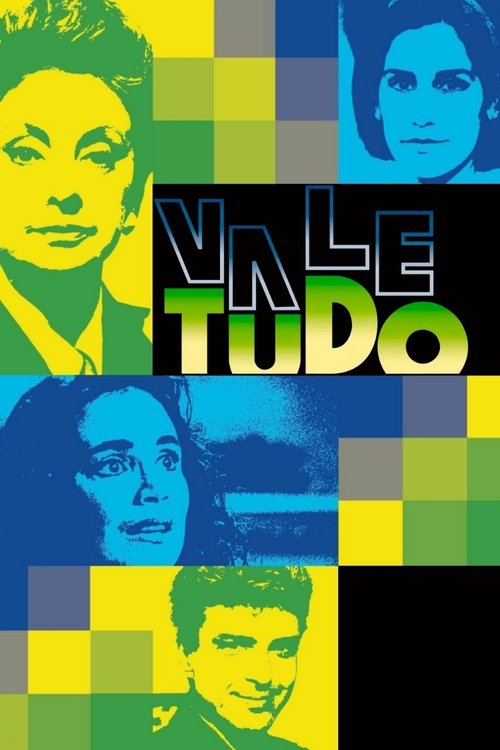
Fátima Accioly is a young, callous woman who wants to be rich and successful at any price. After selling her family's house in the country, she heads to Rio and gets to know dress man César who is unscrupulous himself. Meanwhile, her mother Raquel stays behind without home and money, but finally tries to find her daughter in the big city. Both women come in contact with the rich Roitman family which changes their lives forever.
Zeca and Maria Rita experience a forbidden love in the fictional city of Paraíso, where faith and tradition clash amidst land disputes and popular beliefs.
In the imaginary king of Avilan, the bastard prince Jean Pierre leads a popular group against councilors who will invade Rainha Valentine's palace and take away the power.
Beleza Pura is a Brazilian soap opera produced and broadcast by Rede Globo from February, 18 to September 12, 2007, with a total of 179 chapters. It replaced Sete Pecados, by Walcyr Carrasco at the 19h timeslot. It was written by the newcomer Andrea Maltarolli and co-written by Emanoel Jacobina, Ricardo Hoffstetter, Daisy Chaves, Flávia Bessone, and João Brandão, with text supervision by Silvio de Abreu, and general direction by Rogério Gomes.
No description available.
Singer Dalva de Oliveira and composer Herivelto Martins lived intensely, both on stage and in their personal lives. Their thirteen-year marriage and the conflicts that intensified upon their separation contributed to a significant body of artistic and cultural work. Author: Maria Adelaide Amaral.
A "normal" couple are living a "normal" life together, but they have many complaints about themselves and each other.
Reunited for their mother’s funeral, four sisters – Selma, Regina, Laura and Lúcia – find themselves forced to divide much more than an apartment in Copacabana. While dividing the articles, the sisters compare options, destinies, lifestyles, and expectations. The turbulent sale of the apartment represents a turning point in their lives: they know they have never been so deeply involved as accomplices, or as sisters.
The life of Austrian writer Stefan Zweig in Brazil. He wrote the famous book "Brasil, País do Futuro" (Brazil, Country of the Future). He and his wife Lotte, in a mysterious death pact, decided to kill themselves in the week following 1942 Carnival, in Brazil.
It's Friday the 13th. Alice chooses to stay at home.
Ney and Marcos share an apartment, the passion for music and for the same girl until time tears them apart. A few years later they meet again reviewing their attitudes, emotions and memories.
The singer Dalva de Oliveira and the composer Herivelto Martins lived intensely on the stage and in life. The 13 years of marriage and the disagreements, which gained emphasis with the separation, contributed to an important artistic and cultural production.
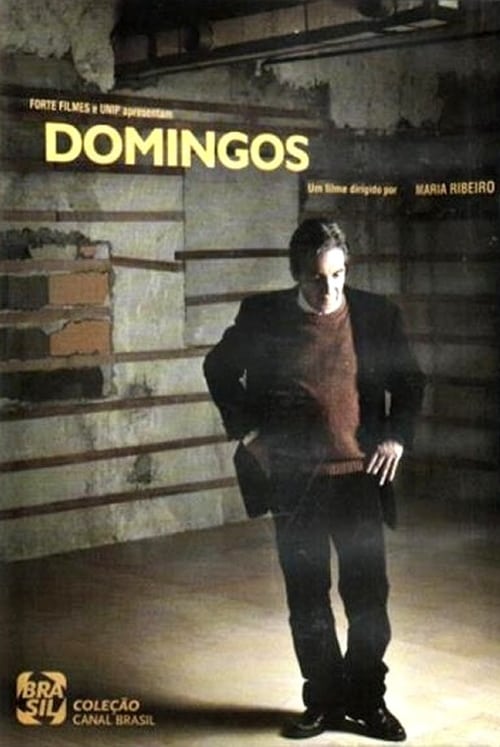
A look into the life and mind of Brazilian playwright and filmmaker Domingos Oliveira through his daily activities and artistic deeds.