FEEL IT.STREAM
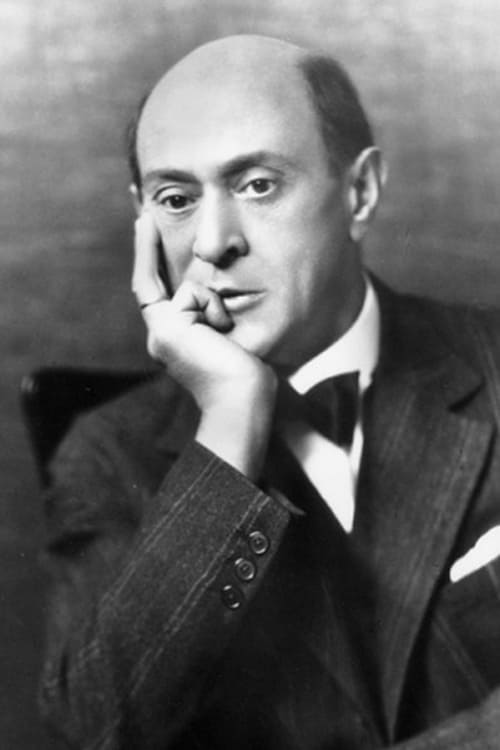
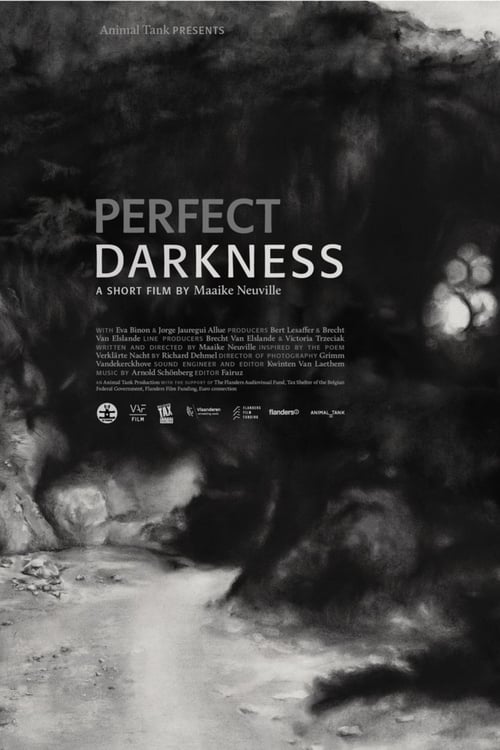
Arnold Schönberg

Arnold Schönberg

Sound

Biography

Arnold Schoenberg or Schönberg was a Jewish Austrian composer, music theorist, and painter. He was associated with the expressionist movement in German poetry and art, and leader of the Second Viennese School. By 1938, with the rise of the Nazi Party, Schoenberg's works were labeled degenerate music, because he was Jewish. He moved to the United States in 1934. (Wikipedia)
Known For

No image

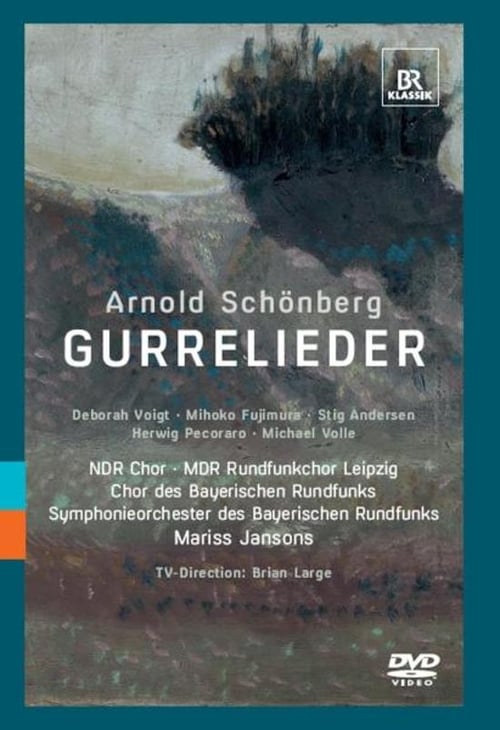
A brilliant performance of Schönberg's monumental work at the Prague State Opera. Arnold Schönberg composed Gurre-Lieder to a text by J. P. Jacobsen about the tragic love of the Danish king Waldemar and his mistress Tove Lille, who was murdered out of jealousy by Queen Helviga. He orchestrated the composition for a monumental orchestral and vocal ensemble: five vocal solos, a narrator, a male and mixed choir, and a huge orchestra comprising 25 woodwind instruments, 25 brass instruments, four harps, a celesta, 16 different percussion instruments (including iron chains), and an exceptionally large string section. Every performance of this masterpiece, composed down to the last detail, is truly an overwhelming experience. SOČR chief conductor Petr Popelka seized this unique opportunity, as at the time of the performance of Songs he was also chief conductor of the Norwegian Radio Orchestra, and in this unique project he brought together the two ensembles entrusted to him.

Písně z Gurre

2023Movie
Pierrot Lunaire
5.3

Invited by the conductor Premil Petrovic to stage Arnold Schoenberg’s Pierrot Lunaire, a musical theater work from 1912 based on the poems of Albert Giraud, LaBruce transposed a strange and tragic episode of true crime onto the composition. Complementing the original atonal score is a narrative about a trans man who is outed by his girlfriend’s father and forbidden from seeing the young woman again. Crestfallen, the protagonist decides to prove the fact of his manhood by castrating a taxi driver and then revealing his newly transplanted member to the two of them. This story, which for LaBruce “serves as a kind of allegory for all gender radicals and outcasts driven to extremes by the disapproval and hostility of the dominant order,” is rendered in a visual style that nods to the era of Schoenberg’s melodrama. LaBruce cheekily appropriates the formal vocabulary of silent cinema with black-and-white photography, irises, and intertitles like “A cock, a cock, my kingdom for a cock!”

Pierrot Lunaire

2014Movie