Writing
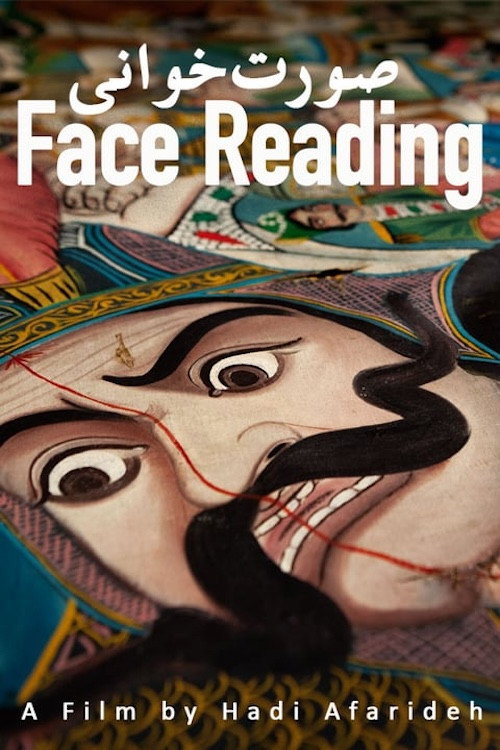
"Curtain Reading" (pardeh khani) is a dying traditional Iranian art form and the antecedent of Ta'zieh. Traveling performers would mount murals depicting scenes from the Shahnameh, and later, religious scenes, while theatrically recounting the stories. Today, very few readers remain. The film interviews remaining descendants of reader families along with various others to discuss the legacy and history of this practice. It also shows historic photographs and film clips of performances.
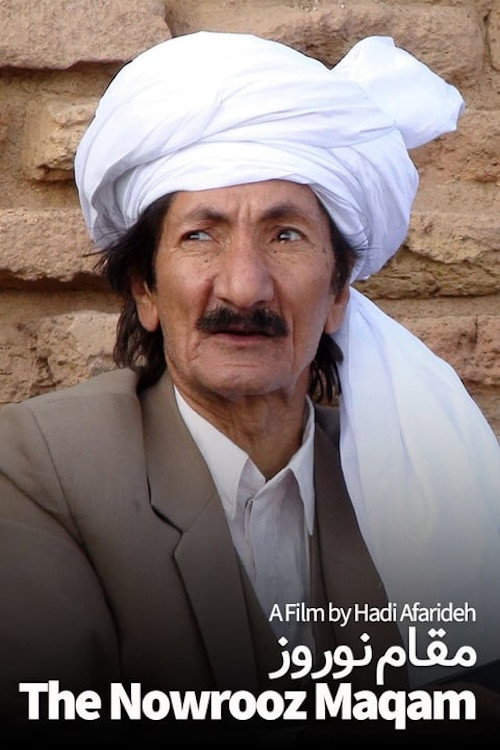
The Maqaami music, aka Maqaam, is a form of traditional music found in the Middle East & Central Asia. In 2003, The United Nations declared the Maqaami Music a vocal masterpiece & a spiritual heritage of humanity. In this documentary, we’ll get to know more about a famous figure in Persian Maqaami music in the eve of Persian New Year.
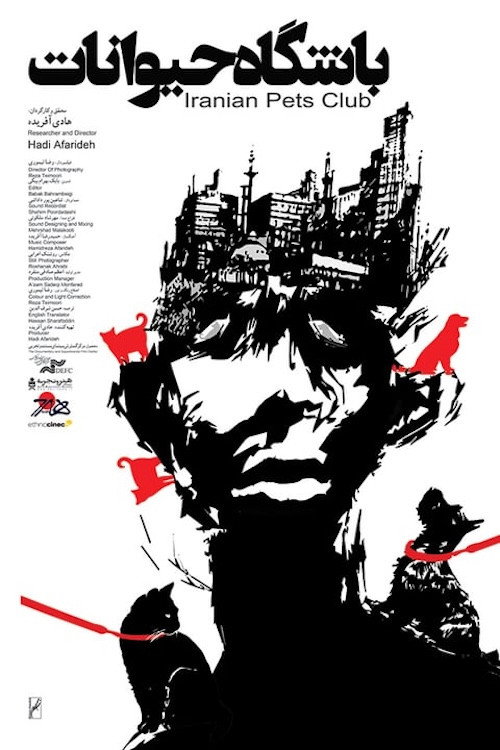
In the last decade, keeping special pets such as snakes, tarantulas, alligators, monkeys, and even scorpions has become very common in Iranian houses. Unlike domestic pets such as dogs, these animals do not need to go outside the house and they are kept in the closed apartment spaces. Due to the increasing demand for buying various pets, a large underground network has been created to buy and sell animals, and keeping pets has become a strong culture and economy in Iran.
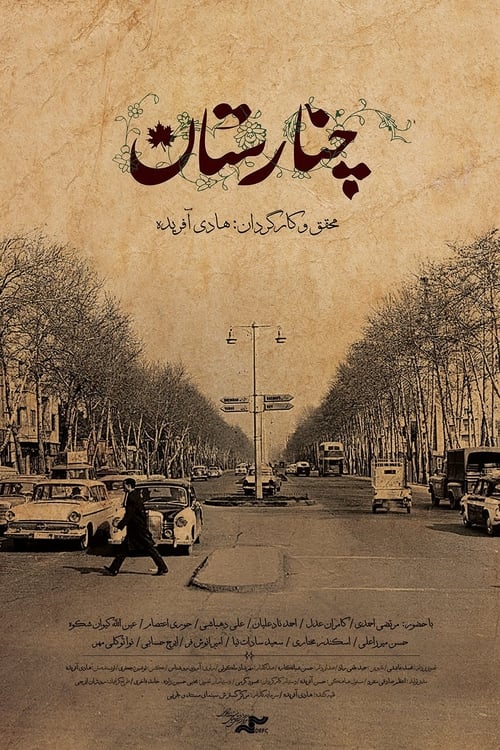
Valiasr Street, seventeen kilometers long, connects the south of Tehran to the north and the Alborz mountain range. When this street was built, the parties decorated it with more than 60,000 plane saplings. But today, only about eight thousand plane trees are standing on this street.
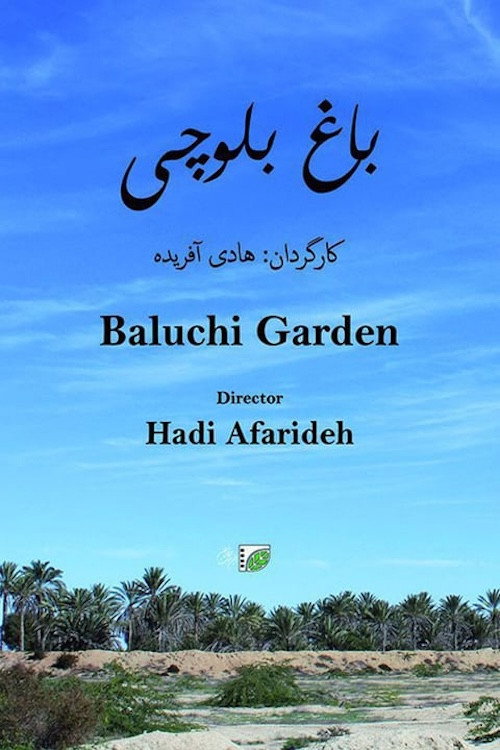
Sistan and Baluchestan Province is located in the southeast of Iran in an arid desert climate. Due to the drought, most of the villagers were forced to immigrate to other towns. This documentary shows two lifestyles in the desert region. One group gives in to the conditions and emigrates, and on the other hand, someone who in the same conditions, builds a Baluchi Garden and an artificial lake with floodwater.
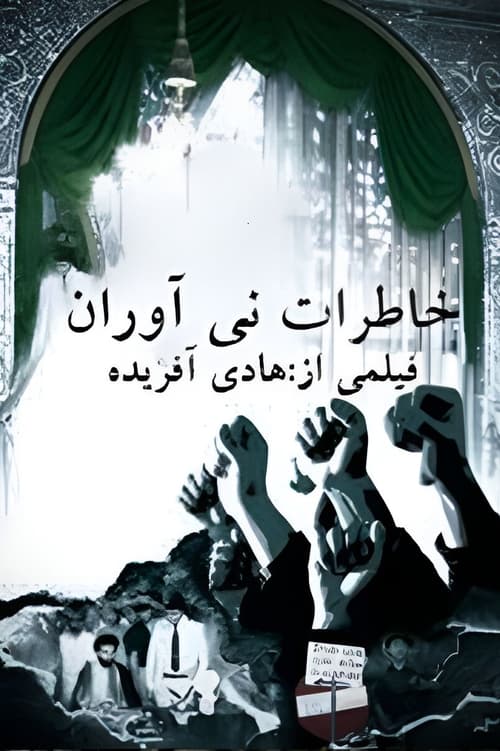
The Memory of NiAvaran is a documentary that examines the ancient times of Shemiranat village and Niavaran region, and besides the anthropological observation of the people of this region, it also pays special attention to the Niavaran palace complex. The events of Niavaran Palace and its capture during the Iranian revolution are also considered in this film.
A documentary by Hadi Afarideh
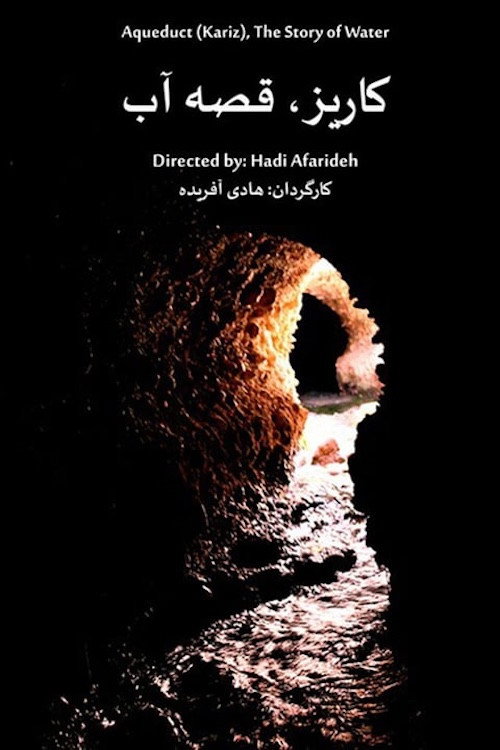
Aqueducts or Kariz were invented and developed by Iranians in the dry regions of Persia in the first millennium BC. This technology was an underground channel that carried fresh water several kilometres from mountain slopes to plains so that farmers and settlers in those areas could survive the long droughts.
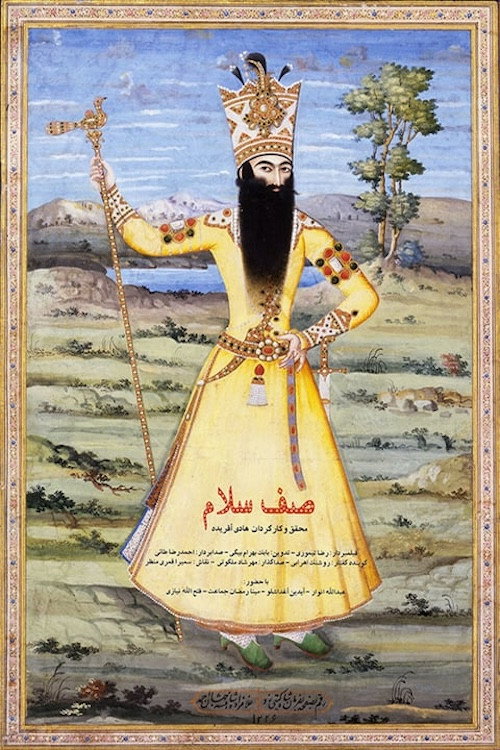
The story of the discovery and restoration of a large wall painting that dates back to the reign of Fath Ali Shah Qajar introduces us to a part of the culture, social and political history of the Qajar rule in Iran.
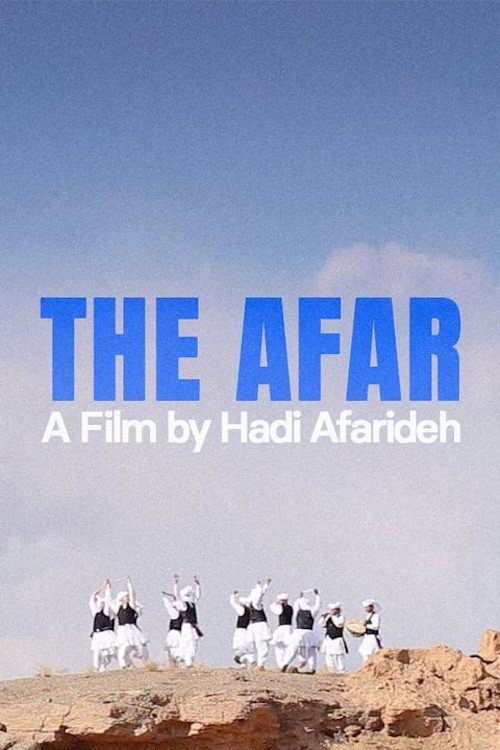
"The Afar", while introducing the ancient and local dances of Torbat Jam and Torbat Heydarieh, introduces the influential figure of Farooq Kiyani in preserving the local dances of the region, including the dance of Afar, which was a ritual of Nowruz in ancient Iran. The movements of Afer are a sign of creation and show the harmony of water and wind, earth and sun.