Lamar Trotti
Writing
Biography
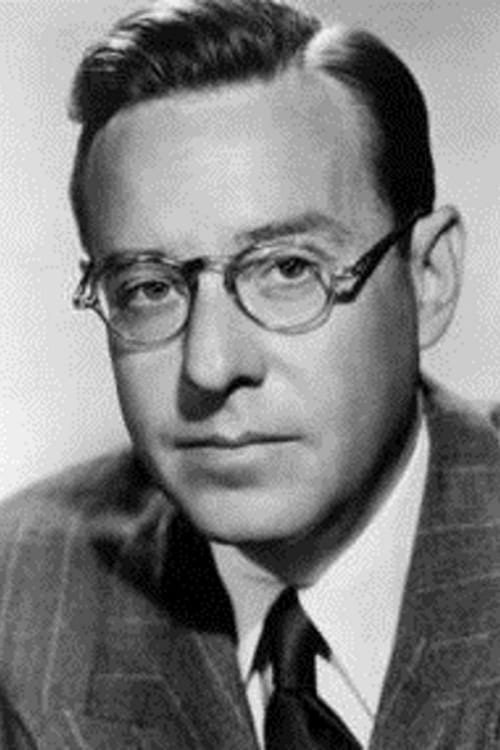
From Wikipedia, the free encyclopedia Lamar Jefferson Trotti (October 18, 1900 – August 28, 1952) was an American screenwriter, producer, and motion picture executive. In the silent film era, he was a reporter for the daily Atlanta Georgian, where he interviewed many show business people, such as Viola Dana. Later, Trotti became an executive at Fox Film Corporation in 1933 and after its 1935 merger with Twentieth Century Pictures to become 20th Century Fox, he remained with the company until his death. He wrote about fifty films for the studio, producing many of them. He only wrote one screenplay for another studio, You Can't Buy Everything (1934) for MGM. He won an Academy Award for Writing Original Screenplay in 1944 for Wilson and was nominated for Young Mr. Lincoln (1939) and There's No Business Like Show Business (1952). He received the Laurel Award for Screenwriting Achievement, the lifetime achievement award of the WGA, in 1983. Trotti was in ill heath towards the end of his life and had taken six months leave from Fox when he died of a heart attack at hospital near his summer home in St Malo. He was survived by a widow, a son and a daughter. His eldest son had died in a car crash in 1950. Henry Koster later wrote that he thought Trotti died of "a broken heart" because of his son's death. He is interred at Forest Lawn Memorial Park in Glendale, California.
Known For

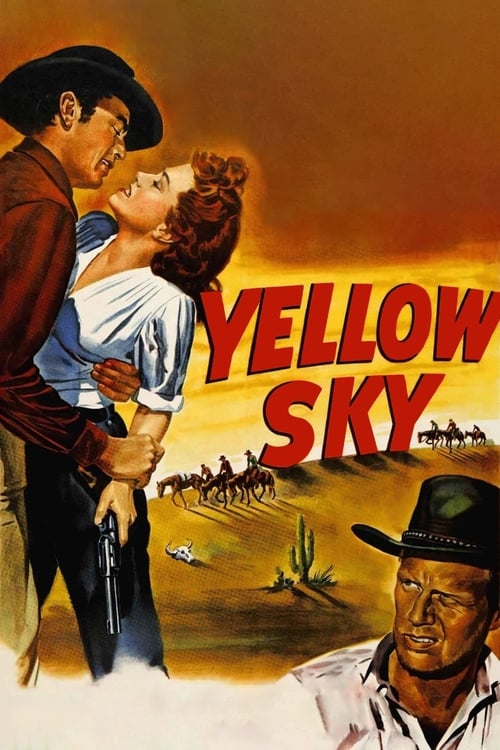
In 1867, a gang robs a bank and flees into the desert. Out of water, the outlaws encounter a ghost town called Yellow Sky and its only residents, a hostile young woman and her grandfather.
Yellow Sky

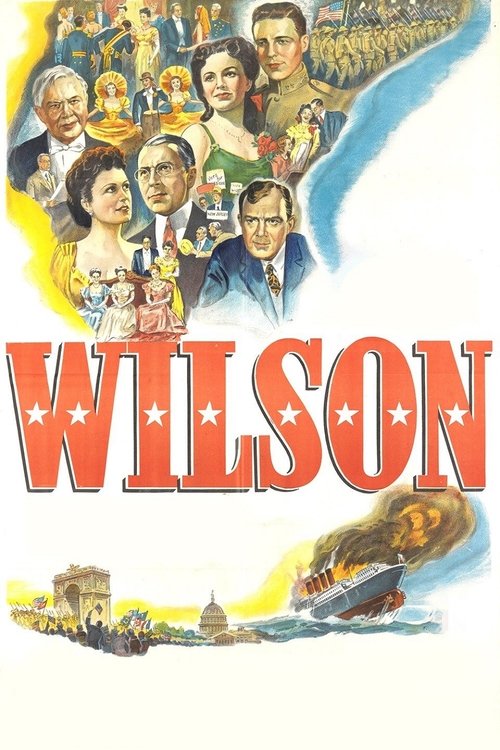
The political career of Woodrow Wilson is chronicled, beginning with his decision to leave his post at Princeton to run for Governor of New Jersey, and his subsequent ascent to the Presidency of the United States. During his terms in office, Wilson must deal with the death of his first wife, the onslaught of German hostilities leading to American involvement in the Great War, and his own country's reticence to join the League of Nations. Preserved by the Academy Film Archive in partnership with Twentieth Century Fox Film Corporation in 2006.
Wilson

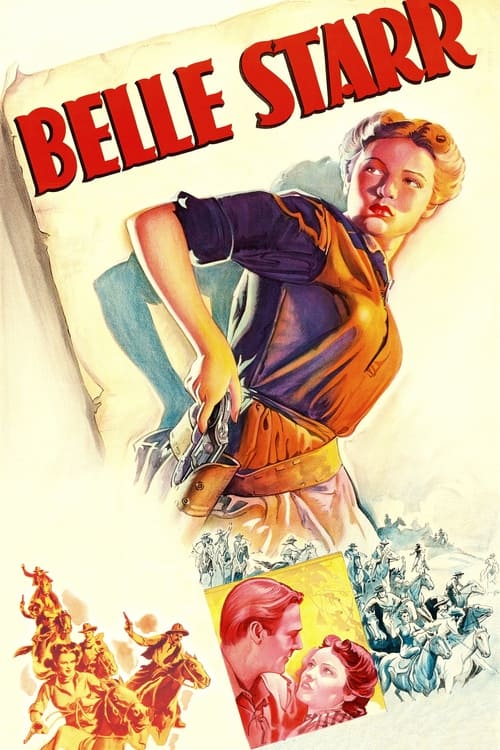
After her family's mansion is burned down by Yankee soldiers for hiding the rebel leader Captain Sam Starr Belle Shirley vows to take revenge. Breaking Starr out of prison, she joins his small guerrilla group for a series of raids on banks and railroads, carpetbaggers and enemy troops. Belle's bravado during the attacks earns her a reputation among the locals as well as the love of Starr himself. The pair get married, but their relationship starts to break down when Sam Starr lets a couple of psychotic rebels into the gang, leaving Belle to wonder if he really cares about the Southern cause.
Belle Starr

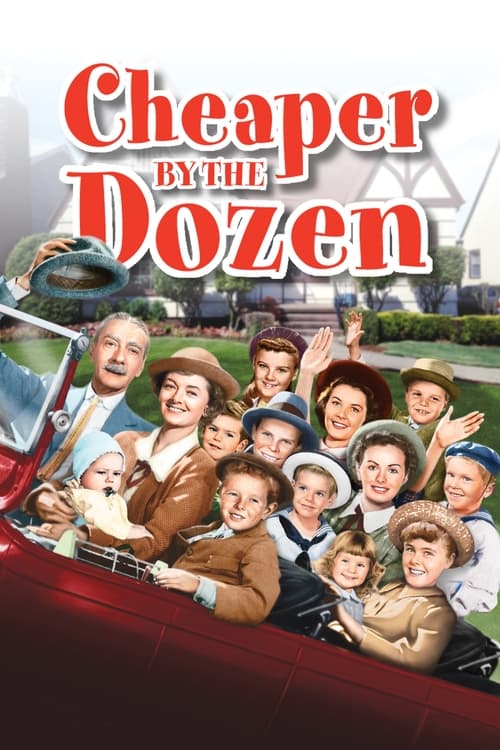
"Cheaper by the Dozen", based on the real-life story of the Gilbreth family, follows them from Providence, Rhode Island, to Montclair, New Jersey, and details the amusing anecdotes found in large families.
Cheaper by the Dozen

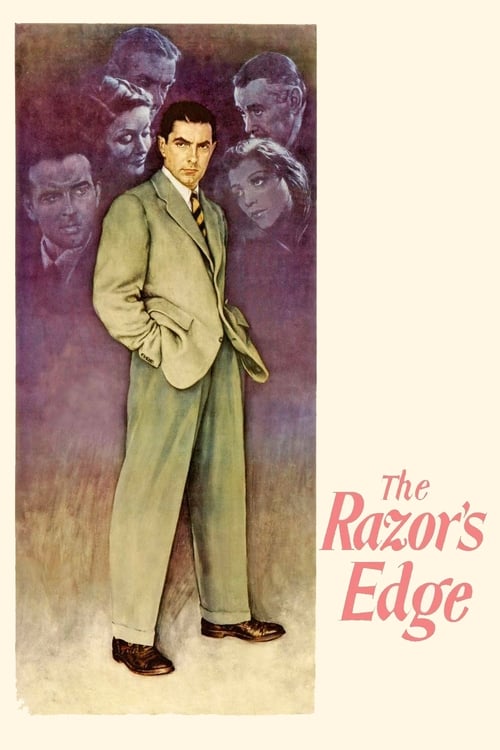
An adventurous young man goes off to find himself and loses his socialite fiancée in the process. But when he returns 10 years later, she will stop at nothing to get him back, even though she is already married.
The Razor's Edge

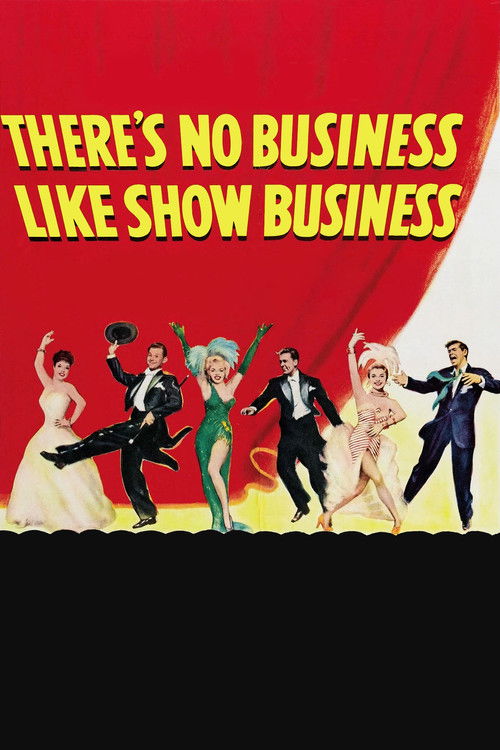
Molly and Terry Donahue, plus their three children, are The Five Donahues. Youngest son Tim meets hat-check girl Vicky and the family act begins to fall apart.
There's No Business Like Show Business

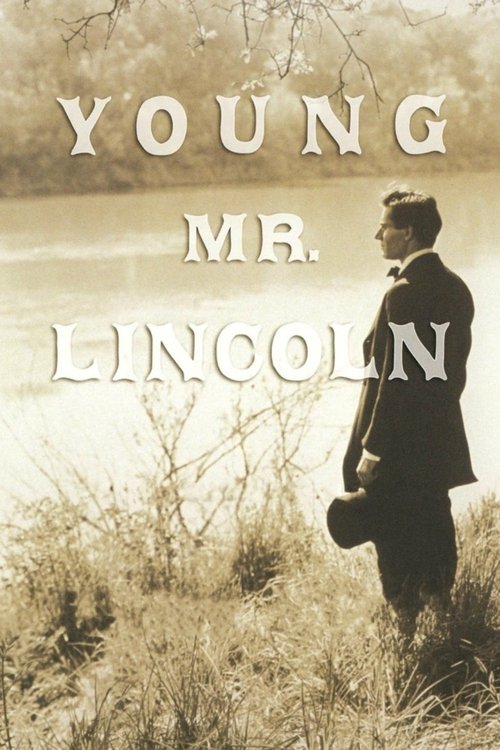
In this dramatized account of his early law career in Illinois, Abraham Lincoln is born into a modest log cabin, where he is encouraged by his first love, Ann Rutledge, to pursue law. Following her tragic death, Lincoln establishes a law practice in Springfield, where he meets a young Mary Todd. Lincoln's law skills are put to the test when he takes on the difficult task of defending two brothers who have been accused of murder.
Young Mr. Lincoln

Action-filled drama about a ship captain, ashamed of his background in the slave trade, forced against his will to again transport human cargo.
Slave Ship

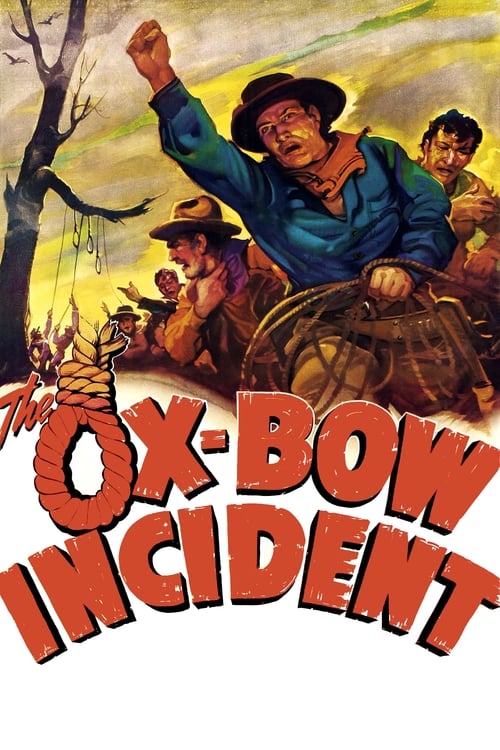
A posse discovers a trio of men they suspect of murder and cow theft and are split between handing them over to the law or lynching them on the spot.
The Ox-Bow Incident

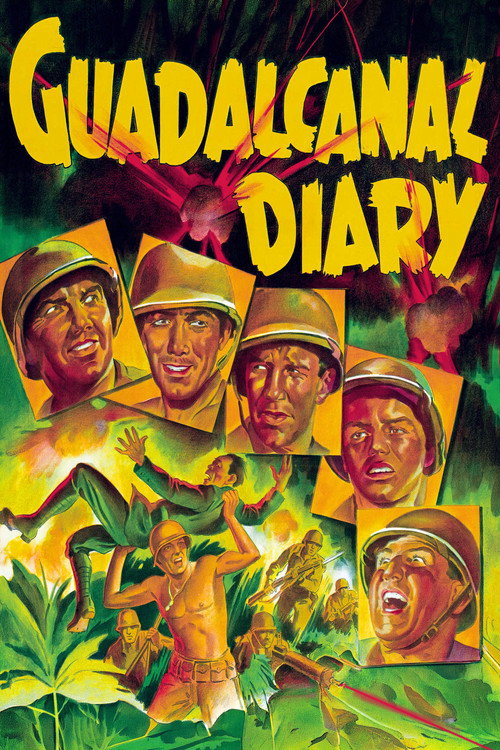
Concentrating on the personal lives of those involved, a war correspondent takes us through the preparations, landing and initial campaign on Guadalcanal during WWII.
Guadalcanal Diary

Albany, New York, 1776. After marrying, Gil and Lana travel north to settle on a small farm in the Mohawk River Valley, but soon their growing prosperity and happiness are threatened by the sinister sound of drums that announce dark times of revolution and war.
Drums Along the Mohawk

Classical violinist Roger Grant disappoints his family and teacher when he organizes a jazz band, but he and the band become successful. Roger falls in love with the band's singer, Stella, but his reluctance to lose her leads him to thwart her efforts to become a solo star. When the World War separates them in 1917, Stella marries Roger's best friend and, when Roger returns home after the war, an important concert at Carnegie Hall brings the corners of the romantic triangle together.
Alexander's Ragtime Band

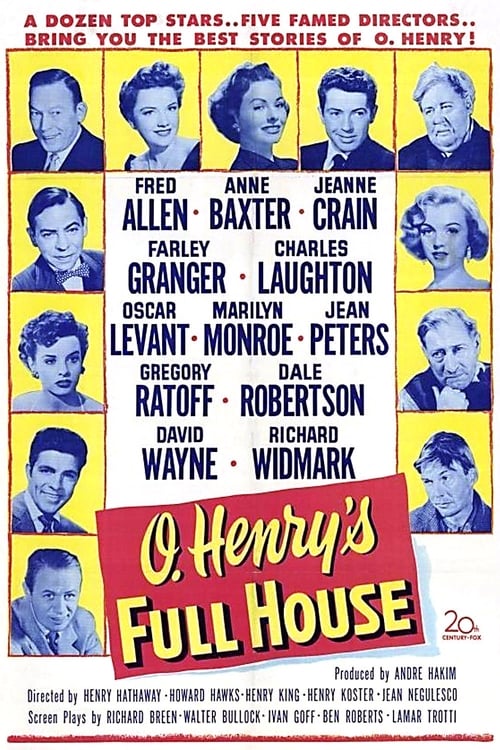
Five O. Henry stories, each separate. The primary one from the critics' acclaim was "The Cop and the Anthem". Soapy tells fellow bum Horace that he is going to get arrested so he can spend the winter in a nice jail cell. He fails. He can't even accost a woman; she turns out to be a streetwalker. The other stories are "The Clarion Call", "The Last Leaf", "The Ransom of Red Chief", and "The Gift of the Magi".
O. Henry's Full House

Spain, 1518: young caballero Pedro De Vargas offends his sadistic neighbor De Silva, who just happens to be an officer of the Inquisition. Forced to flee, Pedro, friend Juan Garcia, and adoring servant girl Catana join Cortez' first expedition to Mexico. Arriving in the rich new land, Cortez decides to switch from exploration to conquest...with only 500 men. Embroiled in continuous adventures and a romantic interlude, Pedro almost forgets he has a deadly enemy...
Captain from Castile

Irish immigrant meets returning war correspondent on a liner bound for New York. When she resists the amours of another passenger, charges result in her being detained at Ellis Island.
Gateway

Judge Priest, a proud Confederate veteran, restores the justice in a small town in the Post-Bellum Kentucky using his common sense and his great sense of humanity.
Judge Priest

Major Joppolo and his men are assigned to restore order to the war-torn Italian town of Adano. He has to manage getting supplies into town without interfering with troop movements, all the while dealing with colorful citizens of the town. One of his quests is to replace the bell which orders the town's life.
A Bell for Adano

Young Pepper Jolly enters the life of sour old millionaire John Wilkes. She convinces him to take her gang to Coney Island and prevents his daughter from marrying a phony aristocrat.
Pepper

Young lovers Jack and Sally are from families that compete to send horses to the 1938 Kentucky Derby, but during the Civil War, her family sided with the South while his sided with the North--and her Uncle Peter will have nothing to do with Jack's family.
Kentucky

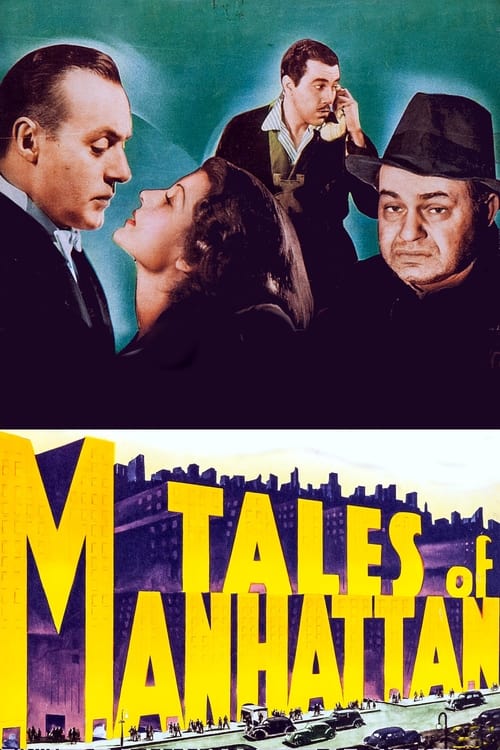
Ten screenwriters collaborated on this series of tales concerning the effect a tailcoat cursed by its tailor has on those who wear it. The video release features a W.C. Fields segment not included in the original theatrical release.