Ciro Durán
Directing
Biography
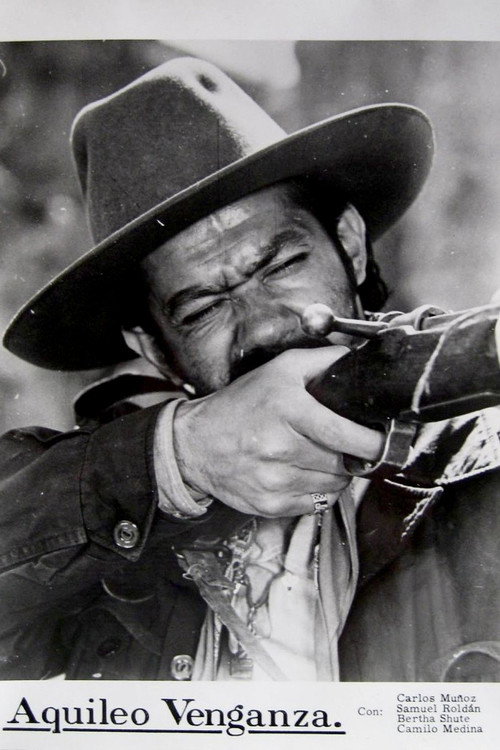
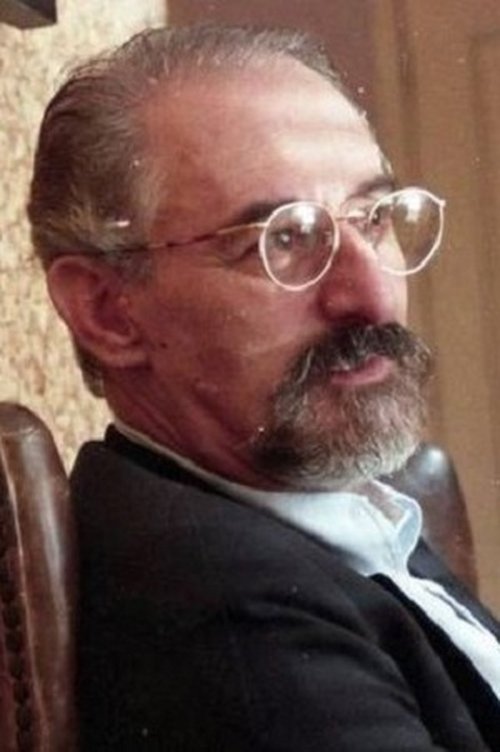
Ciro Durán (December 16, 1937 - January 10, 2022) was a Colombian filmmaker, screenwriter and producer with an extensive career that began in the 1960s. He is best known for his documentaries Gamín (1978) and La Guerra del Centavo (1985) and for his feature films La Nave de los Sueños (1996) and La Toma de la Embajada (2000), his last directorial effort. He is considered one of Colombia's most outstanding filmmakers of the 20th century. Ciro Durán studied high school at the Colegio Nacional José Eusebio Caro in Ocaña. He began university studies in Chemistry and Mathematics at the National University of Colombia in Bogota, but the theatrical environment eventually led him to devote himself to film. In Caracas, where he lived from 1961 to 1967, he studied Film and Theater with the renowned theater director and filmmaker Román Chalbaud. His debut as a director and producer was in 1962 when he shot the medium-length film "La paga" in Venezuela, based on an original script about the peasant struggle. As a result of this production, Durán was hired in 1968 to direct the Colombian-Venezuelan co-production "Aquileo Venganza", entirely filmed in Villa de Leyva, Colombia, a western framed in the Thousand Days War about land dispossession. From there he moved to Bogota where he produced several internationally awarded documentary shorts, such as "Corralejas de Sincelejo y Tayrona" co-directed with Joyce Ventura. After several years working on the issue of abandoned children, in 1978 his production company released "Gamín", a feature documentary that follows the lives of several minors living on the streets of Bogota, from the youngest to the oldest. "Gamín" was awarded several prizes such as the Donostia prize for best director at the San Sebastian Film Festival and was premiered at the Cannes Film Festival. It was also shown in cinemas and television channels in France, the United Kingdom and Germany, among others. After making "Children of Two Worlds" (made in Germany GDR 1979) and a second feature documentary in co-production with Germany, "The Penny War" and "Comment vont les enfants. Carmelo" co-directed with Jean-Luc Godard, Anne-Marie Miéville, Lino Brocka, Rolan Bykov, Jerry Lewis and Euzhan Palcy, Durán went on to make fiction feature films, including the Paramount Pictures production "Nieve Tropical" with Madeleine Stowe and David Carradine, "La nave de los sueños" and "La toma de la embajada", a political film about the seizure of the Dominican Republic embassy by the M-19 guerrilla group. He has also been a juror in several film competitions such as the Leipzig Film Festival 1978, Moscow 1981, Montreal 1984, being considered today as one of the most outstanding Colombian filmmakers of the twentieth century. On January 28, 1997, Durán returned to Convención and Ocaña after many years of absence to present his film La nave de los sueños, which was screened at the Leonelda Cinema in the presence of José Antonio Amaya Martínez.
Known For

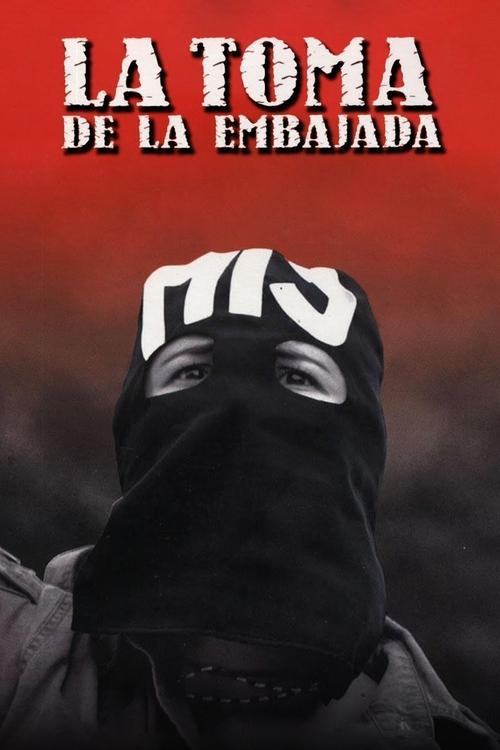
Bogotá, 1980. During the government of President Turbay. An urban cell of the M-19 invades the Embassy of the Dominican Republic, taking 14 ambassadors as hostages. They demand that they be exchanged for political prisoners. The film focuses on the events that took place during those two months of captivity.
La toma de la embajada

New York is the dream city of Tavo and Marina, where the lovers hope to start a better life; at home in Bogota they have to work as pocket pickers at the airport to support their families. Dealer Oskar can persuade them to smuggle drugs in their stomachs on plane to New York - although both know of the risks, since Marina's sister died on a similar journey. However on arrival at the airport in New York they show nerves and all their dreams start to shatter.
Tropical Snow

No description available.
Yo, el gobernador

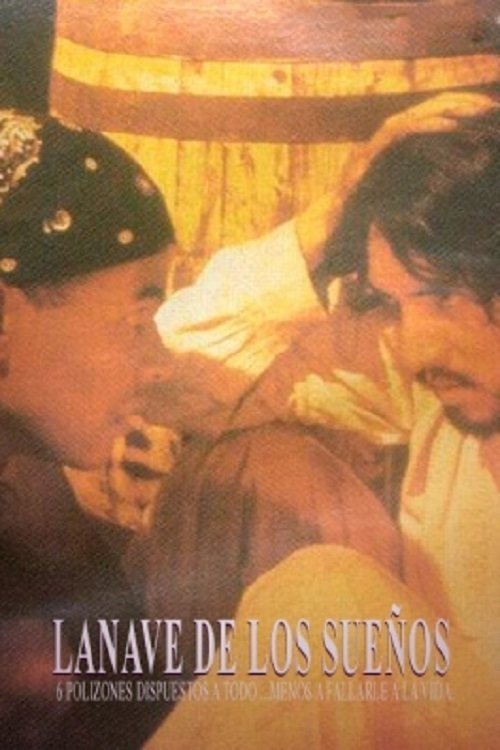
Four men and two women illegaly board a cargo ship from Buenaventura, Colombia to New York. All their dreams and frustrations confronts them while they attempt not to be discovered by the ship crew. They all seek the "American Dream".
Ship of Dreams

This is the story of two teenage women affected by violence and the painful journey to become full and liberated. One, Maruja is a young rape victim. The other Carmen Luisa is beaten by violence within her own family.
Playing Under The Moon

A UNICEF-sponsored six-film anthology depicting childhood horrors around the world. "Hassane" - a malnourished child in Niger needs help from the doctors, but village traditions prohibit it. "Liouba" - a child escapes to the forest after a beating by his alcoholic mother, but the games he plays in the forest mirror his troubles at home. "Boy" - a child faces discrimination as the only white student at his school. "Carmelo" - in Bogota a child living on the streets fights to survive. "Oca" - when his twelve year old brother dies free-diving in the Philippines, seven year old Oca must take his place on the job. "L'enfance de l'art" - children living and playing in a war zone are touched by violence.
How Are The Kids?

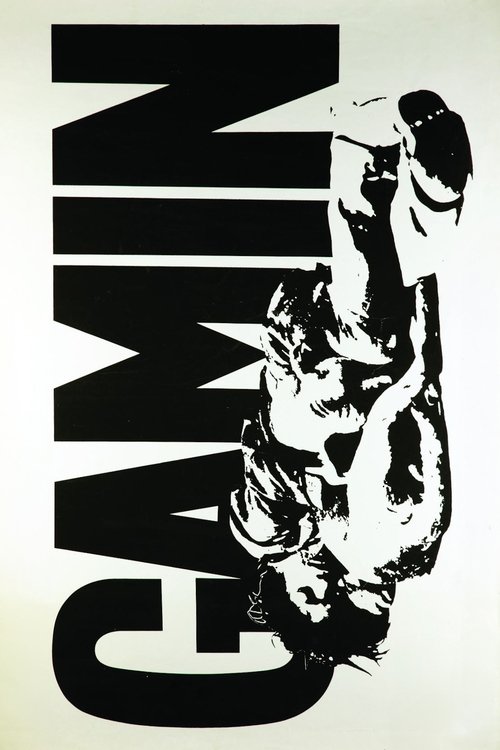
After an extensive immersion work on abandoned childhood, Ciro Durán presents, from his point of view, the life of street children, who have broken all family ties and have regrouped to survive in the concrete jungle.
Gamin

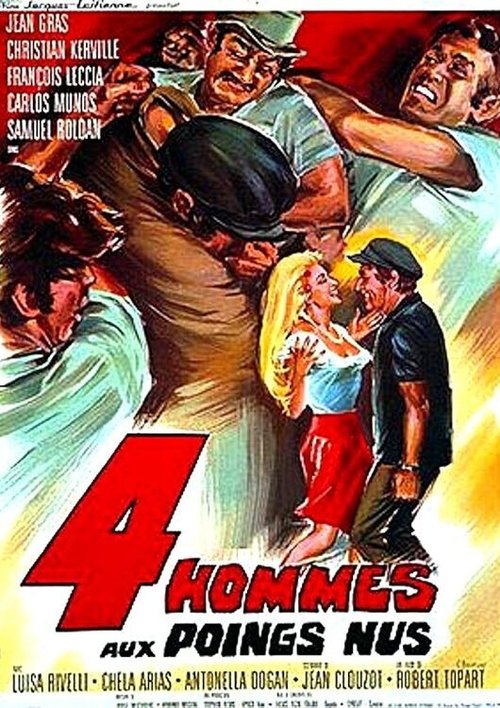
A derelict fishing boat in the Caribbean Sea is taken in by four ship's crew hoping to make a profit from the cargo. Little do they know, however, that the nets contain more than just fish.
Quatre hommes aux poings nus

Four short love stories from the point of view of four different men.
Las Cuatro Edades del Amor

In Bogotá, urban public transport drivers do not receive a fixed salary. This has triggered a daily war marked by an anguishing and dangerous routine that only benefits large business owners and leaves the State as an indifferent bystander.
The Penny War

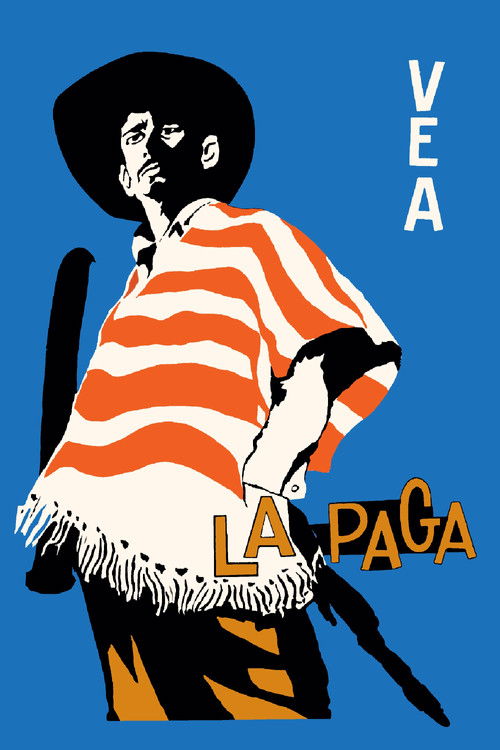
In the Colombian-Venezuelan Andes, a peasant works the land under exploitative conditions to ensure the survival of his family. His son is ill, his wife is pregnant, and he himself reproduces the violence that surrounds him. With no money for medical treatment, one night he gets drunk and is arrested. In jail, in a burst of fury, he rebels against the town's political boss in the only way he can. La Paga was a pioneering work of social and political cinema in Latin America, released the same year as Barravento, Glauber Rocha’s debut feature, and anticipating movements such as Third Cinema. Influenced by Italian Neorealism and Soviet cinema in its aesthetics, forms, and ideological approach, the film uses the archetypal representation of characters and the social and economic forces they embody. Based on the director’s childhood observations in his hometown, La Paga denounces the exploitation of the rural peasantry.
The Wage

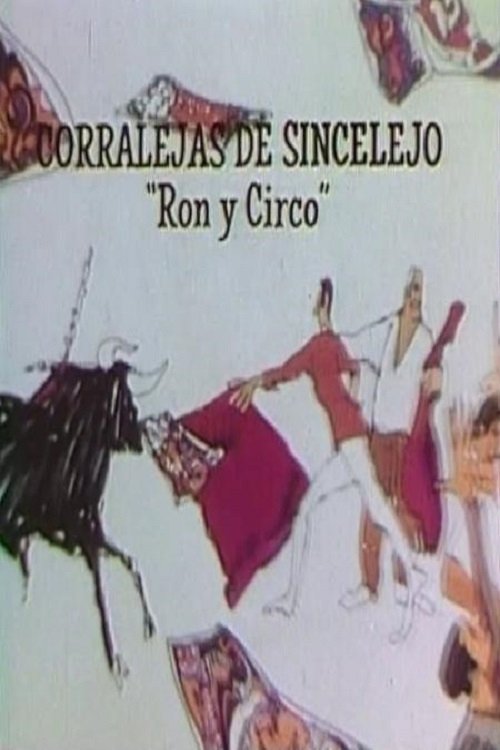
No description available.
Corralejas de Sincelejo

In the begining of 20th century, after the "thousand days war", the country was devastated. Gunmen to the service of land lords attack small land owners to get their lands. Aquileo is the only one who survives, and promises to take revenge on the killers.