Editing
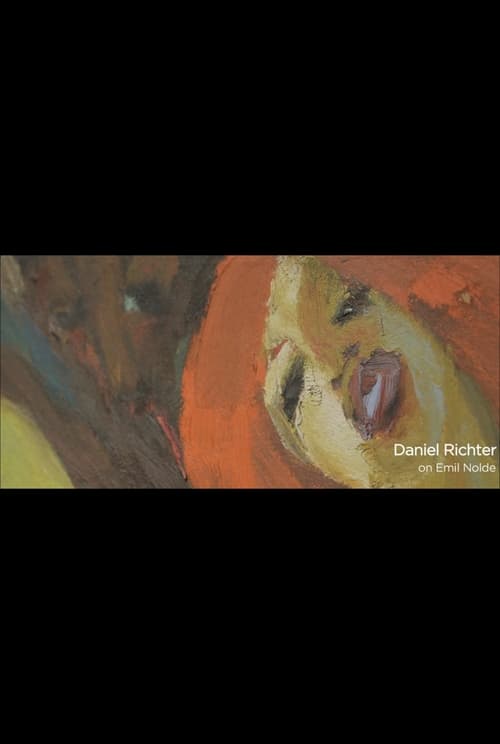
Emil Nolde was a Nazi – and so what, asks contemporary German artist Daniel Richter. “It’s a moralistic debate. A debate, that mirrors the moralism and bigottery of a generation that seems to think, that the world is a moral playground.” Emil Nolde’s relationship to the Nazi-regime in the Third Reich has given rise to immense discussions within the last months. For decades the broader public had a picture of Nolde being one of the “entartete” artists as well as being prohibited painting by the Nazi-regime. Though this on the surface is true, it was the result of a great disappointment to Nolde. For years, he had strived to become “the” artist of the Thrid Reich, praising his own art as true, German, anti-French and anti-Jewish. Possible competitors within the German art world like Max Pechstein he actively denounced to the Nazi authorities.
Kam is 11 years old. She lives along the river in the slums of Klong Toey with her father, mother, and big brother. Her mother is a local hairdresser and her father works for the local municipality when he can. Kam’s house has always been filled with music. Her father often plays the guitar, and Kam loves to sing along. Her dream is to become a famous pop singer and perform in front of a big audience. Kam’s talent and love of singing is noticed by the local music school. Kam is a bit shy and she is nervous about singing at a local concert. To give Kam courage, her schoolteacher gives her tickets to a concert with her favorite pop star. And she even gets to meet her backstage. With advice from the famous pop singer and with support from her best friend next door, she finds the courage to sing at the local concert.
Things fall apart, but they are also reassembled and given new life, in an enlightened form. Meet the New York based artist and filmmaker Bill Morrison in this interview about his haunting experimental collage films 'Decasia' and 'Light is Calling'.