
Erika Okuda
Acting
Biography
Erika Okuda is a Japanese actress.
Known For
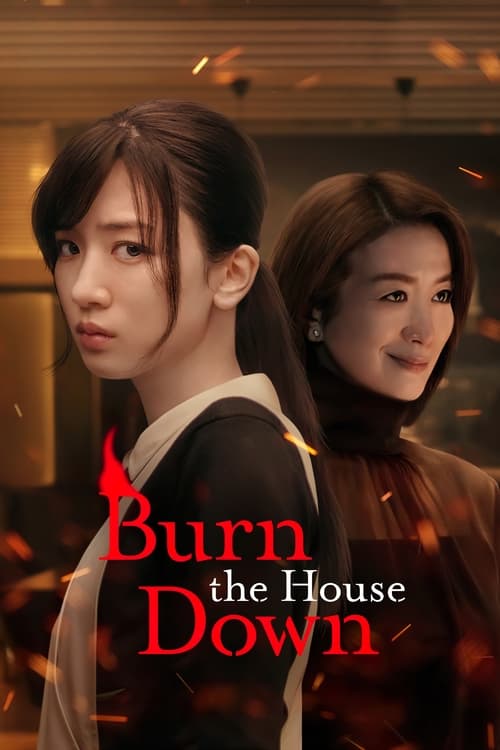
After her mother took the blame for a tragic fire 13 years ago, Anzu plots revenge by working as a housekeeper under a pseudonym for her icy stepmother.
Burn the House Down
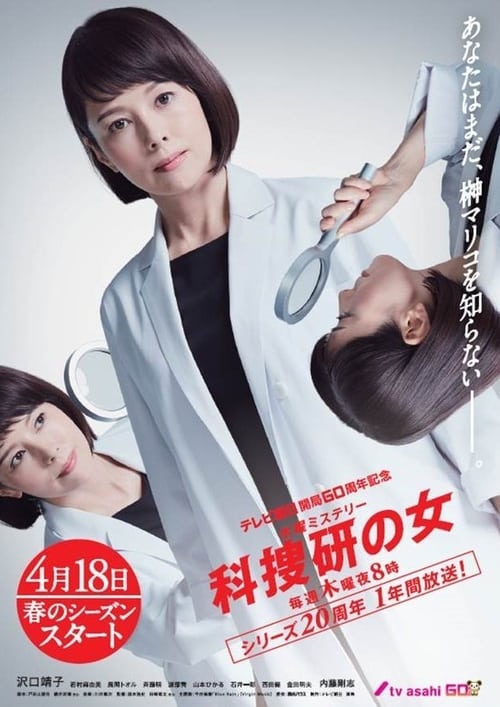
Mariko is a forensic scientist working at the Kyoto PD Crime Lab. Her credo is “science never lies” and she delves into the truth of the case with her colleagues with their specialized skills and knowledge in forensic medicine, physics, chemistry etc. Mariko’s steadfast belief in science makes her stand against conventional institutional ethics of the police department, diehard detectives averse to scientific investigation and sometimes even with her own colleagues, but she stays faithful to her belief in science and continues to pursue the truth.
The Woman of S.R.I.
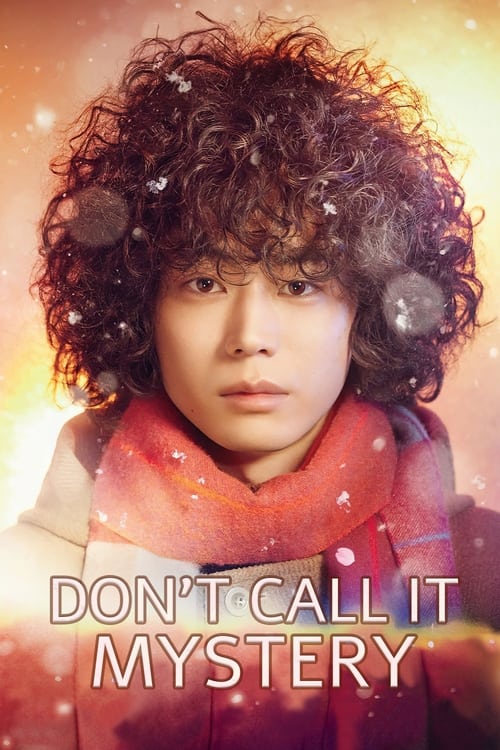
University student Kuno Totono is the type who constantly questions what is taken for granted in society and develops his own theories based on his vast knowledge and unique set of values. One day in autumn, the police come to see him. His university schoolmate has been murdered at a park nearby and the police apparently regard Totono with suspicion. He is asked to come with them for questioning. In the interrogation room, the police are manipulated by Totono who tends to digress from the topic and poke at their contradictions. He even correctly guesses that one of them is troubled about not getting along with the wife and ends up giving advice. However, Totono’s fingerprints are eventually discovered on the murder weapon.
Don't Call It Mystery
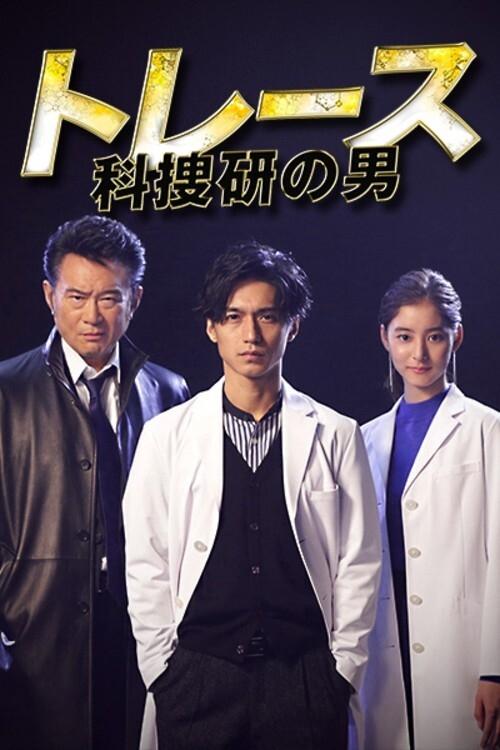
Mano Reiji, a man who experienced a gruesome incident, is a forensic researcher at the Tokyo Metropolitan Police Department's Investigative Science Research Institute. Under the belief that "appraisal will result in the truth" and with his vast knowledge, Mano approaches cases from a view point that differs from others. On the other hand, Sawaguchi Nonna (Araki Yuko) is a rookie forensic researcher that begins working with the no nonsense Mano. They are forced to work together on a murder case.
Trace ~ Men of the science school ~
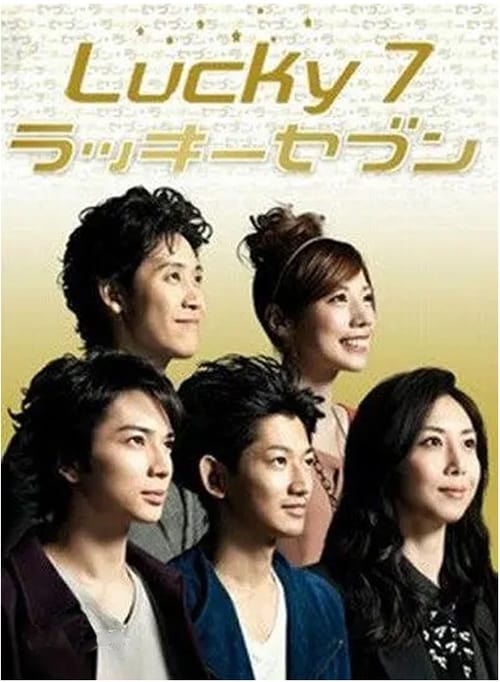
Lucky Seven Rakkīsebun is a 2012 Japanese television drama broadcast by Fuji Television from January 16 to March 19, 2012. It stars Jun Matsumoto and Eita.
Lucky Seven
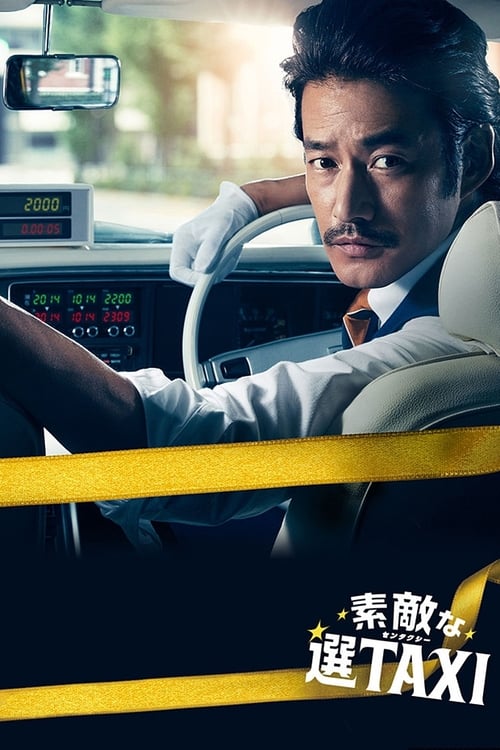
Edawakare is the driver of Sentaxi, a marvellous vehicle which is able to take a passenger back to his or her “life’s turning point”. His cool appearance is at odds with his talkative, meddlesome, sweet-toothed character. He gives advice to passengers who are flustered after failing in their life’s choice.
Great Selection Taxi
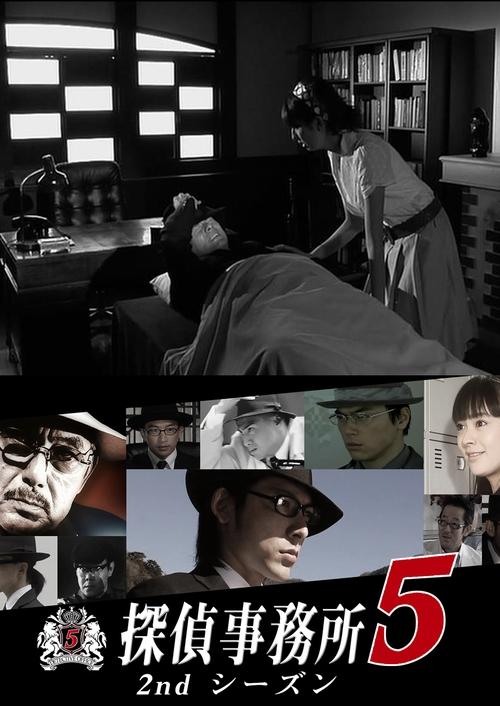
This anthology-style mystery series is part of the D‑5 PROJECT, centered around Detective Office 5 - a long-running private detective agency in Kawasaki. Each detective is known only by a number rather than a name (e.g., Detective 596, 532), with standalone stories featuring different characters and surreal, quirky cases.
Detective Office 5: Another Story
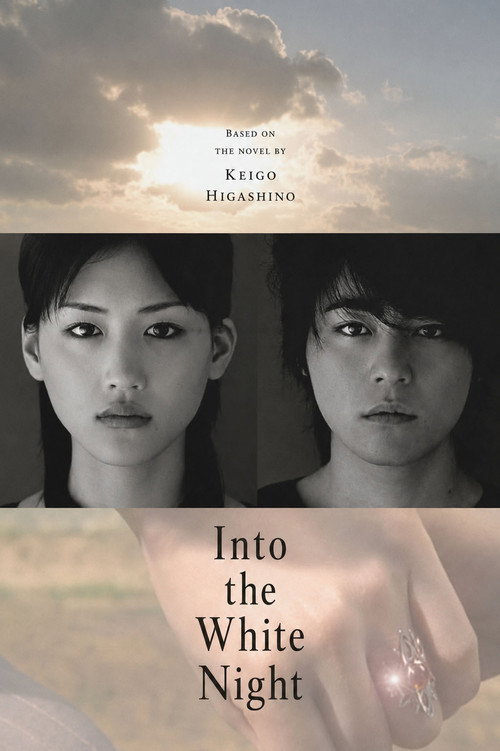
What happens with two children commit two different muders in order to protect each other? Does salvation exist for them? In order to walk beneath the sun once more, Ryouji and Yukiho find themselves in a twisted web from which neither can escape without abandoning the other. Having no one but each other, this drama follows the events the follow that fateful day… 14 years ago.
Into the White Night
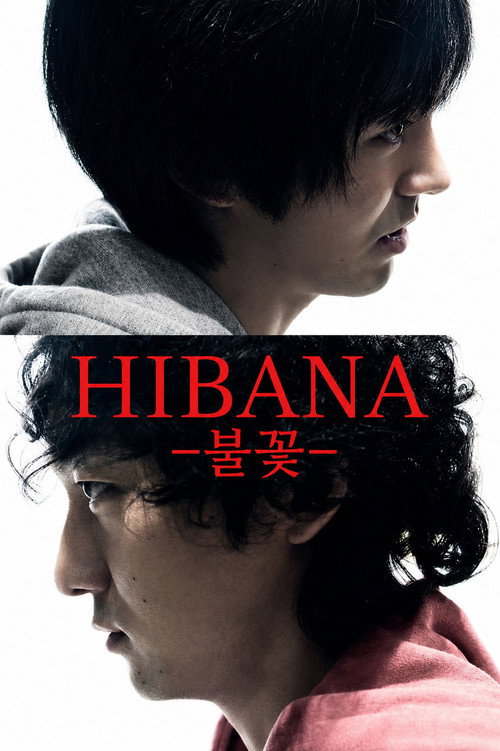
Tokunaga, a comedian who is down on his luck, has a shock encounter with Kamiya, an older comedian when he visits a fireworks event in Atami on a job. Tokunaga is deeply touched by Kamiya and asks if he can become his apprentice. Kamiya is a genius type of comedian who is full of human kindness. He accepts Tokunaga’s proposition on the condition that he will write his biography.
Hibana: Spark
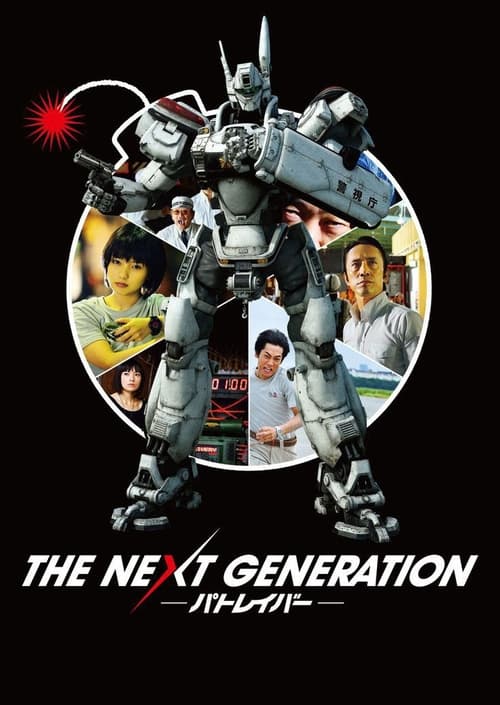
In a world where giant robots are built and used for labor, a special police force of robots is created to handle crimes relating to these machines.
The Next Generation: Patlabor
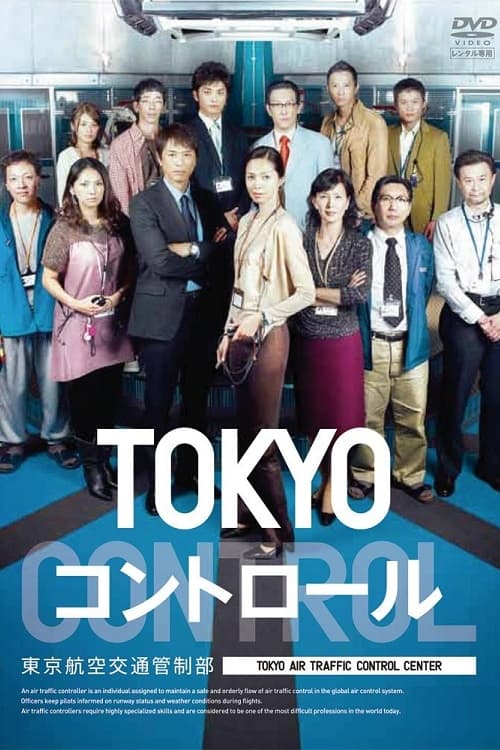
Tokyo Control is a 2011 Japanese television drama series that is produced by Sony and Fuji Television. It is the first television series in 3D made in Japan.This television series revolves around air traffic control, and it stars Ayako Kawahara and Saburo Tokito as air traffic controllers. Tokyo Control premiered on Sky PerfecTV! HD, a subscription-based channel on the Fuji Television network, on January 19, 2012. It was aired in both 2D and 3D formats, and it has a total of 10 episodes. This television series has been well received by viewers.
Tokyo Control

No description available.
The Marriage Counselor
No description available.
愛の迷宮

Kishi Minetaro is a skilled and serious-minded plastic surgeon. He looks down on doctors earning money through cosmetic surgeries as well as on women asking for such medical procedures. However, having to repay his father's debt, Minetaro chooses lucrative work at a clinic specializing in aesthetic plastic surgery. The clinic is full of beautiful women, including the director Yukawa Mari, who is well known for her skills in breast reconstruction, a highly-trusted doctor Ichii Mutsumi, and a cheerful nurse Kishitani Aoi. But most of them have already had some work done to their faces, and they strongly believe that “faces are for lives.” Various types of patients visit this clinic. As Minetaro needs to keep this job to continue paying off the debt, he has no choice but to respond to the patients' selfish requests, such as, “I need my previous face back because my husband suspects that I may cheat on him now that I have a surgically-altered, young-looking face,” or “I want to change my face and look different from my twin sister.” But their wishes makes him wonder...If they change their appearances, will their futures become brighter? Will their worries disappear? “Beauty” is the keyword set in this human drama, depicting the true feelings of women through the eyes of a surgeon who isn't attuned to reading a woman's mind.
Cleopatra na Onnatachi

Long is a Taiwanese killer known for his sword skills. After Long fails a Tokyo mission, he moves to a small town where no one knows about him.
Mr. Long
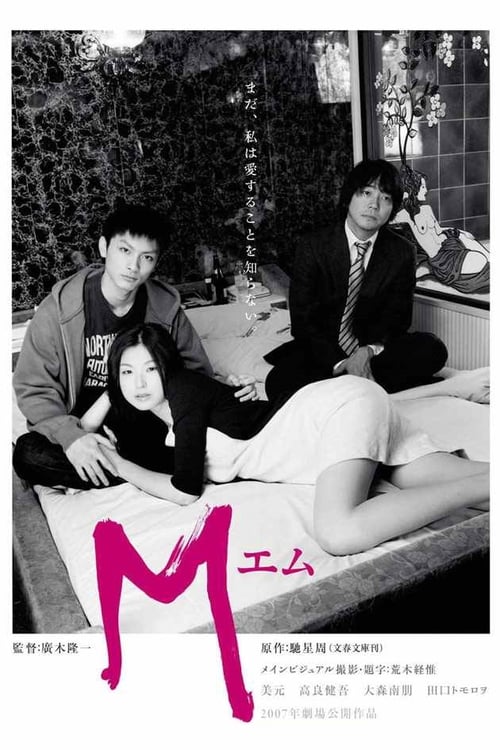
Mixed up by desire, love and hatred, a disturbed young man begins tailing and eventually tries to save his neighbor, a housewife who has turned to prostitution despite her comfortable lifestyle.
M
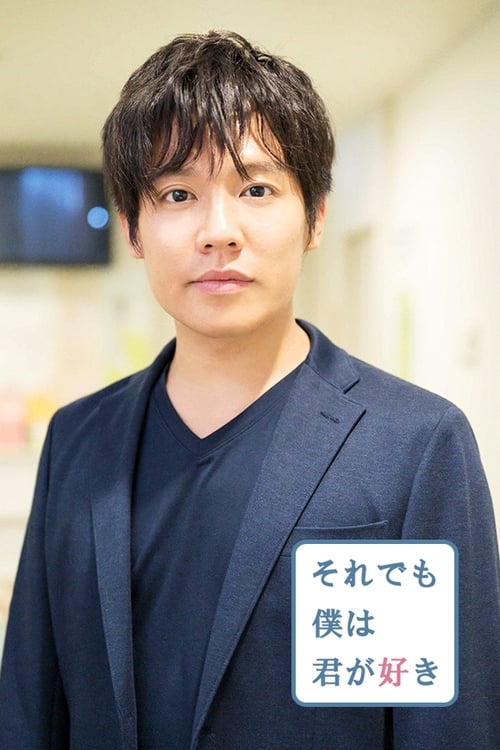
Yusuke Serizawa works at a law office. When he gets into a car accident, a woman helps him. She looks familiar to him, but he doesn't remember who she is. This event triggers a look back at his past romances.
Nevertheless, I Love You
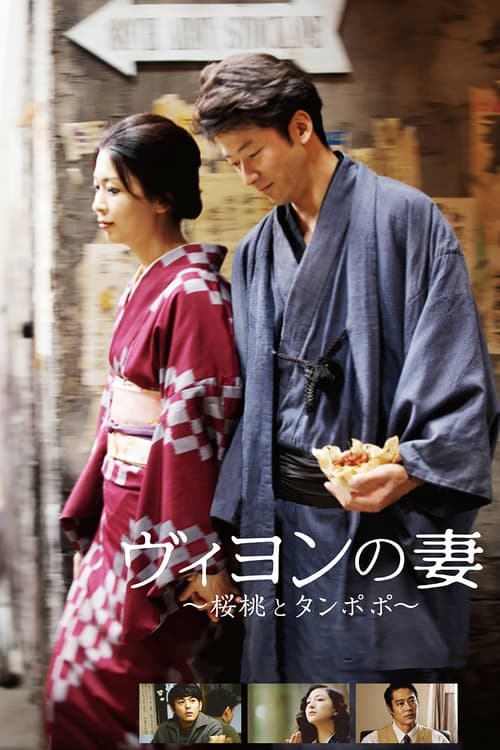
This enticing period melodrama depicts a long-suffering woman's relationship with her brilliant but self-destructive writer husband in postwar Tokyo. Based on a semi-autobiographical 1947 novel by Osamu Dazai, the story centers less on the womanizing, heavy-drinking, suicidal hero than on the wife who loves him. Written by Palm Springs International Film Festival
Villon's Wife

The ever-lively and upbeat Natsuko tries to mend a broken heart by carrying on with a string of short-lived affairs after her break-up with Tomomi. But when Tomomi announces her plans to marry - a man - Natsuko becomes inconsolable.
Topless
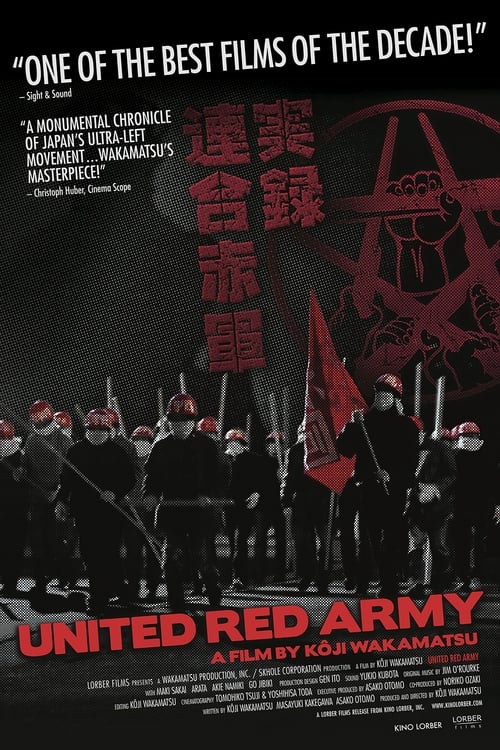
Two of the most radical student groups form the United Red Army (URA) and head into the mountains to conduct a training camp. Ideology devolves into despotism, and the URA's leaders begin to arbitrarily persecute their followers, a harrowing ordeal that culminates in violence and murder.