Koshiro Otsu
Camera
Biography
Koshiro Otsu (大津 幸四郎 Otsu Koshiro, 1934 - 28 November 2014) was a Japanese cinematographer and film director. Otsu is one of the most famous cinematographers in Japanese film history. He joined Iwanami Productions in 1958. After going freelance, he worked with legendary director Ogawa Shinsuke on The Oppressed Students (1967) and Summer in Narita (1968), with Tsuchimoto Noriaki on Prehistory of the Partisans (1969), Minamata: The Victims and Their World (1971), and many other films.
Known For
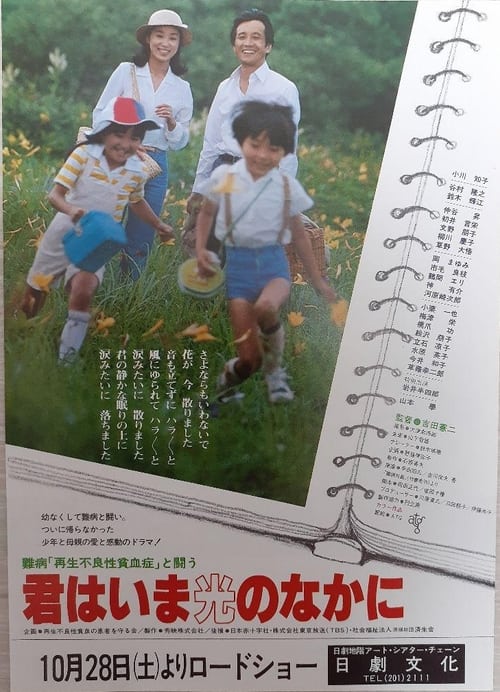
Film distributed by ATG.
Fighting Against The Incurable Disease Aplastic Anemia – Now You Are In The Light
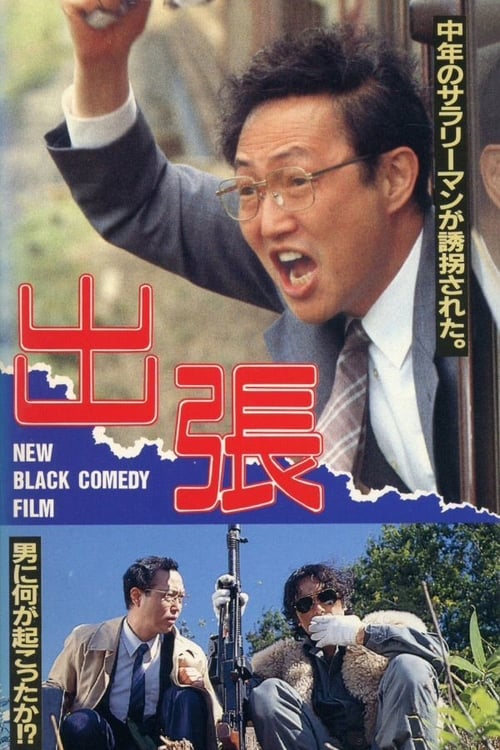
No description available.
Business Trip
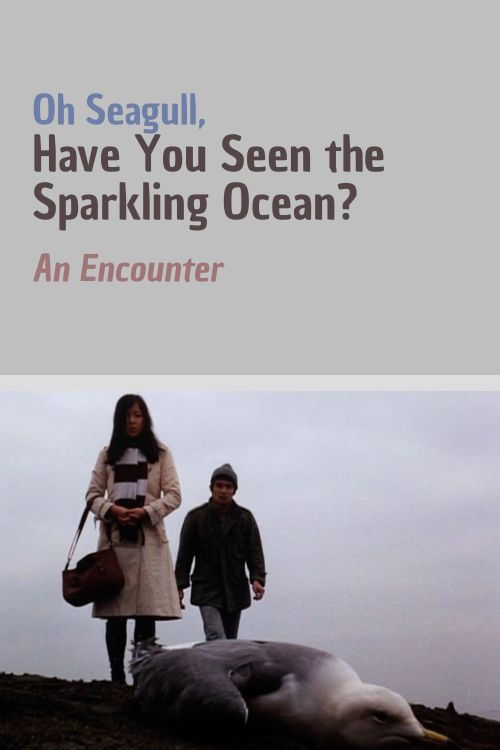
Fujishita Kumi is an ordinary office lady. Longing to escape her poor fishing village for a life in the city, she came to Tokyo. One day while alone in the office, she's spotted rolling up her pantyhose by the window cleaner Kurata Katsuo. This was to be their first encounter. Completely enchanted by Kumi, Katsuo does everything he can to get close to her. Katsuo is a man with a terrible past. With the death of his coal miner father, his family was broken up and he was forced to follow in his father's footsteps laboring away in the mud. In spite of this, Katsuo still has dreams. He dreams of living in Resiporuko, a utopian fantasyland that exists only in his imagination. When Katsuo and Kumi finally meet they find themselves unable to communicate. Katsuo spends all his time talking about Resiporuko with a starry look in his eyes, while Kumi dreams of living the high life in the city. One day when the two travel to the seashore, they discover a wounded seagull.
Oh Seagull, Have You Seen the Sparkling Ocean? An Encounter
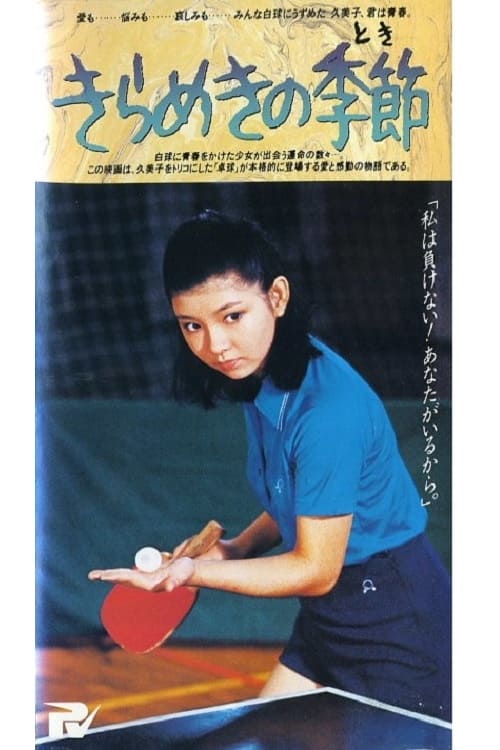
1980 Japanese film distributed by Shochiku.
Strike the White Ball

In a bustling shopping district, a humble tailor accompanies his daughter for an afternoon out — until a trio of thugs begin harassing her in broad daylight. Unable to stay passive amidst the crowd’s indifference, he intervenes with tragic results. Two years later, having served time for excessive self-defense, he remains haunted by both the violence and the apathy of society. A veteran detective, still unsettled by the case, notices the tailor quietly providing money to the same thugs. What drives him? A modern horror tale with social undertones, adapted from Futaro Yamada’s short story “The Black Curtain,” this episode merges psychological unease, moral ambiguity, and a chilling critique of bystander indifference.
When the Night Breaks
Japanese drama film.
A Bridge of Tears

The Silence narrates the struggle of fifteen "comfort women"—former sex slaves by the Imperial Japanese Army during WWII—for recognition and reparation. The "comfort women" issue has previously been treated almost exclusively within the framework of Korean nationalism. The Silence will provide insight into the ways in which nationalism and the emergence of post-war Asian nation-states have hindered the understanding of "comfort women" narratives through Zainichi Korean documentary filmmaker Soo-nam Park's point of view.
The Silence
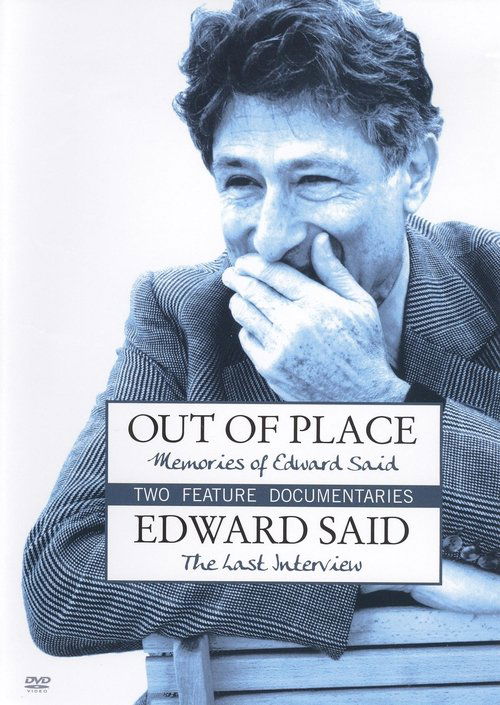
Documentary filmmaker Makoto Sato offers this reflection on the life and career of Edward Said, the deeply influential literary and cultural critic, Columbia University academic, and outspoken advocate for displaced Palestinians, of whom he was one. Exploring the landscapes of Said's childhood and how they influenced his philosophy, this film features rare footage of Said and interviews with many of his colleagues, including Noam Chomsky.
Out of Place: Memories of Edward Said
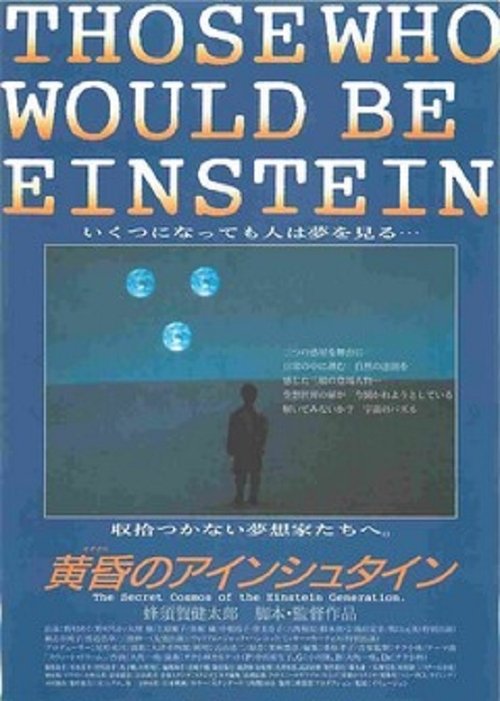
This odd three-parter purports to map the metaphysics of the interpersonal universe, dividing its trio of tales into three, different-toned “planets.”
Those Who Would Be Einstein
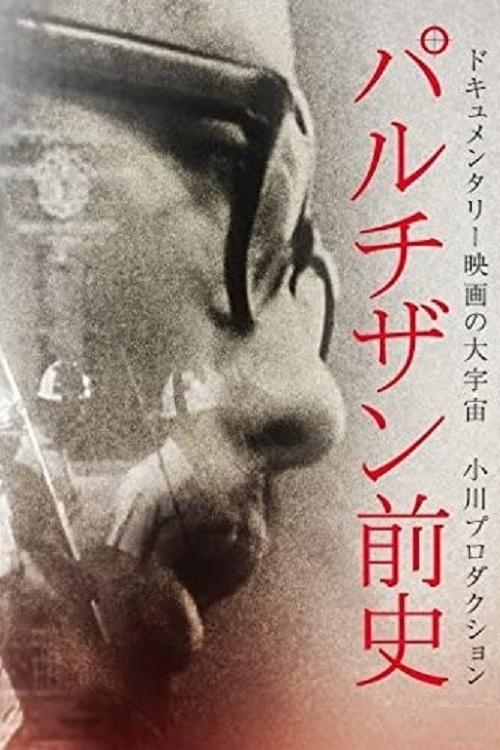
This film documents student preparations for the final phases of the 1969 protests against the renewal of the security treaty.
Prehistory of the Partisans

In the final hours of the Pacific War, Okinawa was the destination for Korean men conscripted as “military laborers” and Korean women taken as “comfort women.” Little is known about the number of casualties or their experiences. In 1989, Park Soonam started to track down the survivors of the Battle of Okinawa to record their testimonies. In 1990, Park visits Korea in search of former “military laborers” who had survived Okinawa and repatriated to Korea. The survivors vividly recount their experiences of their compatriots’ murder and about the “comfort women” to the Zainichi Korean female director. The film zeroes in on the murder of Korean “military laborers” and the presence of “comfort women” in Okinawa via testimonies of former Japanese soldiers.
Song of Arirang - Voices from Okinawa
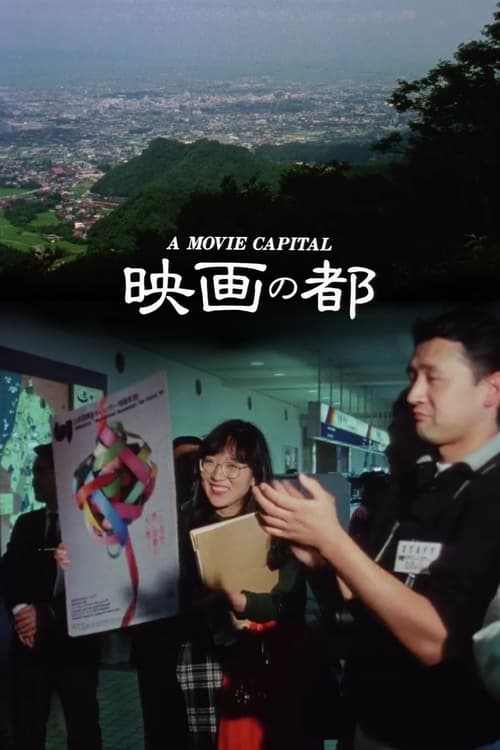
This film is a record of the first Yamagata International Documentary Film Festival. It reflects the various ways the festival was given shape by nascent global changes embodied by Perestroika, the Tiananmen Square massacre, and many other contemporaneous events.
A Movie Capital
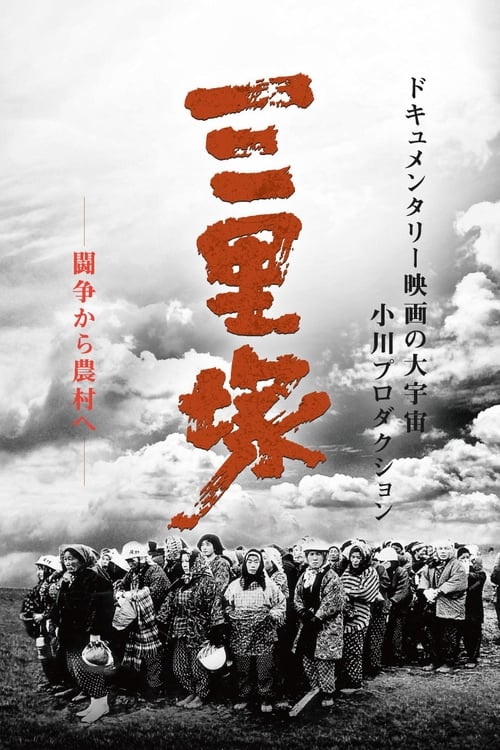
In 1968, Ogawa decided to form Ogawa Productions and locate it at the newly announced construction site of Narita International Airport in a district called Sanrizuka. Ogawa chose to locate his company in the most radical of the villages, Heta. Some farmers immediately sold their land; others vehemently protested and drew the support of social movements across the country. Together they clashed with riot police sent in to protect surveyors, who were plotting out the airport. Summer in Sanrizuka is a messy film – its chaos communicating the passions and actions on the ground.
Summer in Sanrizuka
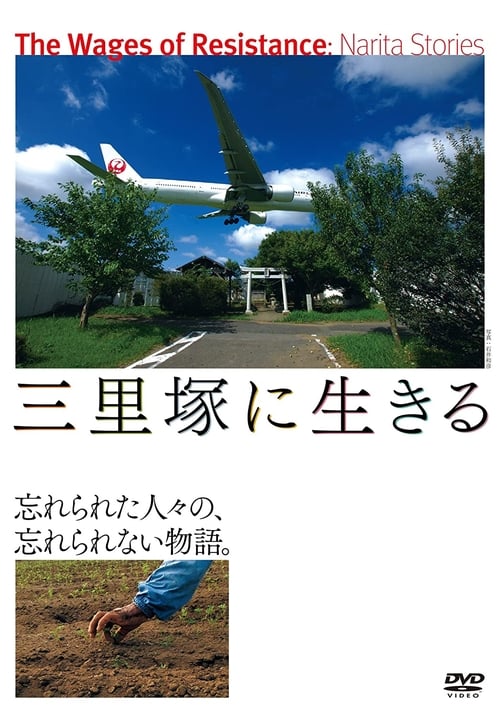
The Wages of Resistance is a feature-length documentary film that portrays an "extended span of time" of the protests against building Narita International Airport which have continued from the 1960's to today through documenting monologues of those whose lives were twisted by the movement.
The Wages of Resistance: Narita Stories
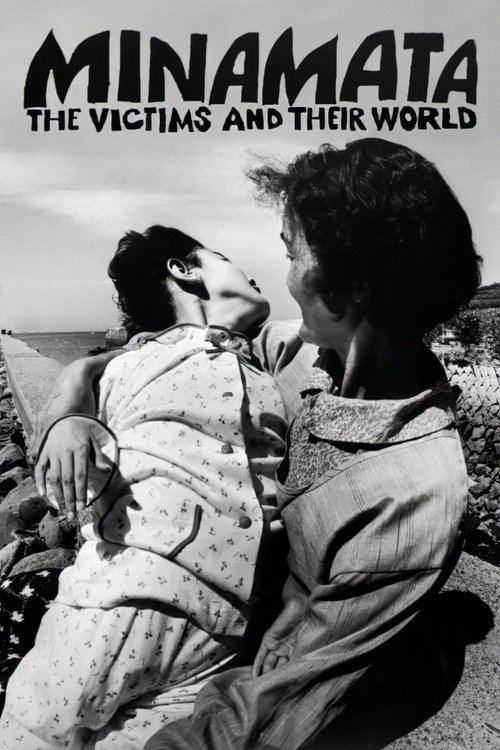
The first in a series of independent documentaries that Tsuchimoto made of the mercury poisoning incident in Minamata, Japan.
Minamata: The Victims and Their World
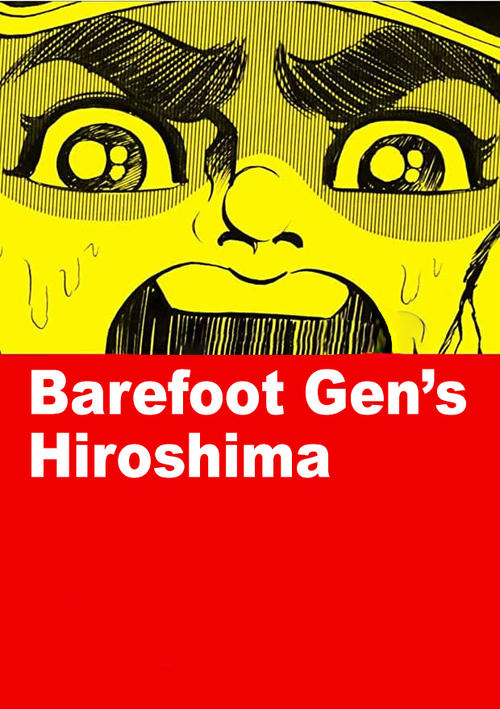
With the passing of Nakazawa Keiji in December 2012, Barefoot Gen’s Hiroshima now stands as the manga artist’s last message of peace to the world. Mr. Nakazawa recounts his life, from the aftermath of the atomic bombing up until the days he created his acclaimed manga series Barefoot Gen (Hadashi no Gen), by exploring sites of painful memories in Hiroshima. Through Mr. Nakazawa’s story, and his original art work, Barefoot Gen’s Hiroshima illuminates the nature of war and nuclear weapons, urging us not to repeat the past.
Barefoot Gen's Hiroshima
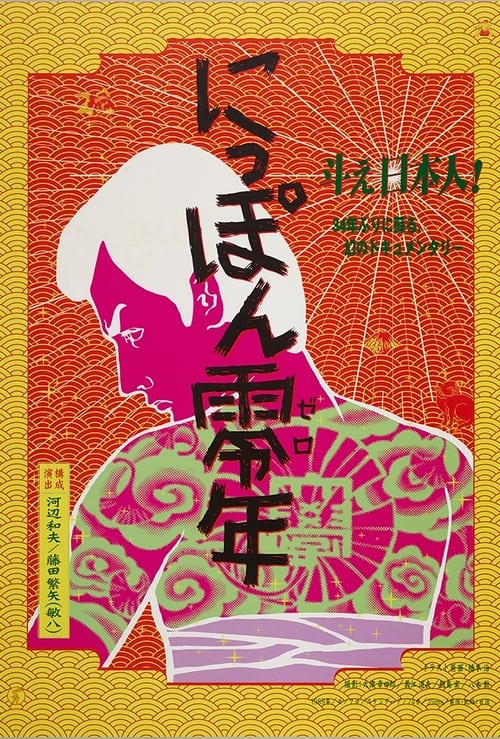
Documentary filmed by young directors in Japan that was shaken by the US-Japan security pact struggles and student disputes. An illusionary image comes back to life for the first time in 34 years. (Produced in 1968 but unreleased until 2002).
Japan Year Zero
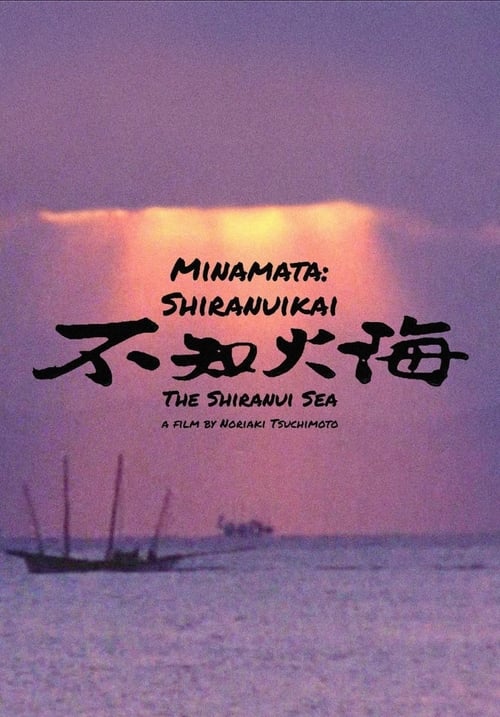
The sea around Minamata was heavily polluted with mercury during the 1950s and 1960s from the Chisso Corporation's chemical factory. This highly toxic chemical bioaccumulated in shellfish and fish in the Yatsushiro Sea which, when eaten by the local populace, gave rise to Minamata disease. The disease was responsible for the deaths and disabling of thousands of residents, all around the Yatsushiro Sea. The marine ecosystem was also extensively damaged.
The Shiranui Sea
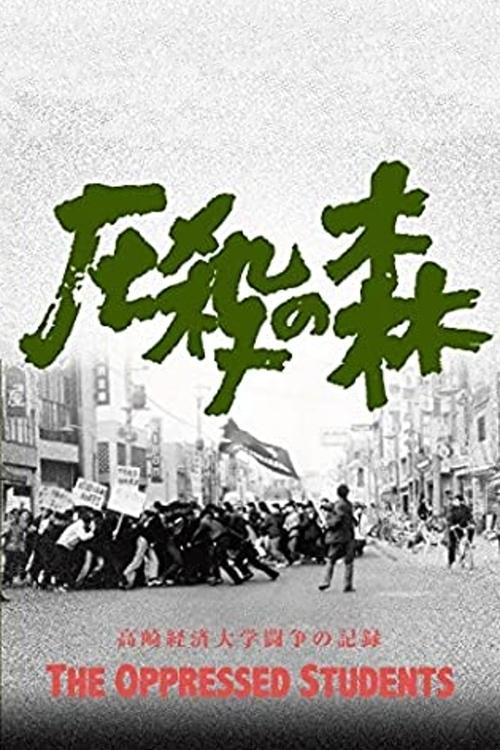
A galvanising documentary about the organised resistance of a group of students barricaded at the Takasaki City University of Economics. The university student struggles at the end of the 1960s in Japan were the culmination of over a decade of protests, social dissent and political unrest. All this gave energy to the student movement, which displayed original and sustained forms of organisation and resistance against the government and which would spread to universities all over the country. Together with the filmmakers of the recently formed collective Jieiso, Ogawa Shinsuke joined a group of students barricading themselves inside the Takasaki City University of Economics. Shot over the course of a year, this film documents the nature of the political discussion and organisation as well as the fierce debates going on among the students and their violent struggles with the authorities. Credit: ICA London
The Oppressed Students

A documentary portrait of Miho Shimao, widow of renowned Japanese writer Toshio Shimao.