Directing
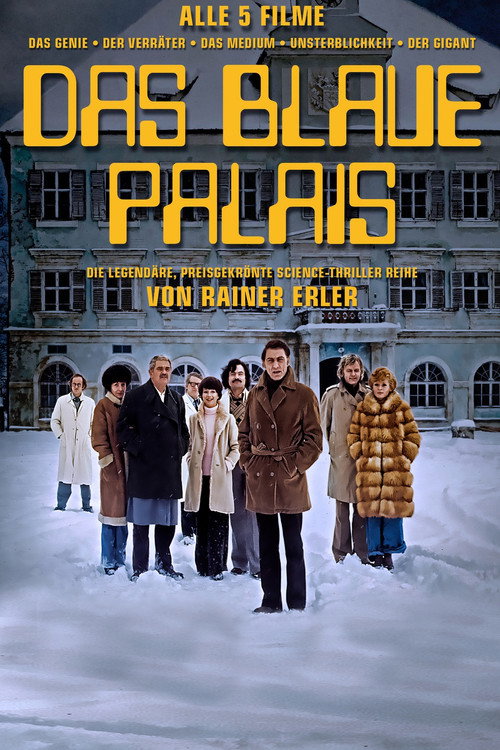
La série des Tatort, créé en 1970, est la plus ancienne et la plus appréciée des séries télévisées policières diffusées actuellement dans les pays germanophones. Au cours de l'année 2010, elle a été regardée chaque semaine par près de 8,5 millions de personnes en moyenne, d'après l'ARD.
Aucune description disponible.
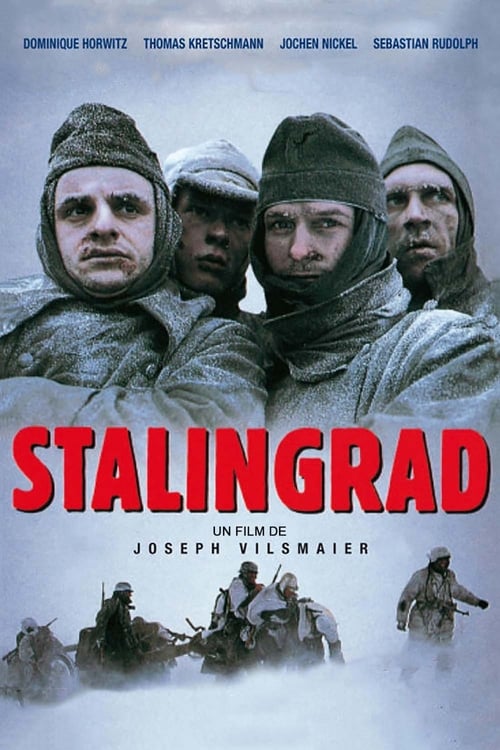
À la fin de l’année 1942, l’armée d’Hitler s’avance très loin en territoire soviétique. Son objectif principal est Stalingrad. Face à une résistance soviétique acharnée et victime d’un hiver terrible à laquelle elle n’était pas préparée, la VIᵉ armée subit de lourdes pertes. Pendant que Hitler clame victoire à la radio, ses hommes comprennent que la ville va devenir pour eux un enfer d’acier et de sang. Le film relate la bataille de Stalingrad, vue du côté allemand, en suivant le parcours au front du lieutenant Hans von Witzland et de ses hommes. L’histoire débute avec leur montée au front, puis les suit dans l’enfer des combats, où ayant perdu la moitié des hommes du peloton et après avoir été placé sous le commandement d’un capitaine sadique, le lieutenant mène ses hommes à travers les steppes gelées. Après leur encerclement par les forces soviétiques, le groupe ira des tentatives de rébellions en tentatives de désertion puis, enfin vers la mort.
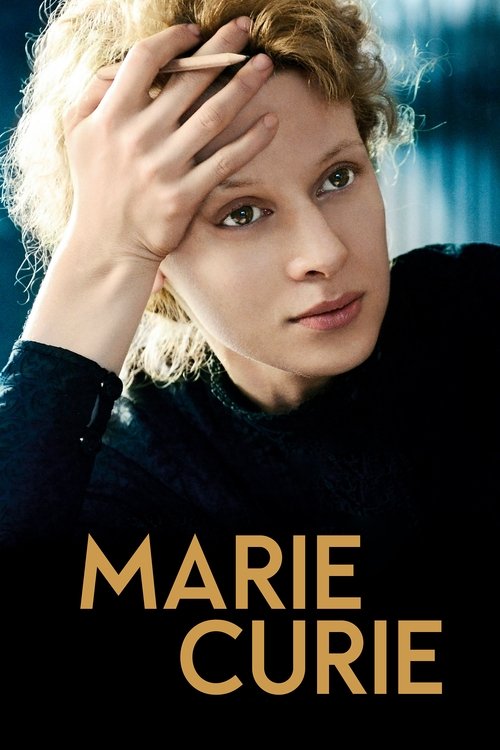
Physicienne-chimiste d’origine polonaise, Marie Skłodowska-Curie est une pionnière dans l’étude de la radioactivité. Elle travaille main dans la main avec son mari, Pierre Curie, pour développer la recherche scientifique. Dans ce milieu particulièrement masculin et conservateur, Marie doit lutter pour se faire une place...
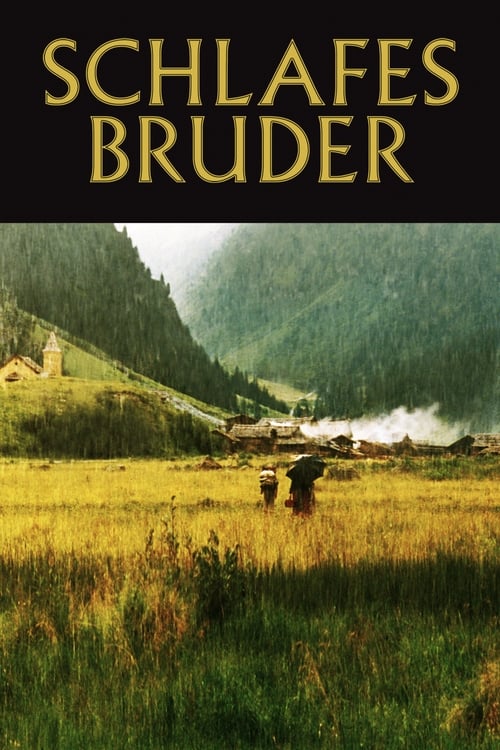
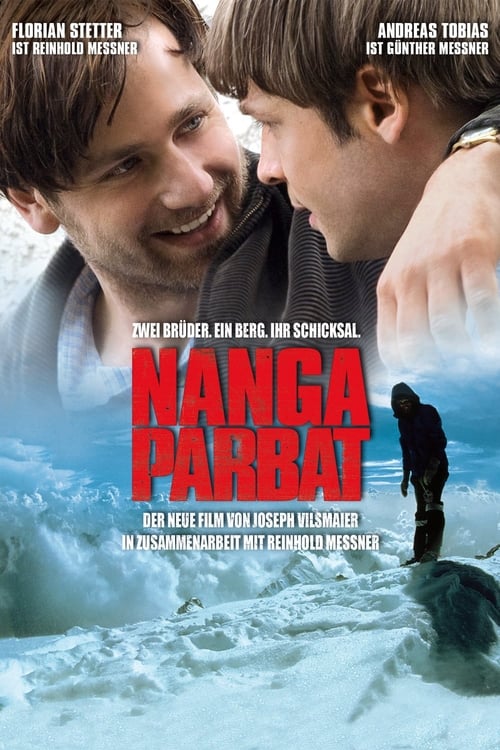
Les frères Messner, deux alpinistes italiens hors pair, participent en 1970 à l'ascension du Nanga Parbat, au Pakistan, l'un des plus hauts sommets du monde. Le mauvais temps et rivalités entre les deux frères vont leur rendre la tâche encore plus diffice. Pourtant, ils parviendront à atteindre leur but. C'est lors de la descente par l'autre versant que la situation va empirer...
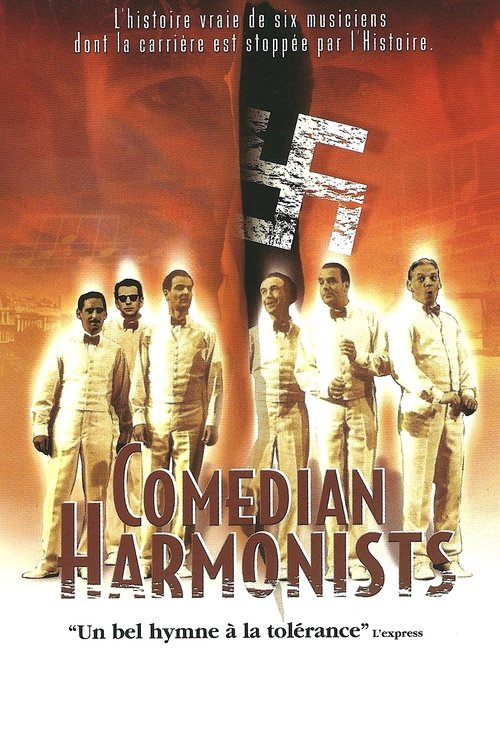
Allemagne, 1927, le parti nazi ne represente que 2,6% de voix. A Berlin, la vie culturelle est intense. Harry Frommermann, fils d'un chantre juif russe décédé, passionné de musique décide de créer un groupe. Il passe une annonce dans la presse locale. Le groupe est formé. Apres maintes altercations le style est trouvé: ce sera le swing. Nos musiciens vont connaitre le succes au point d'entamer une tournée en Amerique. De retour en Allemagne, le parti nazi gagne les elections. Frommermann et deux autres musiciens juifs du groupe sont interdits d'exercice.