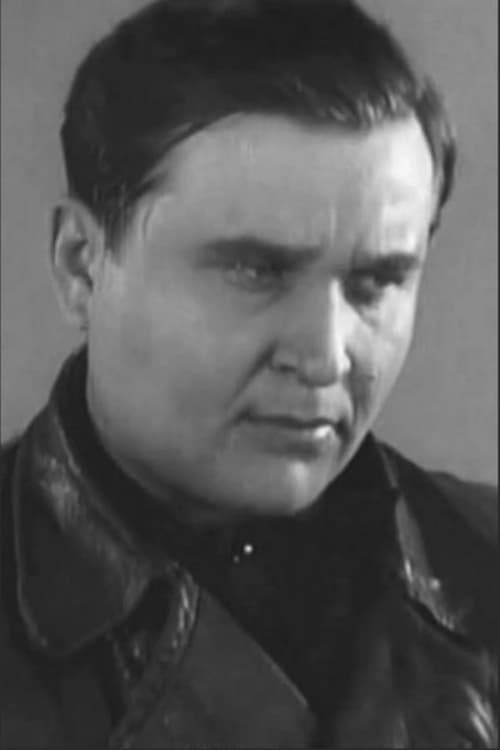
Aleksandr Timontayev
Acting
Known For
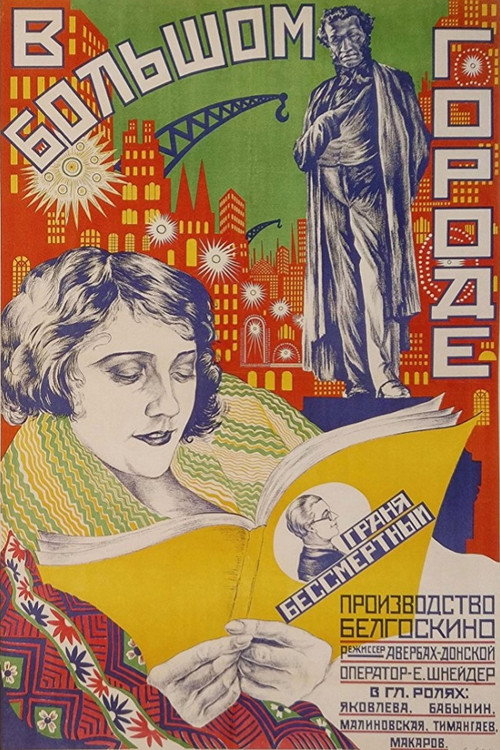
Two country boys move to Moscow. One becomes a construction worker who dreams of being an inventor, the other becomes a decadent poet.
In the Big City
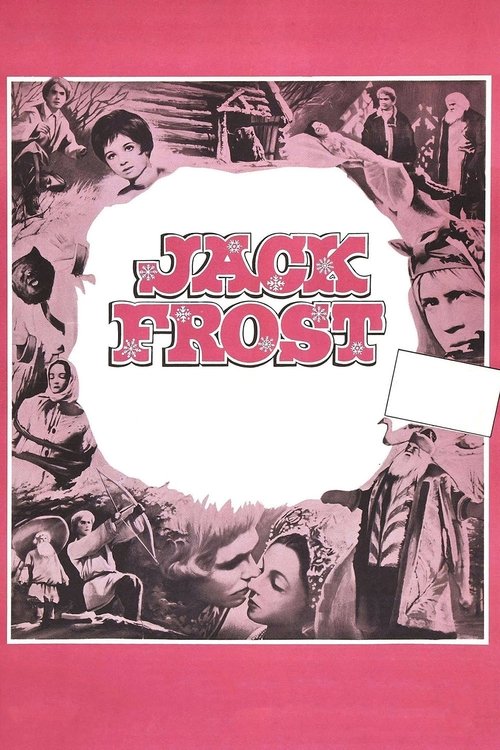
A fairy tale about a conceited young man and a young woman with a tyrannical step-mother, who must overcome magical trials in order to be together.
Father Frost
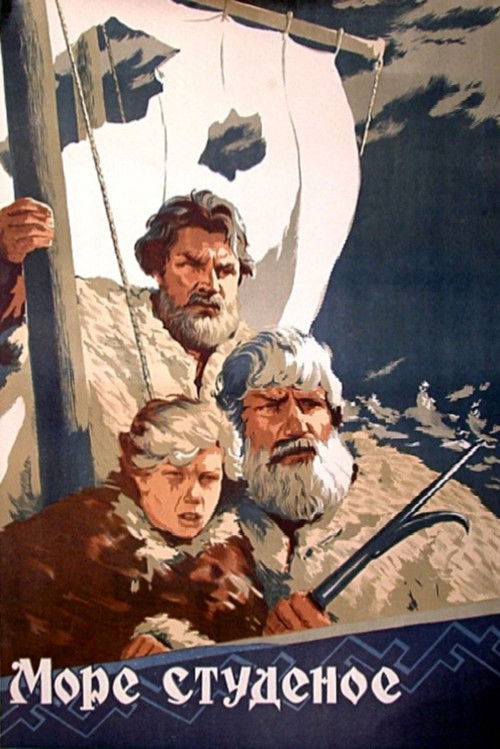
Several commercial fishermen were attacked by sea pirates and were forced to spend more than one year on a desert island. Many considered them dead - but almost all of them managed to survive ...
The Frigid Sea
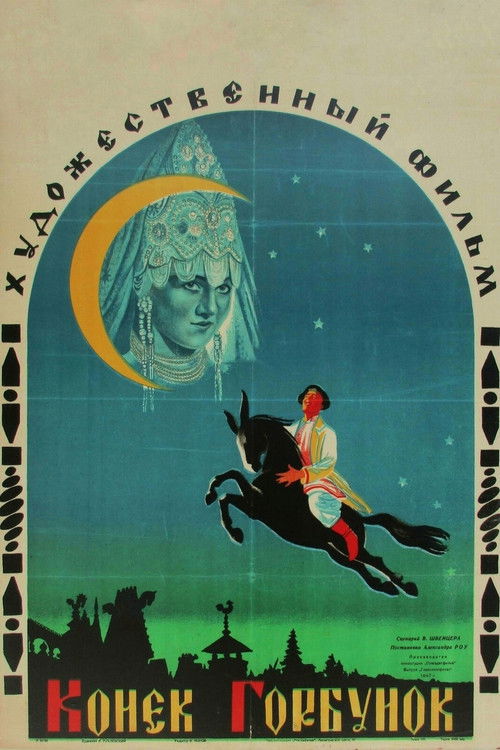
Surreal Soviet fantasy movie about a man whose love is kidnapped by the Tsar and he must save her with the help of a humpbacked horse.
The Humpbacked Horse

Working with children led Barskaya to create superb direct sound and an inspired style of shooting. Don’t look for conventional cinematic syntax here. The film is chaotic in the way that Soviet films still knew how to be, and Langlois couldn’t help but be seduced by its rebellious spirit, its anarchy and love of children, comparable to Vigo’s Zero de conduite. As well as being a film made with and for children, it offers a complex take on Western society. Pre-Nazi Germany is not named as such but is carefully reconstructed, possibly under advice from Karl Radek, and children offer a playful reflection of class struggle – doubly excluded, as proletarians and as minors. “They play in the same way that they live”, one intertitle says. The interaction between their comical games and the yet more ludicrous ones played by adults is developed on several levels.
Torn Boots
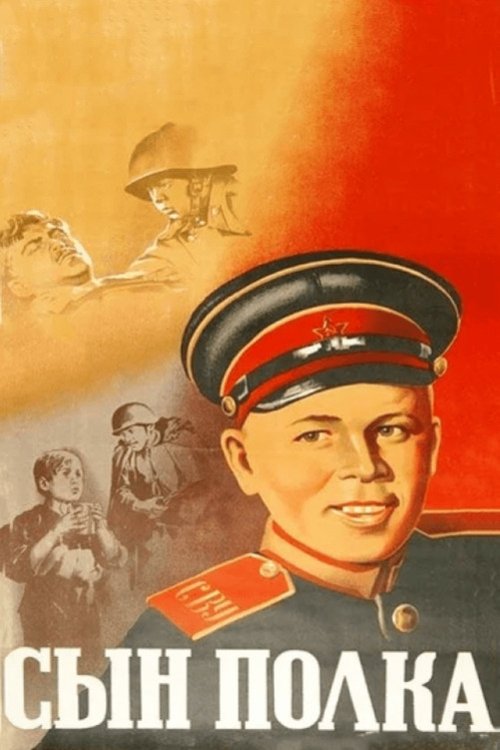
During the war years, russian soldiers pick up an orphaned boy. He refuses to go to the rear and becomes a scout, and then remains with the artillery battery. When the calculation of the battery dies in battle with the German tanks that have broken through, Vanya is sent to the Suvorov School, whose students participate in a military parade on Red Square.
Son of the Regiment
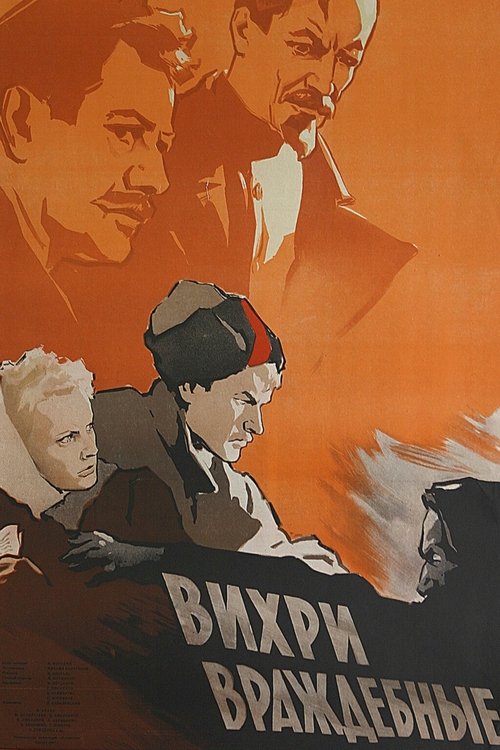
Observing the first years of the formation of Soviet power, about the life and work of Feliks Dzerzhinsky from 1918-1925; in July 1918, as a result of a revolt of the Left Socialist Revolutionaries, German ambassador Mirbach is killed. Feliks Dzerzhinsky alone goes to the headquarters of the Left Socialist Revolutionaries and Anarchists, he manages to persuade ordinary soldiers and sailors, participants in the rebellion, who are now cracking down on their leaders.
Hostile Whirlwinds
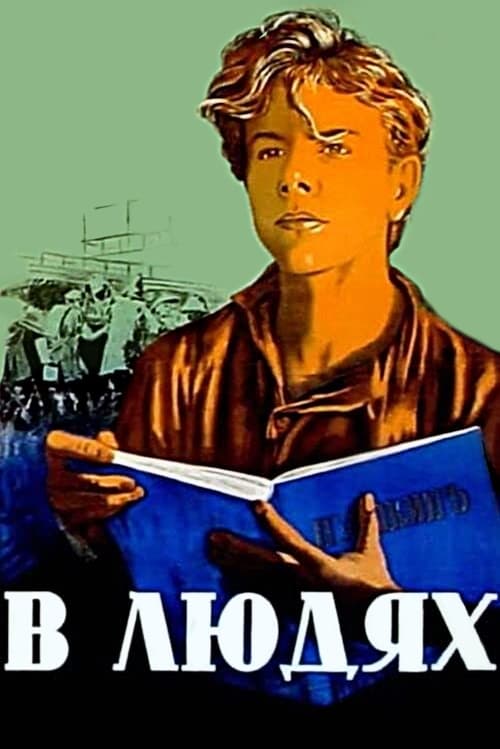
Second entry in Ukrainian director Mark Donskoy's "Maxim Gorki" trilogy. Picking up where 1938's My Childhood left off, the story covers the years in Gorki's life when the future writer (Alexei Lyarsky) was on his own, looking for a purpose and place in life.
My Apprenticeship

The fate of the powerless laborer Yodgor, who became an active builder of a new life in Soviet Tajikistan.
Dokhunda
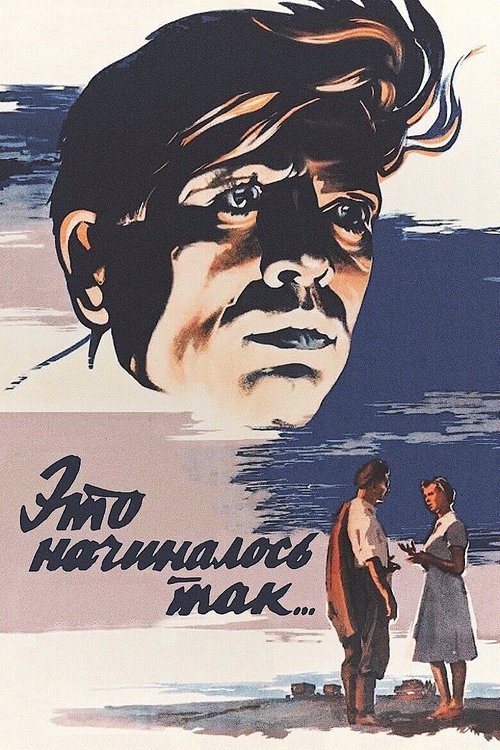
A Moscow group of Komsomol members arrives on the virgin lands, in the Kazakh steppes, and immediately faces bureaucracy and carelessness. Someone flees the state farm for more reliable earnings, and someone simply does not want to work. But a new energetic director appears — and real life begins...
It Began This Way...
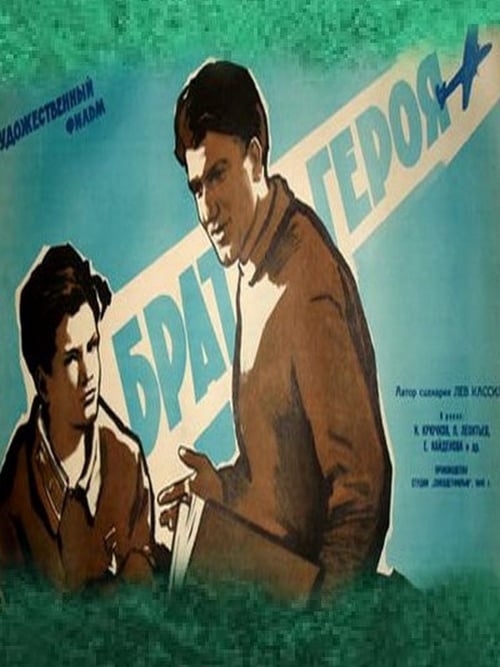
No description available.
Brother of a Hero
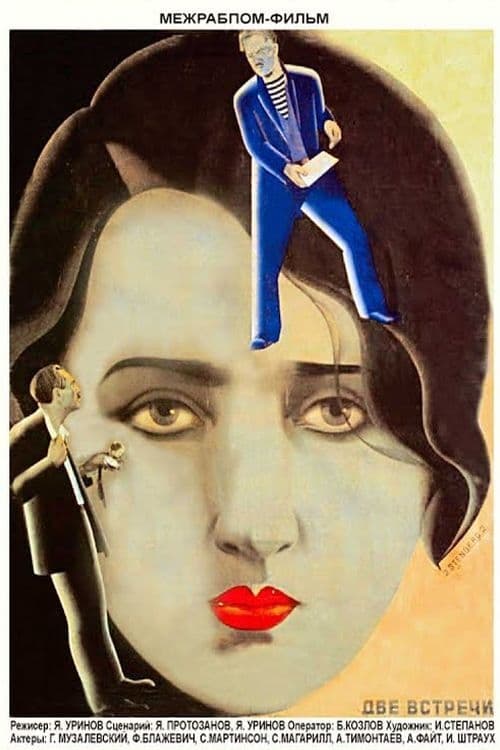
The secret police agent finds that factory director wife is counterrevolutionary but dies from the heart attack. The director reads the diary of an agent and turns his wife to police.
Diary of a Revolutionist
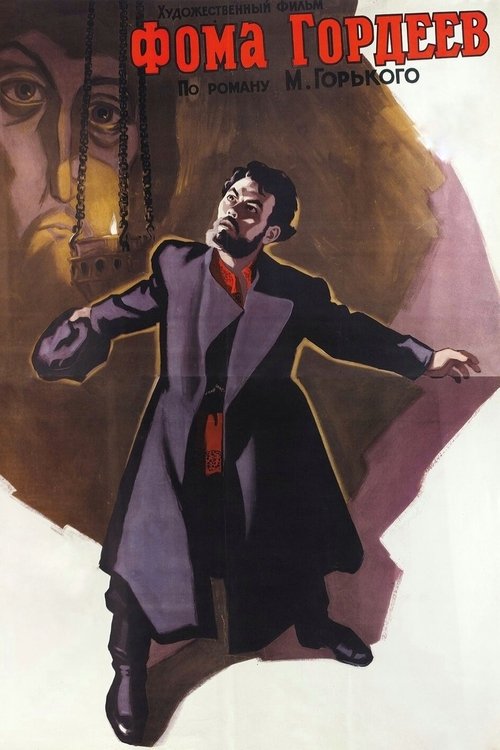
Foma Gordeyev, the son of a wealthy Volga merchant, doesn't want to continue his father's work. The mind is sickened by the dirt and injustice of life around him. Foma is seeking solace in a drunken rampage and wild antics. After many years of desolation, he is half-ill at the opening of a night shelter built with his father’s money.
Foma Gordeyev
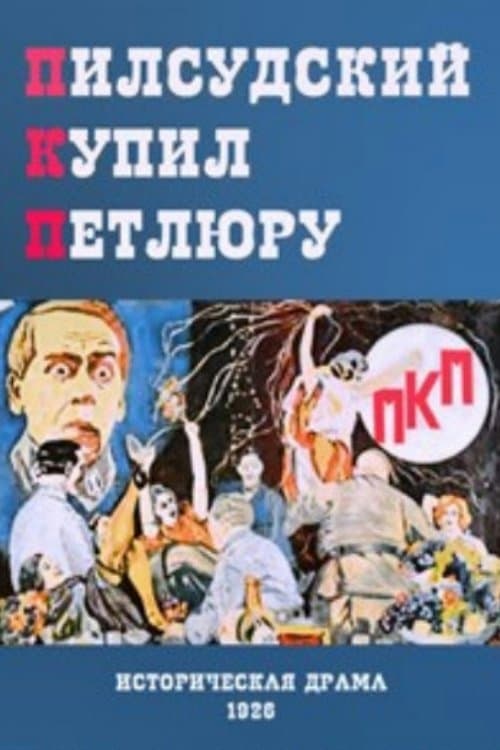
The defeated remnants of vile Ukrainian nationalists, headed by the leader of the Ukrainian liberation movement, Symon Petliura, cannot accept their historical fate and are plotting an insurrection against the Soviet regime in Ukraine. There is nothing Petliura and his cohorts would not do to win back control over Ukraine, including selling it to the highest bidder, in this case, the Polish dictator Jozef Pilsudski. A group of plotters are coordinating an insurrection in Kyiv with an attack from Poland headed by Petliura’s general Yurko Tiutiunnyk. Predictably, the invincible Red Army defeats the nationalist plotters and proves that the Soviet borders are impregnable.
P.K.P.
No description available.
Der Kampf
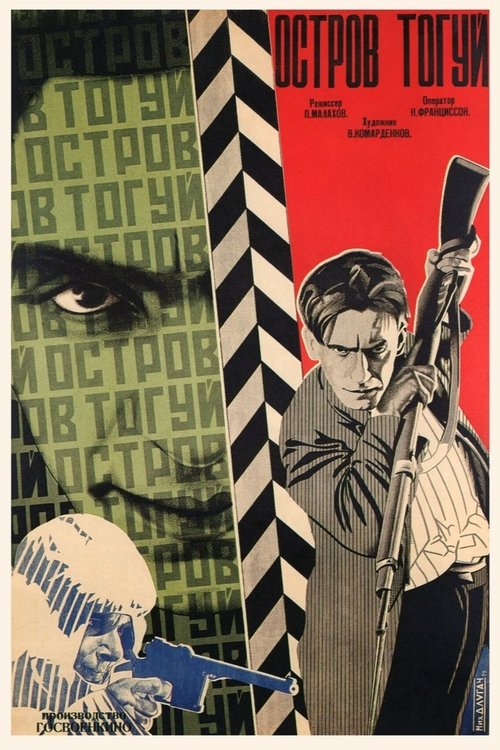
On the struggle of Soviet border guards against border violators. Lost movie.
Toguy Island
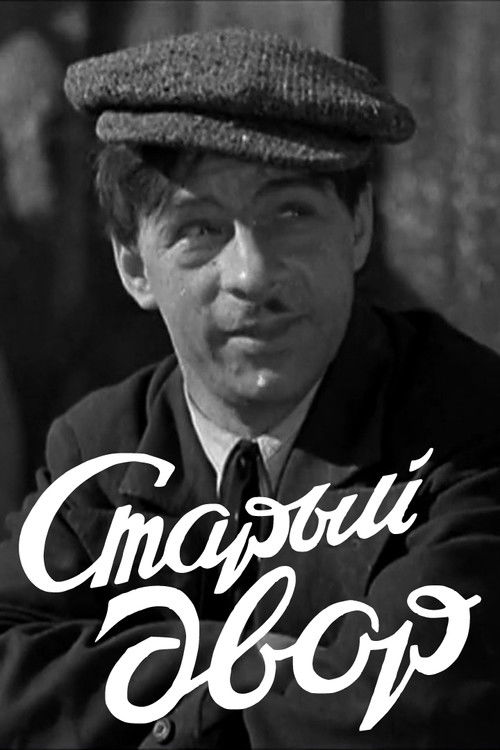
The house manager, Sinichkin, is obsessed with his plan to turn the courtyard into a place for cultured recreation. He devotes all his time and energy to thinking through and drafting projects. Meanwhile, the courtyard has been taken over by the neighborhood kids, who have turned it into a football field. The excitement spreads to the adults—and even to the thoughtful building manager himself…
The Old Courtyard
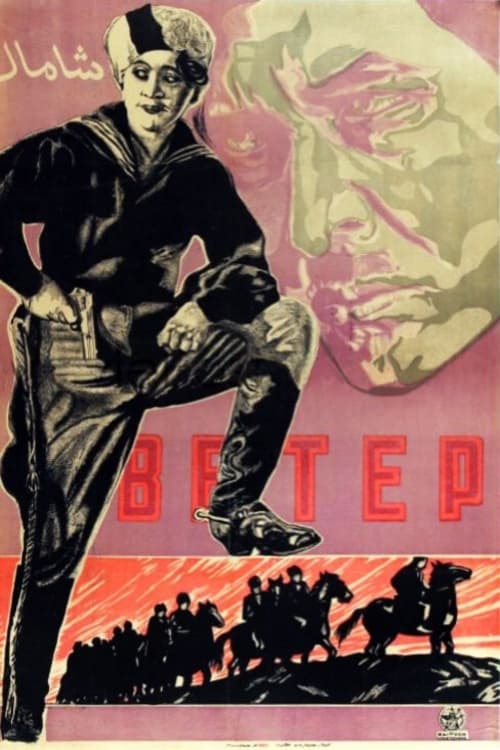
During the Civil War following the Bolshevik Revolution, a Red cavalry officer is warned by a staffer from headquarters about his dangerous attraction to the female leader of a band of Cossacks, a violent woman who is aroused by killing.
The Wind
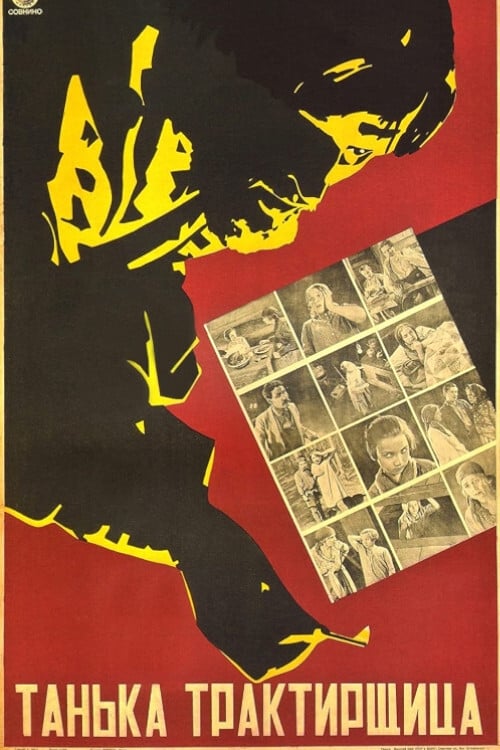
A little girl denounce her evil step-father who plotted against the communist movement. The film, under the influence of Russian formalism, has some interesting experimental compositions.
Tanka the Bar Girl
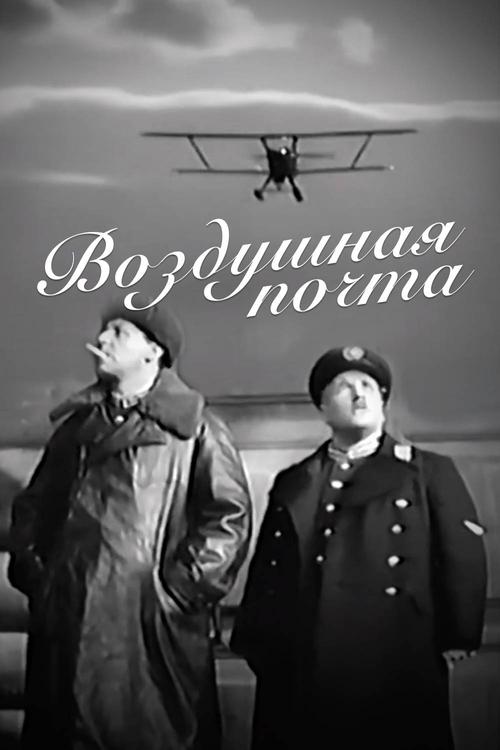
The medications need to be delivered to the settlement in the Far North. Pilot Nastya Koroleva, despite the storm, is planning to fly...