FEEL IT.STREAM
Václav Klaus

Václav Klaus

Acting

Biography

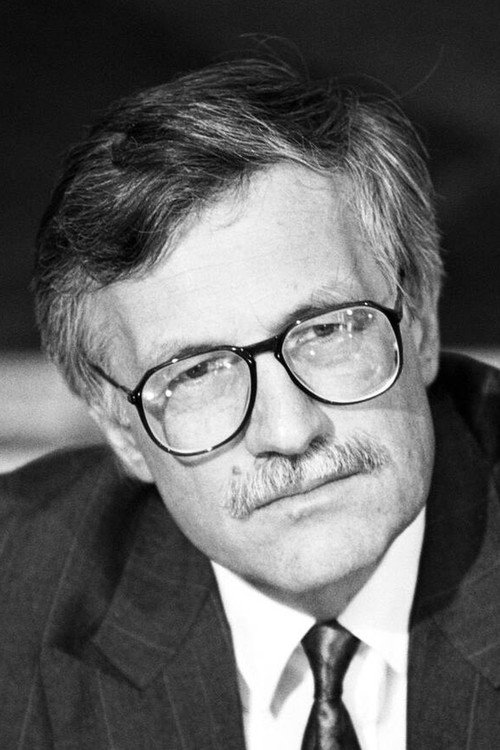
Václav Klaus (born 19 June 1941) is a Czech economist and politician who served as the second president of the Czech Republic from 2003 to 2013. From July 1992 until the dissolution of Czechoslovakia in January 1993, he served as the second and last prime minister of the Czech Republic while it was a federal subject of the Czech and Slovak Federative Republic, and then as the first prime minister of the newly independent Czech Republic from 1993 to 1998. During the Communist era, Klaus worked as a bank clerk and forecaster. After the fall of Communism in November 1989, he became the Minister of Finance in the "government of national unity". In 1991, Klaus was the principal co-founder of the Civic Democratic Party (ODS). He was prime minister from 1992 to 1998, and from January to February 1993 he held certain powers of the Presidency. His government fell in the autumn of 1997; after the elections in the spring of 1998, he became the president of the Chamber of Deputies (1998–2002). After ODS lost the parliamentary elections of 2002, he withdrew from politics briefly, before being elected President of the Czech Republic in February 2003. He was re-elected in 2008 for a second five-year term. His presidency was marked by many controversies over his strong opinions on issues ranging from global warming denial to Euroscepticism, and a wide-ranging amnesty declared in his last months of office, triggering his indictment by the Czech Senate on charges of high treason. Klaus left active politics after his second presidential term ended in March 2013 but continues to comment on domestic and foreign policy issues. He has expressed support for European far-right parties including Alternative for Germany, the Freedom Party of Austria, and Fidesz. His political views have been referred to as Klausism. Description above from the Wikipedia article Václav Klaus, licensed under CC-BY-SA, full list of contributors on Wikipedia.
Known For

No image
N/A

No description available.

Der Club

1985
No image
N/A

No description available.

Oog in Oog

2010
No image
8.0

From the behavior, discourse, and appearance of individual actors, Vachek composes, in the form of a mosaic, a broad and many-layered film-argument about Czechoslovak democracy in the period of its rebirth, all administered with the director’s ini­mitable point of view.

New Hyperion or Liberty, Equality, Brotherhood

1992
No image
N/A

No description available.

Třicet svobodných

2019
Mečiar: The Lust For Power
5.3

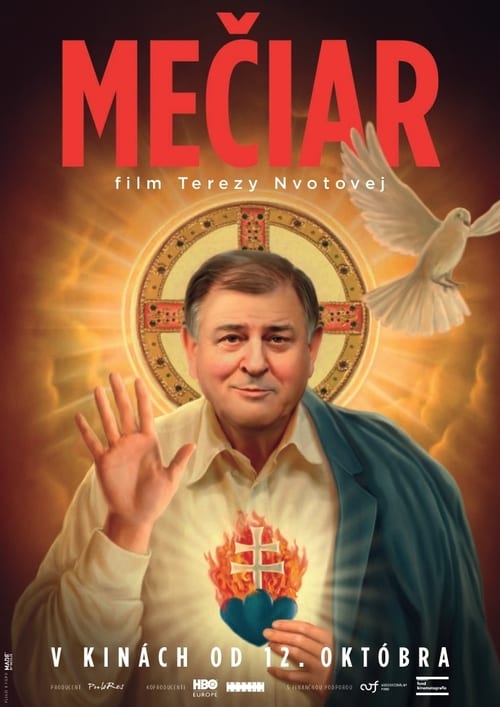
The film Mečiar is the confession of the young director Tereza Nvotová about Vladimír Mečiar and the influence that this politician had on Slovak society, but also on the life of Tereza herself. When the totalitarian communist regime fell in Czechoslovakia in 1989, Tereza was one year old. The leaders of the Gentle Revolution then decided to hold an audition for the Minister of the Interior, to which Vladimír Mečiar, an unknown business lawyer from the Slovak countryside at the time, applied. After success in bankruptcy, Vladimír Mečiar reaches the political top, from where he rules the country with a series of questionable practices. Against the background of events such as the division of Czechoslovakia or the kidnapping of the son of the president of the Slovak Republic, Tereza and her peers relive their childhood.

Mečiar: The Lust For Power

2017
No image
10.0

Quite a few years have passed since November 1989. Czechoslovakia has been divided up and, in the Czech Republic, Václav Klaus’s right-wing government is in power. Karel Vachek follows on from his film New Hyperion, thus continuing his series of comprehensive film documentaries in which he maps out Czech society and its real and imagined elites in his own unique way.

What Is to Be Done? A Journey from Prague to Ceský Krumlov, or How I Formed a New Government

1996
No image
N/A

No description available.

Zánik Československa v parlamentu

2024
Eye Over Prague
N/A

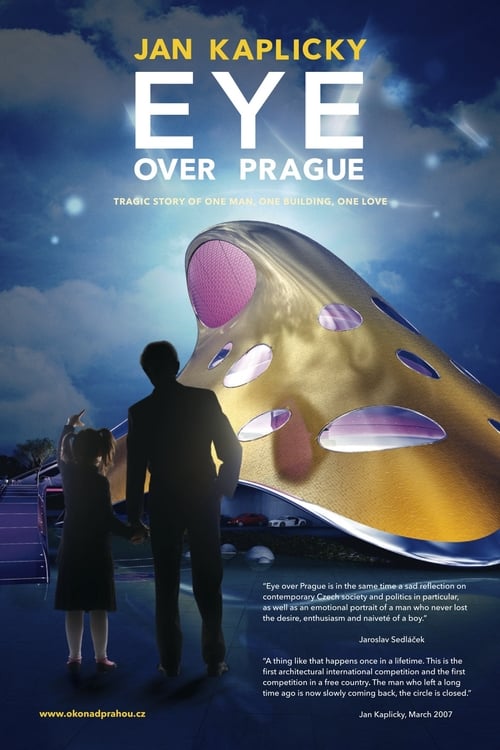
A personal and political biography of the Octopus, or the Prague National Library project, but also a biography of the last years of the life of the author of this design, Jan Kaplický, who wrote in his diary in 1998: to win the competition and have one love. With this entry, read by Eliška Kaplicky at the beginning of the film, it is as if the world-class Czech architect wrote not only the "script" for the final decade of his life, but also for a film that follows the dramatic social story of creative imagination and the intimate relationship between a man and a woman.

Eye Over Prague

2010