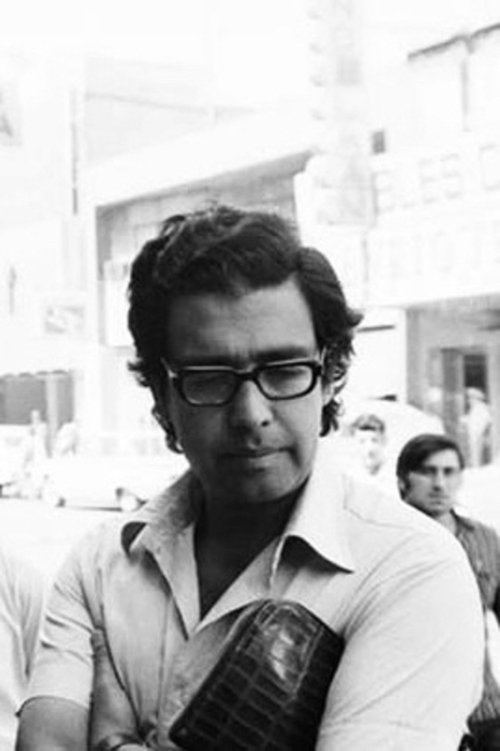
Carlos Flores Delpino
Directing
Biography
Born in Talcahuano in 1944. He studied Veterinary Medicine at the Austral University. He arrived in Santiago in the 60's where he studied Theater at the Pontificia Universidad Católica de Chile, and then Film at the Escuela de Artes de la Comunicación of the same University. In 1969, he interrupted his studies to work with Guillermo Cahn in the production company Tercer Mundo. There he made his first audiovisual works. He is scriptwriter in "Casa o Mierda" (1969), directed by Guillermo Cahn and Samuel Carvajal in photography. His first documentary as director is "Nütuayin Mapu" (1969). In 1970 he is hired by the Experimental Film Department. His first work was the production of the short film "No nos trancarán el paso" (1971), by Guillermo Cahn. Later he directed the first feature-length documentary produced entirely by the Film Department of the University of Chile, "Descomedidos y Chascones", which was not released on the planned date due to the military coup. During the dictatorship, Carlos Flores decided to stay in Chile and dedicated himself to advertising. In 1976, together with Guillermo Cahn, they became partners in the production company Foco Film, dedicated to advertising and documentaries. "Pepe Donoso" was his first documentary after the military coup, a visual document about the life of José Donoso, produced by Guillermo Cahn. For this film, he won the 1977 CINE UC Award and the 1977 Chilean Art Critics Circle Award. In 1979 he participated in the collective and clandestine production of the documentary short film "Recado de Chile", co-produced by Guillermo Cahn and the ICAIC of Cuba, about the activities that the Agrupación de Detenidos Desaparecidos carried out on Chilean soil. The work was never shown in Chile and was premiered in 1979 at the Lille International Short Film and Documentary Festival (it participated as the work of an "Anonymous Collective"). It was also presented at the First International Festival of New Cinema of Havana 1979; in both instances it won awards. At the end of the decade, Flores began the making of "The Chilean Charles Bronson" (1982). The film, produced by Guillermo Cahn, was recently screened at the 12th Buenos Aires Independent Film Festival BAFICI. His academic training includes Literature at the Department of Humanistic Studies at the University of Chile, a Diploma in Cultural Criticism at the Arcis University and a degree in Theory and History of Art at the University of Chile. He is a graduate in Theory and History of Art at the same university, whose thesis work was transformed into the book "Eccentrics and Cunning" (2007). In addition to his work at the Chilean Film School, he was Director of the Bachelor's Degree in Documentary Film at the Academy of Christian Humanism. In 2007 he made his last work to date, a co-direction with Miguel Angel Vidaurre called "Corazón Secreto", produced under the auspices of the Chilean Film School. In 2010 he left the Film School of Chile to join the Film and Television Career at the University of Chile, as Career Director.
Known For
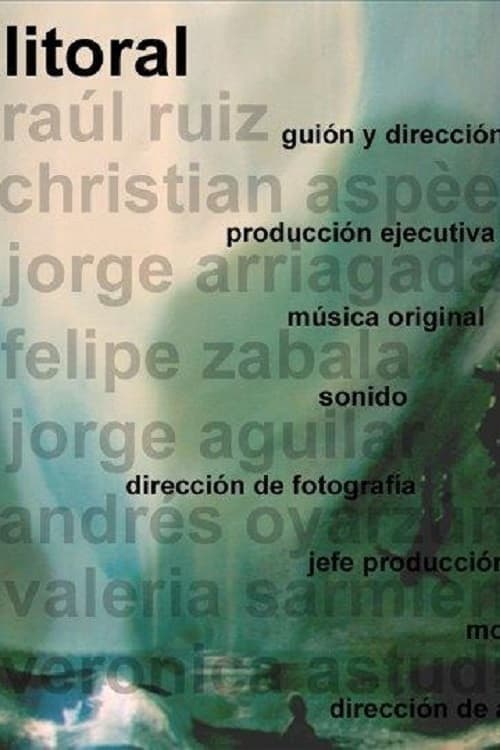
An ode to Chilean maritime myth and storytelling. Sailors onboard the Lucerna tell stories, but before long their stories intersect.
Litoral
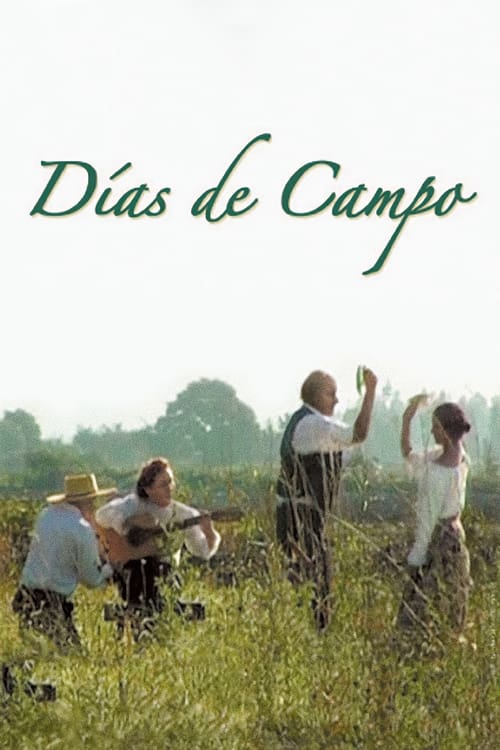
In a bar in Santiago, two old men talk over their past. This is a strange discussion. In fact, they talk of themselves as if they were dead. We don't know what is true or false, what is dream or reality.
Days in the Country
Sequences that illustrate moments in a woman's life, in parallel to the political events happening in South America during the 60's.
Ana
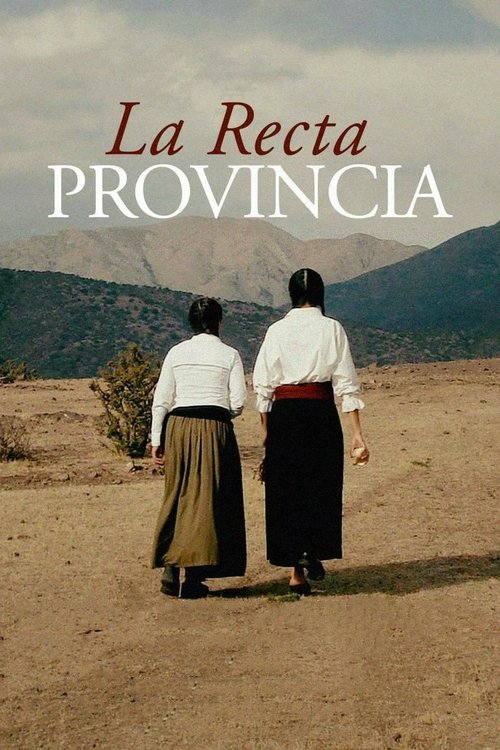
This was a man. He lived with his mother. He cared a manor house in the countryside of Chile. One day the man found a bone in the garden. The bone was bored. That was a bone flute. The man with the flute music play. And music song became. The voice of the song begging to seek the other bones of his scattered body. The man and his mother were in those ways of God and hell, looking for the bones that make up the skeleton of that Christian. And give him a Christian burial. And they saw what they saw, they lived what they lived. Many stories lived. And although they did not tell anyone, others told them.
La Recta Provincia
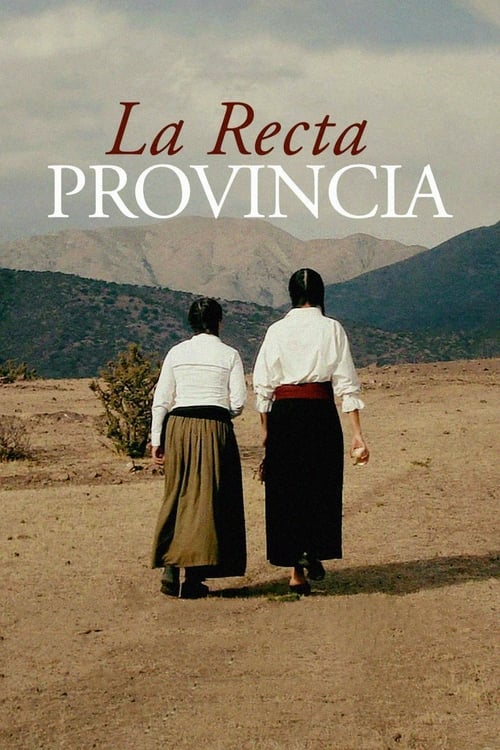
This was a man. He lived with his mother. He cared a manor house in the countryside of Chile. One day the man found a bone in the garden. The bone was bored. That was a bone flute. The man with the flute music play. And music song became. The voice of the song begging to seek the other bones of his scattered body. The man and his mother were in those ways of God and hell, looking for the bones that make up the skeleton of that Christian. And give him a Christian burial. And they saw what they saw, they lived what they lived. Many stories lived. And although they did not tell anyone, others told them.
La Recta Provincia
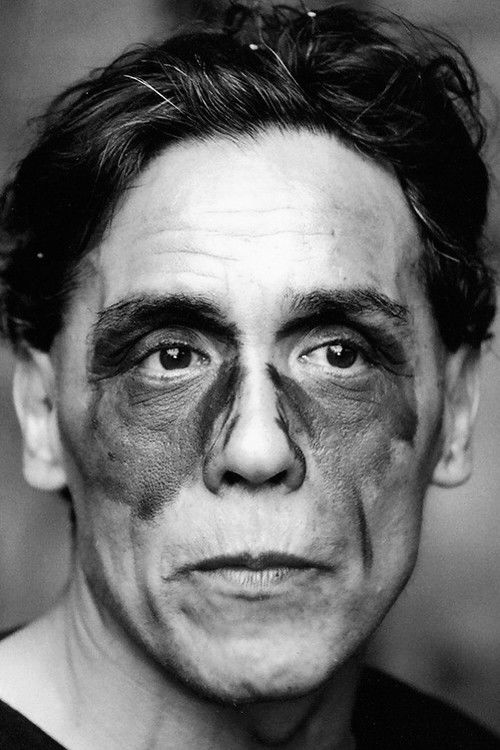
At the beginning of the summer of 1986, a group of actors and actresses directed by Andrés Pérez, put on the street the play “All these years” presented in front of the Cathedral of Santiago, the Bellavista neighborhood, the La Bandera district, the Parque O'Higgins, Plaza del Mulato and many other places in Santiago. Armed with megaphones, costumes, musical instruments, giant dolls, stilts and banners, they set up shop in different parts of the city where they raised scaffolding on which they climbed to summon the public to witness their show of singing, music, dancing and pantomime in the who told stories that quietly delved into the events of the last years of the military dictatorship at the end of the 1980s. 25 years passed, Andrés Pérez had died and the street actors became references in theater and television, when Flores returned to the eighties images to create this tribute documentary.
Street Theatre, My Captain
No description available.
Donoso por Donoso
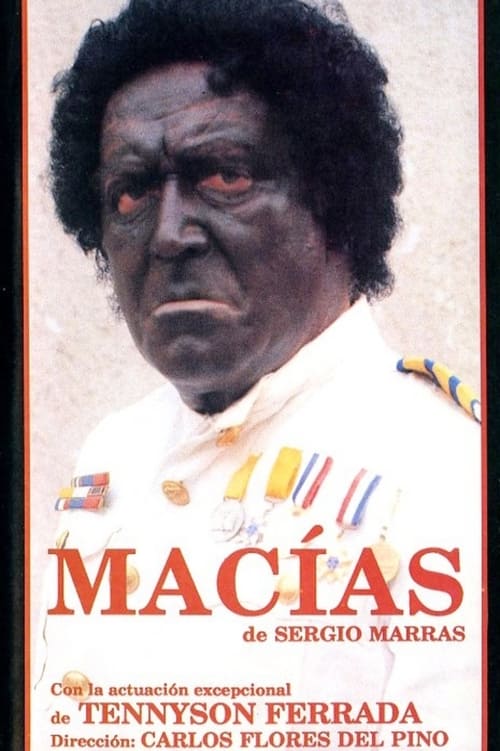
Video that records the play "Macías, general essay on power and glory" by Sergio Marras. Monologue in which an actor face the audience to give life to the role of Macías, a dictator of an imaginary country but who suffers from the “misunderstanding” of his detractors and enemies. A text full of profound observations about the despotic use of power. This video participated in the Fifth Franco-Chilean Video Art Meeting, Santiago de Chile, November 1985. U-matic Project
Macías, ensayo general sobre el poder y la gloria
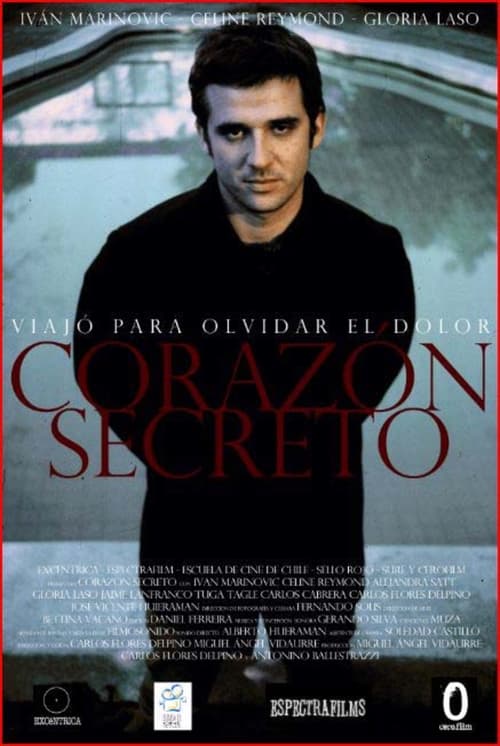
Iván returns to his apartment and finds his wife dead. He wraps her in a blanket, puts her in the suitcase of his car and begins a journey that, far from appeasing his pain, will introduce him to the horror of a blind and secret nightmare.
Secret Heart
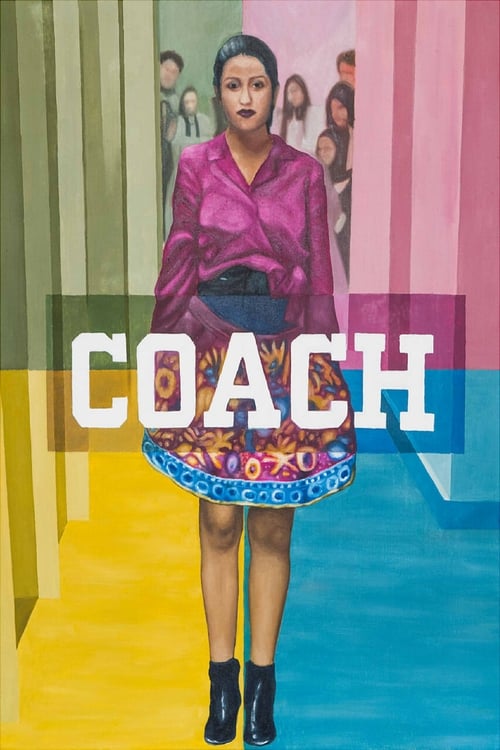
Marianne Ayala is the CEO of Groovefield International, an ontological coaching company. She's pregnant, and looking for someone to take her place. The chosen one is Marian Aguayo, a Peruvian cook whom will have to train in 5 days, so she can carry on with her legacy
Coach
Documentary about a Chilean Charles Bronson impersonator.
The Chilean Charles Bronson (Or Exactly Identical)
Mamá tells the story of a father and his sons, who go look for the mother who left them.
Mamá
The images from the landing of the first expedition of the spaceship Columbia are juxtaposed to a reflection on the function of the visual medium, and artistic creation as a whole.
El Estado soy Yo
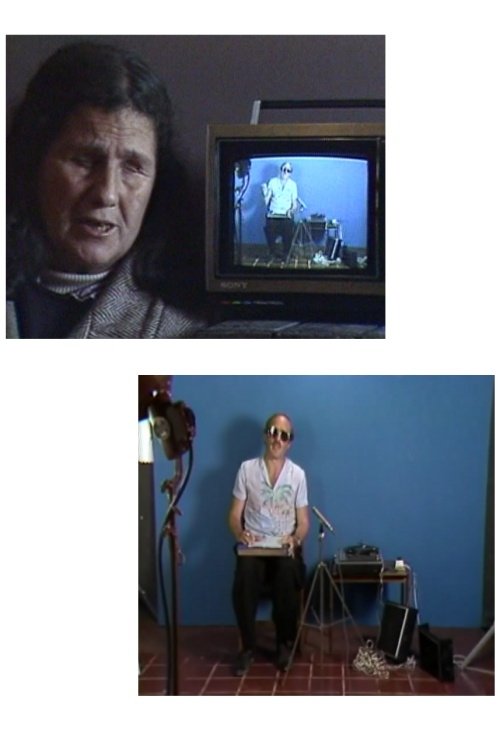
Exchange of nine video letters sent between New York and Santiago since 1982. Fragments that employ associations and reiterations to examine the influence of experience on the creative act.
Satellitenis
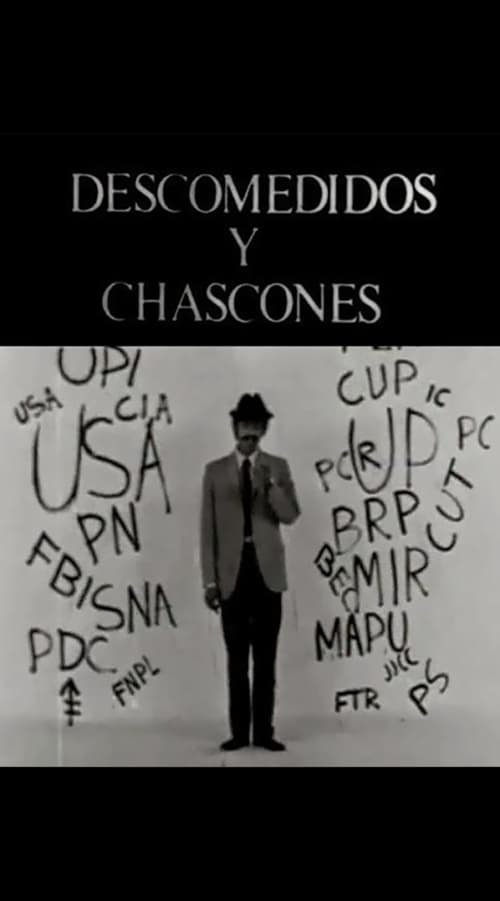
It portrays young people from different social and political classes, and collects their impressions of the context in which they live. The documentary offers a critical view of the youth of the Unidad Popular period, through an audiovisual essay.
Descomedidos y chascones
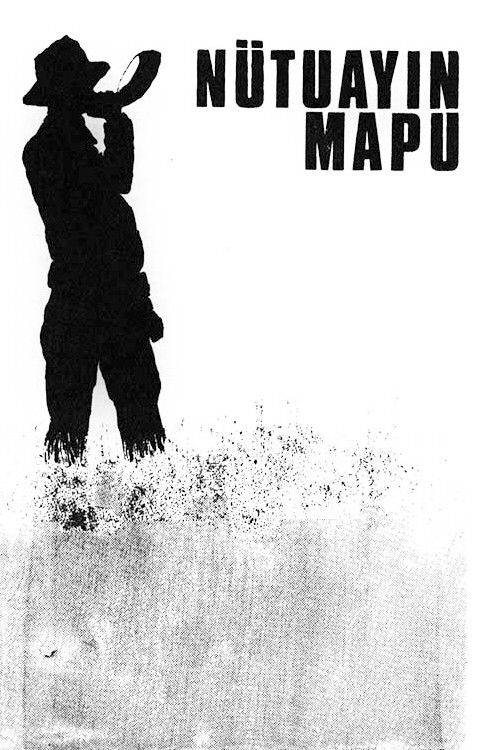
"Nütuayin Mapu", which in Mapuche language means "Let's recover our land", is a documentary about the Mapuche conflict and the struggle of the Revolutionary Peasant Movement and the inhabitants of Camp Lautaro, who in the face of the precarious Chilean legislation seek to recover the ancestral land that belongs to them through the displacement of fences and land seizure.
Nütuayin Mapu

A man spends the night at an hotel in an unnamed city in southern Chile. It's late and he finds himself unable to sleep. He's bored. He feels confused about what to do next. He wishes to eat and to urinate. He's sexually excited. The image of a naked woman appears on the TV screen.
Cinco hipótesis acerca de las turbulencias que pueden ocurrir una noche en una pieza de hotel
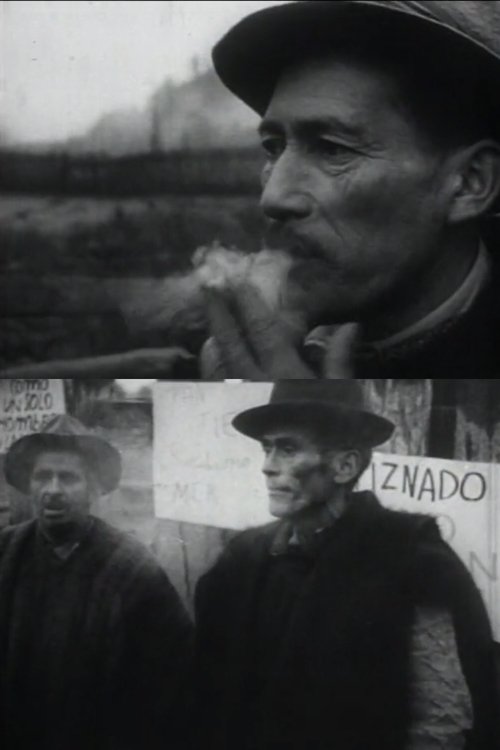
Overview of the forestry workers of Valdivia and Panguipulli. Their testimonies reveal the abuse to which they are subjected.
No nos Trancarán el Paso
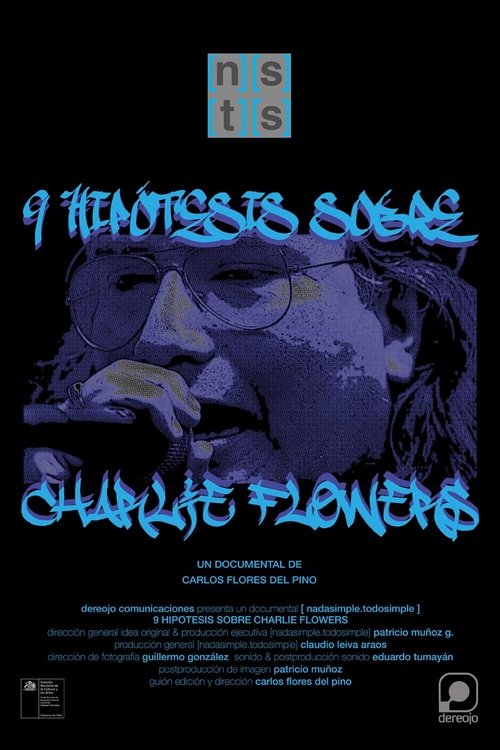
An encounter unites two people with the same name, different lives and a city in common, Talcahuano. Carlos Flores, director of the documentary, attests to a link with Charlie Flowers, writer and rapper, whose real name is also Carlos Flores.
Nine Hypotheses about Charlie Flowers
Through the juxtaposition of images, the documentary proposes to show the juxtaposition present in Chilean society and how it is capable of lamenting the coup d'état and a week later celebrating the Glories of the Army and the “18th”.