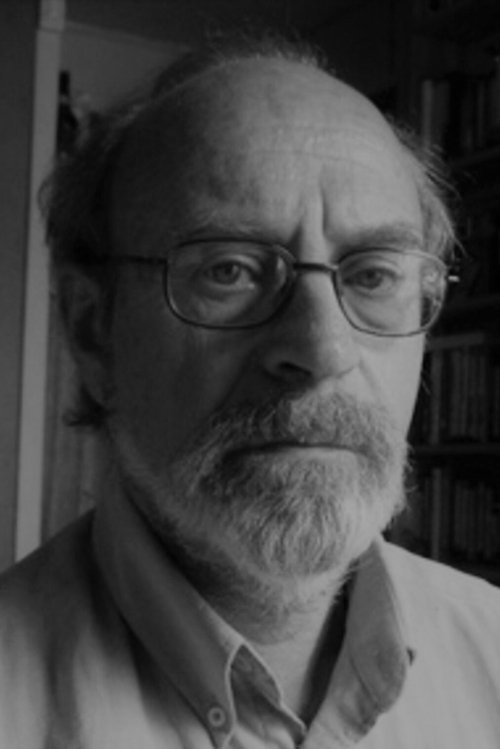
Pedro Chaskel
Editing
Biography
Pedro Chaskel, is one of the main precursors of the so-called New Chilean Cinema, as a director, cameraman and editor of numerous short and feature length films. An early emigrant from Germany at the age of seven, Chaskel became a Chilean national in 1952, and studied architecture at the Universidad de Chile from 1951 to 1954. That year, he became a founding member and animator of the Cine Club Universitario de la Federación de Estudiantes de Chile (FECH). A conspirator in the exhibition of films that did not come to Chile through the regular commercial circuit, Chaskel promoted, together with a group of contemplative people, a custom that was not very common in Chile: the cinema forum, or the debate organized after the film screenings that he did at the Central House of the Universidad de Chile. It was there that classics of German expressionism, Italian neo-realism and any film they had available were shown for the first time in Chile. In 1973, due to the military coup suffered by the government of President Salvador Allende, Chaskel is expelled from the Universidad de Chile by the military authorities, and travels abroad. Between 1974 and 1983 he settled in Cuba, where he worked as an editor at the Cuban Institute of Art and Cinematographic Industry (ICAIC), and since 1979, as a director and filmmaker for the same institute. In 1983, he returns to Chile. He works in film and video as an independent professional, working as an editor and director of documentaries. From 1997 to date, he has taught film at many Chilean universities.
Known For
Dramatic recreations from impressive testimonie that no one can explain yet. Exploring themes and paranormal events such as forces from beyond, ghosts, poltergeist, pyrokinesis, telekinesis, telepathy, among others.
¿Y... si fuera cierto?

The chronicle of the political tension in Chile in 1973 and of the violent counter revolution against the democratically elected government of Salvador Allende.
The Battle of Chile: Part I
Three stories rooted in violence, mental erosion and hopes that ran through Chile's soul.
Lizards' Tales

Chronicles the events immediately surrounding the CIA- supported coup itself.
The Battle of Chile: Part II
A documentary about the consequences of consuming alcohol and how it works as a weapon of the bourgeoisie to appease the thirst of the people.
Entre ponerle y no ponerle...
Two guerrillas (Miguel Littin and Jorge Guerra) wander lost in the desert until one of them dies. A jeep appears in the distance to rescue the survivor, but unable to read the signs of comradeship pointed out to him by the drivers of the vehicle, he shoots them.
El Analfabeto
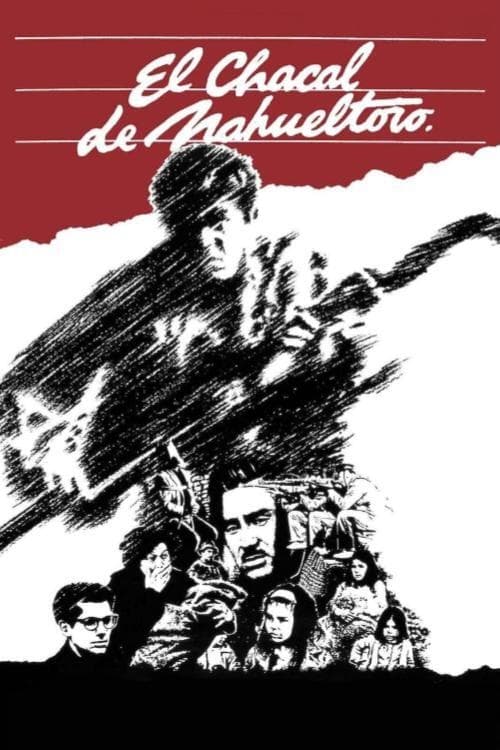
Based on an actual murder case that ignited a furious debate over the death penalty in Chile in 1960, this experimental social drama portrays the life and death of an illiterate peasant who, while drunk, murdered the woman with whom he had a relationship and her five children.
Jackal of Nahueltoro
Through the testimony of the victims of the Brazilian dictatorship, and the re-creation of the practices to which they were subjected, the torture suffered by the Brazilian political detainees in their country is denounced. Restored version.
It's Not Time to Cry
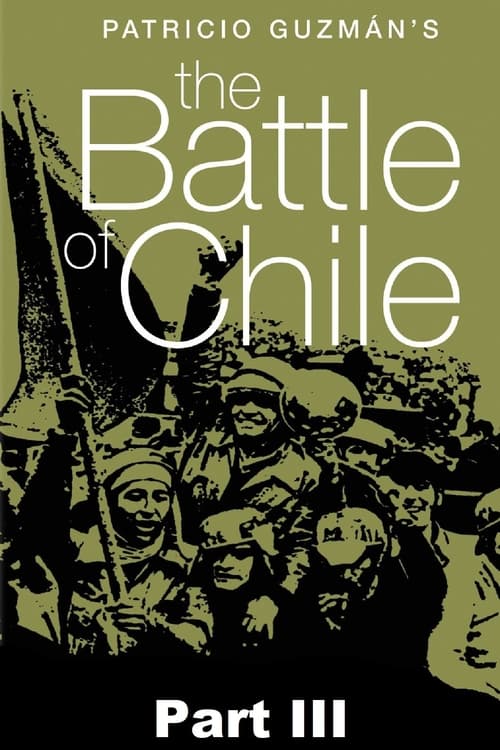
Guzmán’s final installment shifts from covering the actions of Allende’s opponents to those who battled to revive & promote their toppled leader’s vision for a new Chile.
The Battle of Chile: Part III
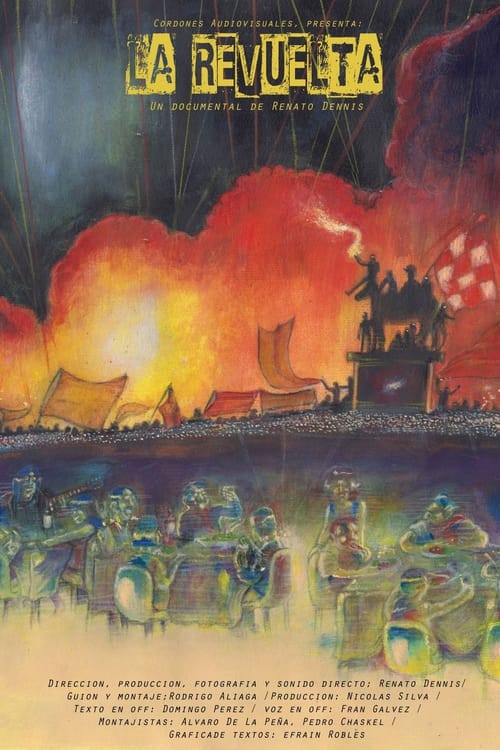
La Revuelta accounts for the tension experienced by those who, as of October 2019, came out to express their social discontent. The work has as its main stage, renamed by the people, as "Plaza de la Dignidad". It is a choral story, woven with the reflections of the protesters under the protection of the contextualization of a story in off that is unraveling the causes and effects of the outbreak. Thus, more than three years after the social demonstration, La Revuelta, is presented as a critical and contestative reflection, around the popular protest maintained by a people that took 30 years to awaken.
The Revolt

A Chilean-Cuban documentary film, by Chilean filmmaker Patricio Guzmán, in three parts: The Insurrection of the Bourgeoisie (La insurrección de la burguesía 1975), The Coup d'état (El golpe de estado; 1976) and Popular Power (El poder popular; 1979).
The Battle of Chile: The Struggle of an Unarmed People
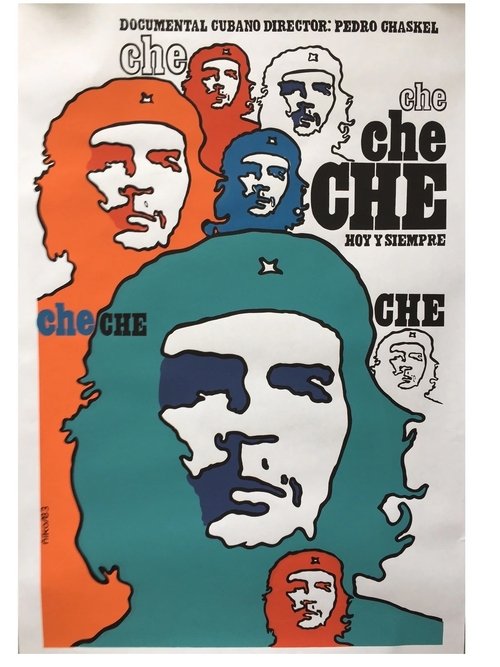
A sound system plays Commander Ernesto Guevara's speech, delivered on October 20, 1962, during the Second Anniversary of the Young Communist League, along with a series of archival images of the revolutionary leader visiting factories and meeting with workers.
Che, Today and Always

No description available.
Valdivia 1960, El Gran Terremoto
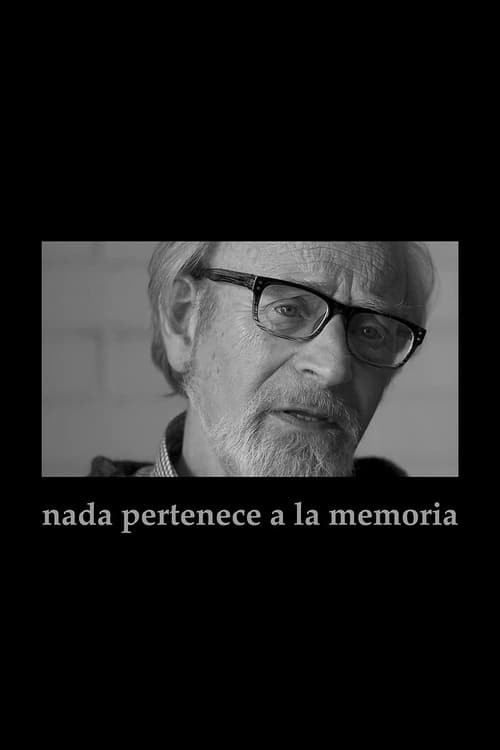
Pedro Chaskel, director, editor and post-producer. Based on domestic memories, and accompanied by representative fragments,tries to reconstruct the most important works of his career and motivations.
Nada pertenece a la memoria
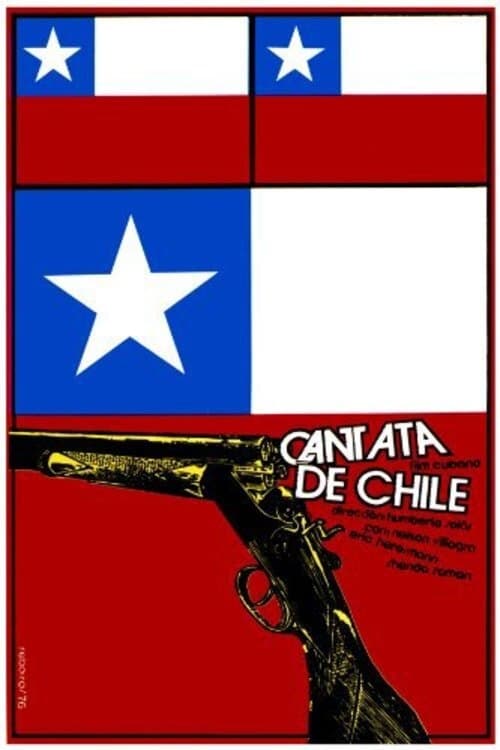
The story of the Santa María School massacre of miners in 1907.
Cantata de Chile
No description available.
Por la vida
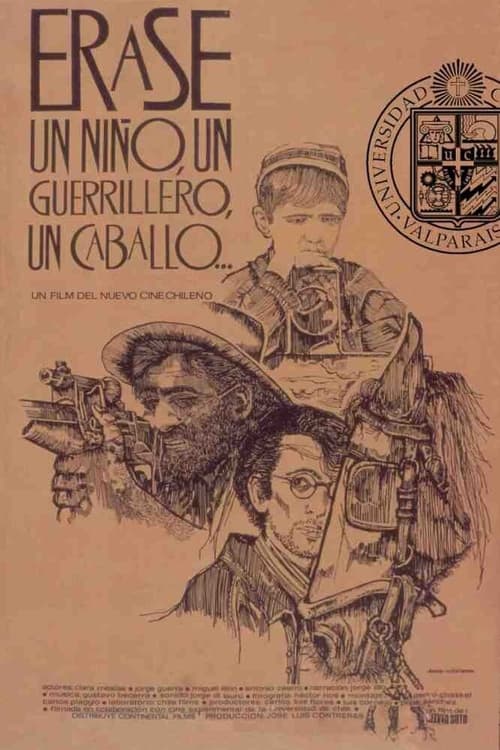
Feature film that wraps, through Jorge Lillo's text, three short films by Helvio Soto
Érase un niño, un guerrillero, un caballo…
A boy goes to his friend's funeral procession. When he realizes that his grave does not have flowers like the others, and that he does not have money to buy them, he goes out looking for some in the streets of Santiago.
Yo tenía un camarada
Documentary about the iconic portrait of Ernesto 'Che' Guevara by Cuban photographer Alberto Diaz Gutiérrez (known as 'Korda').
Una foto recorre el mundo
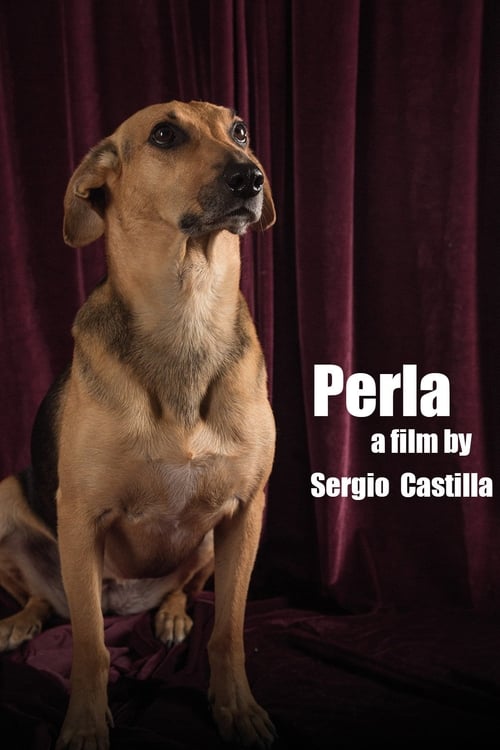
A female mutt called "Perla" (Pearl) is abandoned by her owner on the top of the San Cristobal hill, in the capital city of Santiago, Chile. Without knowing what to do, soon Perla is part of the huge amount of street city dogs. Until the day she meets Samuel, a troubled man, and they both start the way of mutual recovery.