Peter Kinoy
Editing
Biography
Peter Kinoy is an American documentary filmmaker and film editor, best known for his contributions to social and political documentaries. He co-founded Skylight, a human rights media organization, with his partner, Gilda Sheppard. Kinoy’s work spans a wide range of impactful subjects, and he has received numerous accolades, including multiple Emmy nominations and a win for When the Mountains Tremble (1984). His films have focused on issues such as human rights, justice, and social movements, leaving a lasting imprint on the documentary field.
Known For
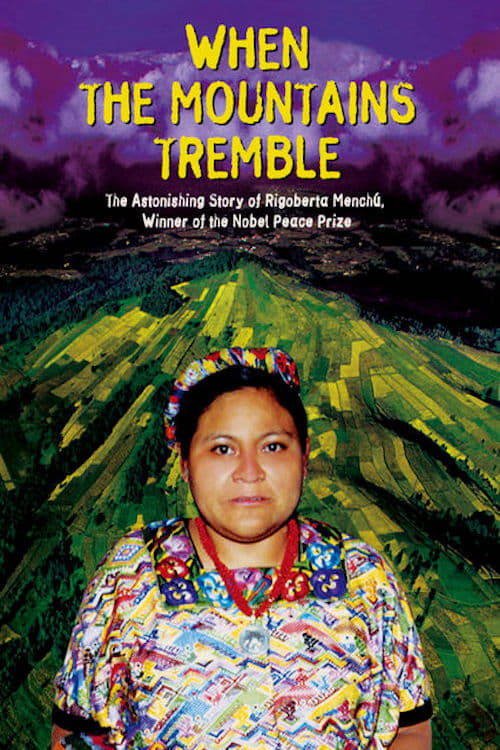
A documentary on the war between the Guatemalan military and the Mayan population, with first hand accounts by Nobel Peace Prize winner Rigoberta Menchú.
When the Mountains Tremble
A powerful set of stories of “righteous persons” taking action along the U.S.-Mexico border, motivated by moral conviction and compassion. "Borderland" shows how courageous actions can lead to political mobilization and the defense of human rights in the face of hate and discrimination.
Borderland

From a historic genocide trial to the overthrow of a president, the sweeping story of mounting resistance played out in Guatemala’s recent history is told through the actions and perspectives of the majority indigenous Mayan population, who now stand poised to reimagine their society.
500 Years
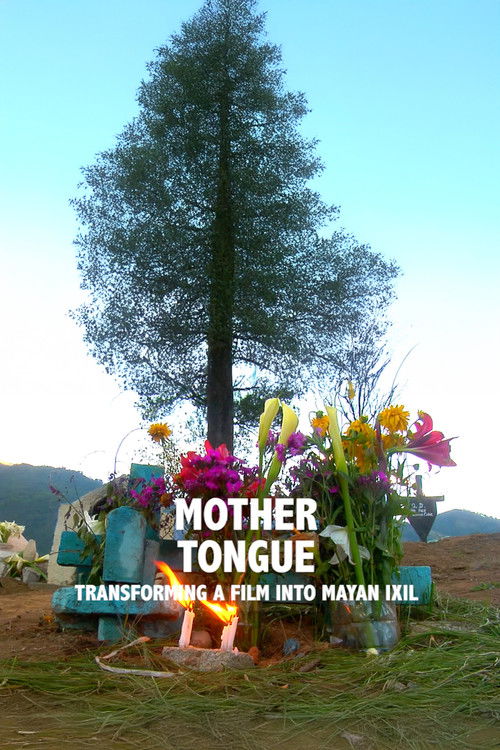
"Mother Tongue" chronicles the first time a documentary film about Guatemalan genocide in Guatemala was translated and dubbed into Maya-Ixil—5.5% of whom were killed during the armed conflict in the 1980s. Told from the perspective of Matilde Terraza, an emerging Ixil leader and the translation project’s coordinator, "Mother Tongue" illuminates the Ixil community’s ongoing work to preserve collective memory.
Mother Tongue
Documentary on the mass sterilization of Puerto Rican women during the 1950s and '60s.
La operación
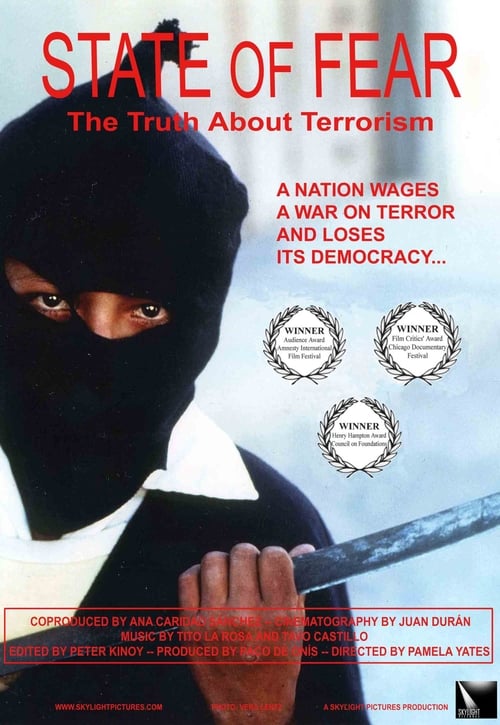
STATE OF FEAR takes place in Peru, yet serves as a cautionary tale for a world engaged in a "global war on terror." It dramatizes the human and societal costs a democracy faces when it embarks on a "war" against terror, a "war" potentially without end, all too easily exploited by unscrupulous leaders seeking personal political gain.
State of Fear
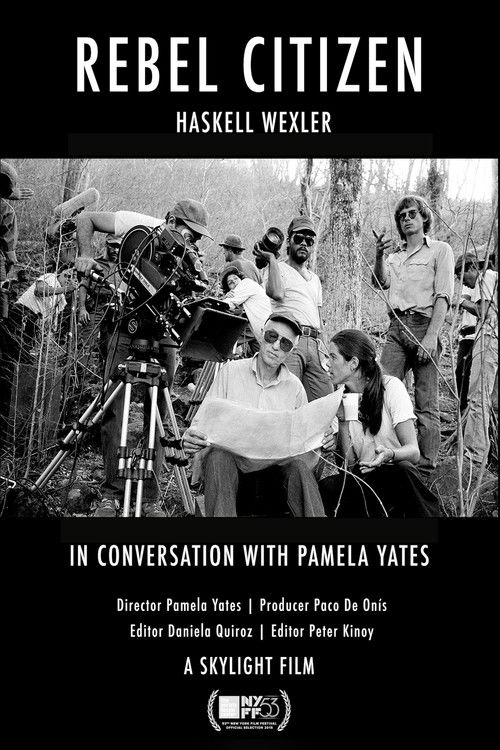
What began as a video master class evolved into a film about the political documentaries of Oscar-winning cinematographer Haskell Wexler. Comprised of footage from his films as well as interviews, the film is an intimate portrait of the genius behind the camera.
Rebel Citizen
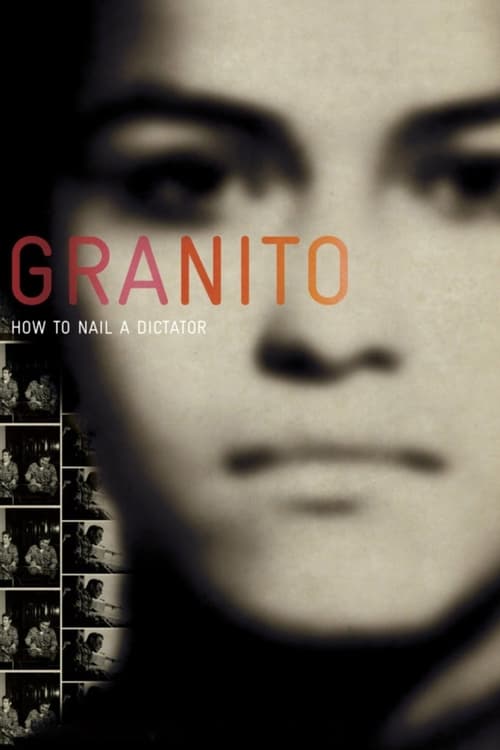
A story of destinies joined by Guatemala's past, and how a documentary film intertwined with a nation's turbulent history emerges as an active player in the present.
Granito: How to Nail a Dictator
Is our food bought at the price of famine in the developing world? Is agribusiness more interested in producing profits than producing food? This PBS independent documentary investigates U.S. and European agribusiness in the Third World. Filmed on five continents, it takes a close look at agribusiness, which is turning the world's food supply into a global supermarket, buying food at the lowest prices-regardless of small farmers and local populations-and selling it at the highest price and the greatest profit whenever possible.
Hungry for Profit
A history of America’s Cold War, beginning in 1945, and evoking the cultural milieu in which the significant political events of that era emerged.
Are We Winning, Mommy? America and the Cold War

Join Kyle Petty and the new Hot Wheels Racing team for the ultimate racing adventure. Find out what it takes to create a car and team worthy of the Daytona 500. With only 60 days until the Super Bowl of stock car racing, the race is on for the team to transform frame rails and roll cages into the Hot Wheels #44 racing machine.
The Race to Daytona
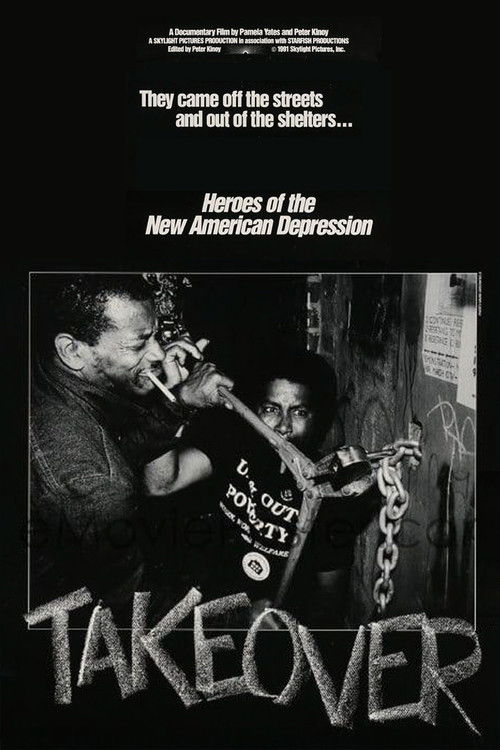
Filmed across eight U.S. cities on May 1, 1990, the documentary follows homeless activists who simultaneously occupy vacant federally owned houses to protest the lack of affordable housing. Organized with the National Union of the Homeless, the coordinated action challenges government housing policies while documenting the movement from the participants’ perspective.