Acting
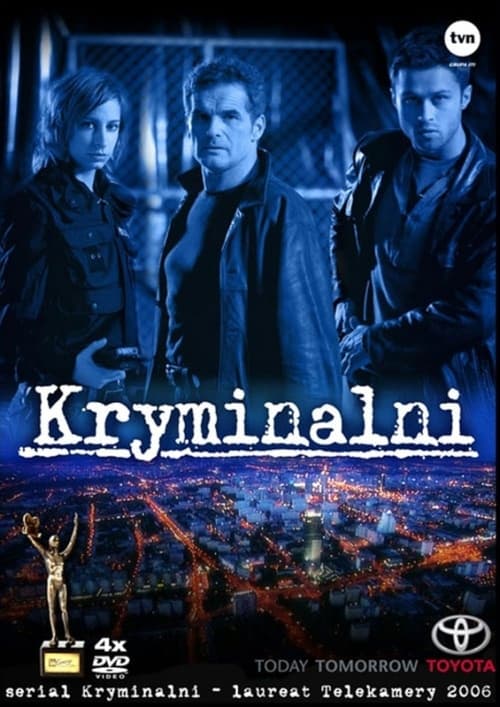
Kryminalni was a Polish crime drama television series that aired on TVN network from September 18, 2004 until May 24, 2008. It ran for 8 seasons and 101 episodes were broadcast in total. It was created by Polish director and screenwriter Piotr Wereśniak and produced by MTL Maxfilm studio. The series followed life and work of police officers from the elite Criminal Terror and Murders Division of the Warsaw Metropolitan Police; the title refers to police officers in the crime section. The three main characters were Adam Zawada, an experienced, tough cup, his younger colleague Marek Brodecki and Barbara Storosz, an ambitious female officer who in the first season joins the team just after graduating. Although none of the main actors had had star status before the series debuted, all three of them rose to prominence and popularity during the 5-year-long run. Many of Poland's best known actors guest starred, usually playing roles of people involved in just one particular investigation. The serial was one of the most popular in Poland: each week it had an audience of 4 million.
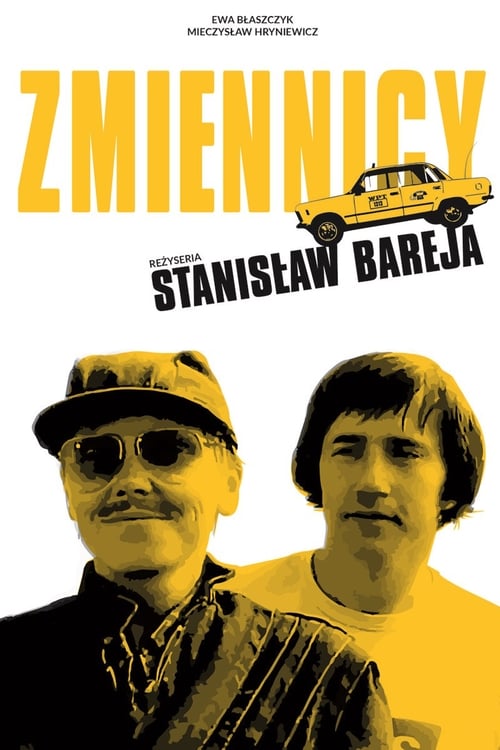
"Zmiennicy" is a grotesque comedy of absurdity and reality that masterfully blends slapstick, satire, and surrealism to expose the absurdities of life under communist rule in the People's Republic of Poland (PRL). The story follows Jacek Żytkiewicz, a taxi driver in Warsaw, and his mysterious new shift partner, Katarzyna Piórecka, who disguises herself as a man to get the job. The series is a comedy of the grotesque, filled with exaggerated characters, nonsensical bureaucracy, and surreal plot twists. It mocks the inefficiencies and contradictions of PRL institutions—from corrupt officials and inept police to bizarre workplace dynamics and social hypocrisy. Underneath the absurdity lies a thriller-like subplot: a drug trafficking operation smuggling heroin from Thailand to West Germany. This storyline, featuring shady sports officials, a Thai student, and a crooked firefighter, adds a layer of intrigue reminiscent of American crime dramas.
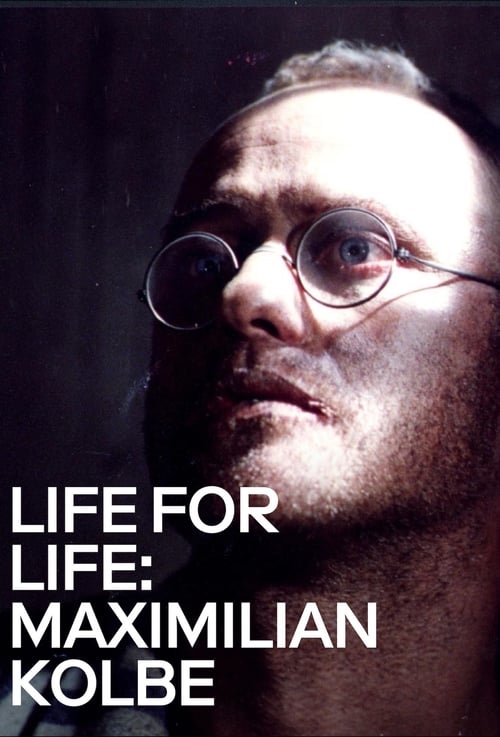
The story of catholic saint Maximilian Kolbe (1894-1941), who volunteered to die in place of a stranger in the Nazi concentration camp of Auschwitz.
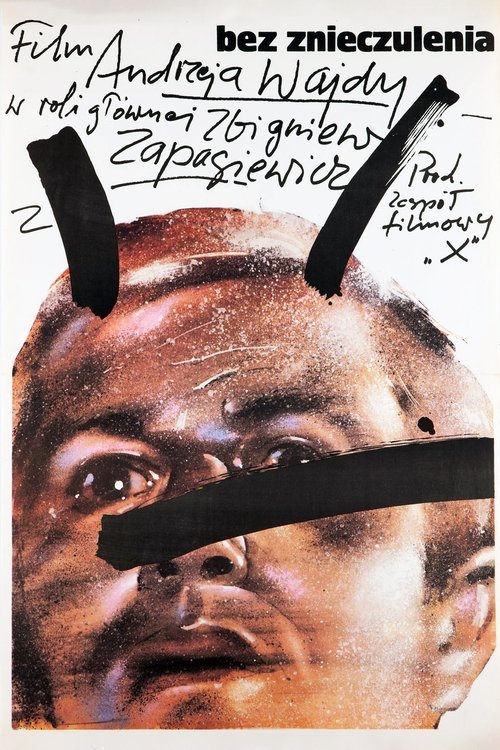
Jerzy Stuhr plays a high school teacher with a sensitive outlook on life and a soft spot for students who like art and literature as passionately as he does. His adversary is a possessed sports instructor, gaining growing control over the students and authorities. His methods are questionable and his influence dangerous, but the handball team's prospects look good and the school needs success...
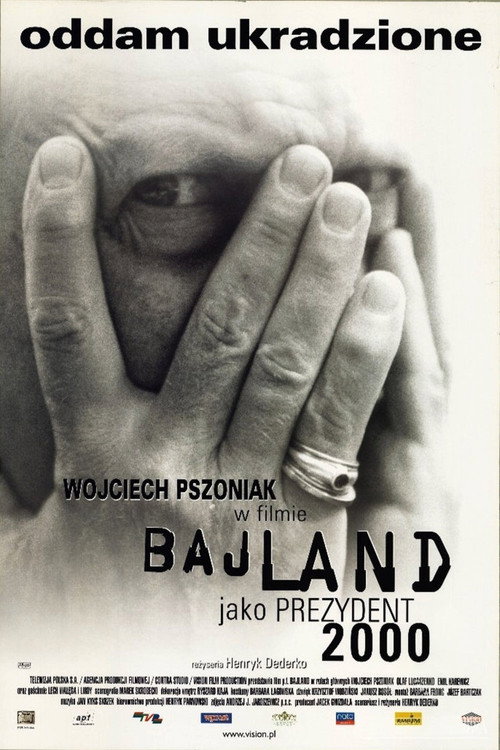
A black political comedy, which, as a backdrop, uses the election race and the accompanying chaos in the media. The film's protagonist is a presidential candidate in the 2000 elections in Poland who suddenly withdraws from the election campaign despite his best ratings. During the election battle, he portrays himself as a professional liar and decides to give away everything he has previously won. What he doesn't expect, however, is how difficult a problem giving can be.
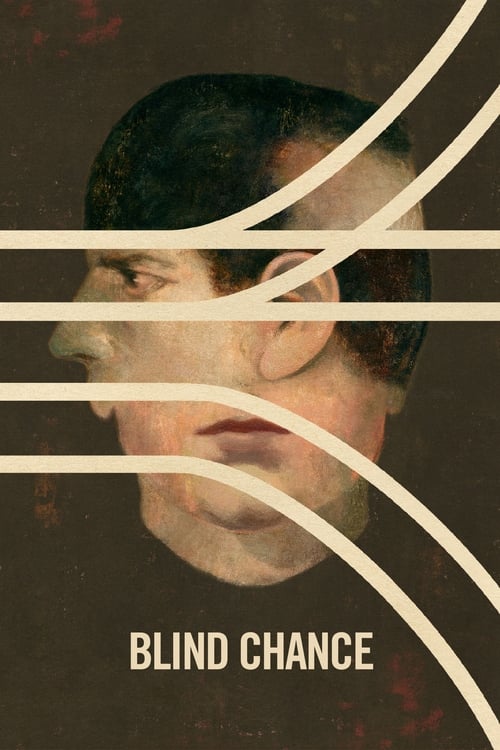
Witek runs after a train. Three variations follow on how such a seemingly banal incident could influence the rest of Witek's life.
A new PE teacher arrives at a neglected provincial high school and turns it around with a handball team—until his obsessive control, blackmail, and abuse drive a student to attempt suicide.
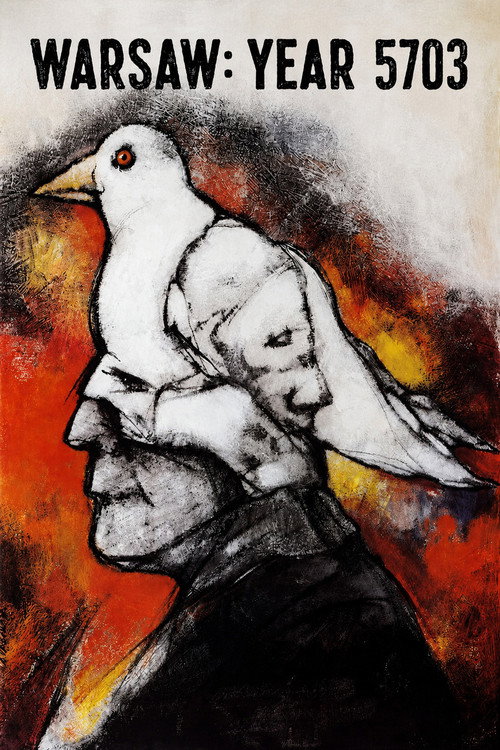
In the winter of 1943 two young Jews, Alek and Fryda, escape, via sewer tunnels, from the atrocities underway in Warsaw ghetto. Alek, entrusted with undeveloped photos of the horrors within, makes his way to a supposedly safe apartment only to find it occupied by Germans. Another tenant, a pole Stephania, abruptly offers to shelter him in her spacious apartment. She comforts him and they make love that very night. Stefania is uncommonly generous and willing to jeopardize her own safety by hiding a Jew. She even goes to a nearby church and rescues Fryda. But Fryda is ungrateful and proceeds to sabotage the trio's safety in insidious ways.
No description available.
A high-ranking Polish politburo member is banished from the party, and must find out why. Set in 1979 Poland before the Solidarity events.
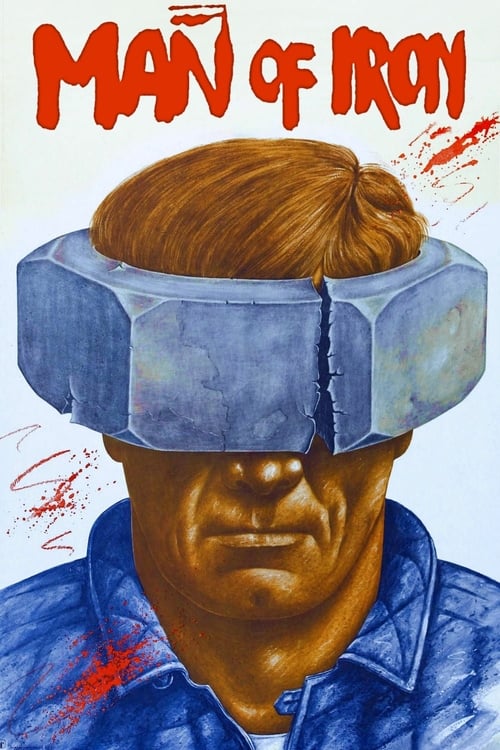
In Warsaw in 1980, the Communist Party sends disgruntled radio reporter Winkel to Gdańsk to dig up dirt on the shipyard strikers - particularly on Maciek Tomczyk, an independent labour union leader whose father was killed in the December 1970 protests. Posing as sympathetic, Winkel interviews the people surrounding Tomczyk, including his detained wife, Agnieszka.
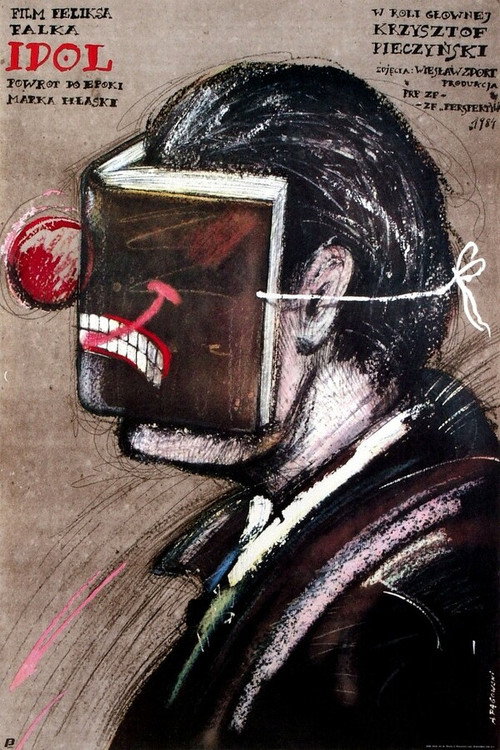
In 1969 a young writer decides to write an essay on a well known Polish writer, who had to leave the country in the 50's, later living, working and dying in exile. He slowly assembles the character and even the exterior appearances of his idol until his own identity tragically disappears.
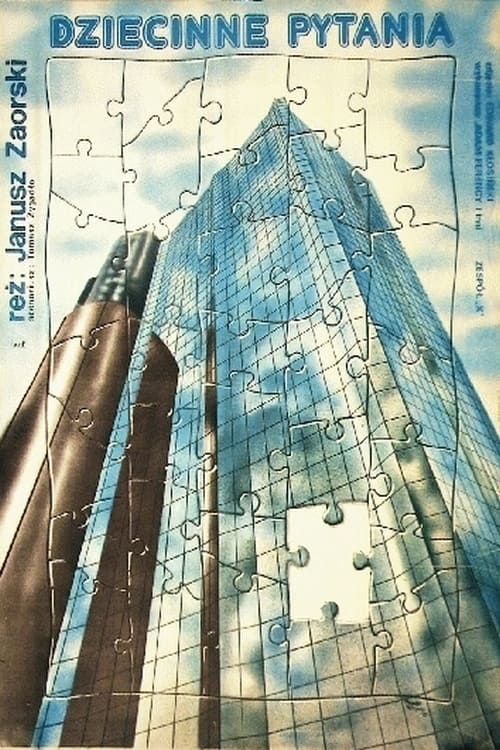
A young architect is locked up in prison. He recalls his uncompromising youth and gradual sliding into the moral swamp of compromises. He was not alone. A group of his friends, dreamers and glass house builders, accompanied him.
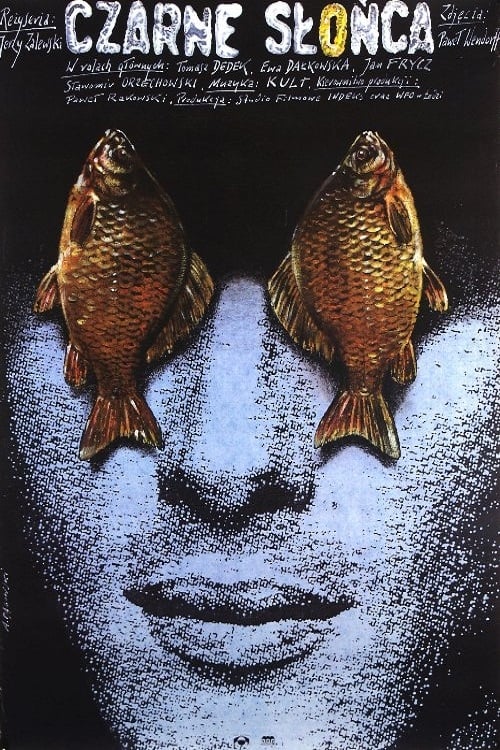
Multiple recidivist Tadeusz Wilk out of jail thanks to an amnesty. He has no idea where to go and what to do with themselves. Post lays down back behind bars. Wolf meets Celine and tells the woman that she is his mother. Mysterious, strangely behaving stranger arouses more and more anxious new parents
A famous Polish journalist presents a problem for the powers-that-be when he displays his full political skill and knowledge on a television show featuring questions and answers on a world conference by a panel of journalists. His enemies take away his privileges when he is away. The shock of being "unwanted" parallels a deeper disappointment in his private life: his wife has an affair with a jealous young rival, and after 15 years of marriage and two daughters wants a divorce. She offers no explanations as he tries to untie these problems himself. All the moves he makes are the wrong ones. He takes on drinking heavily with students eager to attend his seminar after discovering the class has been canceled. The journalist, once suave and commanding, is reduced to silence.
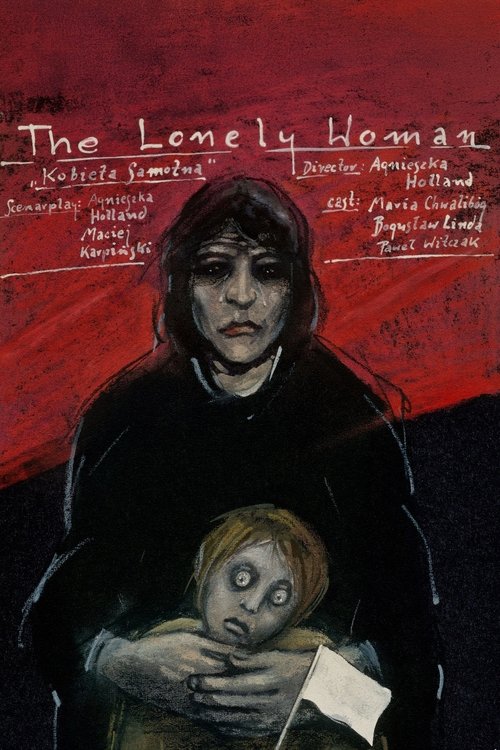
Irena, a postal delivery worker, is struggling with inadequate housing, a drunk neighbor who wants to take her place, and a heartless boss, knowing that the whole day at work, she is leaving her young son. But the worst is the loneliness, exacerbated by her single mother status. She meets a crippled pensioner Jacek, who appears to be the key to her happiness, but tragedy continues to strike.
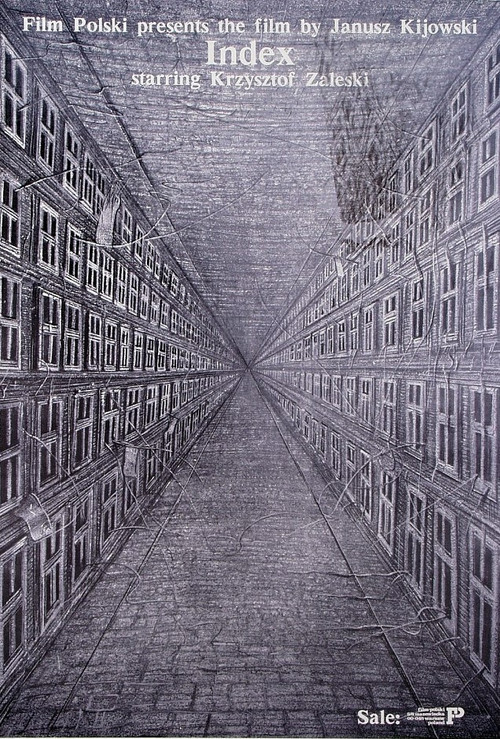
The story begins in March of 1968, the days of students protests. A hot- headed student protests the Dean's decision to expell a fellow student on fake accusation charges, upon which he drops out of university rather than make a compromise. He loses everything in the process: his girlfriend, housing privileges - he becomes a coal deliverer. On the job he witnesses an accident that causes death of a fellow worker. He decides to write a story, which is good and a publishing house wants to print it, but only after some corrections are made. He refuses again and the story is not printed. Finally, a story is commercialized and made into a succesful film and brings fame to the original author.
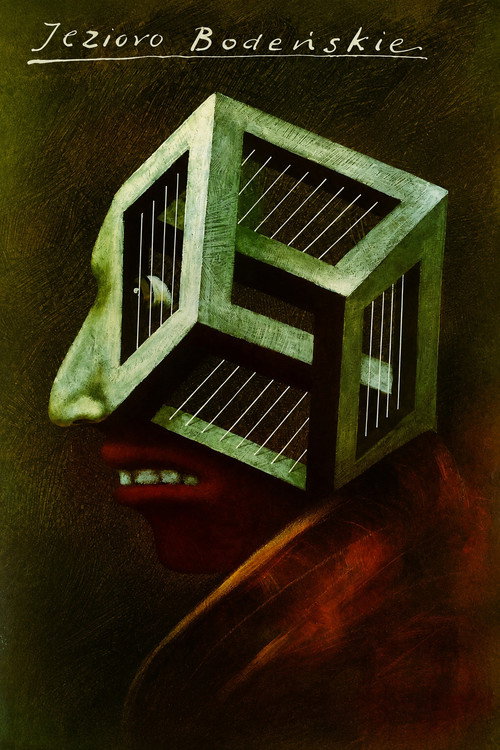
A Pole who spent time in an internment camp during the war on the Swiss-German border, visits the site many years later and recalls these days. He meets with other Poles confined in the same camp, including several women, in whose he had romantic interests.
The 1960s in Masuria. Mikołaj Biesaga, seriously injured during the war, swore that if he survived, he would build a chapel to the Blessed Virgin Mary. Years passed, and the "miraculously saved" person did not keep his promise. Now feeling that it is probably time to die, he decides to fulfill his obligations.