Júlio Bressane
Directing
Biography
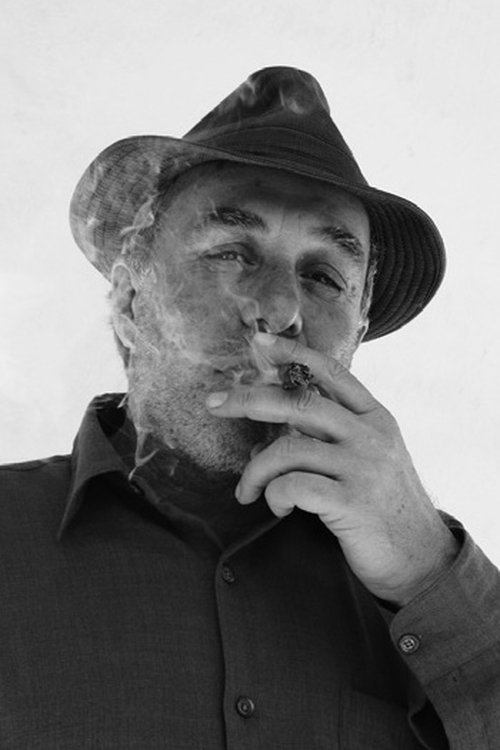
Júlio Eduardo Bressane de Azevedo (Rio de Janeiro, February 13, 1946 ) is a Brazilian filmmaker and writer. A representative of the Brazilian Cinema Marginal, he began making films as an assistant director of Walter Lima Jr., in 1965. In 1967, Bressane debuted as director with Face to Face, being selected for the Festival of Brasilia. In 1970, he founded Belair Movies in company with fellow filmmaker Rogério Sganzerla. They chose a model of making films and low-cost production and thereby managed to run six feature films in just six months. He came into exile in London in the early 1970s, but returned to Brazil several years later and made one film after another, using slapstick and debauchery as its main features. An acclaimed film of this period was the provocative Tabu, released in 1982. Critics consider Bressane the most scholarly of the Brazilian film directors, and his work is notable for the diversity of its narrative language. Another feature of his filmography is the comprehensive approach to historical and literary characters. He is also noted by his low-budget, short-time shootings, with an average of 11 to 14 days to make and edit a film. Description above from the Wikipedia article Júlio Bressane licensed under CC-BY-SA, full list of contributors on Wikipedia.
Known For

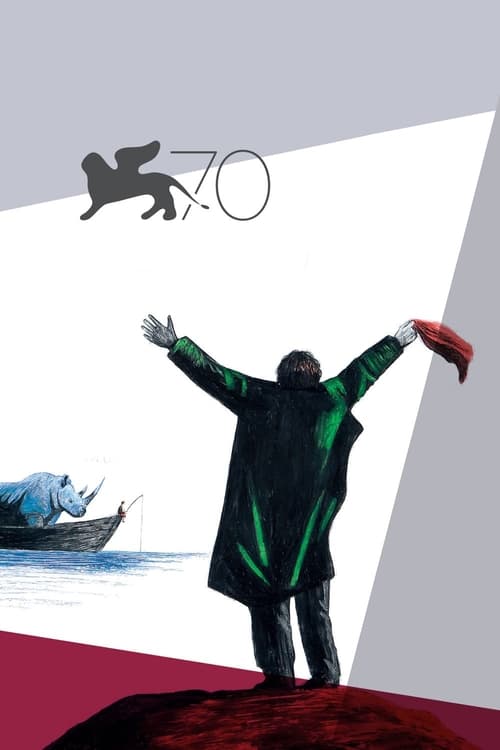
Made for the Venice Film Festival's 70th anniversary, seventy filmmakers made a short film between 60 and 90 seconds long on their interpretation of the future of cinema.
Venice 70: Future Reloaded

A statue steps down from the pedestal and sets out in search of her Creator, the cold Queen of the Night. In the urban night, she encounters mysterious figures that disappear like shadows. Freely inspired by characters from Mozart's opera, The Magic Flute.
The Queen of the Night

Collective film with five segments around the works and life of brazilian writer Oswald de Andrade.
Oswaldianas

The story of a civil servant who lives with his elderly mother. Falling in love with a corrupt politician's young and rich daughter, he abandons himself to crazy and violent situations.
Face to Face

The great battles are the backdrop for the unfolding of the Egyptian Queen's personal life. The strategy of Cleopatra is to seduce the Roman General Julius Caesar and Mark Antony to protect their civilization.
Cleopatra

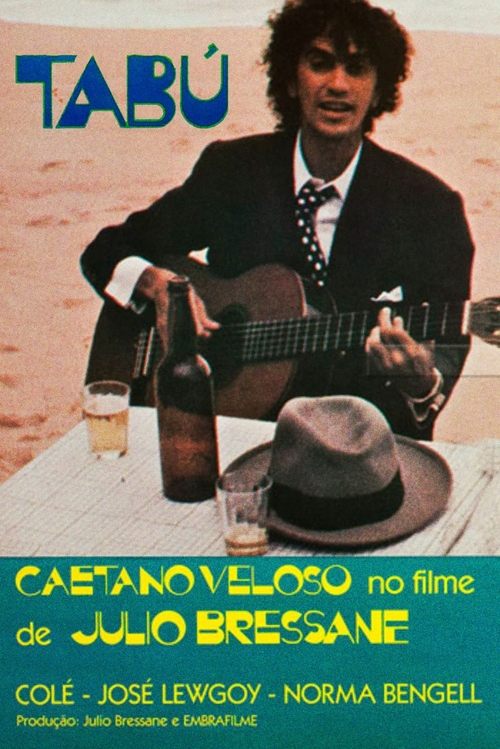
The fictional encounter in Rio de Janeiro, Brazil (in the 30s) between popular songwriter Lamartine Babo and inconoclast poet and playwright Oswald de Andrade.
Tabu

For this behemoth, Bressane took his opera omnia and edited it in an order that first adheres to historical chronology but soon starts to move backwards and forward. The various pasts – the 60s, the 80s, the 2000s – comment on each other in a way that sheds light on Bressane’s themes and obsessions, which become increasingly apparent and finally, a whole idea of cinema reveals itself to the curious and patient viewer. Will Bressane, from now on, rework The Long Voyage of the Yellow Bus when he makes another film? Is this his latest beginning? Why not, for the eternally young master maverick seems to embark on a maiden voyage with each and every new film!
The Long Voyage of the Yellow Bus

Based upon the life story of Father Antonio Vieira, born in Lisbon in 1608 and deceased in Salvador, Bahia, in 1697. He's considered the first Brazilian writer and one of the most important aesthete of linguistic and of the Portuguese language of all times, a master in the art of metaphor, of verbal relations and analogy. He was persecuted and condemned by the Portuguese Court of Inquisition due to his position against native slavery, against the intolerance to the Jewish people and to the colonial politics of exploration.
Sermões

Santamaria and Urtigo are two bandits on the run, one is white, the other black. Santamaria is a mystical visionary and believes in the imminent coming of a purifying angel. Urtiga, his inseparable companion, is a simple-minded and ingenious man who follows Santamaria around and participates in the crimes he commits. The two bandits take over a house after kidnapping its owner and his girlfriend.
The Angel Was Born

Year 2000. Brazil was partially devastated by the Third World War. An immigrant family arrives in a small town, which they call "I Forgot." The trio is recruited by an indigenist to pretend to be indigenous during the visit of a general. In the dilemma of integrating into the system or preserving individual freedom, the family moves toward disintegration as the city prepares to launch a space rocket.
Brazil Year 2000

Sentimental Education centers on the unique relationship between Áurea, a lonely 40 year old teacher, and a young man she has just met by chance – one of these encounters which mythology and literature are full of. A delicate soul who finds itself attracted to a beauty that seems to demand, disturb and move her. That shakes her up entirely. During the days following their first conversation, she will expose all her feelings through classes in which he will let himself be carried away. Until an unusual episode from the past is revealed and changes everything.
Sentimental Education

After being orphaned, a boy is raised by his grandfather and uncles, rich rural landowners, on a sugarcane plantation where he grows up, studies, learns about politics, love and disillusionment.
Plantation Boy

Inspired by Jorge Luis Borges’ The Disinterested Killer Bill Harrigan, Garoto follows a young couple who find themselves in an enchanted place where they experience an amorous and spiritual adventure.
Kid

A rescue of the history of Ipanema beach in the 1970s, when the construction of a pier changed the landscape and created fertile soil for a generation of artists and sportsmen.
Dunas do Barato

A man living with his parents in a low middle-class apartment in Rio de Janeiro coldly stabs them with a razor and then goes to the movies. Marcia, a rich and dissatisfied young woman, takes advantage of a trip from her husband to go to her home in Petrópolis, where she receives a visit from an old friend, Regina.
Killed the Family and Went to the Movies

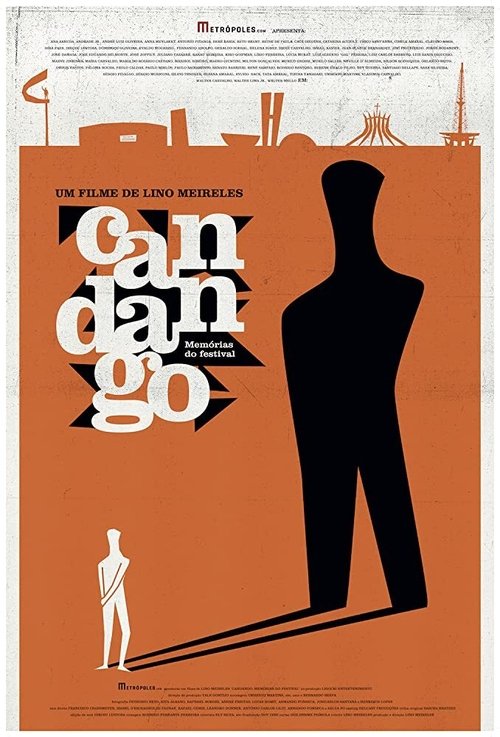
In 1965, a year after the military coup in Brazil, an oasis of freedom opened in the country's capital. The Brasília Film Festival: a landmark of cultural and political resistance. Its story is that of Brazilian cinema itself.
Candango: Memoirs from a Festival

A caboclo's soul wanders through purgatory (or hell), visiting many places until he boards a ship whose destination is unknown.
O Gigante da América

When I wake will I be someone else?
Earth

A cinematographic essay, without dialogues, about the months Nietszche spent in Turin, Italy, with narration quoted by his original writings.
Days of Nietzsche in Turin

A documentary chronicling the life and works of Brazilian poet, songwriter, journalist and avant-garde filmmaker Torquato Neto, from his beginnings to his suicide at the age of 28.