Directing
Polizeiruf 110 is a long-running German language detective television series. The first episode was broadcast 27 June 1971 in the German Democratic Republic, and after the dissolution of Fernsehen der DDR the series was picked up by ARD. It was originally created as a counterpart to the West German series Tatort, and quickly became a public favorite.
No description available.
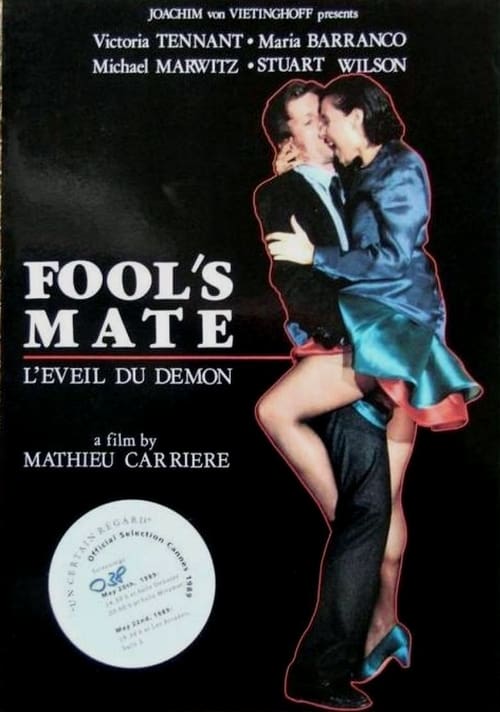
Matthieu Carriere, who once starred in German director Volkor Schlondorff's breakthrough film Young Torless, turns director himself for Fool's Mate. Michael Marwitz plays a once-famous concert pianist and chess whiz. He compromises his talents by casting his lot with a group of self-destructive druggies and gamblers. Marwitz' new circle of friends effectively ruins his marriage to Victoria Tennant, an English architect. Fool's Mate makes no effort to cheer up its audience, but this sort of fare apparently is what the European film-festival circuit thrives on.
Thomas Winter crashes his sports plane into the sea off Corsica. His wife Julia is looking forward to four million marks in life insurance. During the settlement, an employee of the insurance company is remarkably helpful - too helpful for the taste of a detective and an inspector who don't really want to believe in an accident. And suddenly the man who was believed dead runs into his not-so-sad widow...
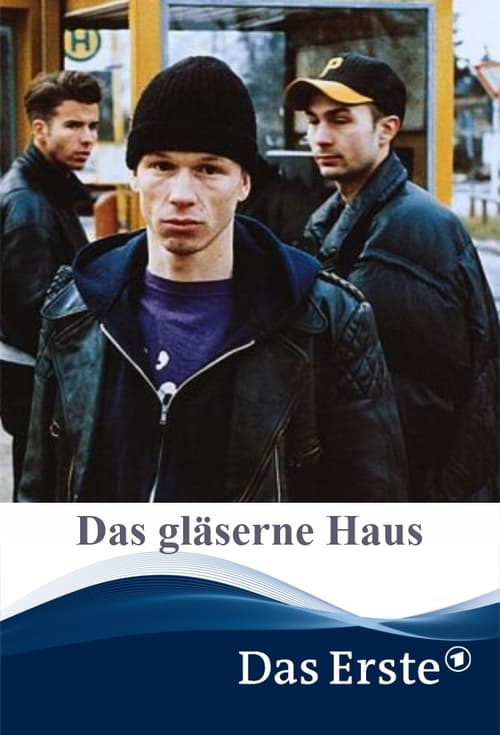
A dream becomes a nightmare: Shortly after the Iranian doctor Murath Tehrani and his German wife Claudia moved into a chic villa on the outskirts of Leipzig, threatening couple flutter into the house and Claudia is harassed by anonymous callers with xenophobic slogans. First, the woman tries to hide the threat from her husband. But not even the police can help her. Suddenly, every stranger approaching the house appears as a threat. Psychological pressure is also increasing the pressure on the harmonious marriage of the young couple. But Murath and Claudia are unwilling to be driven out of their homes by aggressive racists.
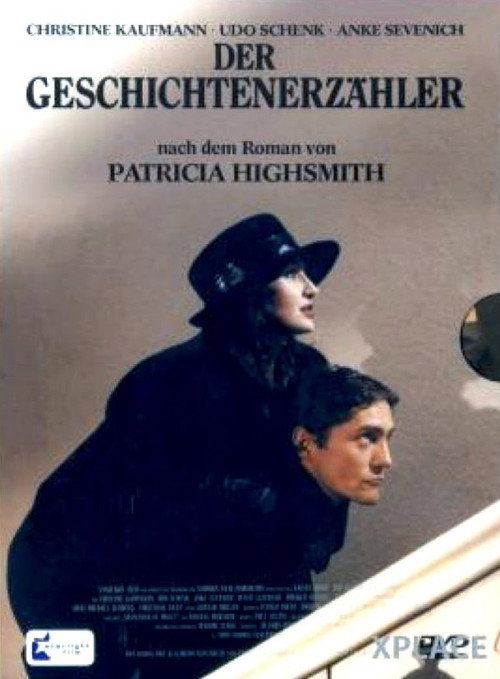
In this mystery/thriller based on a novel by Patricia Highsmith, Nico Thomkins (Udo Schenk), a writer, and his wife Helen (Anke Sevenich) are in the habit of playing games with one another. Even while they are breaking up, they are sufficiently in tune with one another to continue this practice. When the writer's wife takes off without leaving a note behind, people begin to suspect that he may have murdered her, and he plays along with this notion to the point of planting clues which would incriminate him. Obviously, no one with a shred of common sense would do such a thing, and these tricks get him into trouble. However, his troubles don't really begin until he starts to search for her in earnest.
Although the new head of the cultural department is trying his best and wants to spice up city life in terms of culture, neither the new musical nor a play bring the desired success at the City Theatre.
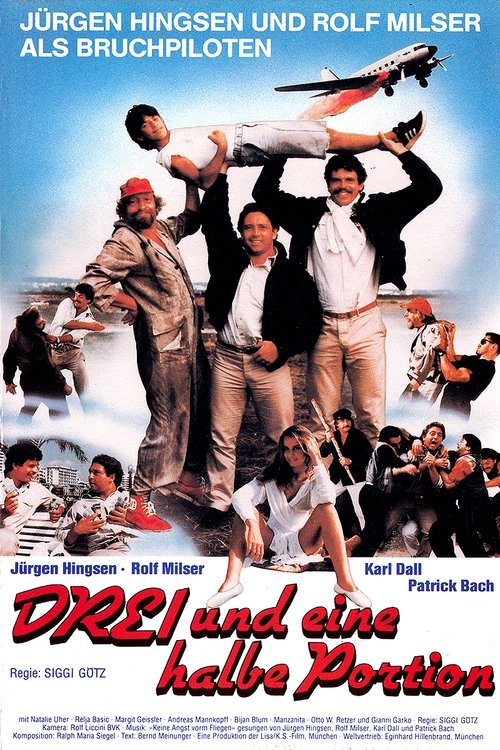
Two crash pilots from BravoAir have to fight crime with their dim-witted mechanic, the beautiful daughter of a beaten-up police inspector, and the mechanic's 15-year-old godson. Not only are the three of them and the little one clumsy, but so are the gangsters and the police.
Pregnant Maria and her husband Josef are a Turkish guest worker couple in West Berlin who offer their labor to the S. company. In Turkey, like many others, they were unable to find work. In Germany, they exchange their slave-like dependence on large landowners for the hustle and bustle of work in a large German company.
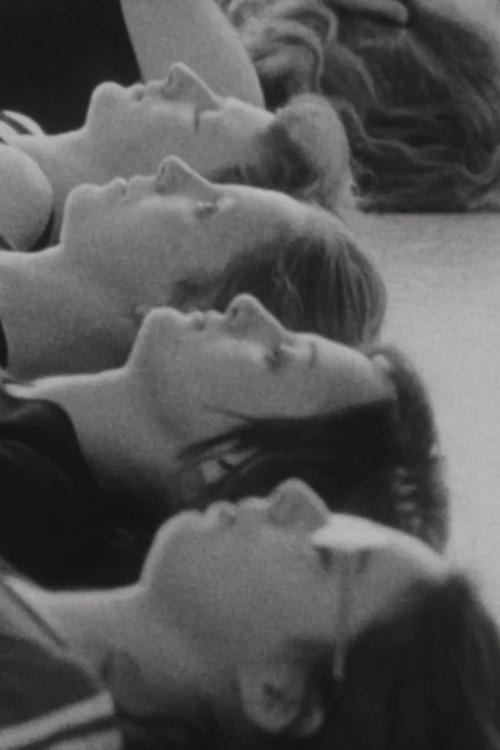
Gardi Deppe’s film follows women completing a six-week course of treatment in a health clinic (unique in West Germany at the time) for ‘working girls and women between the ages of 15 and 21.’ The film shows striking differences between the perception of the patients and the approach of the clinic and its exclusively male doctors. The women attribute their health problems to social and labour policies. The health clinic responds with medication, sports programs and occupational therapy. The film underlines the need for self-organization and ends with the realization that these women must develop their own strategies.