FEEL IT.STREAM
Giorgos Marinos

Giorgos Marinos

Acting

Biography

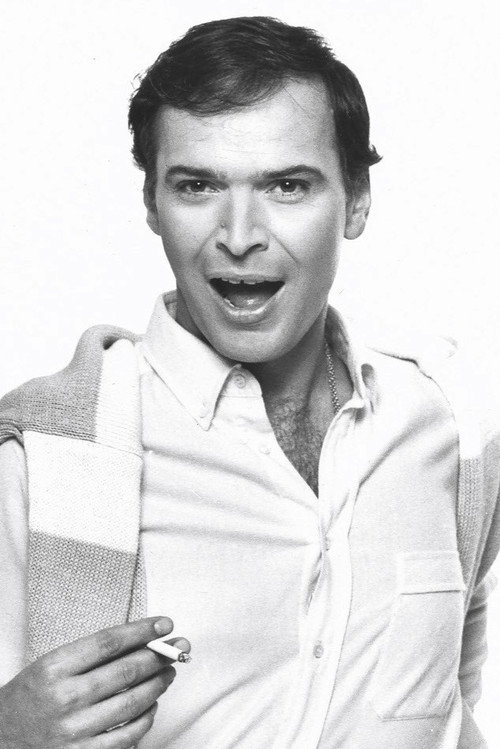
Giorgos Marinos (Greek: Γιώργος Μαρίνος, Athens, 18 June 1939 - Athens, 10 March 2026) was a Greek singer, actor and entertainer, one of the pioneers of live show in Greece. His parents divorced when he was just one year old and he grew up with his mother, Vasiliki. His father, Alexandros, was absent from his childhood, as he was exiled in Makronissos. He saw him for the first time when he was 12 years old. His parents wanted him to become a civil engineer or architect like his father, who was also talented in mathematics. However, he, still a minor, secretly took exams at the National Theater School. In 1962, during his second year at the National Theatre, he performed in Manos Hadjidakis's Odos oneiron, along with Dimitris Horn, Rena Vlachopoulou, Maro Kontou and other renowned artists. He performed the song "Kathe kipos". From then on, his career in the theater, as well as the nightclubs of the time, began. At the same time, he made a few appearances in cinema, such as in Ionas Daifas' film O tritos dromos, starring Maro Kontou. Combining acting and singing, he presented for the first time in Greece a different kind of entertainment consisting of prose, satire, dance and song. He appeared for almost 20 years (1973-1992) at Makrygiannis, in "Medusa". He had a close friendship with Manos Hadjidakis and Nikos Gatsos. Giorgos Marinos was the first showman of Greece, the man who, with his sketches, caustic lines and imitations, caused laughter and satirized the ills of Greek society. In his personal life, he was particularly lonely. His two passions were always astrology and his dogs. A few years ago, he retired from artistic activities and isolated himself in his home in Neo Voutza, an area near Rafina. He worked for several years on various music venues and theater stages presenting his creations, while he took part in several television series, most notably the show Ciao ANT1, in the mid-1990s. A few of his film appearances have also been recorded. Giorgos Marinos was the first famous person to come out and speak openly about his homosexuality in the mid-1960s, in a conservative Greece. He had revealed to his parents at the age of sixteen that he was homosexual. He had been the inspiration for the creation of the song "Achilleas from Cairo" by his collaborator Kostas Tournas. Nevertheless, as he himself has stated, the great love of his life was the actress Katiana Balanika. They were partners for four years in the late 1960s. As he had said, he did not want to get married and have children, because he believed that it would be unfair for his child to suffer his "sinful" past. Nevertheless, their paths did not part, neither professionally nor as friends. They collaborated for years on "Medusa" and their friendship remained until the end of his life. In recent years he had been facing various health problems, while for a time he was hosted at the Actor's House. He died from complications of dementia on March 10, 2026, at the age of 86.
Known For

Boom Taratajum
5.7

Two itinerant actress, the Vlakometros and Poniridis, arrive at Adira, a city of ancient Greece groaning under the despotic rule of the tyrant Hippias, to give a performance. Because Vlakometros is identical to Hippias, the dissident intellectuals will try to use it to overthrow the tyrant. A series of incredible comedic misunderstandings and unexpected will follow in this brilliant political satire, which had experienced serious problems with censorship when the Junta was.

Boom Taratajum

1972
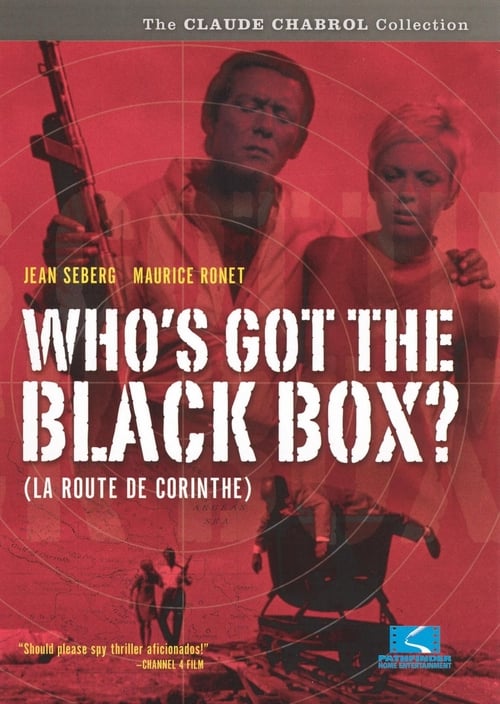
The Road to Corinth
4.5

The widow of a murdered undercover NATO officer in Greece is the prime suspect in his killing. She finds herself embroiled in a bigger conspiracy about the sabotage of U.S. radar installations while trying to prove her innocence.

The Road to Corinth

1967
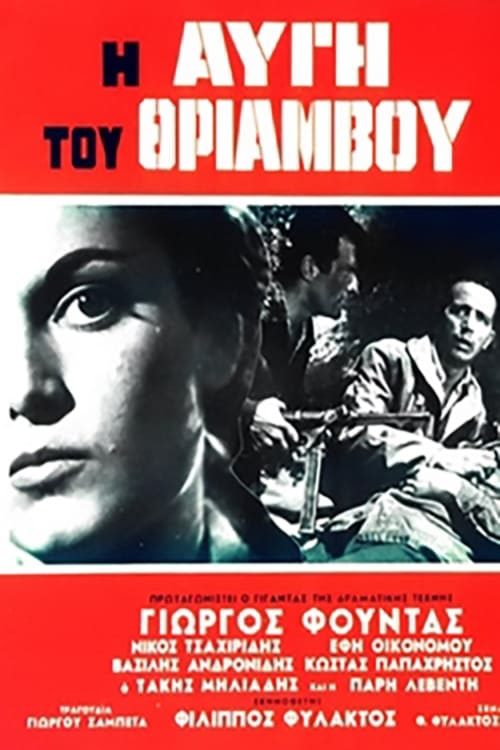
The Dawn of Triumph
6.7

A group of resistance fighters during the Occupation, collaborates with a lieutenant who comes to Greece from the headquarters of the Middle East, aiming to blow up a German ship.

The Dawn of Triumph

1960
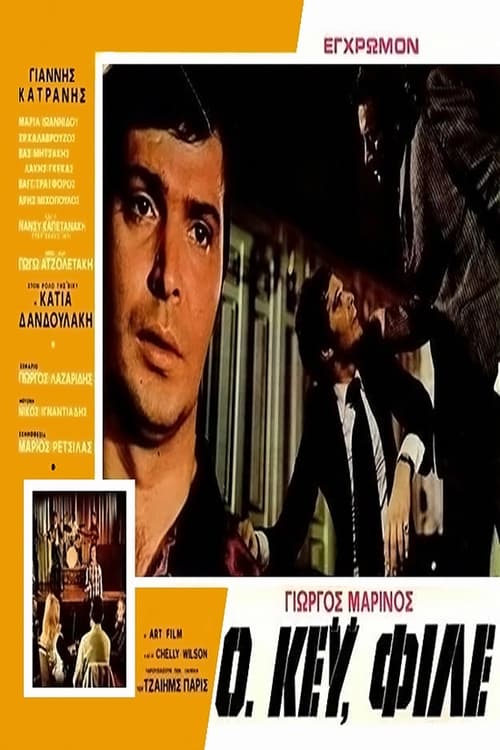
Okay, man
5.5

A singer, who goes to America hoping to make a career, finds himself involved in a drug trafficking case. He refuses to join this ring, and in his effort he is supported by a girl supports him in his efforts. The young man manages, with great difficulty and the help of a ruthless and self-serving manager, to make a career for himself and become rich. However, when threats from the mafia are added to the exploitation by his manager, the now successful singer abandons everything to return to Greece.

Okay, man

1974
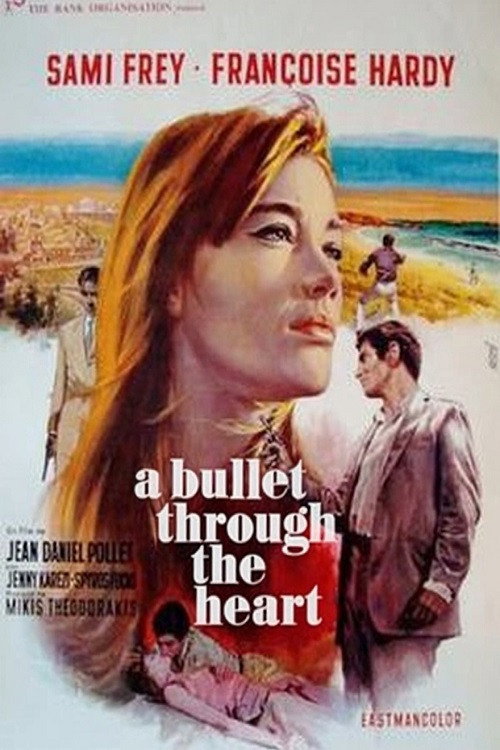
A Bullet Through the Heart
6.0

Francesco, a young Sicilian aristocrat, scars an aging gangster who has set out to take away his property. The gangster vows to obtain vengeance, and Francesco is forced to flee across Greece with his girl friend, pursued by his antagonist's vicious henchmen.

A Bullet Through the Heart

1966
The Cistern
6.3

In 1974, a group of 11-year-old boys spend the last carefree summer of their childhood, unaware that the world of grown-ups, with its loves, passions, prejudices and curses, is about to seal their fate. Aaron, Stelios, Sakis, Galanos and Verios, "the acrobats", are best friends. School has closed for the summer holidays and the children spend their time playing games, running errands, and riding their bikes. Life is a game, into which they channel all their physical energy and imagination. They practice their diving abilities in a big cistern. It is a game through which their special talents and competitive spirit unfold. One is good at balancing acts, another at diving and another at somersaults. It is in this neighborhood that Aaron will spend the most important summer of his life: a rite of passage from childhood to adolescence, a time for learning about love, jealousy and friendship.

The Cistern

2001
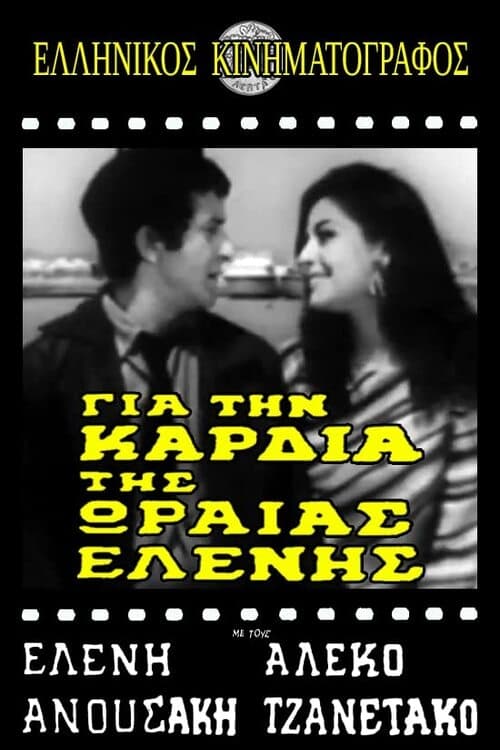
For the heart of beautiful Helen
6.5

Louisa's father does not approve her young painter lover because he is poor.

For the heart of beautiful Helen

1967
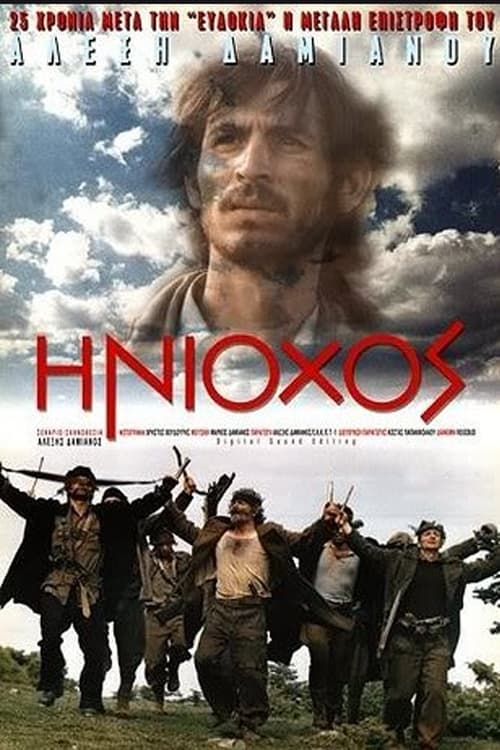
The Charioteer
7.3

A social drama covering fifty years of Greece’s recent history, using the statue of the Delphi charioteer as a symbolic image, with the young hero embodied in a modern counterpart.

The Charioteer

1995
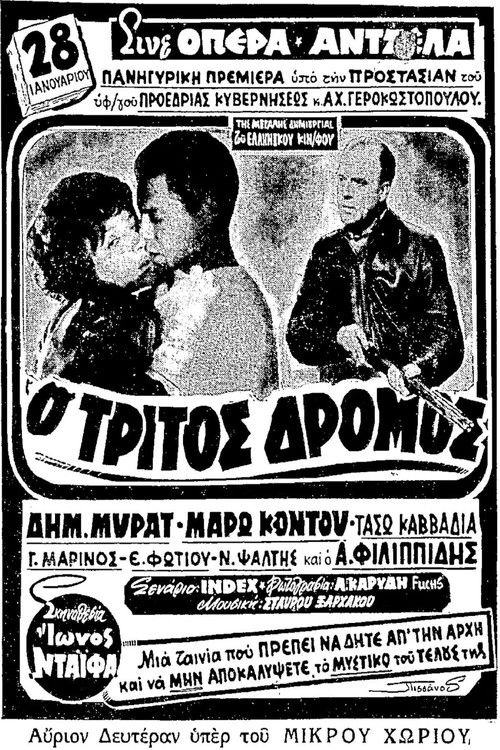
Ο τρίτος δρόμος
8.0

No description available.

Ο τρίτος δρόμος

1963
In the Spider's Web
7.0

Professor Algeras becomes the target of foreign agents working for major powers, who use every legitimate and illegitimate means at their disposal to try to get hold of his scientific discovery. The most ruthless and unscrupulous foreign agent, who ultimately traps Algeras, is Milko, who comes from the countries behind the Iron Curtain. It eventually transpires that Milko, who has been brainwashed, was the professor's only son, lost during the communist child abductions.

In the Spider's Web

1973