FEEL IT.STREAM
Van Williams

Van Williams

Acting

Biography

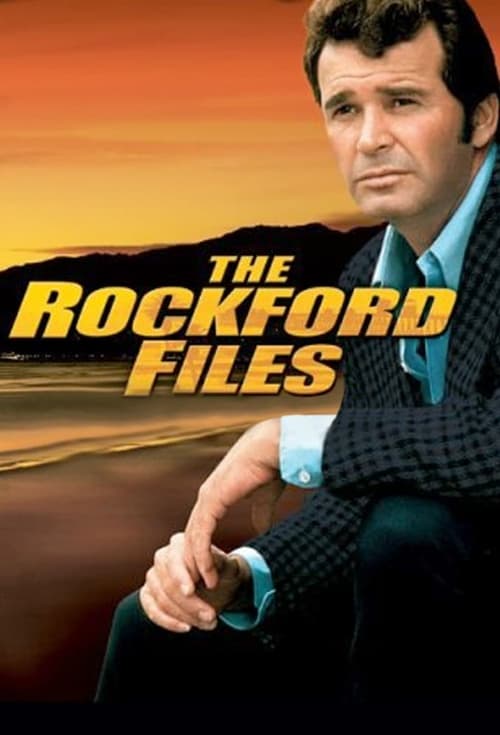
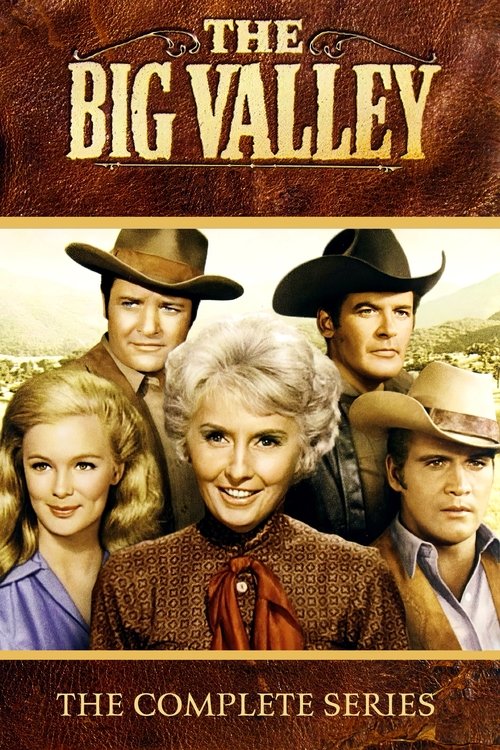
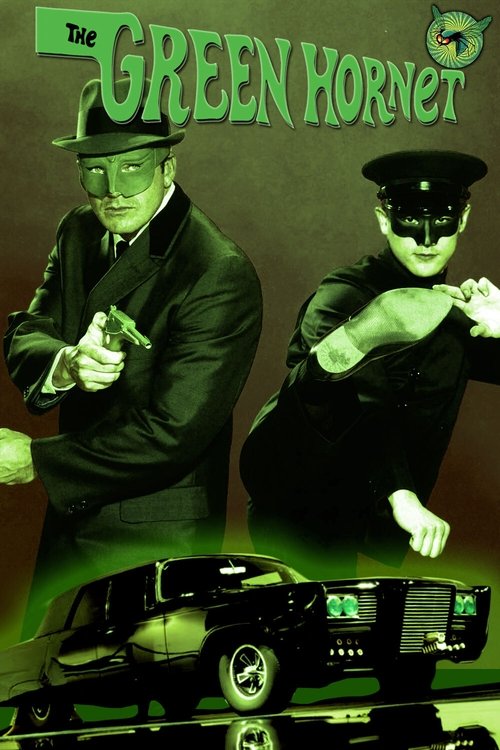
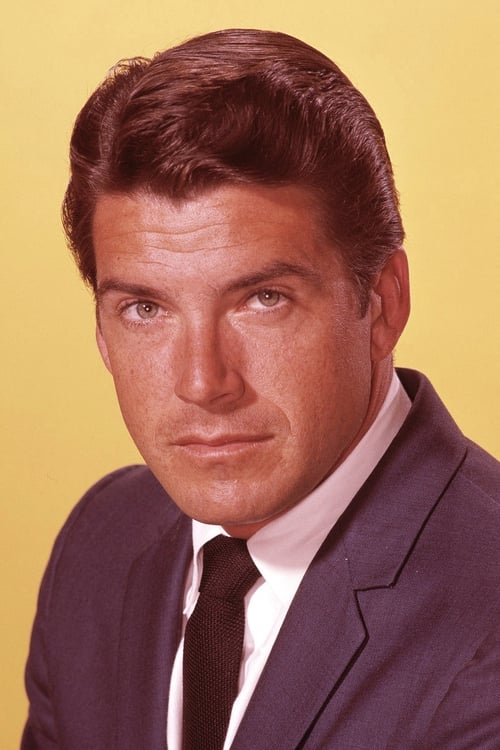
You could shoehorn actor Van Williams right in there between the other tall, dark and drop-jaw gorgeous heartthrobs Tom Tryon and John Gavin of the late 1950s/early 1960s who conveyed a similar bland, heroic image. All three were too often given colorless heroes to play on film and/or TV -- roles that played off their charm but seldom tested their talent. Born on February 27, 1934 as Van Zandt Jarvis Williams, he was the son of a cattle rancher. He majored in animal husbandry and business at Texas Christian University but moved to Hawaii which changed the course of his life. While operating a salvage company and a skin-diving school during the mid-1950s, he was approached by Elizabeth Taylor and husband/producer Mike Todd, who were filming there. Encouraged by Todd to try his luck, Van arrived in Hollywood with no experience. Todd perished in a plane crash before he was able to help Van, but the young hopeful ventured on anyway, taking some acting/voice lessons, and was almost immediately cast in dramatic TV roles. Warner Brothers had a keen eye for this type of photogenic hunk and smartly signed Van. Fitting in perfectly, he was soon showing just how irresistible he was as a clean-cut private eye on the series "Bourbon Street Beat (1959)". Although the show lasted only one season, Warners carried his Kenny Madison character into the more popular adventure drama Surfside 6 (1960) opposite fellow pin-up / blond beefcake bookend Troy Donahue. Series-wise, Van tried comedy next opposite "Walter Brennan in The Tycoon (1964)". After his contract expired at Warners, 20th Century-Fox handed him his most vividly recalled role, that of the emerald-suited superhero "The Green Hornet (1966)" with the late Bruce Lee as his partner Kato. The show, inspired by the huge cult hit "Batman (1966)" enjoyed a fast start but, like its predecessor, met an equally untimely finish. Never a strong draw in films, Van revealed quite a bit of himself (literally) in his debut in "Tall Story (1960)" coming out of a shower. He was handed a typically staid second lead in "The Caretakers (1963)". Continuing well into the 1970s to guest sporadically on the TV scene in classics like "The Dick Van Dyke Show (1961)", "Love, American Style (1969)", "Mission: Impossible (1966)", "The Big Valley (1965)", "Nanny and the Professor (1970)", "Barnaby Jones (1973)", and "The Rockford Files (1974)". Another starring series attempt with "Westwind (1975)" failed to make the grade and he soon let his career go. Van went on quite successfully in business with telecommunications, real estate and law enforcement supplies among his ventures. With his glossy, pretty-boy years far behind him, he has not felt the need to look back except for an occasional autograph convention. - IMDb Mini Biography By: Gary Brumburgh / gr-home@pacbell.net
Known For

Mission: Impossible
7.6

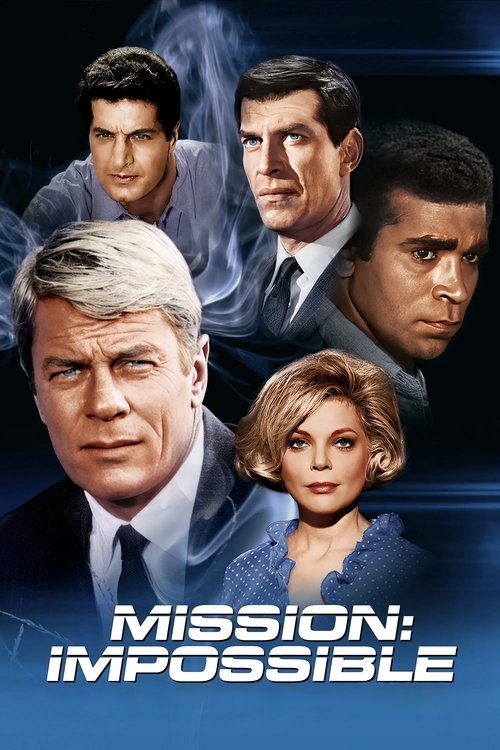
Mission: Impossible is an American television series that was created and initially produced by Bruce Geller. It chronicles the missions of a team of secret government agents known as the Impossible Missions Force. In the first season, the team is led by Dan Briggs, played by Steven Hill; Jim Phelps, played by Peter Graves, takes charge for the remaining seasons. A hallmark of the series shows Briggs or Phelps receiving his instructions on a recording that then self-destructs, followed by the theme music composed by Lalo Schifrin. The series aired on the CBS network from September 1966 to March 1973, then returned to television for two seasons on ABC, from 1988 to 1990, retaining only Graves in the cast. It later inspired a popular series of theatrical motion pictures starring Tom Cruise, beginning in 1996.

Mission: Impossible

1966Series
Lawman
6.0

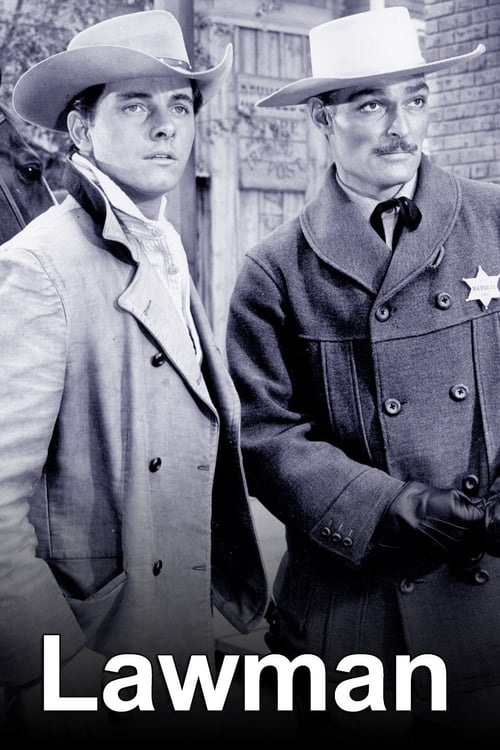
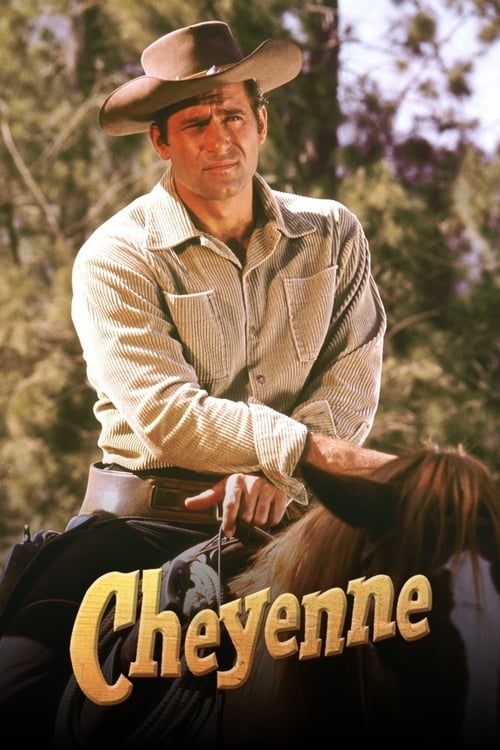
Lawman is an American western television series originally telecast on ABC from 1958 to 1962 starring John Russell as Marshal Dan Troop and featuring Peter Brown as Deputy Marshal Johnny McKay. The series was set in Laramie, Wyoming during 1879 and the 1880s. Warner Bros. already had several western series on the air at the time, having launched Cheyenne with Clint Walker as early as 1955. The studio continued the trend in 1957 with the additions of Maverick with James Garner and Jack Kelly, Colt .45 with Wayde Preston, and Sugarfoot with Will Hutchins. One year later, Warner Bros. added Lawman and Bronco with Ty Hardin. Prior to the beginning of production, Russell and Brown and producer Jules Schermer made a pact to maintain the quality of the series so that it would not be seen as "just another western." At the start of season two, Russell and Brown were joined by Peggie Castle as Lily Merrill, the owner of the Birdcage Saloon, and a love interest for Dan.

Lawman

1958Series
Surfside 6
6.3

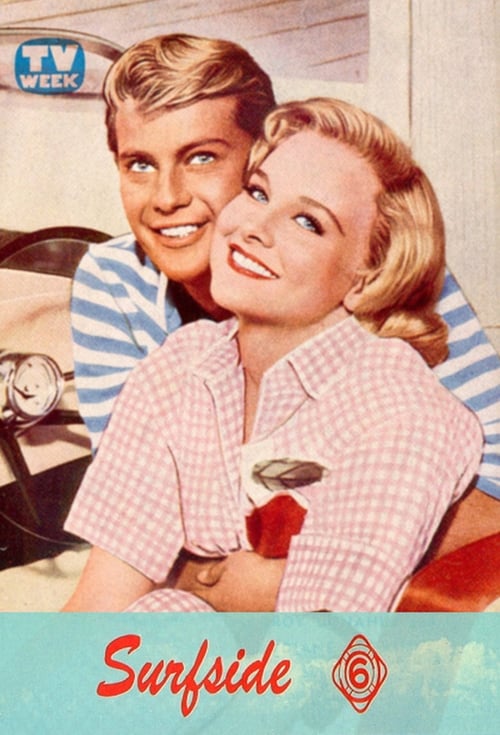
Surfside 6 was an ABC television series which aired from 1960 to 1962. The show centered on a Miami Beach detective agency set on a houseboat and featured Troy Donahue as Sandy Winfield II; Van Williams as Kenny Madison; and Lee Patterson as Dave Thorne. Diane McBain co-starred as socialite Daphne Dutton, whose yacht was berthed next to their houseboat. Margarita Sierra also had a supporting role as Cha Cha O'Brien, an entertainer who worked at The Boom Boom Room, a popular Miami Beach hangout at the Fontainebleau Hotel, directly across the street from Surfside 6. Surfside 6 was in fact a real address in Miami Beach, where an unrelated houseboat was moored at the time; it can also be seen in the sweeping aerial establishing shot of the Fontainebleu in 1964's Goldfinger.

Surfside 6

1960Series
Hollywood Squares
7.5

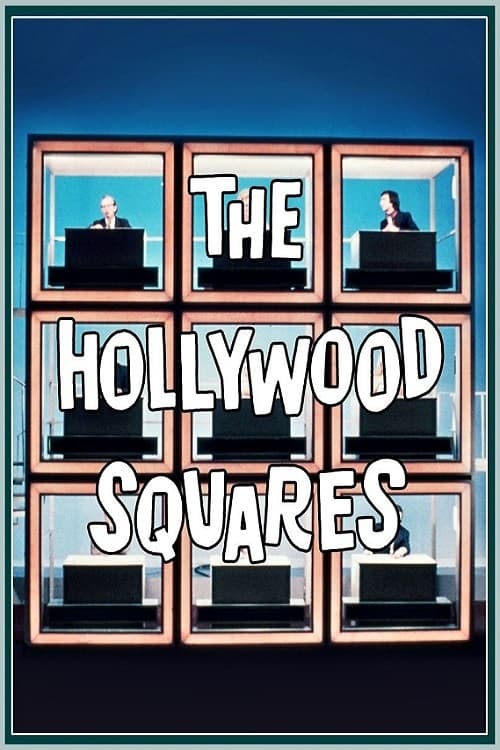
Hollywood Squares is an American panel game show, in which two contestants play tic-tac-toe to win cash and prizes. The "board" for the game is a 3 × 3 vertical stack of open-faced cubes, each occupied by a celebrity seated at a desk and facing the contestants. The stars are asked questions by the host, or "Square-Master", and the contestants judge the veracity of their answers in order to win the game. Although Hollywood Squares was a legitimate game show, the game largely acted as the background for the show's comedy in the form of joke answers, often given by the stars prior to their "real" answer. The show's writers usually supplied the jokes. In addition, the stars were given question subjects and plausible incorrect answers prior to the show. The show was scripted in this sense, but the gameplay was not. In any case, as host Peter Marshall, the best-known "Square-Master" and the man in whose honor the show's first announcer, Kenny Williams, actually "coined" the term, would explain at the beginning of the Secret Square game, the celebrities were briefed prior to show to help them with bluff answers, but they otherwise heard the actual questions for the first time as they were asked on air.

Hollywood Squares

1966Series