Crew
Thirteen-year-old Marcielle lives on Marajó Island in the heart of the Amazon rainforest. To break a terrible cycle that imprisons the women around her in an isolated region, she must do the impossible to liberate herself and her younger sister from a dark abyss of silence held by her own family.
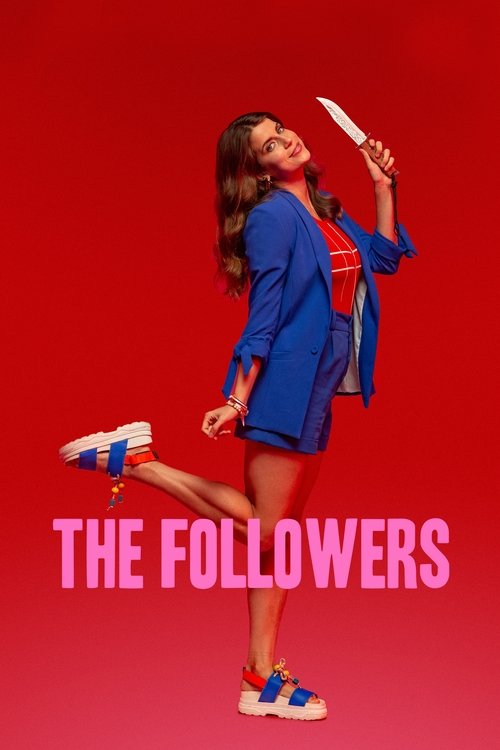
A digital influencer takes her obsession with her own image to its ultimate consequences, becoming a serial killer beyond suspicion.
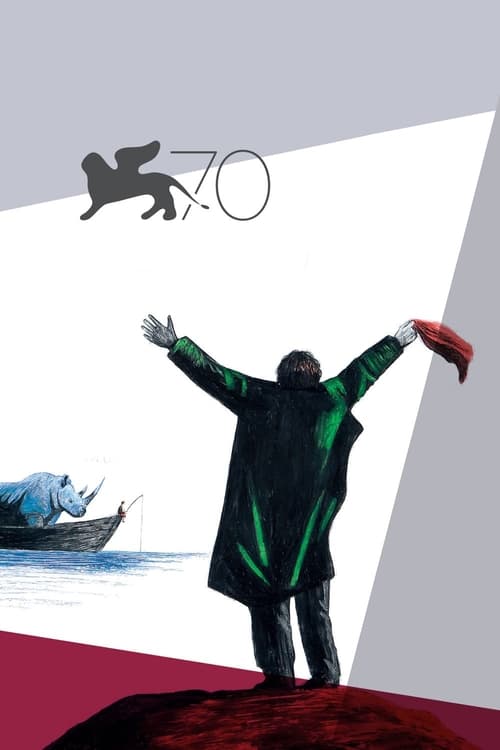
Made for the Venice Film Festival's 70th anniversary, seventy filmmakers made a short film between 60 and 90 seconds long on their interpretation of the future of cinema.
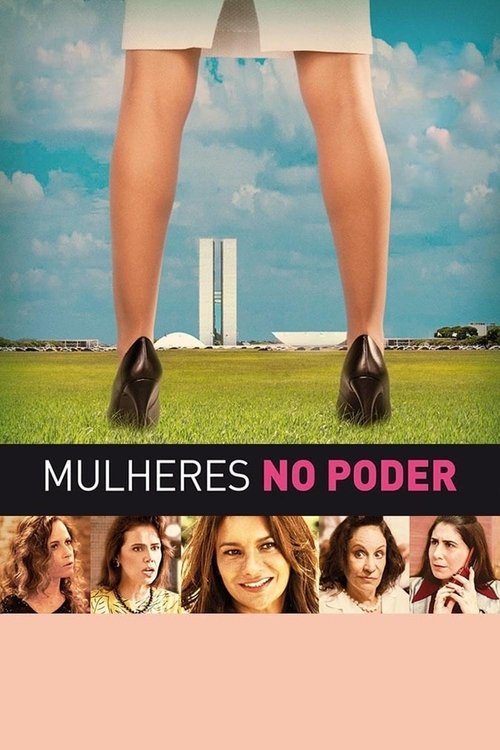
A corrupt senator, Maria Pilar sees a great opportunity to win in the bidding process for the Brasil Brasileiro project. After contacting Minister Ivone Feitosa in search of more information, Maria is told to talk to the ministry's executive secretary, Madalena, to set up a frame-up. Little does she know, however, that Madalena has her own plan to get along on her own...
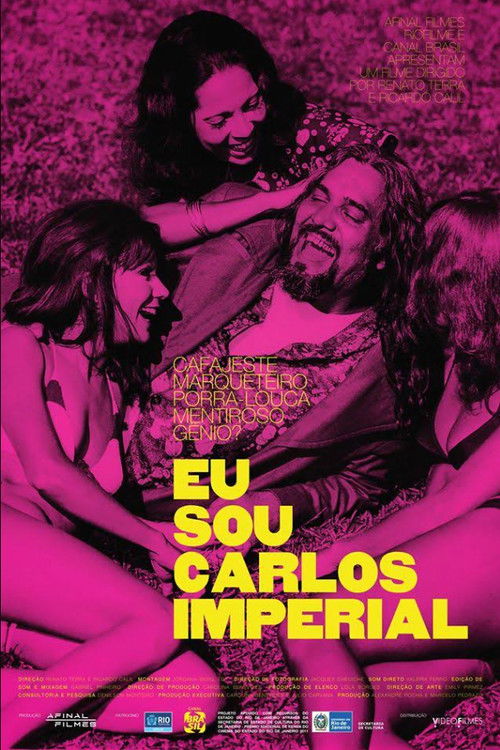
The story of a legendary figure in Brazilian culture, the multifaceted Carlos Imperial. He was a convinced womanizer and cafajeste, he was a director and actor, created TV shows, composed songs like “Vem Quente que Eu Estou Fervendo” and “Mamãe Passou Açúcar em Mim”. In addition, he is responsible for launching big names in Brazilian music, such as Roberto Carlos, Elis Regina and Tim Maia.
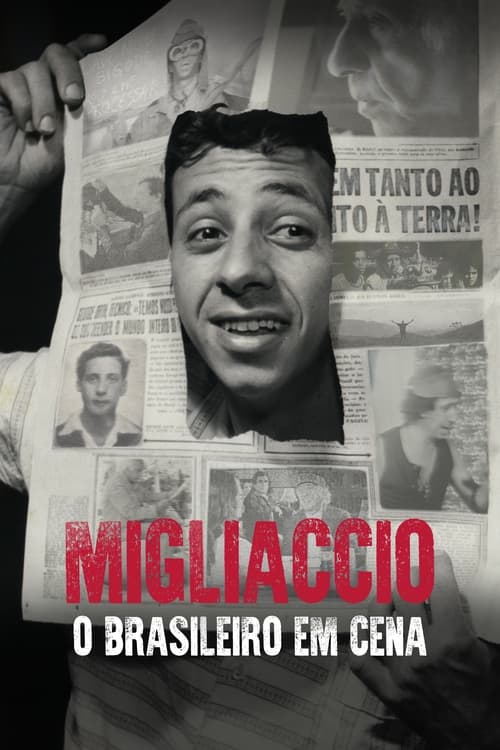
The documentary Migliaccio - O Brasileiro em Cena follows the path of those who take risks for the art, either as directors, as writers, as scenographers and even as costume designers. The Oscarito trophy received by Flávio Migliaccio in 2014 Gramado Film Festival crowns a career enmeshed by many threads. Since Migliaccio has performed in different fields of art - from cinema and theater to literature and drawing -, the documentary creates varied visual interventions to enchain the narrative, in addition to the interviews and archive pictures, such as a shadow play to represent his humble childhood, and to the cartoons the artist drew to portray his existential questions in his ranch in Rio Bonito (State of Rio de Janeiro). Images and stories that aim to show a professional and personal life pervaded by possibilities and attitudes, both artistic and political.
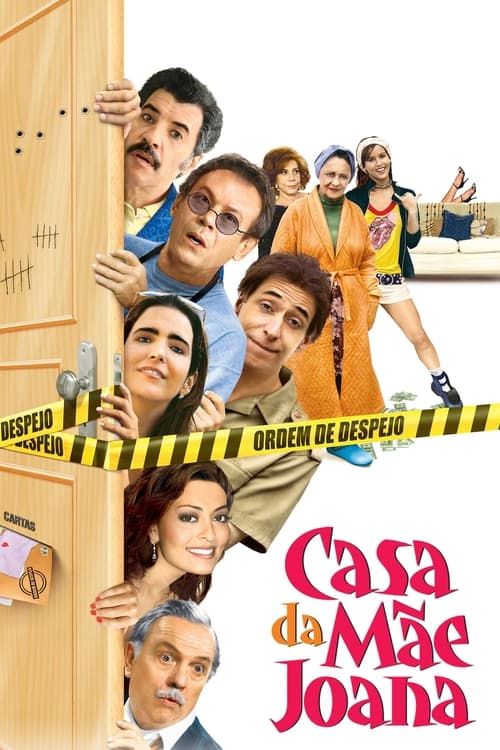
Four friends who only think about enjoying life, with big parties, women and drinks, are surprised by an eviction. In need of money, the group is forced to think about what they hate most: working! Confusion arises when everyone looks for an easy way to get money, with minimum effort. The days pass and the hilarious confusion only increases!
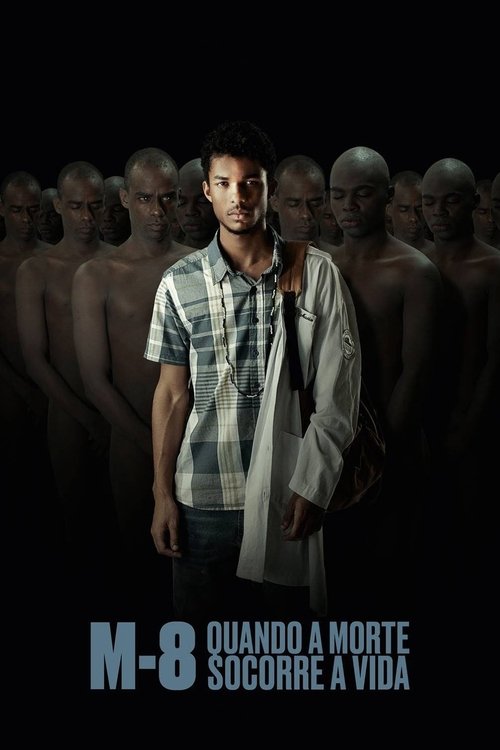
When Maurício becomes a student at a top medical school, he becomes obsessed with a mystery linked to the dead bodies used for dissection.
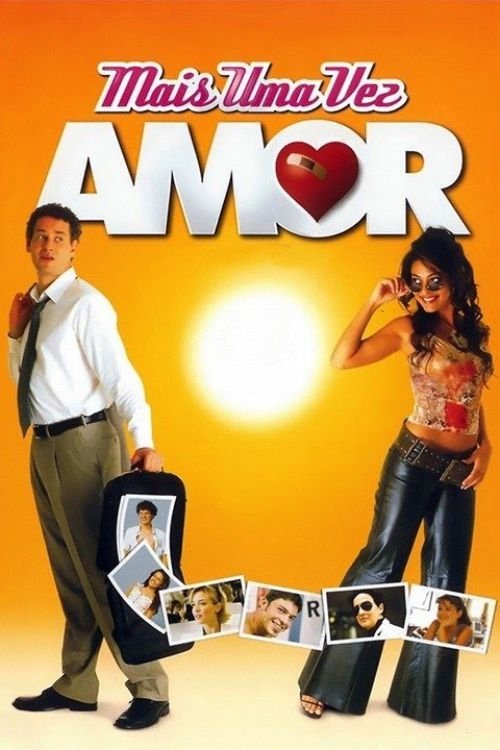
In Rio de Janeiro, the teenagers Lia and Rodrigo have opposite behaviors and personalities. The clumsy Rodrigo is responsible and good student, while the emancipated Lia is totally irresponsible. They have their first sexual intercourse together on April 23rd, and they schedule to meet each other every year in the same date. Along the years, Rodrigo graduates in engineering and gets married with Clara (Christine Fernandes), having a son. The single mother Lia has a life without any commitment, moves to Paris and comes back to Brazil later. After a comedown, Rodrigo leaves his family and quits his job to live with Lia. Written by Claudio Carvalho, Rio de Janeiro, Brazil
A mix of documentary and musical that evokes João Gilberto's universe.
Lalau (Gregorio Duvivier) is presented by the country's interior with his show jokes, whose main theme is her father, Ramon Velasco (Tarcisio Meira), an actor who always gets into shenanigans. One day, when present in Ceará, Stan receives a tempting proposal by Flora (Flávia Alessandra), which offers $ 100,000 so he pretends to be a famous guru in a motivational speech in Rio de Janeiro. He accepts and goes to Rio without telling his father. After seeing his son on the cover of a newspaper, Ramon decides to go after him and creates many characters to ensure their part.
The psychoanalyst Inês intends not to be lovingly involved with anyone else. However, she ends up falling in love with two men at the same time, unaware that they are father and son.
‘How are women doing in Brazil?’. It is this intriguing question, posed by an Italian journalist, that Helena Solberg tries to answer through elements of her films, from the 1960s to the present day. Along the way, encounters with figures such as Heloisa Teixeira, Rita von Hunty and Helena Vieira illuminate some of the cracks in this broad debate.
Made from interviews with young Brazilian students by filmmaker Eduardo Coutinho before his death (in February 2014), the film seeks to understand how teenagers think, live and dream nowadays. The footage was edited by Coutinho’s longtime partner, film editor Jordana Berg, and the final cut is signed by João Moreira Salles.
No description available.
Facts of life in 1968, some remembered, some forgotten. Based on the diary Lost, by Silvia Escorel, and commented by the author in voice-over through the original letter written 54 years later, addressed to her brother a year and a half younger.