Directing
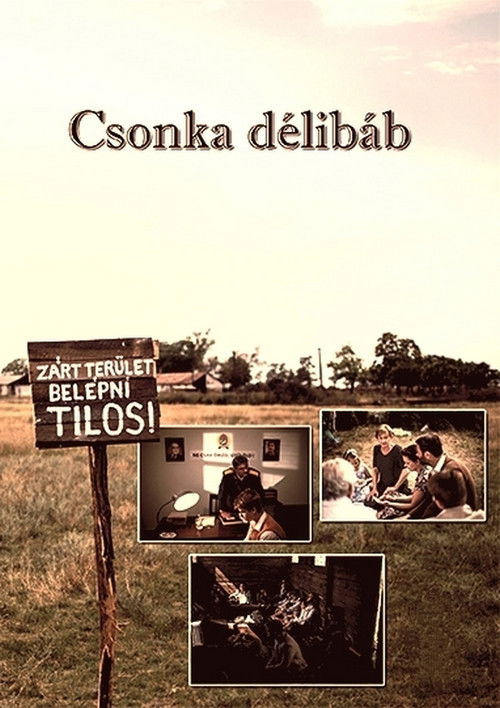
One of the darkest chapters of the communist dictatorship of the 1950s was the Hortobágy labour camps, where thousands of people were deported without any trial, mostly families living on the western and southern borders. The complex of institutions, which was established in the farmland of the lowlands in strict secrecy, existed until 1953, but even after that it was not openly discussed. The film is based on real documents and recollections, which make the story real and true to life, told from the point of view of the thirteen-year-old son of a displaced family. Andris's family is summoned one morning by the ÁVH. An evacuation order has been issued and the whole family must leave their home. They are given an hour to pack their 50 kg of personal belongings, and the wagons are already on their way to the unknown, to Hortobágy, where they will be sent to a large camp.
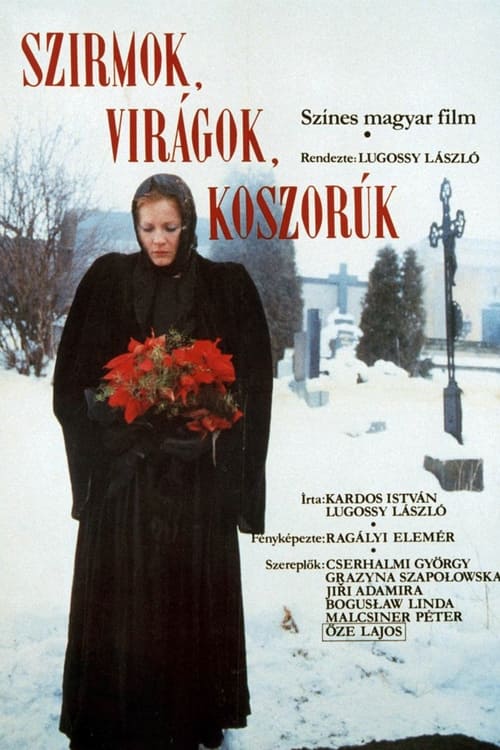
The seeming hopelessness of combatting an all-powerful government that will not tolerate political dissension is the focus of this excellent historical drama set in the mid-19th century in Hungary. In the opening scenes, Hungary has just lost its bid for independence from Austria and a Magyar officer, unable to bear the tragedy of defeat and what it means, says an affectionate good-bye to his beloved horse and then shoots the animal and himself. Two years later, Ferenc (Gyorgy Cserhalmi) is trying to eke out a living for his wife and her family -- and at the same time avoid any hint of sympathy for Hungarian independence because the Secret Police are everywhere. Just as life seems to be going well, Ferenc's former commanding officer (Lajos Oze) arrives and begins discussing revolution again -- a futile pursuit at this point in time. The next day, Ferenc is thrown into an insane asylum and everyone else is arrested as well.
The week-days of a youth-camp, playing democracy, are depicted in this documentarist satire. Due to faulty organisation, the Budapest high-school students get only working tools, but no work to do. The camp leadership tries to cover up facts and urges them to be initiated into "community life".
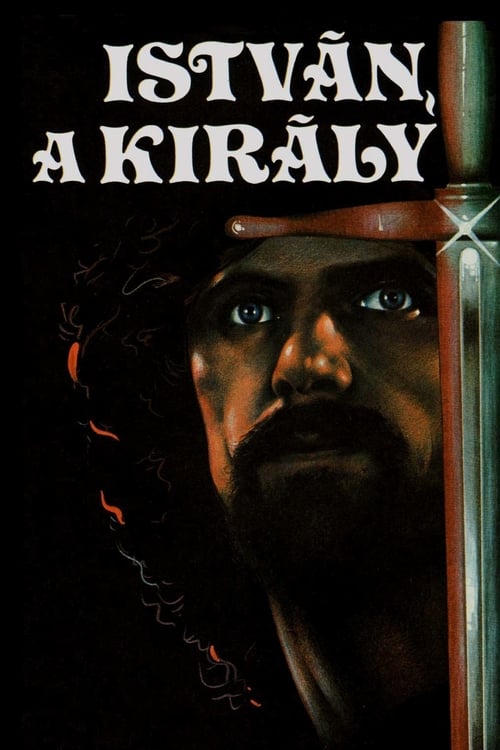
István, a király ("Stephen, the King") is a Hungarian rock opera written by Levente Szörényi (music) and János Bródy (lyrics), based on the life of Saint Stephen of Hungary. The storyline was based on the play Ezredforduló (Turn of the Millennium) by Miklós Boldizsár, who co-wrote the libretto. The opera was first staged in 1983 on an open-air stage in Budapest. This first performance was also made into a 1984 film, directed by Gábor Koltay, and its music released on an album. The musical became a smash hit and is still very popular in Hungary and among Hungarian minorities in neighboring countries.
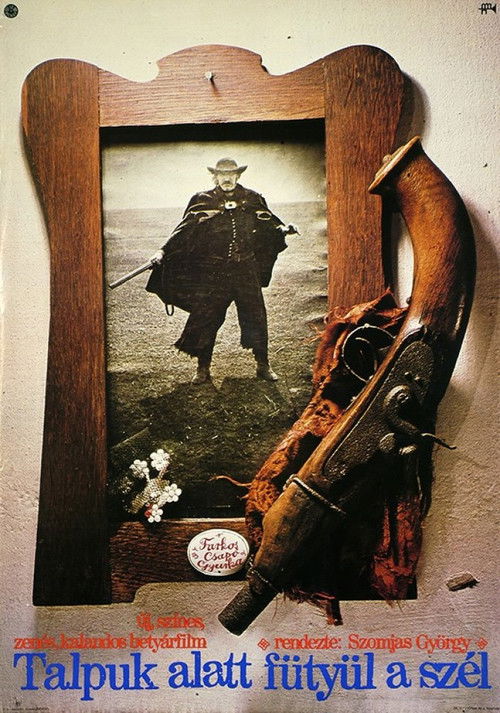
In the 1830s, legendary outlaw Farkos Csapó Gyurka escapes from prison and returns to the Hungarian Great Plain to avenge his betrayal and reclaim his dominance over the puszta. While the local impoverished herdsmen protect him, a determined peace officer relentlessly hunts the bandit to establish modern legal order.
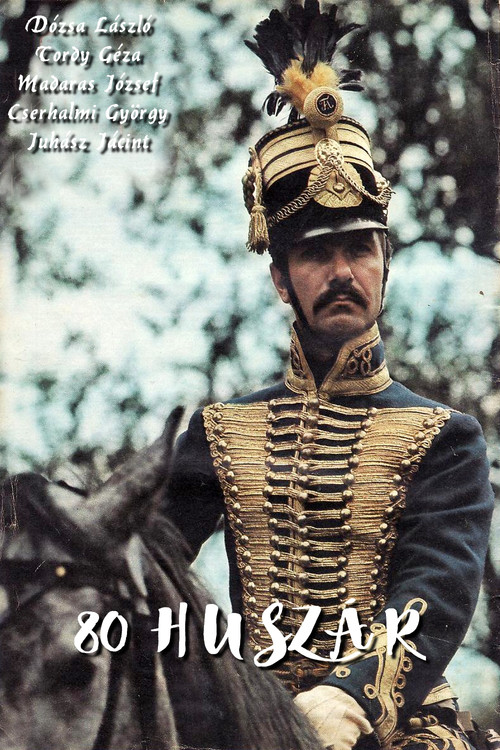
The film tells the story of a regiment of Hungarian hussars stationed in Poland. The hussars, mostly ordinary men, have heard news of the uprising and wish to return to the homeland to defend the newly independent country. The Empire, on the other hand, is firmly resolved that all Hungarian troops in the imperial army should be kept as far away from the trouble spot as possible, knowing that most soldiers would be loyal to Budapest rather than Vienna.