Directing
During Brazil’s Carnaval, the country escapes the mundane in exuberant fashion: sexual freedom, elation, and ostentatious displays of art. But even the most joyous of celebrations cannot erase the cancer of femicide plaguing this country. Set to the backdrop of Carnaval, this series unlayers ten stories based on real events that reveal the cultural contradictions present in this “festive” country.
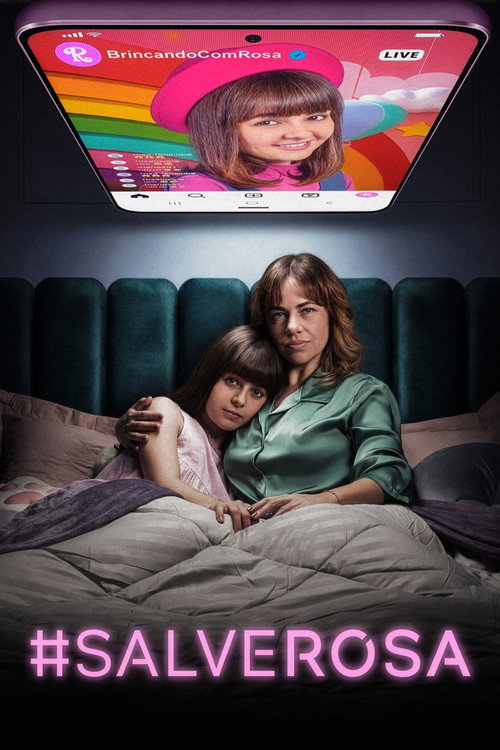
A young influencer decides to investigate her past after fainting at school. What she discovers puts not only her relationship with her overprotective mother at risk, but also her own life.
No description available.
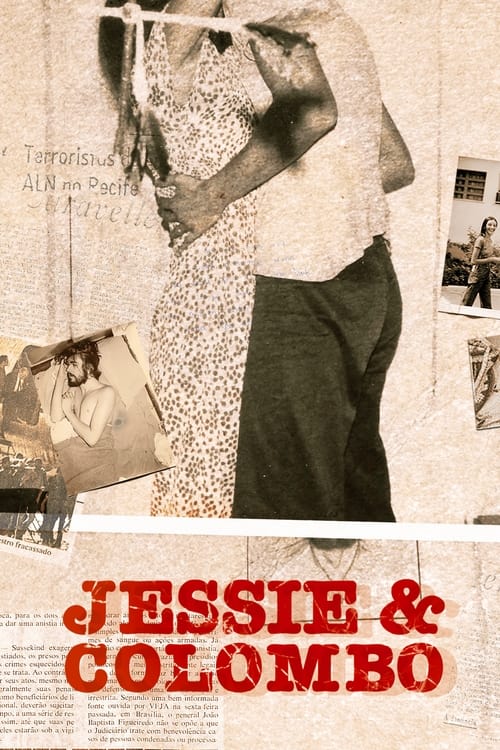
A story of love and revolution told through letters written by a couple in the dungeons of the dictatorship. The emotional bonds tied together the past and present of two oppressed families.
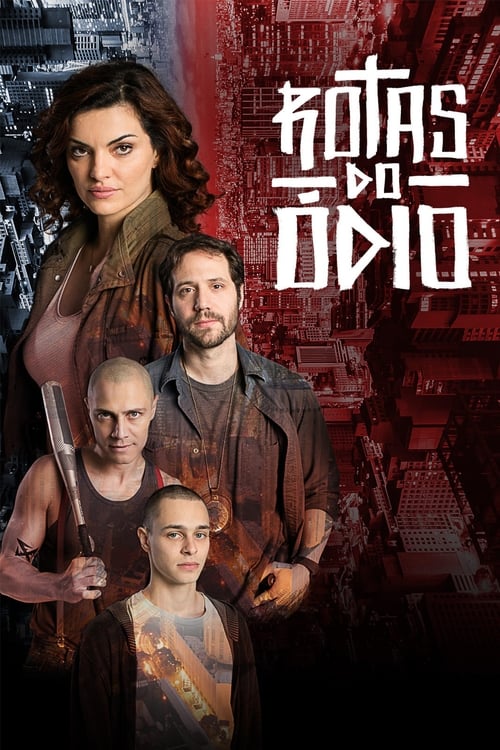
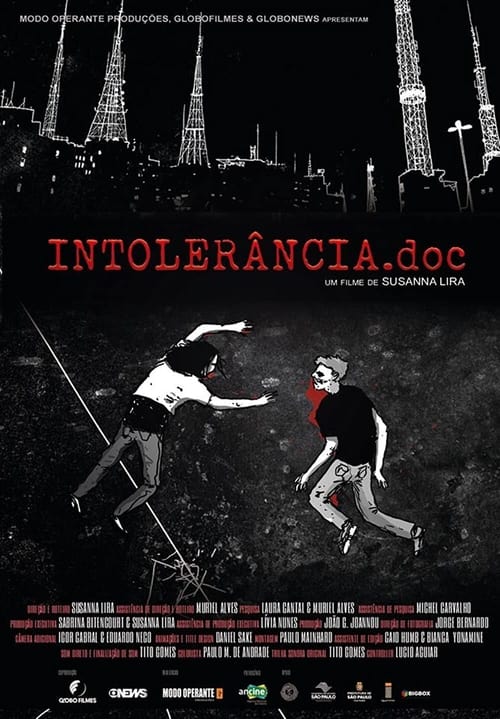
The film gets into the underworld of crimes involving homophobia, soccer organized fans, and gangs in Sao Paulo city. It shows the team’s work routine of DECRADI, the only unit specialized in this field, as they search for people who have made hate speech into cruel murders.
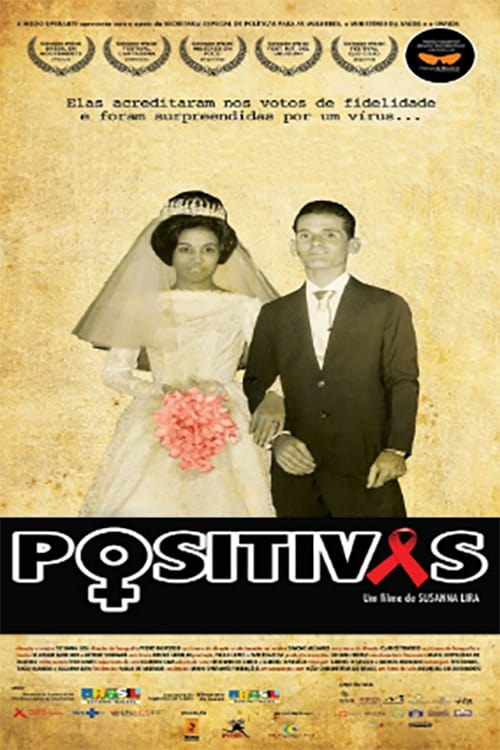
The film presents the experiences of women who contracted the AIDS virus from their husbands or steady partners, and highlights the main factors responsible for the feminisation of the disease in Brazil.
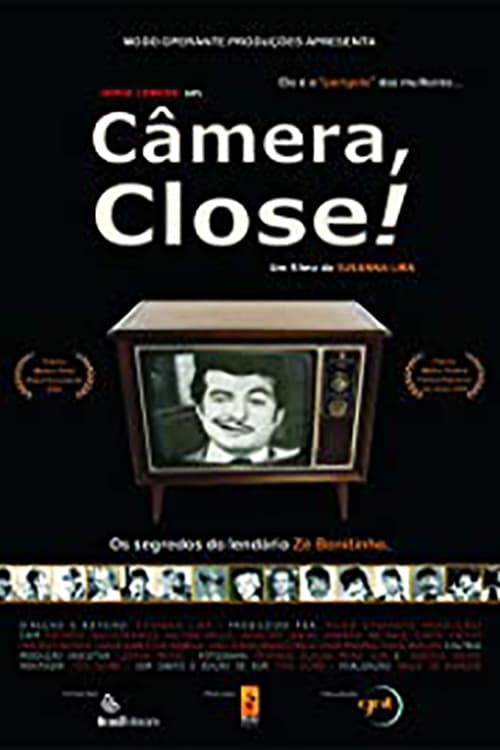
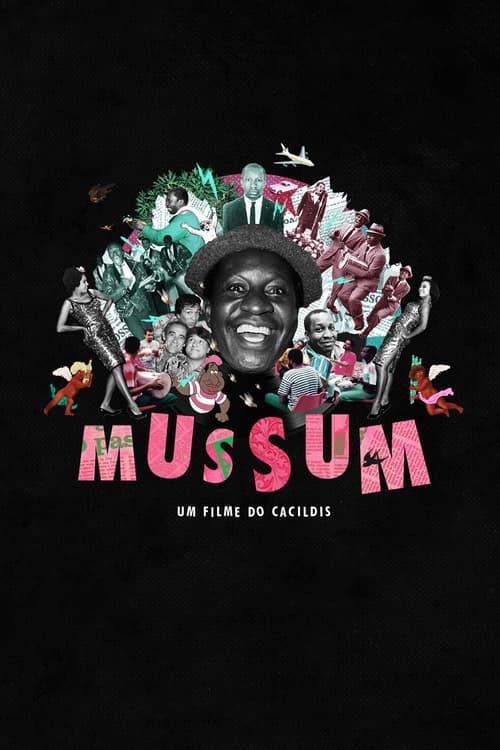
The trajectory of musician and comedian Mussum as vocalist of the group "Os Originais do Samba" and later in cinema and TV as a member of "Os Trapalhões", a group that revolutionized the way of making humor on Brazilian television.
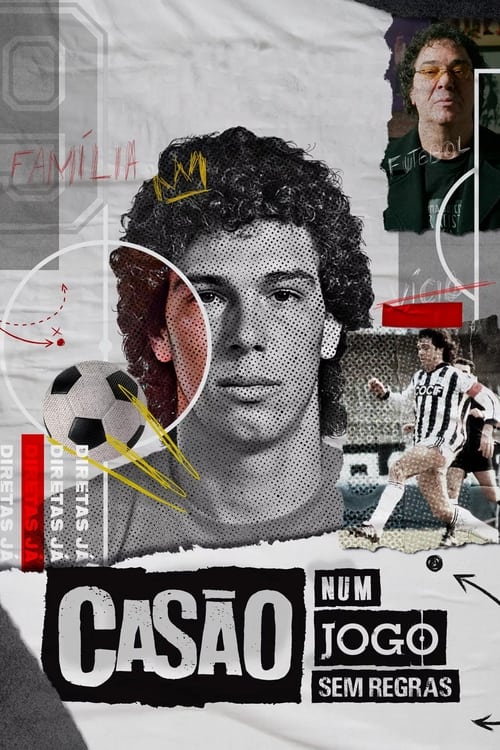
An intense journey that says a lot about recent history. Few characters allow to peel so many layers of Brazilian society as Walter Casagrande Júnior, aka Casão: former striker of the Brazilian team and idol of Corinthians. Fruit of a unique space-time: the military repression of the 70s and the cultural effervescence of the 80s.
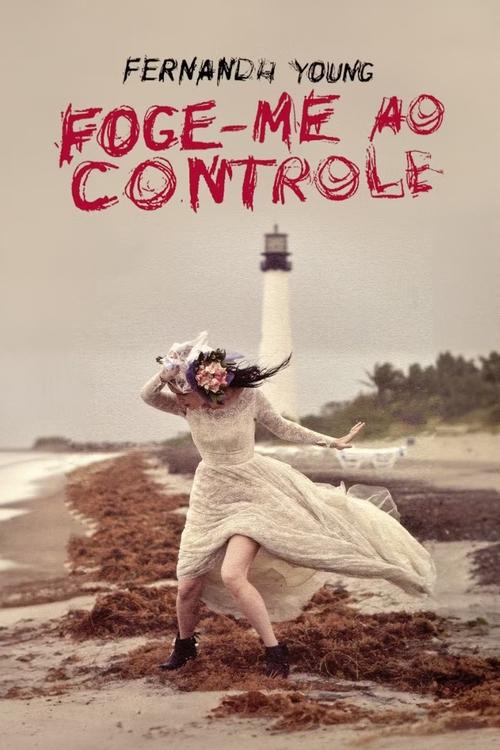
A dive into the intimate and creative universe of writer, screenwriter, and presenter Fernanda Young. The documentary takes an unconventional approach and becomes a poetic essay, using disruptive archive collages and visual and soundscapes of intimate moments. The film is also an invitation to reflect on creativity and artistic courage.
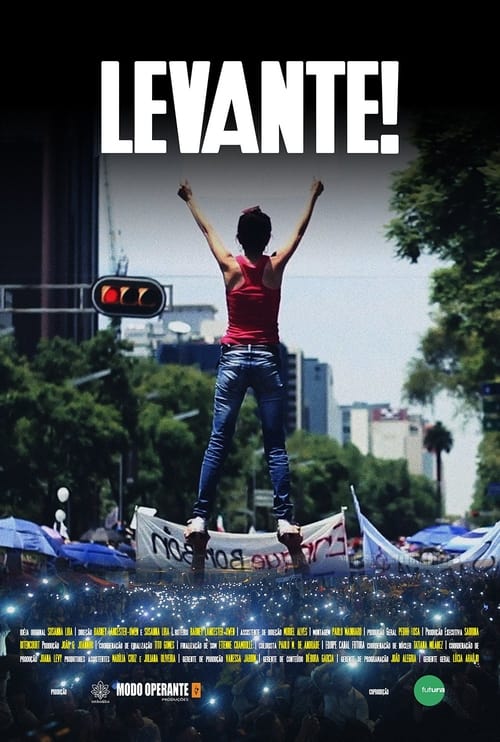
"Levante" won Canal Futura's annual documentary competition in 2014 and was filmed in Brazil, Mexico, Japan, Gaza and Hong Kong. It first aired at 22pm on the 25th June on Canal Futura. The film is about inspiring people around the world who use technology to speak out against injustice such as Filipe Peçanha from Midia Ninja who used the Japanese Twitcasting app to broadcast the Brazilian protests of 2013 from his smartphone, Noor Harazeen from Palestine who created the first English-speaking youtube news channel in Gaza, and Howard Kong from the Apple Daily newspaper in Hong Kong who used a drone to film the conflicts between police and protesters in 2014.