Writing
Hanayome wa Jūgo-sai, directed by Mio Ezaki and distributed by Nikkatsu, stars Masako Izumi and Ken Yamauchi. The high-key pink background and casual photographic portrait embody Nikkatsu’s 1960s youth-film aesthetic. Clean, hopeful, and pop-oriented. The large white title, handwritten for a softer impression, injects playful energy that contrasts with the strict vertical text blocks. As Japan’s youth culture blossomed after the 1964 Tokyo Olympics, posters like this captured the spirit of romance and rebellion marketed to teenage audiences. The vivid color palette and carefree composition signal a stylistic shift from postwar black-and-white melodrama to the vibrant optimism of modern Technicolor cinema.
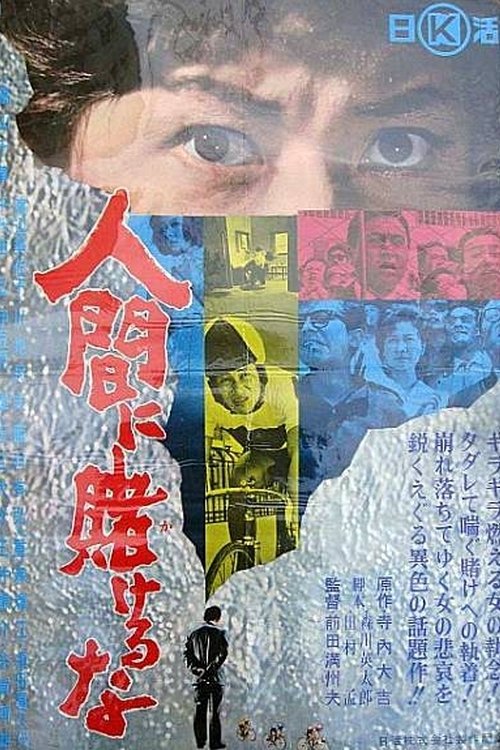
No description available.
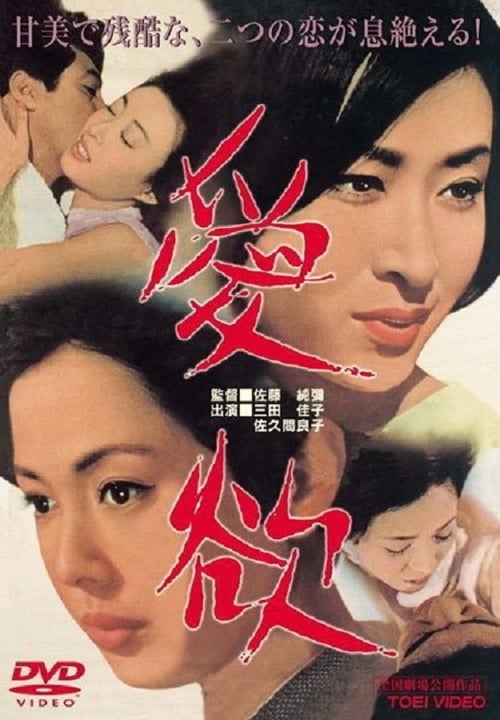
Natsuko, a Tokyo bar proprietress, and Yuki, a Kyoto Ryokan owner, vie for the affections of an advertising professional.
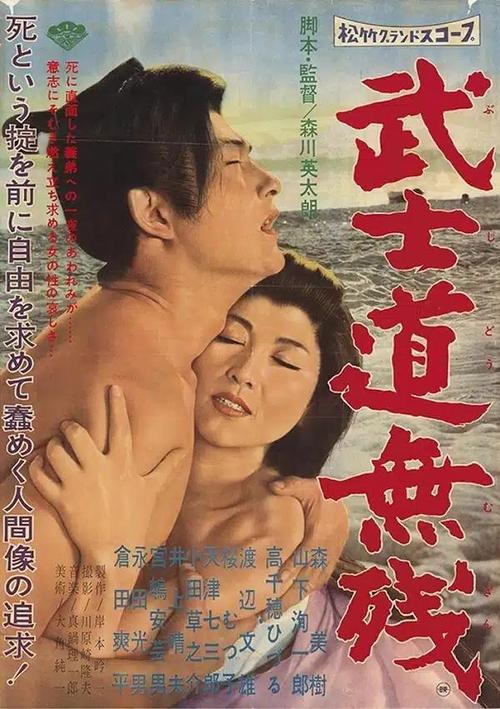
A 16-year-old boy is ordered to commit ritual suicide to follow his deceased lord into death and preserve the honor of his clan. His elder brother's wife, who has raised him as if he were her own child, asks her husband for permission to spend a single night with the young man and teach him the pleasures of the flesh, out of motherly mercy and desire. However, the following day, a newly issued official decree changes everything...
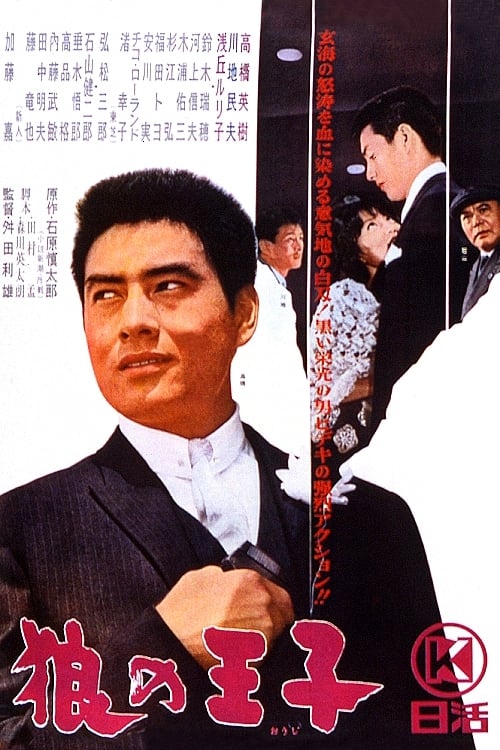
As the post-war turmoil continued, Take, the boss of the waifs, stole the money of US soldiers and lived with friends. They were like children of wolves. By chance, they were found by and became a members of a yakuza family. Five years later, Take dominated the port town as a young boss.