Acting
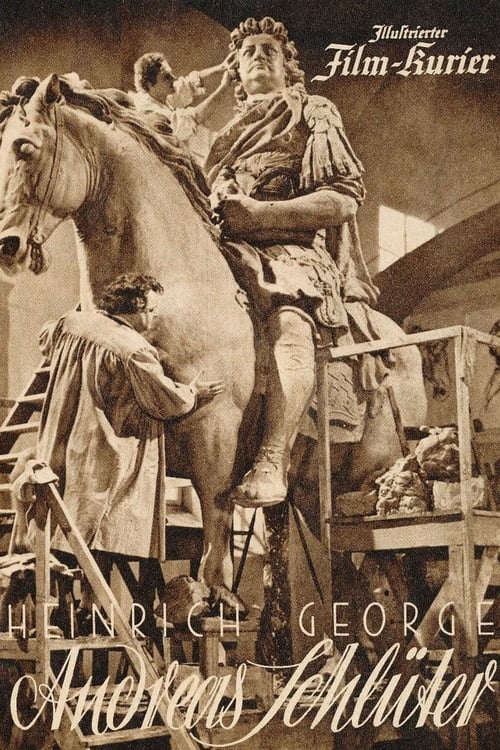
Historical drama portraying the life of German baroque architect Andreas Schlüter.
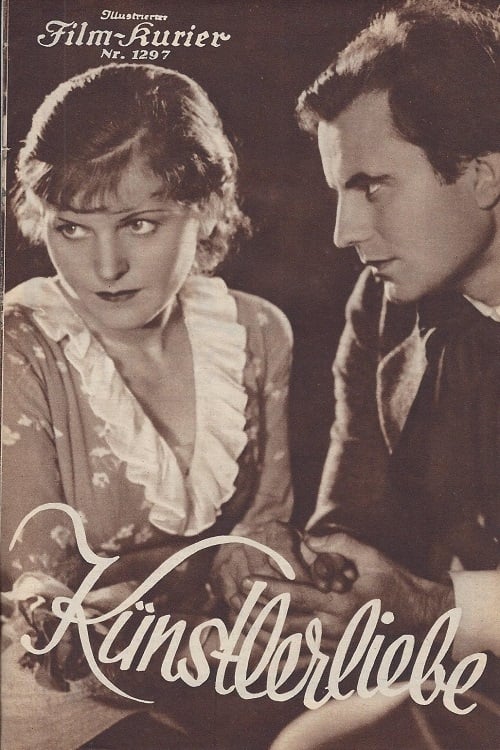
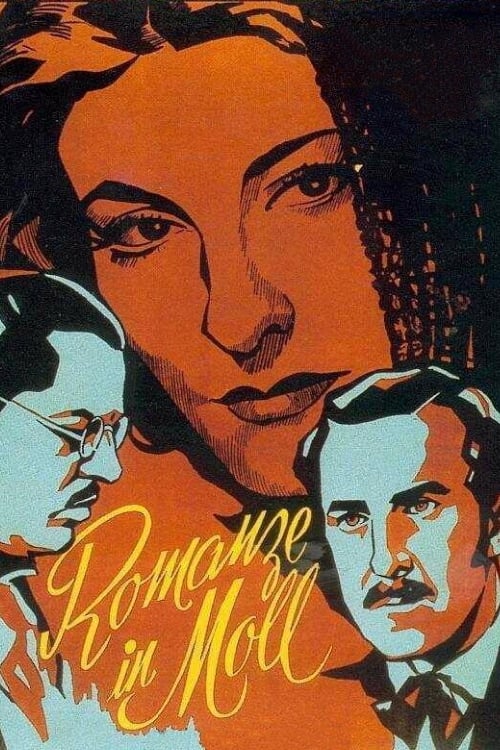
In 1887 in Munich, a rising artist paints a portrait of a dancer. The success of it during an exhibition leads to him being awarded a major commission in Rome, and he begins to move in high society. By the time he returns home he has almost forgotten about her.
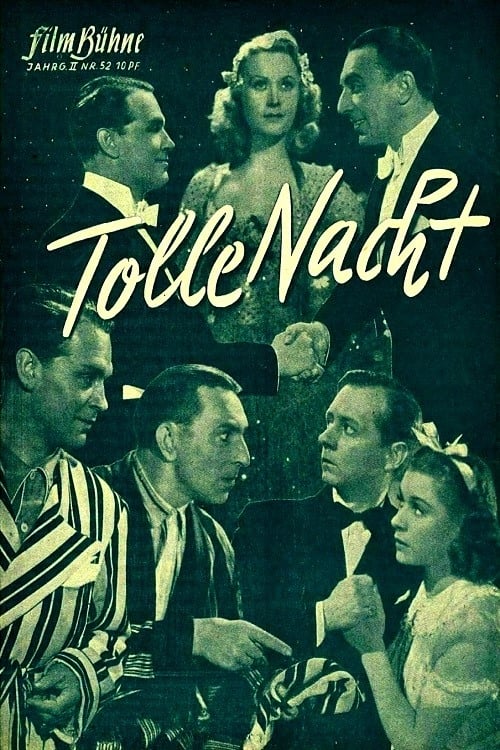
The niece of a wealthy manufacturing aunt has secretly married. Her husband has lost his way during the night in his pajamas at a spa and ended up on the balcony of an attractive singer.
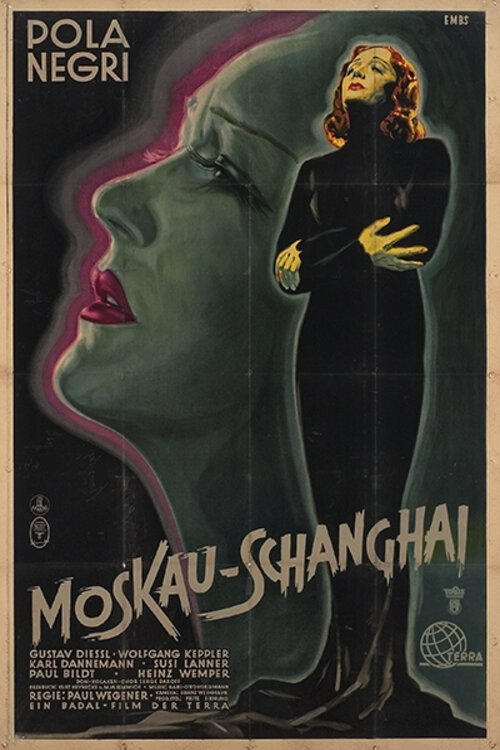
Spanning the years between the Bolshevik Revolution and 1930, this Negri vehicle focuses on an exiled Russian noblewoman who has lost track of her daughter and of a young officer she pined for.Until she finds them both again and together.
The stand-alone opera singer Carmen Casini dare not admit to her adult son, the spoiled race car driver Cecil, that she ruined her voice on a stormy day at the racetrack and that her career is thus at an end. Meanwhile, Cecil has fallen in love with the pretty Colette … without suspecting that her father, the wealthy Bartell, was a former lover of his mother and that he’s Cecil’s daddy. Thus, both Carmen and Bartell try to prevent the unfolding love-relationship between brother and sister, because this ain’t the Ozarks, you know! Only after the unhappy Cecil tries to commit suicide after an argument with his mother do Carmen and Bartell realize they still love one another. Suicide attempt be damned; let’s go out on a date! A movie that screams “Fun for the whole family.”
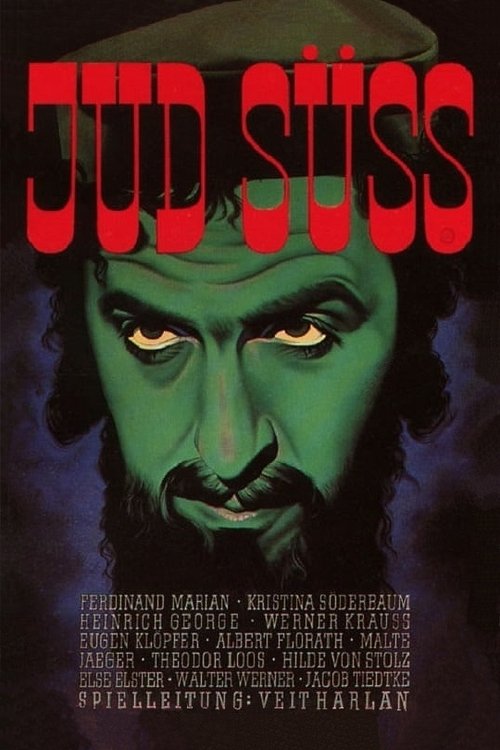
Nazi historical drama about Duke Karl Alexander of Württemberg and his treasurer Süß Oppenheimer.
Berlin's theatre crowd is excited about the new operetta "Frau Luna". But for the head of the city's vice police, who was invited to the dress rehearsal, the costumes for the ladies onstage are a bit too revealing. He demands the show be cancelled as offensive. The president of the Thusneldenbund has taken it upon himself to alert everyone about the growth of immorality in the capital. The theatre director Knopp has come up with an idea to convince these "fine" gentlemen to let the operetta go onstage again: He intends to win over the friendship of the moral police and then nothing will stand in the way of "Frau Luna" once more being performed.
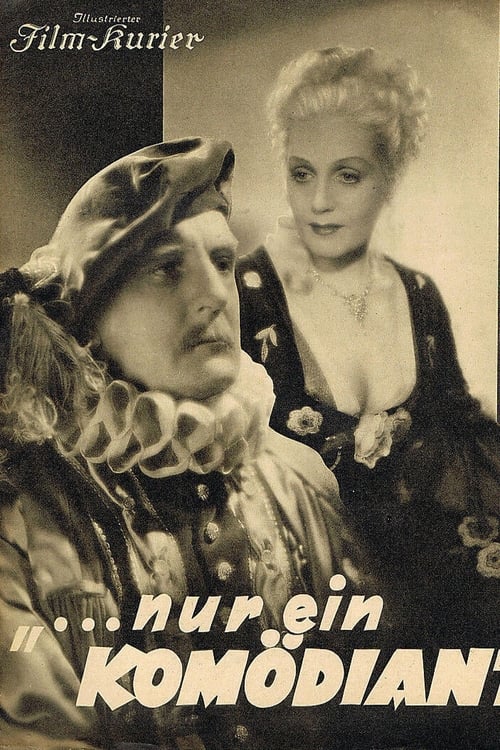
A moving actor at the rococo era shows the power-hungry-crude minister of a small state prince in the barriers, while he makes use of his resemblance to the sovereign and slips in his role. - Double role for Rudolf Forster who plays his figures very much chilly.
Alexander and Poldi, the “Sunday Children”, work as a headwaiter and servant in the Palasthotel in a southern German spa resort. Like many people, they dream of one day being rich. But when their lottery ticket actually wins, their friendship is destroyed, when it turns out, that Poldi stopped buying tickets to save money. Both then fall in love with beautiful Steffi, whose aunt won’t hear of anything other than a marriage to a rich man. Steffi gives her heart to poor Alex, while Poldi actually receives a fortune. When a crook ends up taking his money away, Alex helps Poldi to convict the fraudster and get his money back.
The young Styrian woman Therese Brandl desperately wants to work in the theater and therefore travels by train to Vienna to pursue artistic training. The scholarship granted by the elderly Countess Hoyer is intended to guarantee her financial independence. Unaware that she is to be picked up from the Vienna train station, the student immediately takes a taxi upon arrival and asks for recommendations for both an affordable hotel and a charming little pub. Therese gets approached by an older gentleman, a gray-haired bon vivant with considerable life experience. After several glasses of wine, they leave the establishment together and go to Therese's room. Apparently, things escalate there, and they spend the night together without having been introduced. The surprise is all the greater for Therese when she goes to the drama academy the following day to begin her training: her future teacher is none other than the gallant and lover from the previous night, Dr. Alexander Dahlen.
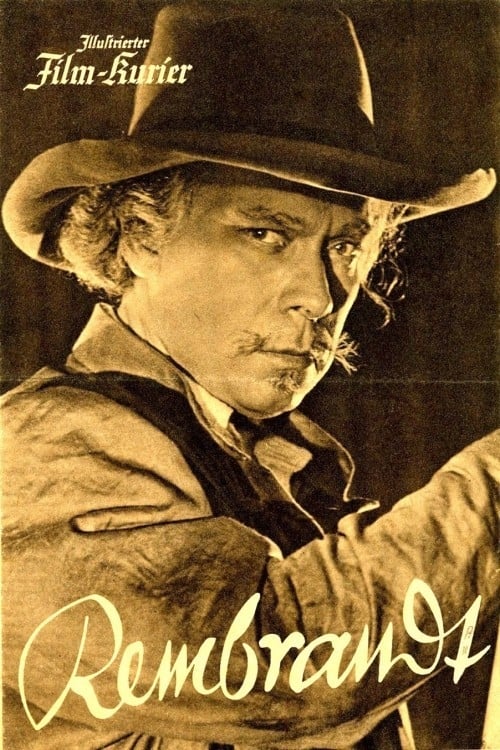
Already a famous painter, Rembrandt van Rijn is commissioned to paint the Amsterdam Archers' Guild. But upon completion of the picture, the men of the guild feel duped, because they don't consider themselves flatteringly depicted in the painting. They therefore decline to pay for the work. During this dispute, the painter finds out his wife is close to death. He finds himself terribly lonely after her passing and suffers from depression until he decides once more to marry.
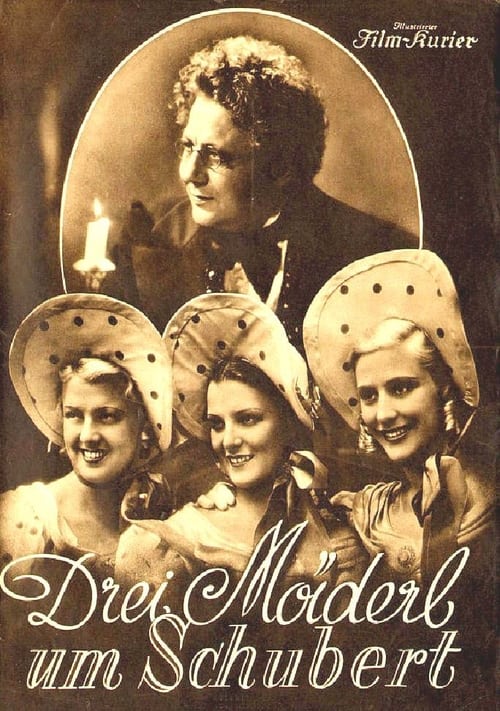
Composer Franz Schubert becomes involved with a family with three daughters, falling in love with the two blonds, first one, then the other; but will he notice the quiet brunet third daughter, who has fallen madly in love with him?
A grieving husband tries to uncover the truth behind his wife's suicide, leading him to discover a tragic tale of infidelity and redemption.
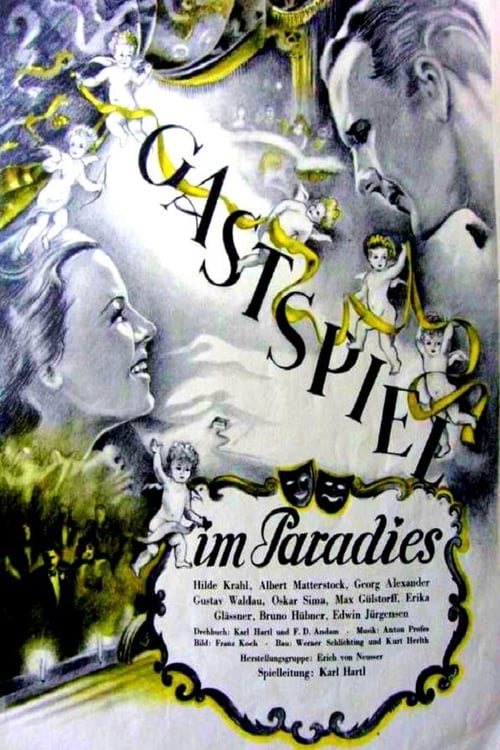
Resolute Ellen takes over the operations of the Grand Hotel "Paradise" from her father and immediately goes into action to increase profits. The first thing she does is turn off the flow of money to a theatre her father was financially sponsoring. Then she throws the charming flirt Count Wetterstein out on his ass after not having paid his hotel bill for two weeks. The alleged count takes on a position as a waiter in the "Paradise" and as Ellen has, in the meantime, fallen for him, she puts him in a managerial position, where he can't so easily flirt with other women. But Wetterstein is being pursued both by the police and creditors and disappears in quick order once again.
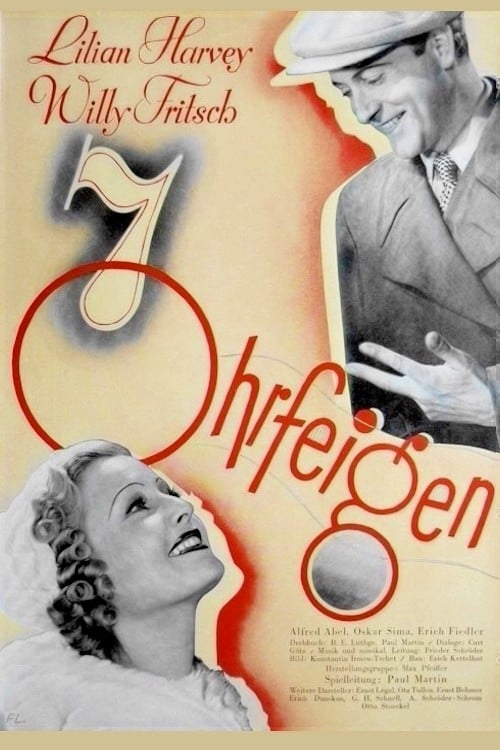
William MacPhab loses seven-pounds in the stock market and decides to slap the man who was responsible for the stock manipulation that caused him to lose his money. Astor Terbanks, the stock-market manipulator is surprised the next day when he gets soundly slapped by MacPhab, and the latter promises to deliver one more a day for the next six days. Terbank's daughter, Daisy, is amused by the procedure and is attracted to MacPhab.
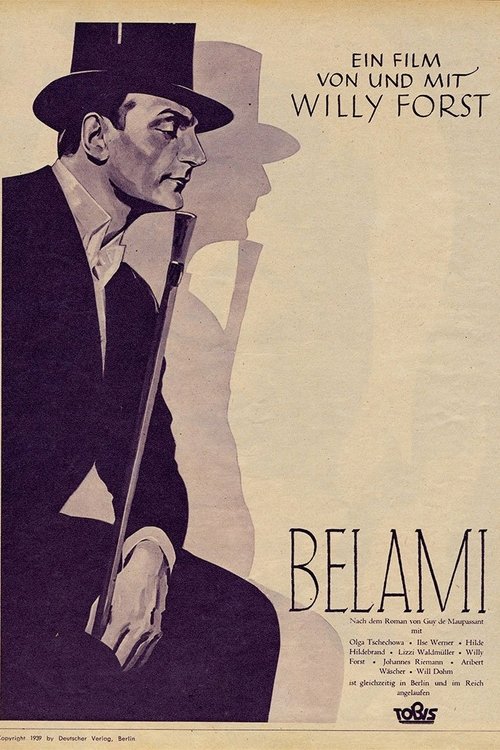
Shortly after being demobilized, Georges Duroy becomes aware of his power over women in the arms of Rachel, a young singer. Thanks to his good looks and his charming manners and his unabashed cynicism he will rapidly rise to the top by courtesy of women women (Mme Walter, Clotilde, Madeleine), from journalist to member of Parliament to cabinet minister. But it is also the fair sex that will cause his fall in the end.
Professor Schott, director of the Oberland Mountain Observatory, has discovered a new star, which he names "Nova Hercules." Working alongside him are Dr. Gerellis and Dr. Alvens, both vying for the affections of the new assistant, Dr. Aenne Bruck, while the professor's wife, unhappy in her marriage, is interested in Dr. Gerellis and therefore wants a divorce. Due to the emotional entanglements, disappointment, and jealousy, considerable tension arises at the observatory. Then Professor Schott is found dead—poisoned with cyanide. Initially, Gerellis is suspected of the murder, but a photograph of the newly discovered star takes an unexpected turn.
The engineer Wolff Benningsen (Volker von Collande), a self-assured and über-obnoxious jingo jerk meets the young art student Vika von Demnitz (Leny Marenbach) while climbing in the Alps. One get's the idea that he would like to knock her over the head with a club and drag her to his cave but since this is out of fashion he decides to stalk her and annoy her heavy-handedly into a full submission. Understandingly, she instantly dislikes the lad and tries to shake him off. She succeeds a few times but then starts to suffer from some kind of Stockholm syndrome and falls for him. But that's not enough for him, being an infantile egoist he wants to tame the "wild bird" fully and break every last bit of her own will. It's all hard to believe if you haven't seen it yourself.
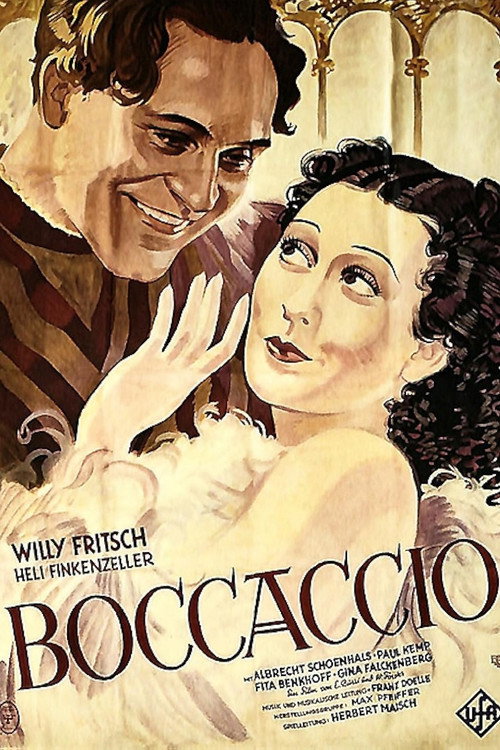
The film is set during the Italian Renaissance in the 14th century. Petruccio lives in Ferrara with his wife, Fiametta. Initially, he works as a scribe at the city court. Under the pseudonym Giovanni Boccaccio, he writes amorous tales that divide opinion within the city. While the women read the texts with delight, the men are outraged by their moral licentiousness.
A celebration of strong Prussian leadership during the reign of Frederick the Great.