Rubens de Falco
Acting
Biography
Rubens de Falco (October 19, 1931 — February 22, 2008) was a distinguished Brazilian actor celebrated for his commanding presence and memorable portrayals of antagonists. He began his artistic journey in theater, joining the São Paulo-based group Os Jograis in 1955 alongside Ruy Afonso, Ítalo Rossi, and Felipe Wagner. His film debut came earlier, in 1952, with a small role in Apassionata, produced by the legendary Vera Cruz studio. De Falco became a household name through his work in Brazilian telenovelas, particularly for his villainous roles. His most iconic performance was as Leôncio Almeida in Escrava Isaura (1976), a role that defined his career and became a cultural touchstone. He reprised a related role in the 2004 remake, appearing as Comendador Almeida, Leôncio’s father. His television credits include Gabriela (1975), O Grito (1975), Dona Xepa (1977), Sinhá Moça (1986), and Os Imigrantes (1981), among many others. Known for his blue eyes, distinctive triangular mustache, and smooth baritone voice, Rubens de Falco brought elegance and intensity to every role. In 2006, a stroke left him unable to speak or act, and he spent his final years in assisted care. Despite this, his legacy as one of Brazil’s greatest actors remains firmly intact.

Known For

No description available.
Os Imigrantes

A hardworking market vendor, Mrs. Xepa faces many sacrifices to raise her children alone. However, as they achieve social advancement, they begin to feel ashamed of their mother.
Dona Xepa

Herculano Quintanilha, after a failed coup and escape from prison, becomes a magician. He meets Márcio, a conflicted heir, and begins to influence his powerful family.
O Astro

No description available.
Escalada

Monarchists and Republicans confront themselves in Araruna, a small town in the interior of São Paulo, in 1886, two years before the promulgation of the Golden Law. Sinhá Moça's love story, daughter of Colonel Ferreira, Baron de Araruna, and a slave-boy, with the young Dr. Rodolfo, an active Republican abolitionist, faced with the difficulties of the campaign for the abolition of slaves. The two meet on the train, when Sinhá Moça, after completing her studies in the provincial capital, returns to Araruna. Like Rodolfo, she has abolitionist ideas and criticizes her father's attitudes, fighting for the defense of blacks. Sinhá Moça, together with Rodolfo and other abolitionists, invade the slave quarters at night and liberate the blacks, giving them to the abolitionist associations, which guide them towards freedom.
Sinhá Moça

No description available.
Gabriela

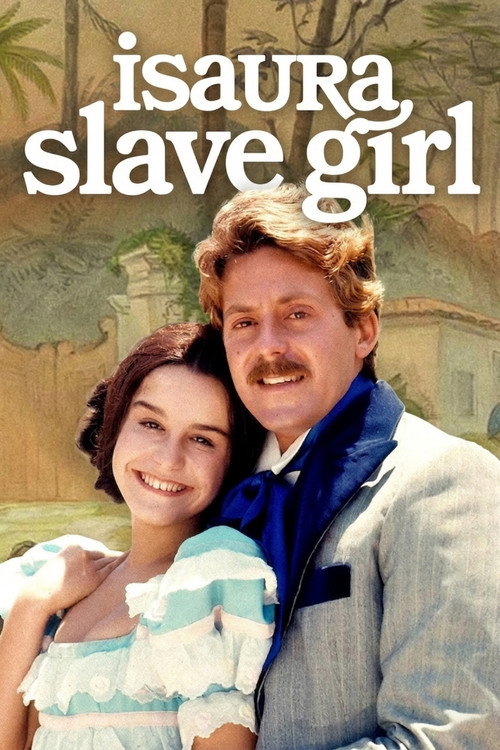
Set in 19th-century Brazil during the waning years of slavery, Escrava Isaura tells the story of Isaura, a white-skinned enslaved woman raised with the manners and education of a noble lady. Though treated with affection by her mistress, Isaura remains legally enslaved and becomes the object of obsessive desire by Leôncio Almeida, the cruel heir to the plantation. After the death of her protector, Isaura falls under Leôncio’s control. Despite his attempts to seduce and dominate her, she resists, determined to preserve her dignity and freedom. Her father, Miguel, helps her escape to Recife, where she adopts a new identity and meets Álvaro, a wealthy and principled abolitionist who falls in love with her. Leôncio eventually tracks her down, leading to dramatic confrontations. In the end, Álvaro rescues Isaura by purchasing Leôncio’s debts, securing her freedom and affirming the story’s central themes of justice, love, and resistance against oppression.
Escrava Isaura

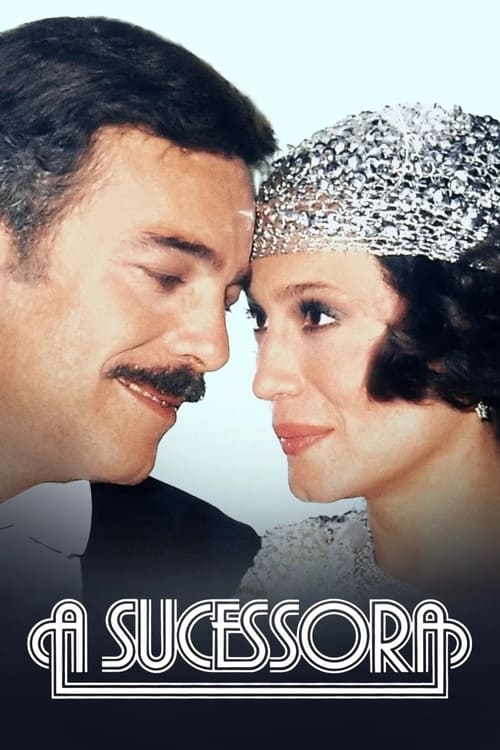
The story follows the experiences of Marina, a young country bumpkin who marries the mysterious and charismatic widower Roberto Stein, a fabulously wealthy businessman living in 1920s Rio de Janeiro. As Marina attempts to acclimate to her new marriage and responsibilities, she discovers that Stein's late wife, Alice, still seems to have a strong hold over the household. Despite her new husband's affection for her, Marina is nonetheless threatened by Alice's presence, which is made conspicuous through her old maid Juliana's obsessions and her intimidating portrait.
A Sucessora

A widower who was anything but traditional for the 1950s, Álvaro has a frank relationship with his daughters and becomes the target of criticism from his sister-in-law Fausta, especially when he meets Marta.
Bambolê

No description available.
Tempo de Viver

No description available.
Sangue do Meu Sangue

No description available.
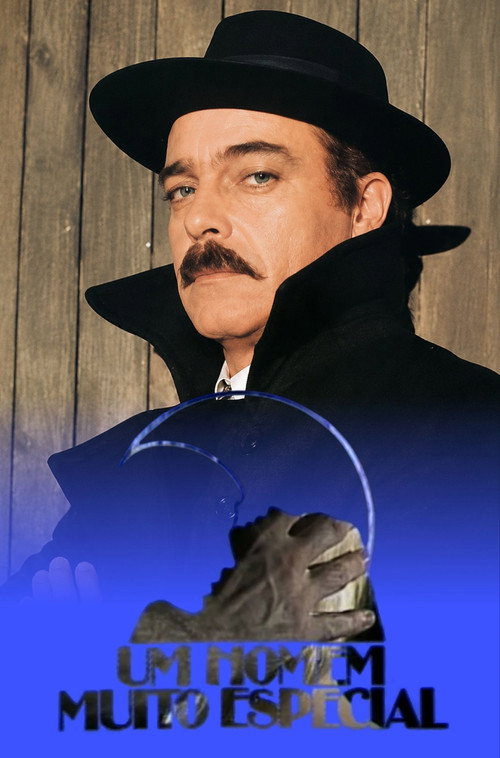
Um Homem Muito Especial

No description available.
Campeão

No description available.
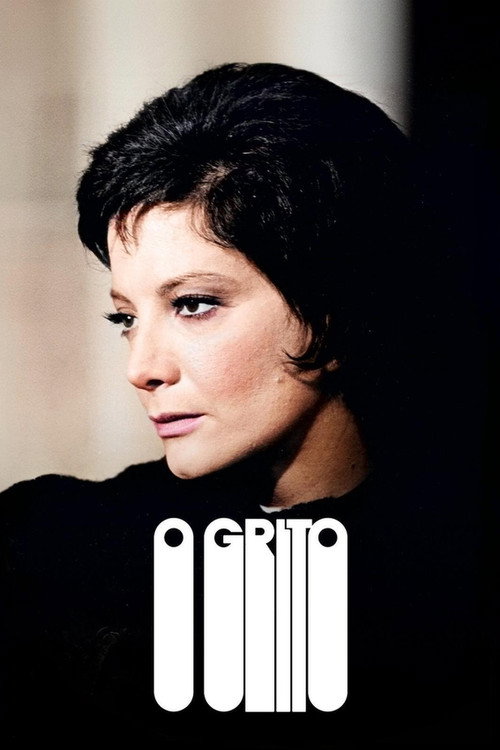
O Grito

Manoela is employed in the home of Donato, an employee at a cosmetics factory, and Carolina. After her boss's death, Carolina finds herself unprepared to deal with the serious financial difficulties and fires Manoela, who agrees to work for free, becoming a kind of guardian angel, advisor, and administrator of the house. To pay the mortgage on the property, she suggests that Carolina rent out two of the vacant rooms. The new tenants are four students who have recently arrived in Rio to take the university entrance exam. During their studies, the young men meet Marcelo, nicknamed Belo, who falls in love with Manoela. The relationship gives her the opportunity, for the first time, to forget about other people's problems and live her own life.
Supermanoela

No description available.
Brida

No description available.
Maçã do Amor

No description available.
Os Ossos do Barão

No description available.
Gaivotas

No description available.