Camera
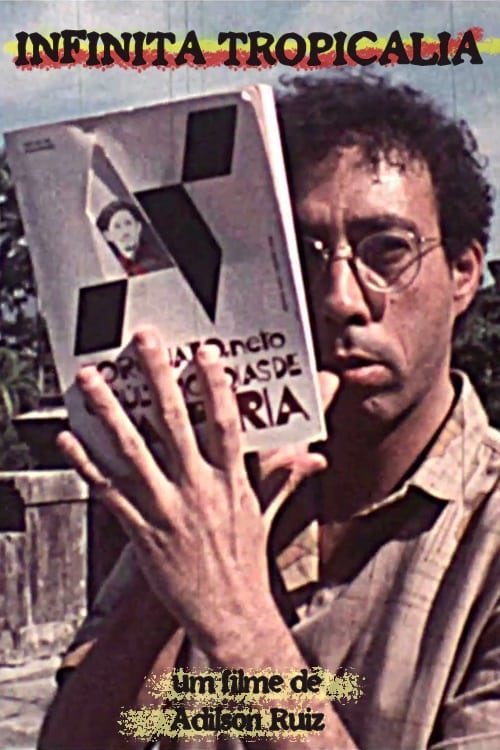
Tropicália was a Brazilian cultural movement that occurred between 1967 and 1968, inspired by Oswald de Andrade's anthropophagic ideals, pop art and the concretism. Twenty years later, this film revisits the movement and shows that Tropicalismo will never die.
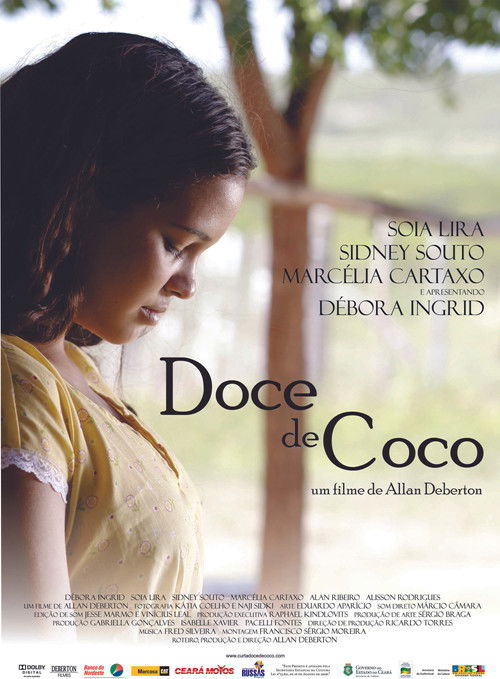
Diana's family produces coconut sweets. João gathers the coconut and Diana and Lucia make the sweets. Zacarias sells product in the city. One day, Diana goes to the river with her mother and her aunt Maria.
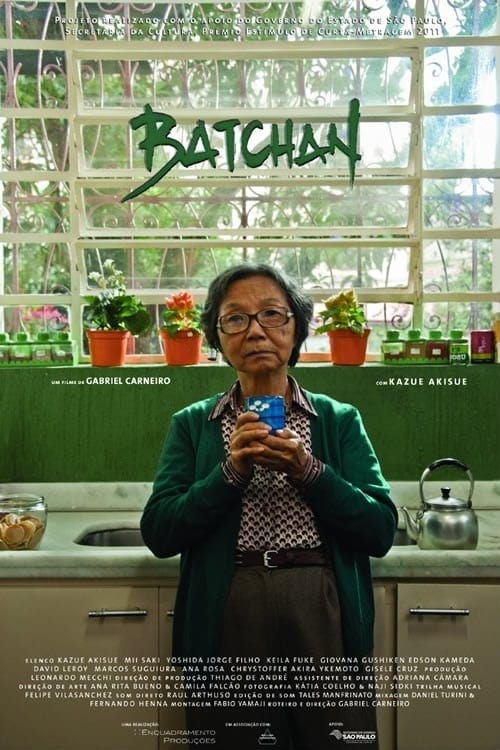
No description available.
A bus tour to São Paulo’s touristic spots bumps into several strange people.
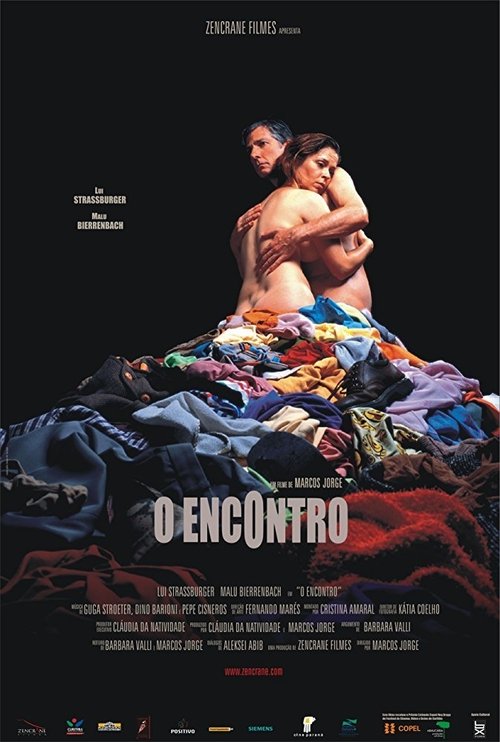
Couple prepare their "great voyage" in all details, not forgetting the flowers, music and luggage.
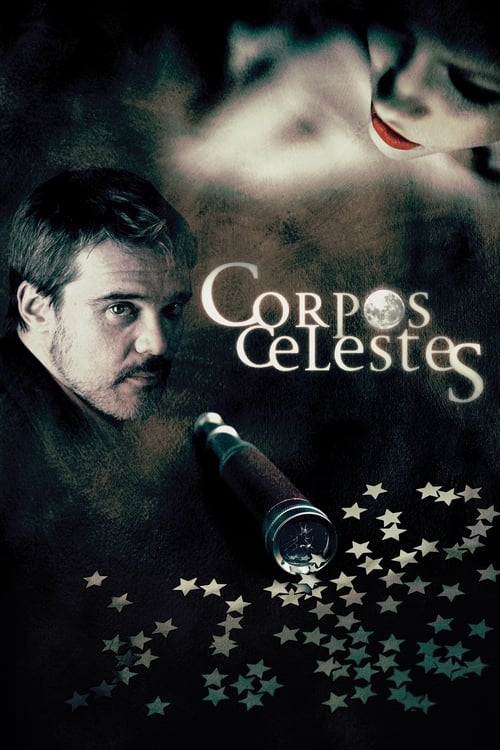
An astronomer is forced to leave the city where he lives in order to save his relationship. He ends up returning to the place he never intended to come back: The small town where he was born, stage of a great childhood trauma. Once there, he will discover the truth that will change his life forever.
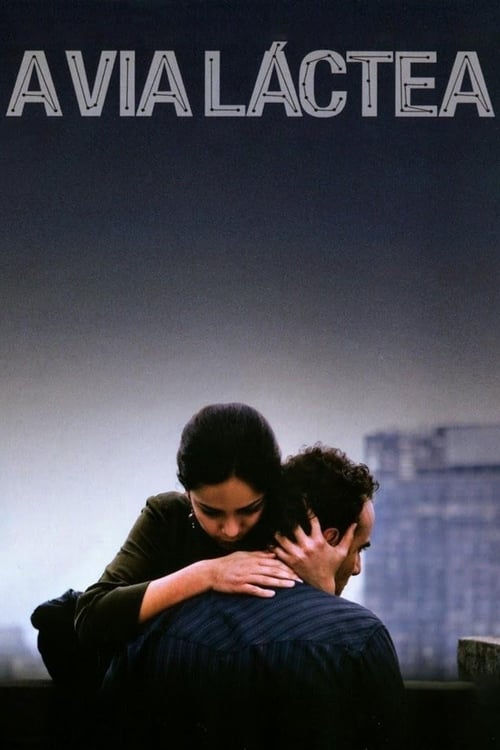
A modern love story set in Sao Paulo about Heitor, a writer and literature professor, and Julia, a theatre student turned veterinarian. A fight over the telephone propels Heitor into a journey through the chaotic city streets to reconcile with Julia. Their personal history unfolds against the backdrop of the city and its people in a series of events representing the struggle between poetry and science.
Hilário Pestana, the most famous, funniest and, ironically, saddest Brazilian actor, has died. He has passed through many stages of Brazilian cinema: the chanchadas, the Vera Cruz classics, the pornochanchadas, and even experimental movies. He was beloved by the public and had a gift for laughter, but he only desired to be a serious man.
A short story of love, betrayal, revenge, sex, death and mistreated hearts: Raul comes home to find his wife, Assyria, having sex with another man. He begins for him a spiral of depressive and violent feelings that only seem to pause in the brief moments of leaving the house, attracting the attention of Amanda, a saleswoman. a flower shop.
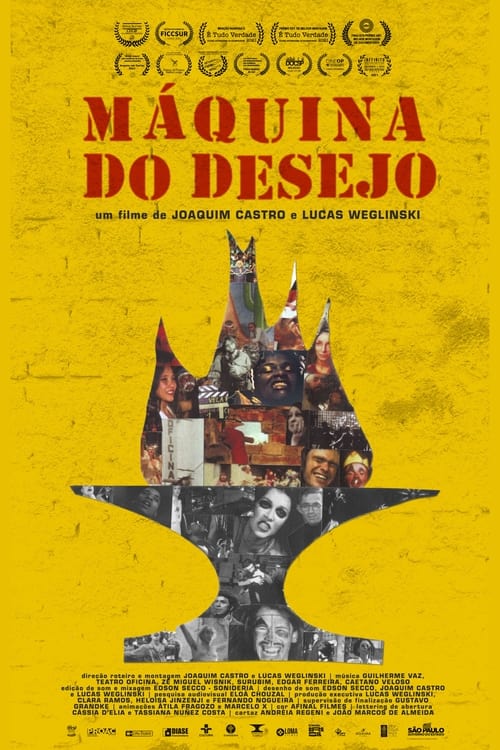
In six decades, Teatro Oficina has done more than revolutionize theatrical language in the country: the aesthetic influence of José Celso Martinez Corrêa's company extends from Tropicalism to the renewal of Brazilian audiovisual languages from the 1960s onwards. The film revisits a story that it involves personalities such as Caetano Veloso, Glauber Rocha, Lina Bo Bardi, Chico Buarque and Zé do Caixão, brings together scenic art, ecology, architecture and sexuality, and mixes art and life in the search for a Brazilian based language.
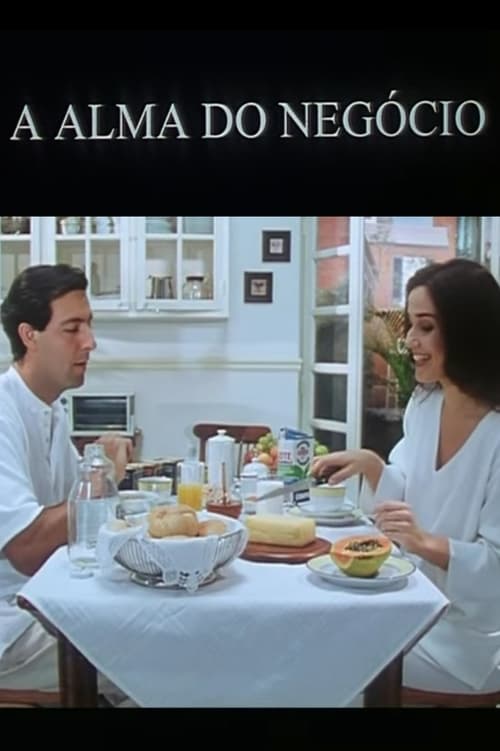
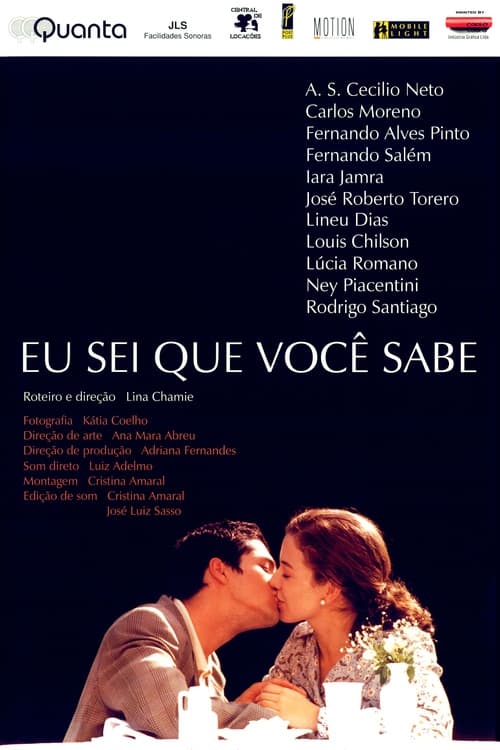
A modern couple from a typical advertisement: young, attractive, and brand-conscious. As they use the products on their breakfast table they begin to quote lines from the relevant advertisemnet. Soon their behavior departs from the accepted advertising norm as they zealously defend each other´s products to the death.
Disagreements, incommunicability between people. What is said is not heard, what is heard is not understood. Everything is ambiguous. What appears to be is not, except poetry.
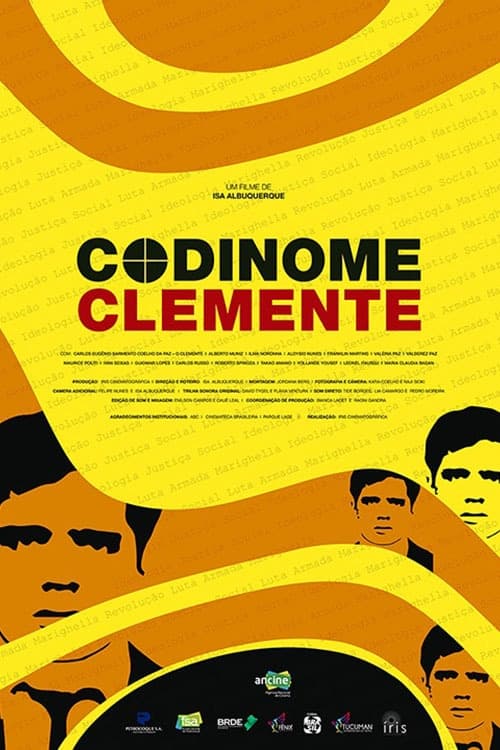
Carlos Eugênio Paz recalls his participation in the armed struggle against the military dictatorship between the 1960s and 1980s. Using the code name “Clemente”, he participated in the National Liberation Alliance and in several urban actions. Through her own testimony and that of her fellow fighters, director Isa Albuquerque builds a portrait of a troubled moment in Brazilian history and of an entire generation that fought for their country's democracy.
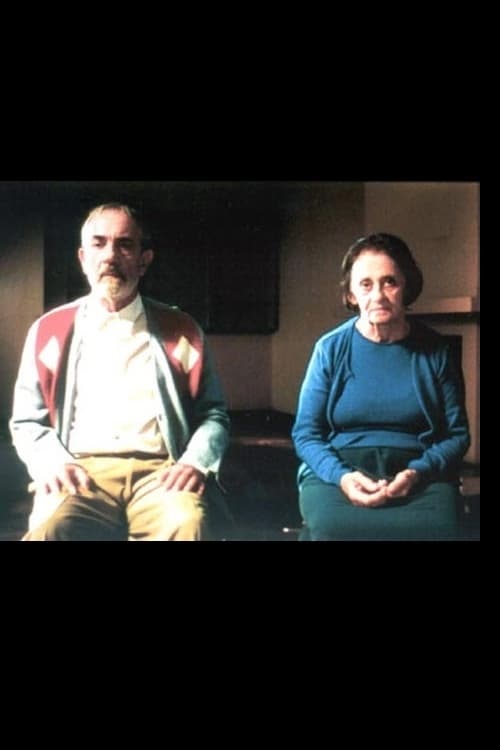
It's Friday night. Pedro and Anastácia are at home, like millions of other couples in São Paulo. Locked away in the living room of their apartment, Pedro and Anastácia's relationship finds an opportunity to reveal its degree of wear and tear. História Familiar portrays the banality of everyday life and contemporary emotional malaise.