David Lamelas
Directing
Known For
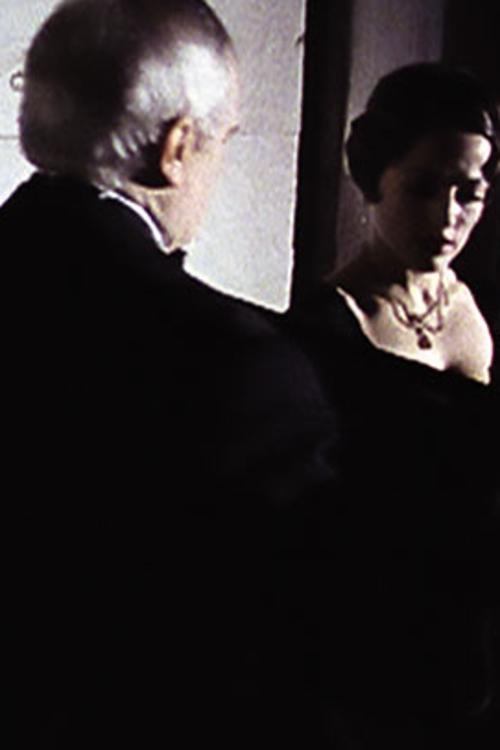
About Dr. Morel who invents a machine to duplicate the woman he loved, Faustina, in virtual reality. A tale dealing with the impossibility of ever knowing for certain which parts of ourselves and our relationship with others exist only in our imagination.
The Invention of Dr. Morel
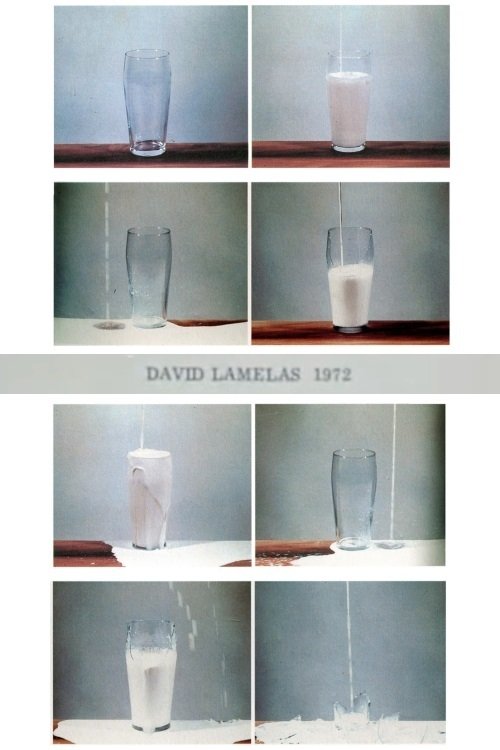
A simple gesture, introduced in the very title of the work, is repeated with slight variations – the glass is half filled, the content overflows, the glass breaks, the milk spills on the table – and constitutes the film’s only action. Lamelas rejects any type of narration or human presence, and the filmic code – reduced and dissected – comprises the only argument.
To Pour Milk into a Glass
A drama unfolds in London parkland, as Lamelas balances modernist autocritique with the mimetic discourse of cinema.
Cumulative Script
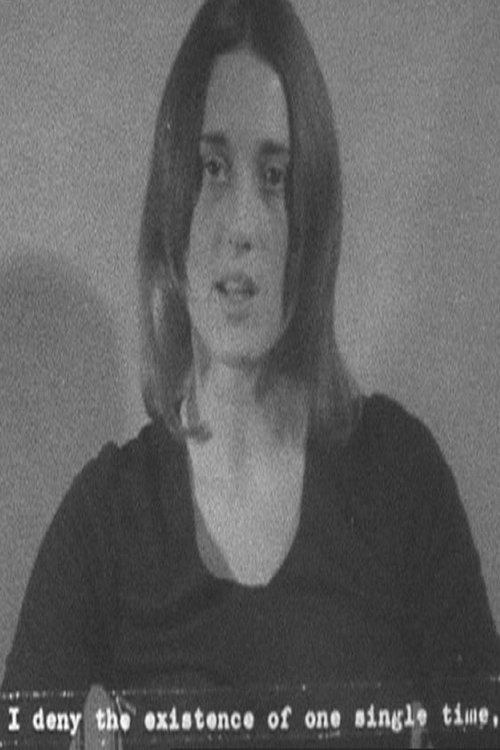
The film Reading of an Extract from “Labyrinths” by J. L. Borges shows a young woman reading an essay by Argentinean writer Jorge Luis Borges titled Nueva refutacion del tiempo (New Refutation of Time) out loud. Her lips can be seen moving but her voice cannot be heard.
Reading of an Extract from Labyrinths by J.L. Borges

This fictional documentary film about a Native American reservation critiques the practice of film production itself.
The Desert People
David Lamelas' first film analyses the architectural, social, climatic, or sociological data that make up the exhibition's spatial environment, that of the institution and its geographical location. Beginning with the empty exhibition hall, the description is neutral and analytical. It progresses in ever larger circles, placing emphasis on all the important functional elements, from the electronic devices in the exhibition space, to the city's traffic regulation to the communication and information media and finally, to the climatic conditions of the London environment. The film concludes with six interviews regarding the big news item of the day: the future "landing" of the first men on the moon.
A Study of Relationships Between Inner and Outer Space
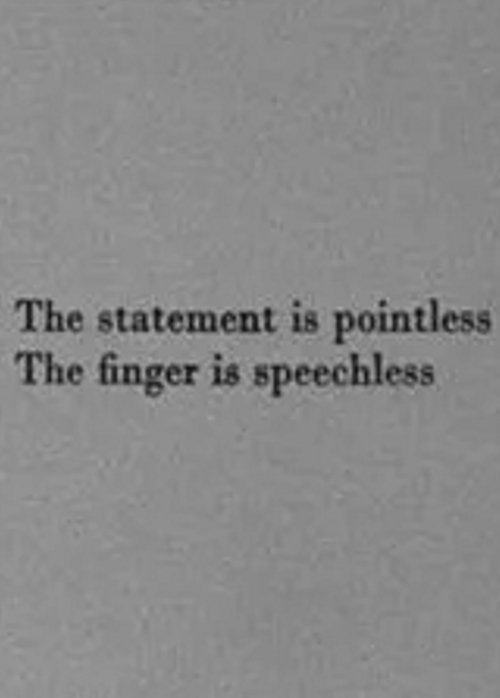
The first part of Reading Film from “Knots” by R. D. Laing shows various pages of a text written by Scottish psychoanalyst Ronald D. Laing where he converts real cases of human interaction into abstract and paradoxical verbal models.
Reading Film From Knots by R.D. Laing

A conversation with French writer Marguerite Duras, filmed in the calm atmosphere of her country house.
"Interview” with Marguerite Duras

Ficticious interview with a fictitious dictator.
The Dictator

In Time as Activity - Düsseldorf (1969), David Lamelas visually reveals how the same moment can be experienced in different ways. The video is built on four sequences; in each one a fixed camera portrays the city of Düsseldorf from different locations during a lapse of four minutes. At the start of each sequence, a small cardboard sign appears to indicate the precise time when the four minutes were recorded; the frame remains still and encompasses a wide angle, in which objects or actions are out of focus. The activities that unfold before the camera and the way they pass are an account of the infinite ways in which the same four minutes may be experienced simultaneously.
Time as Activity

David Lamelas was invited to mount a solo exhibition, a short film was shot with a stationary camera documenting everything that happened to enter its angle of view. At the same time, eleven photographs were taken at regular intervals.