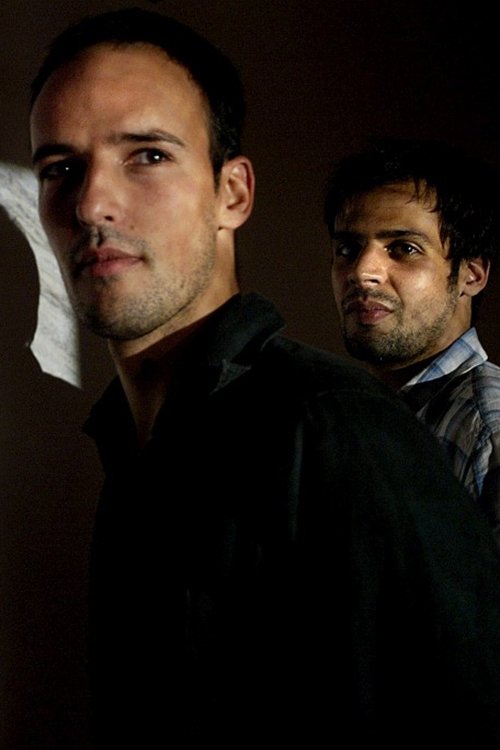
João Maria Gusmão
Directing
Biography
Joao Maria Gusmao b. 1979, Pedro Paiva b. 1977. Live and work in Lisbon. The Portuguese artists Joao Maria Gusmao and Pedro Paiva have collaborated since 2001 on creating objects, installations and 16mm and 35mm short films. The duo describe their overall project as a kind of “recreational metaphysics,” a genre that to a certain extent they themselves have re-invented following the Portuguese poet Alberto Caeiro (Fernando Pessoa) on his layered aesthetical modern experiment on materialism. The short films depict staged episodes and sequences of pseudo-scientific experiments with both poetical and comical consequences. In recent years Gusmao and Paiva’s production has centered on the idea of movement and duration, both within the cinematographic vocabulary, with references to early film pioneers as Eadweard Muybridge and Etienne-Jules Marey, and through the artists’ own practical experiments and conceptual invention.
Known For
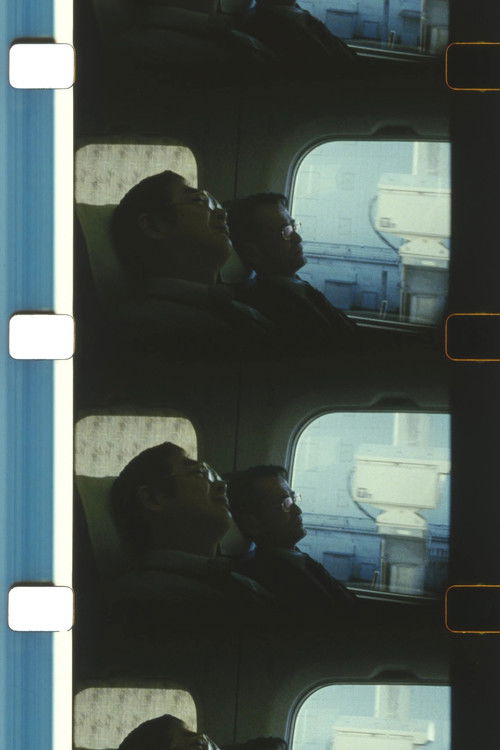
A group of workers resting in one of the fastest commuter trains in the world. This quotidian situation, filmed in slow motion, creates a prolonged moment where the slumbering minds of the sleepers are paradoxically framed with the velocity of the express train.
Sleeping in a Bullet Train
A major new 16mm film work Papagaio (Djambi) 2014, shot in São Tomé and Príncipe (a Portuguese speaking Island nation off the western coast of Central Africa), bears witness to a West African voodoo ritual, known locally as D’Jambi. Whilst intoxicated, the participants dance and enter a state of trance in which they channel the spirits of the dead. At times the footage is shot by the artists, and at other moments the camera becomes an alibi, held and manoeuvred by one of the participants.
Papagaio (Djambi)
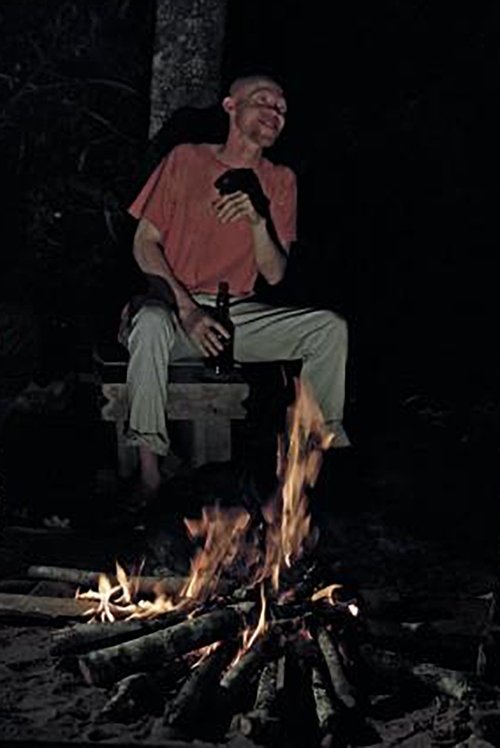
A staged production shot in Maputo with the help of the Associação de Apoio aos Albinos de Moçambique. Persecuted throughout Africa the albino condition has a disturbing appearance of racial ambiguity which for the worst reasons has been the cause of suffering for a lot of people. Complexifying the racial a perception, Pedro and João create the awkward situation where 3 black albinos share jokes about the former colonial power in Moçambique, the Portuguese. Somehow what is staged here as a meta film, concerns a colonial phantasmagoria but is also a literal spin of the third man argument (TMA) Aristotle’s contestation of Plato’s theory of forms. If 2 men resemble each other, in order to be predicative as men, there would have to be a form of men, this form would have to be a man also, and it would follow that for that same form another on would have to exist and so on, on a infinite regression.
Three Albinos Telling Jokes by the Fireplace
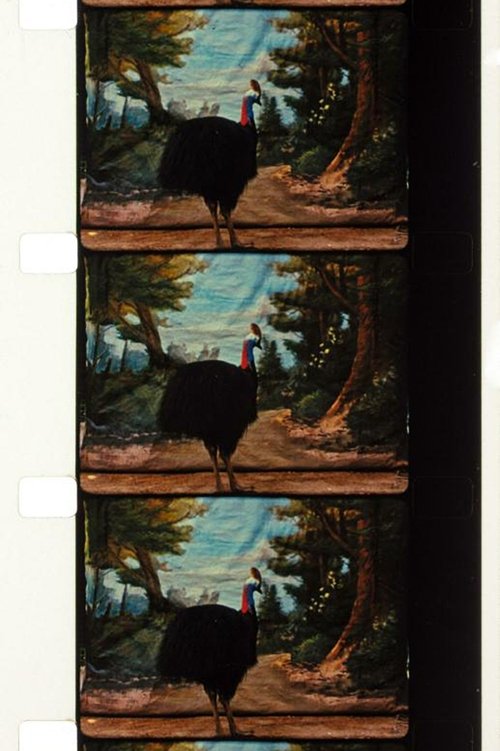
An encounter at Jardim Zoológico de Lisboa shot in 16mm by JMG+PP.
Cassowary
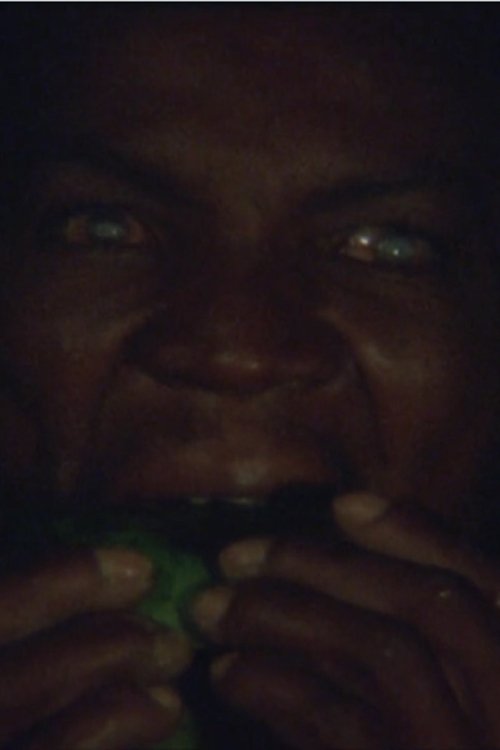
16mm film, colour, no sound, 2'35"
Solar, the Blindman Eating a Papaya
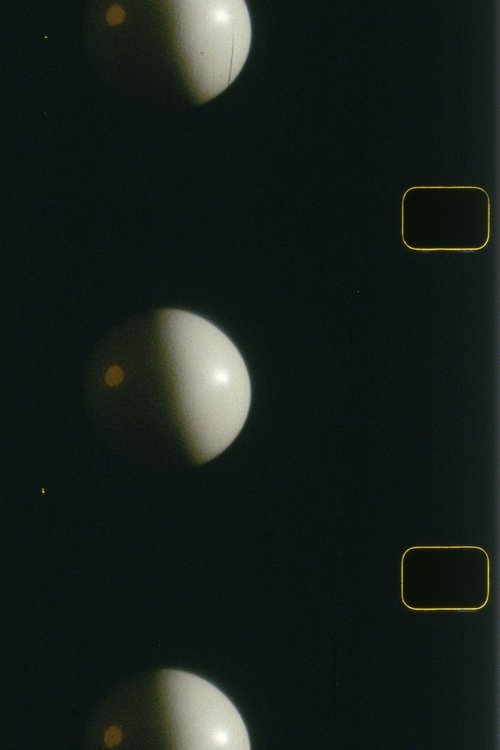
The eclipse of/on an eggshell.
Eye Eclipse

Short silent film.
Placing the Fisheye

35mm film transferred to 16mm, colour, no sound, 4'11"
Tarciso’s Analogy
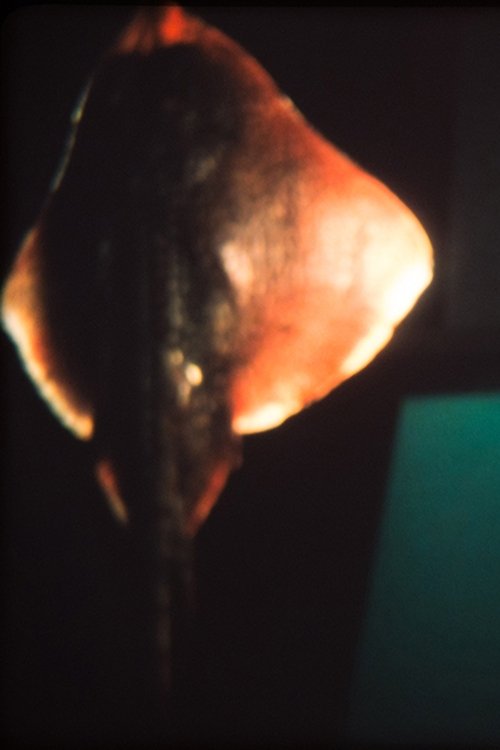
If a ray fish dreams…
Dream of a Ray Fish
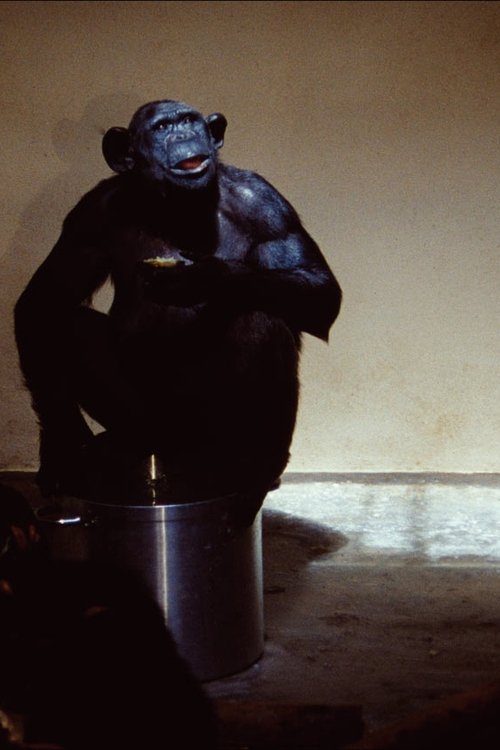
Short silent film.
The Soup
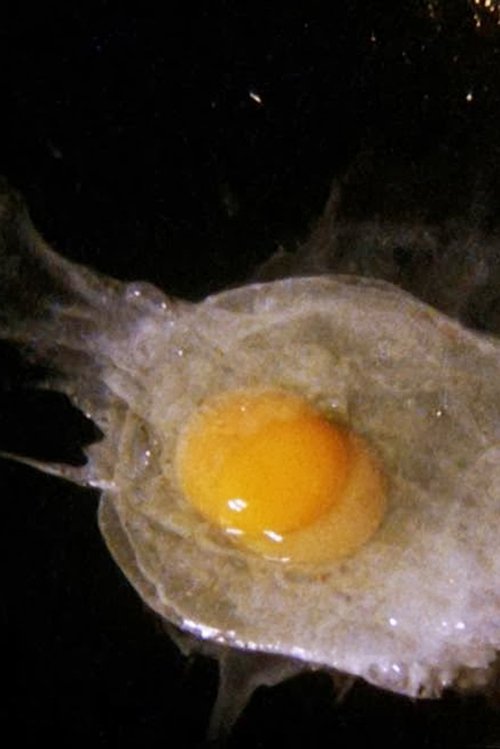
Fried eggs as a cosmic event.
Fried Egg
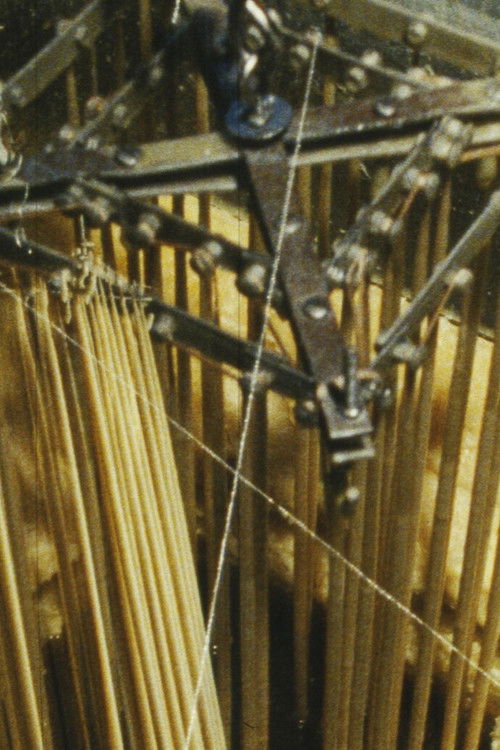
16mm film, colour, no sound, 2'47" Produced by Brodbeck Foundation, Catania, Italy
Spaghetti Tornado
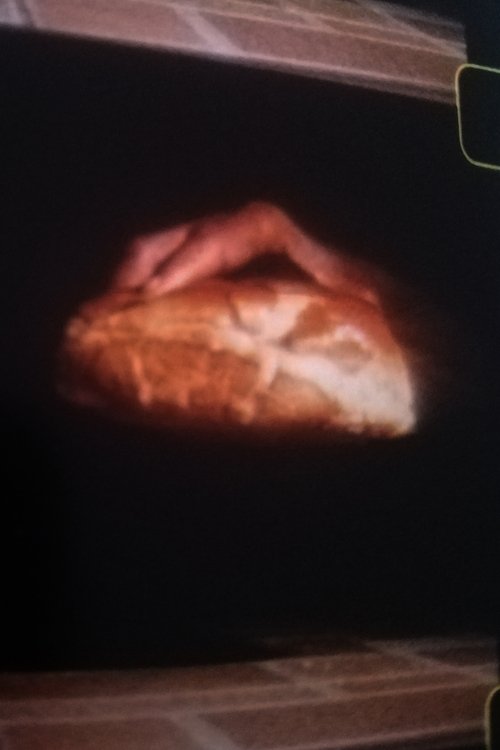
Food and drink transformed into unidentified flying objects.
Bread, Tea and Bao Game
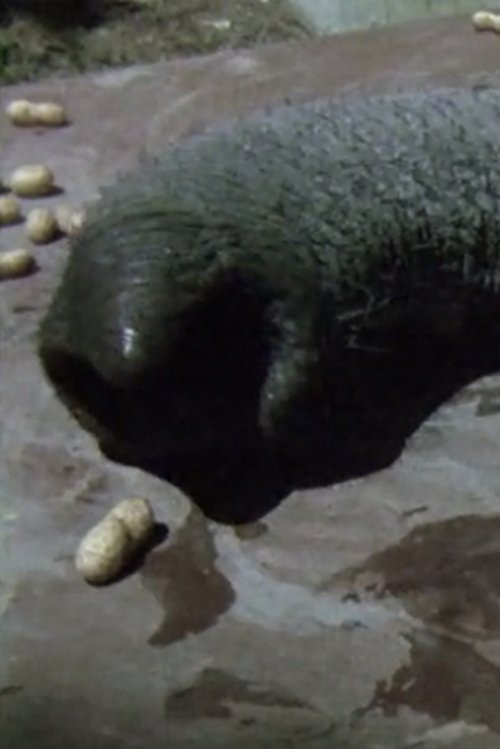
An elephant’s proboscis in action.
Proboscis
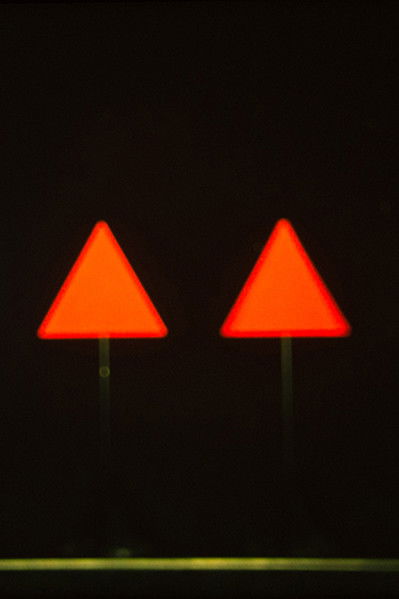
An animated 16mm film by JMG+PP.
Triangles and Squares
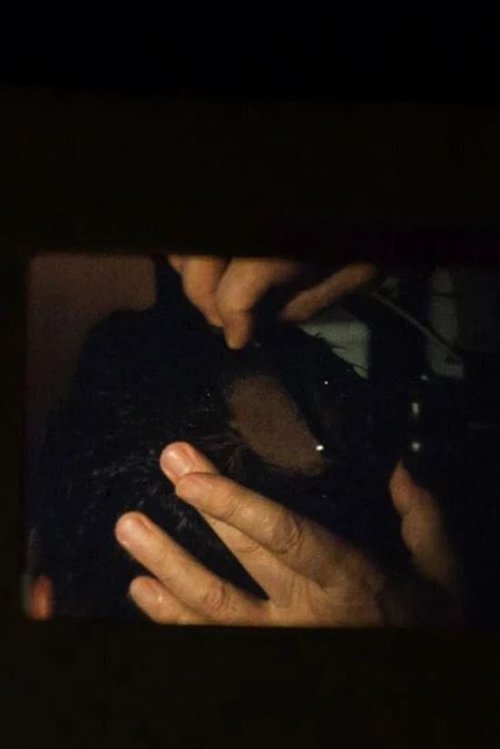
A rite of passage.
The Initiate

Short film consisting of multiple fruits and vegetables being chopped in stopmotion.
Chopping Fruits and Vegetables
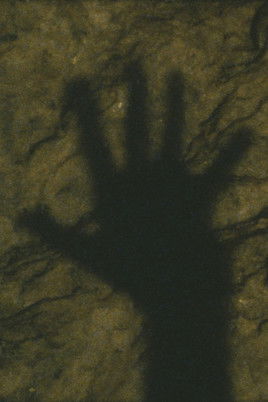
16mm film, colour, no sound, 2’23’’ Produced by ZDB, Lisbon. Thanks to: Inhotim Cultural Center, Minas Gerais.
The Human Torch
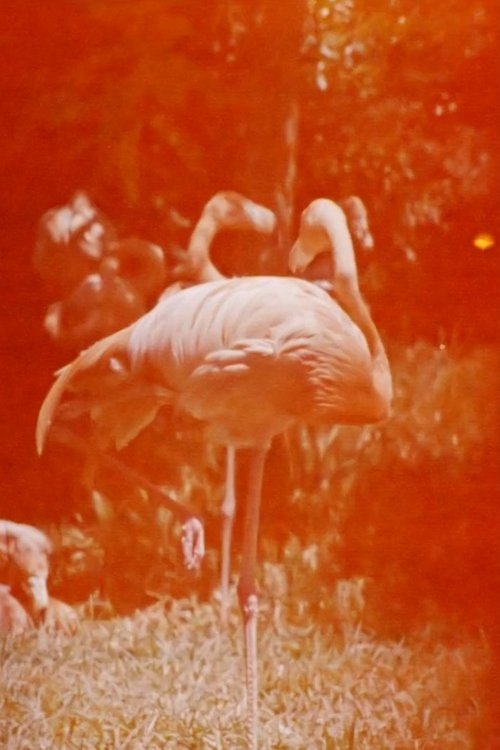
A silent 16mm film vertical portrait on sleeping flamingos.
Sleeping Flamingo
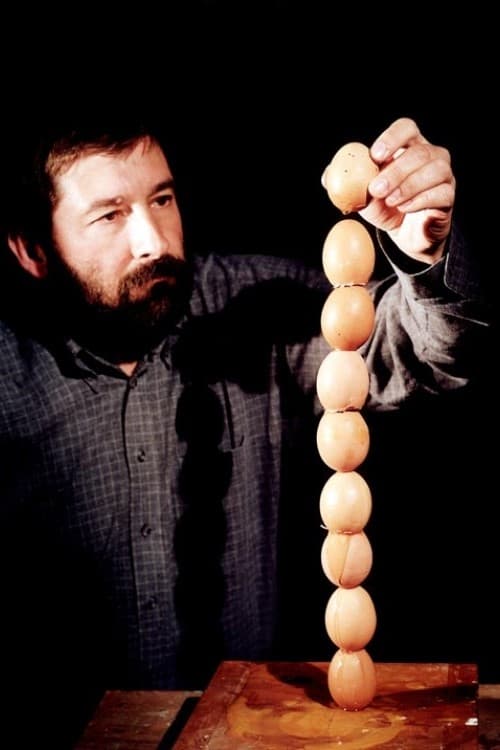
João Maria Gusmão and Pedro Paiva have produced a series of silent films in 16 mm and 35 mm that, scientifically yet with a touch of irony, present small physical actions and particular optical phenomena. Their inventories of nature and their perspective respond to a physical world that is visible and yet invisible, where the concrete is always presented as something concealed. Something that the filmmakers call “abyssology, a transitory science of the indiscernible”. The simple compositions and the tricks they adopt, such as the use of slow motion or superimposed images, are reminiscent of the silent films of the early days of cinema and the chronophotography of Étienne-Jules Marey.