Michael Curran
Directing
Known For
*Footnote deals with the space of fantasy in collapse, broken or made untenable by repeated attempts to realise its forms in reality. An Eros figure is confined to a small attic room, the sound of fluttering wings is modulated by stray radio waves of international news… A single-horned figure charges the lens of the camera in a gradually more enfeebled and frustrated act… The artist talks in an everyday fashion about the Egyptian Book of the Dead.
*Footnote
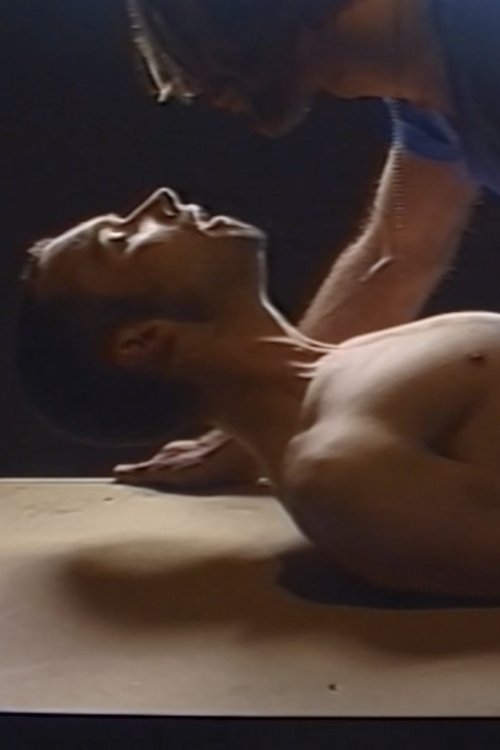
An examination of sexuality and humiliation.
Love Me, If You Wish
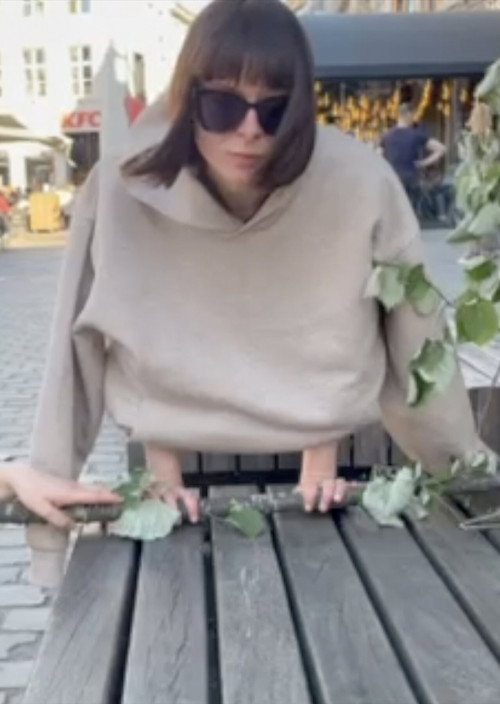
In her film 1000 Girls, A Place We Go, Sietske Van Aerde leads viewers through a series of playful transformations. Inspired by the nymphs of Ovid’s Metamorphoses, who are constantly shifting shape due to the cruelties inflicted upon them by the gods, the film follows several individuals searching for ways to exist in a world that can often feel heavy. Van Aerde films her own surroundings, capturing friends, artists, and other passers-by as they speak about themselves. We witness a variety of internal portraits unfolding.
1000 Girls, A Place We Go
Michael Curran continues his obsession with Sacher-Masoch, and in this film revisits Rubens' eponymous masterpiece. The grainy, tinted images have a beauty which belies the sinister nuances of the voice-over.
Das Pelzchen
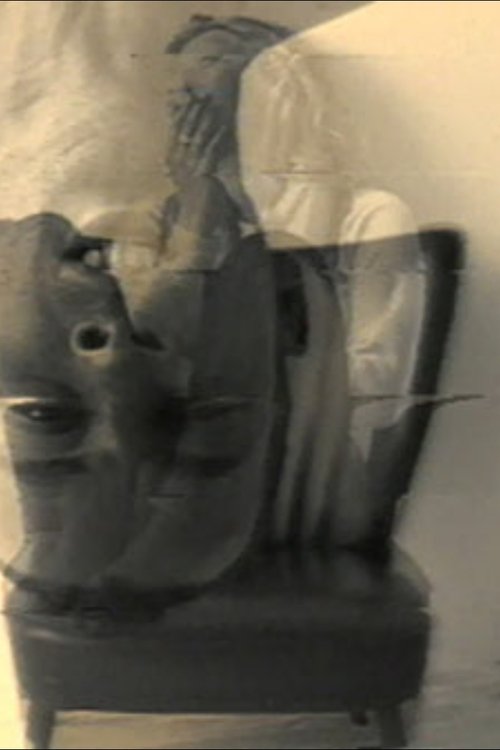
A domestic interior. A naked man writhes frenziedly in front of the camera, caressing his own body with rubber gloves. A woman, seated behind him, stares impassively, seemingly uninterested in the spectacle before her. It seems that these two will never combine as one. The tape is truly intriguing, and sophisticated in its grasp of the dynamics of performance.
L’Heure Autosexuelle
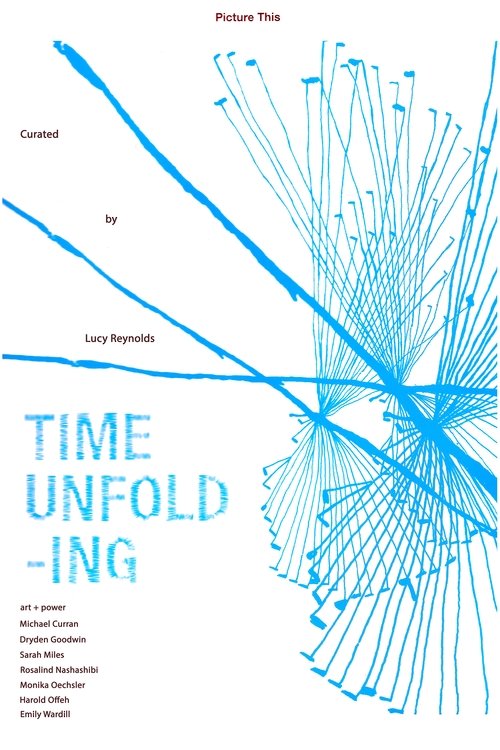
In 2004 Picture This and South West Screen commissioned 'I Can See My Way Home' with Spacex Gallery, Exeter, as the second project in the 'Historic Sites' series. The work was originally a two-screen installation produced in response to two historic houses in Devon, Killerton House, a thriving National Trust homes, and Poltimore House, a ruin falling into a state of dilapidation. The caretaker and conservation expert emerges at Killerton, opening the closed shutters of the house, while a torch beam explores the devastated interior of Poltimore. This 11-minute extract is focused on the material Curran filmed inside of Poltimore House with an accompanying soundtrack.
I Can See My Way Home
A thought-provoking and disturbing work which questions the motivations behind recording another person’s image on video. As the performer is made to carry her speech through several re-takes, she becomes increasingly distressed. The viewer is left wondering what happens when the camera is switched off.
Disclaimer
Made in collaboration with Israeli artist and writer Osnat Haber. Fistula introduces a complex web of narratives, counterpointing the highly subjective account of a love affair between two women with a bricolage of film and video images. The image and ‘spoken’ computer-generated text exist together in an uneasy coalition, creating a series of possible correspondences which open out a space for associative and provisional readings. A fragmented visual text, identification, phantasy and gender create a dark subconscious space which is both disturbing and fascinating.