Simon Hartog
Directing
Known For
Examines the early 1980s Hong Kong filmmaking community. Tony Rayns interviews some of the new generation of filmmakers and figures from the wider film culture.
Visions Cinema: Film as a Way of Life: Hong Kong Cinema - A Report by Tony Rayns
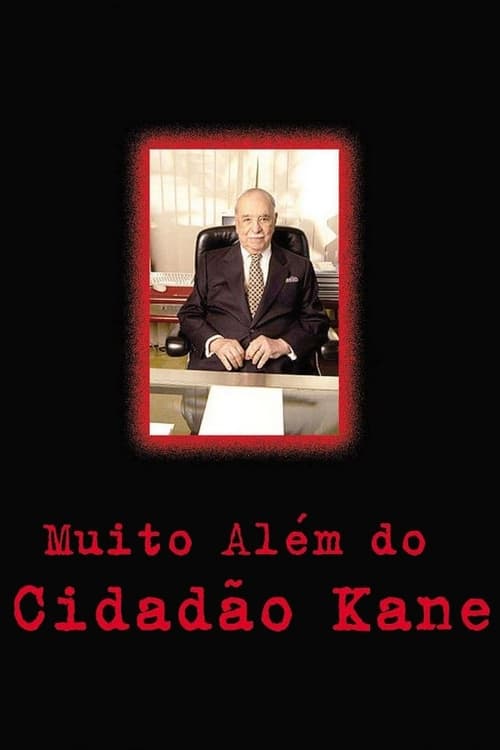
Beyond Citizen Kane (1993) is a British documentary film directed by Simon Hartog, produced by John Ellis, and broadcast on Channel 4. It details the dominant position of the Rede Globo media group in the Brazilian society, discussing the group's influence, power, and political connections. Globo's president and founder Roberto Marinho came in for particular criticism, being compared with fictional newspaper tycoon Charles Foster Kane, created by Orson Welles for the 1941 film Citizen Kane. According to the documentary, Marinho's media group engages in the same Kane wholesale manipulation of news to influence the public opinion.
Beyond Citizen Kane
Godard constructs a lyrical study of the cinematic and creative process by deconstructing the story of his 1982 film Passion. “I didn’t want to write the script,” he states, “I wanted to see it.” Positioning himself in a video editing suite in front of a white film screen that evokes for him the “famous blank page of Mallarmé,” Godard uses video as a sketchbook with which to reconceive the film. The result is a philosophical, often humorous rumination on the desire and labor that inform the conceptual and image making process of the cinema.
Scénario du film Passion
A reconstruction of the life of Robert Noonan, author of "The Ragged Trousered Philanthropists", covering the nine years he spent in Hastings while he wrote the book, based on the fragments known of his life, his writing and the political events of the time. It shows the conditions suffered by the working class, and shows how the book grew out of a commitment to socialism which the prevailing conditions of unemployment and depression prevented him from putting into practice, particularly in his attempts to encourage his colleagues to join a union.
Give Us This Day
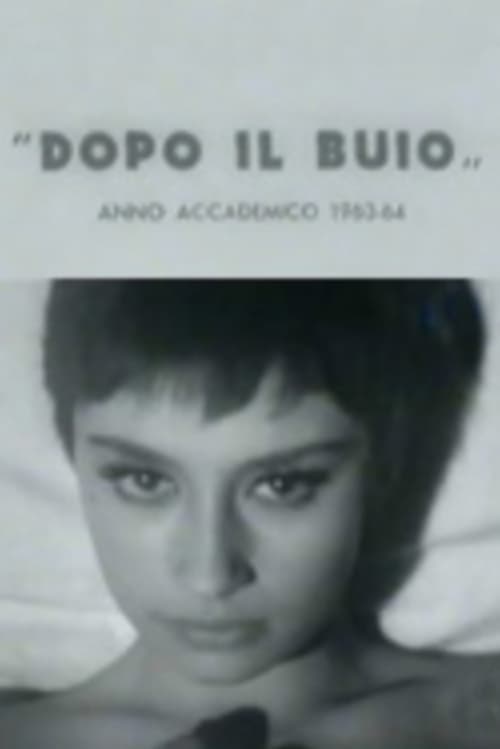
Roberto Faenza's Nouvelle Vague-inspired graduation film at CSC, shot in 1964 with a then-unknown Raffaella Carrà in the lead role.
Dopo il buio
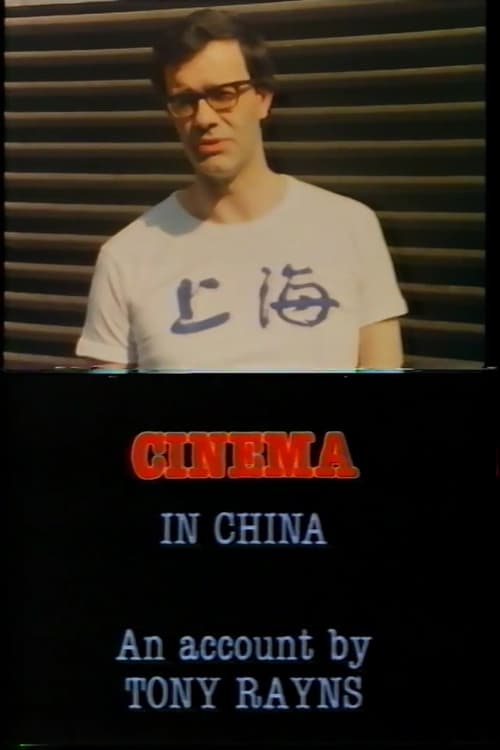
History of filmmaking in China from its beginnings in the 1920s to 1982, featuring Shanghai cinema of 1930s; the progressive filmmakers; the organisation of filmmaking under the post-war communist government; the impact of the Cultural Revolution; the work of Xie Jin.
Visions Cinema: Cinema in China - An Account by Tony Rayns

Film critic Tony Rayns interviews Lino Brocka and other prominent Filipino filmmakers.
Visions Cinema: Film in the Philippines - A Report by Tony Rayns
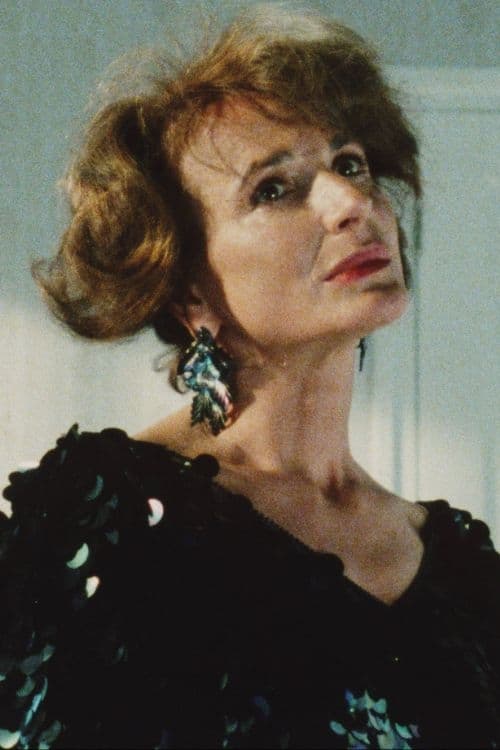
An old man remembers the troubled relationship he had with his mother, the erotic games, and the phantasms in which she managed to attract him. The main line gives but a small idea of the film, of its erotic style, its choreographic dimension, its strange fragmentation. The film drifts along an ever-renewed invention, intertwining lavish dances, mask games, musical comedy, parodies, permanent repression of the body offering itself as an object of desire to the viewer who is literally seduced.’
Further and Particular

This documentary shows how cinema has been used very differently in three neighbouring African countries with different colonial heritages: Zimbabwe, Mozambique and Madagascar. Mozambique used cinema newsreels as a crucial propaganda tool after the Portugese colonisers left. Madagascar boycotted US movies, so its screens were dominated by French, Indian and Hong Kong films instead. But a few films managed to get made. The situation in Zimbabwe was the worst, except that alone of the three countries it possessed an efficient film laboratory.
Cinema as Foreign Exchange

Soul in a White Room was filmed by Simon Hartog around autumn 1968. Music on the soundtrack is Cousin Jane by the Troggs. The man is Omar Diop-Blondin, the woman I don't recall her name. Omar was a student active in 1968 diromg 'les evenement de Mai et de Juin' at the Faculte de Nanterre, Universite de Paris. Around this time, Godard was in London shooting Sympathy For The Devil / One Plus One with the Stones and Omar was here for that too, appearing with Frankie Y (Frankie Dymon) and the other black panthers in London.... Maybe Michael X too. After returning to Senegal, Omar was imprisoned and killed in custody in '71 or '72. I believe his fate is well known to the Senegalese people.
Soul in a White Room
Nine girls turn up at a Kensington studio for a supposed screen test to 'show what they can do'. In fact the test becomes the film, a candid camera.