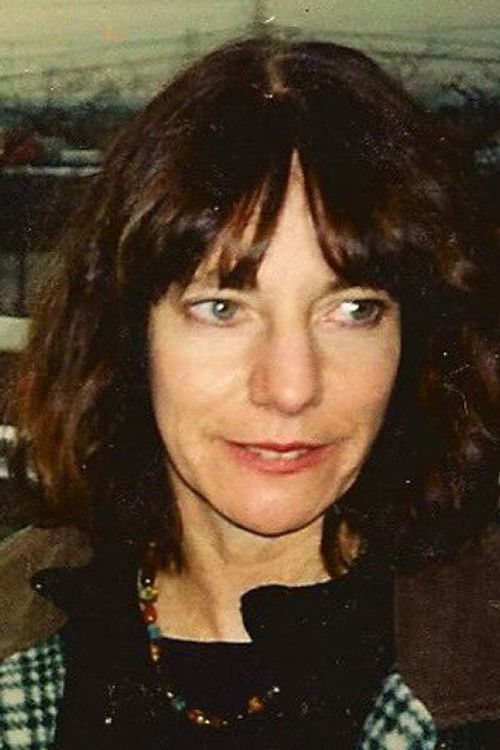
Bette Gordon
Directing
Biography
Bette Gordon (born June 22, 1950) is an American filmmaker and professor at Columbia University School of the Arts. She is best known for her films Variety (1983) and Handsome Harry (2009), both of which received critical acclaim in North America and abroad.
Known For

Monsters is a syndicated horror anthology series which originally ran from 1988 to 1991 and reran on the Sci-Fi Channel during the 1990s. Similarly to Tales from the Darkside, Monsters shared the same producer, and in some ways succeeded the show. It differed in some respects nonetheless. While Tales sometimes dabbled in stories of science fiction and fantasy, this series was more strictly horror. As the name implies, each episode features a different monster, from the animatronic puppet of a fictional children's television program to mutated, weapon-wielding lab rats.
Monsters
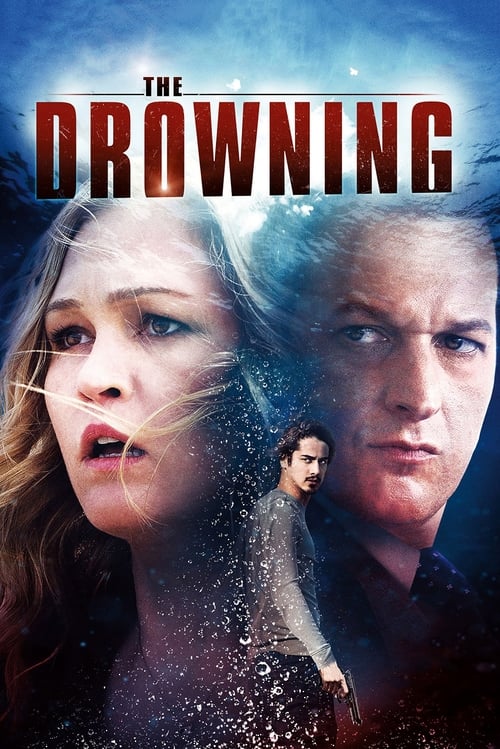
A psychiatrist faces his past, present and future when he finds himself involved in the treatment of a young man recently released from prison for a murder committed when the boy was just 11 years old.
The Drowning
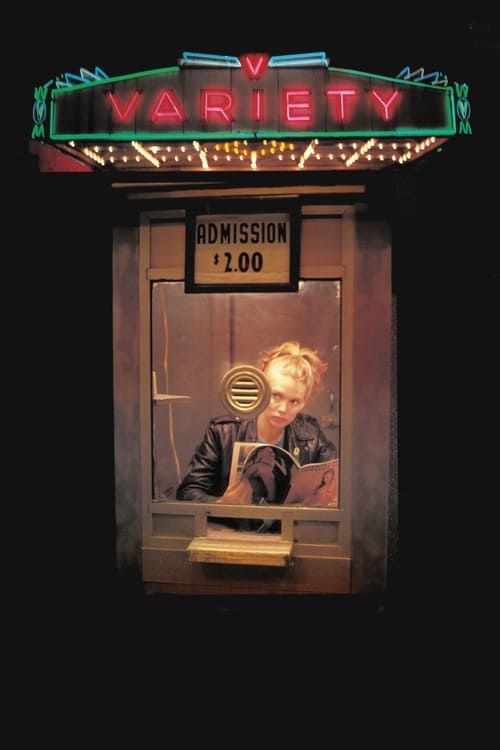
A repressed young woman becomes obsessed with pornography and the mysterious rich patrons of the Times Square porn theater where she works selling tickets.
Variety

In the years before Ronald Reagan took office, Manhattan was in ruins. But true art has never come from comfort, and it was precisely those dire circumstances that inspired artists like Jim Jarmusch, Lizzy Borden, and Amos Poe to produce some of their best works. Taking their cues from punk rock and new wave music, these young maverick filmmakers confronted viewers with a stark reality that stood in powerful contrast to the escapist product being churned out by Hollywood.
Blank City
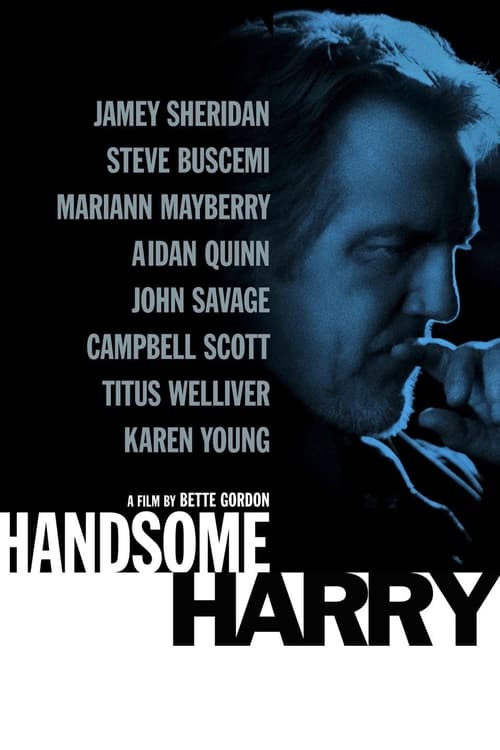
An ex-Navy man carrying out the last wish of a dying shipmate renews contact with old friends to break the code of silence around a mysterious, long-buried crime.
Handsome Harry
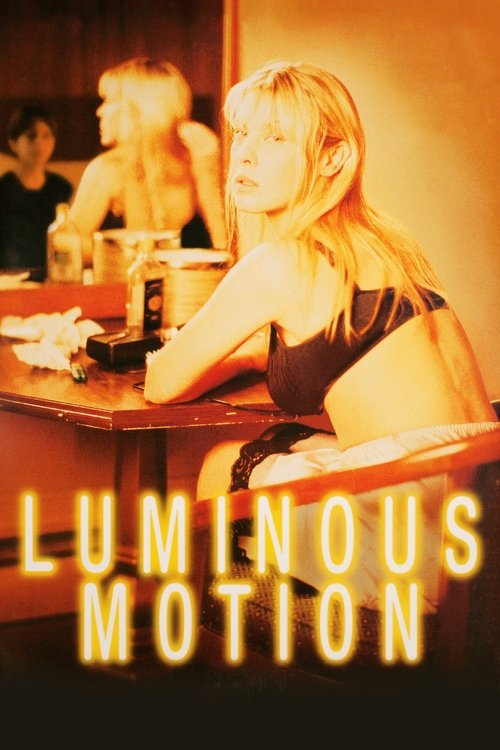
A single mother and her 10-year-old son motor around the country as she makes ends meet and enters various relationships that her son has yet to understand.
Luminous Motion
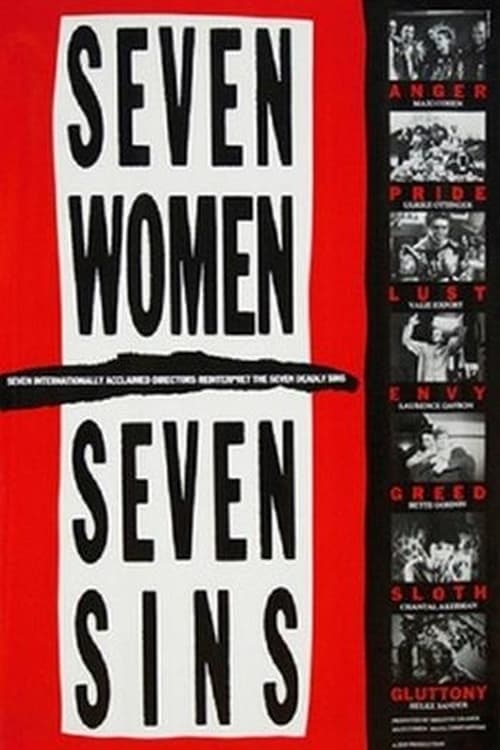
Seven Women, Seven Sins (1986) represents a quintessential moment in film history. The women filmmakers invited to direct for the seven sins were amongst the world's most renown: Helke Sander (Gluttony), Bette Gordon (Greed), Maxi Cohen (Anger), Chantal Akerman (Sloth), Valie Export (Lust), Laurence Gavron (Envy), and Ulrike Ottinger (Pride). Each filmmaker had the liberty of choosing a sin to interpret as they wished. The final film reflected this diversity, including traditional narrative fiction, experimental video, a musical, a radical documentary, and was delivered in multiple formats from 16, super 16, video and 35mm.
Seven Women, Seven Sins
In NORTH ON EVERS James Benning takes the road movie seriously, making his circular trip across the U.S. a marvelously photographed, intensely felt, and disturbing portrait of contemporary America. In many ways, this recent film is a departure of Benning’s earlier films which are characterized, at times, by extremely long, carefully planned takes and a minimal narrative approach. In NORTH ON EVERS, the shots are kept short with a narrative that is direct and detailed, like a diary or a long series of postcards to a friend. What this work shares with the other films is a dry wit and a deep interest in the American social landscape.
North on Evers
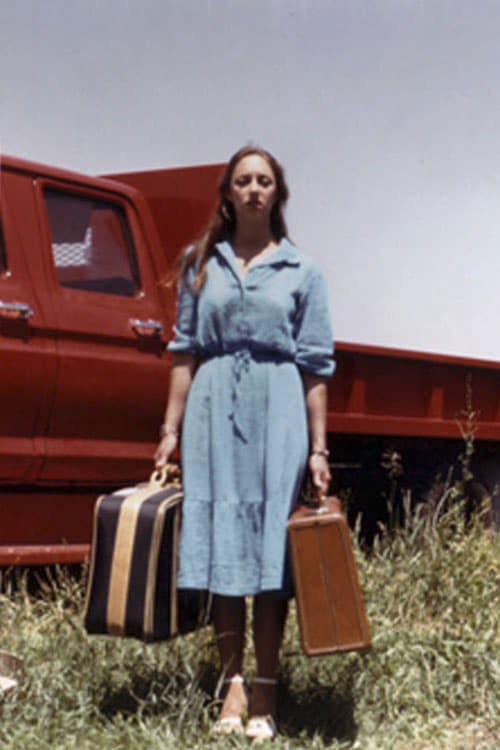
Bette Gordon describes her first feature film as “a narrative derived from film’s own material and my concern for exploring issues of representation and identification in cinema."
Empty Suitcases
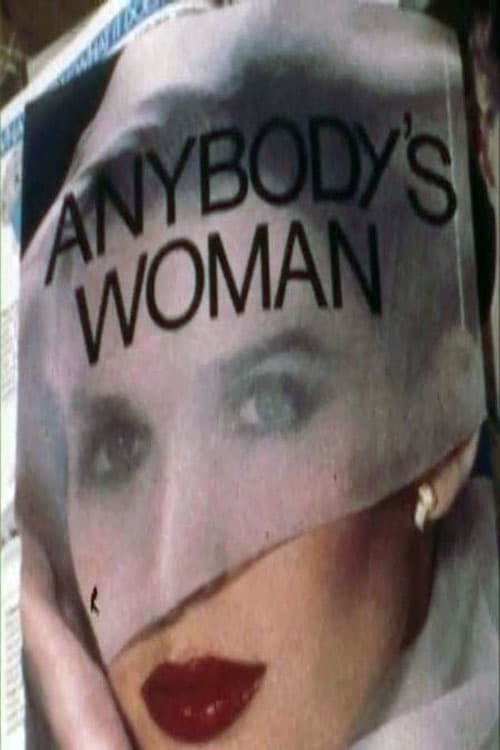
The goings-on around a porn theater in New York’s East Village, interspersed with actors recounting experiences with extreme sexualities and a description of a scene from the pre-code Dorothy Arzner film of the same name.
Anybody's Woman

A young woman grapples with the aftermath of reporting sexual harassment in the workplace
Doublespeak
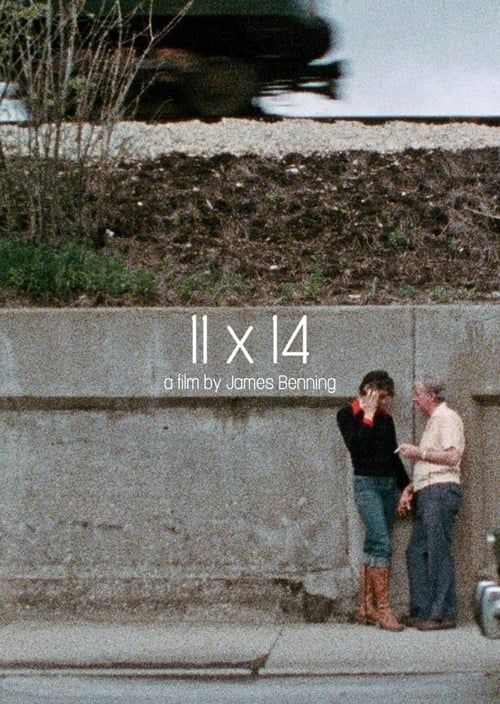
65 shots making up a cryptically alluded-to narrative: a lesbian couple's Midwest travels, a hitchhiking young man's journeys, the story of a man who may be having an affair.
11 x 14
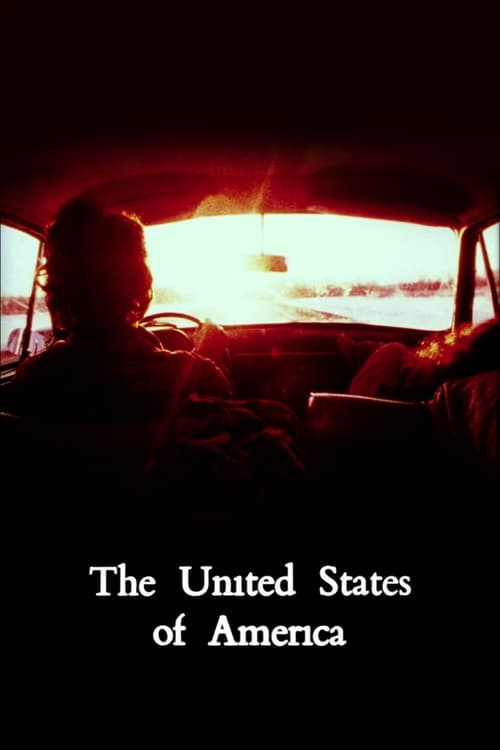
A conceptual bicentennial film dealing with spatial and temporal relationships between two travelers, their car, and the geographic, political, and social changes from NY to Los Angeles.
The United States of America
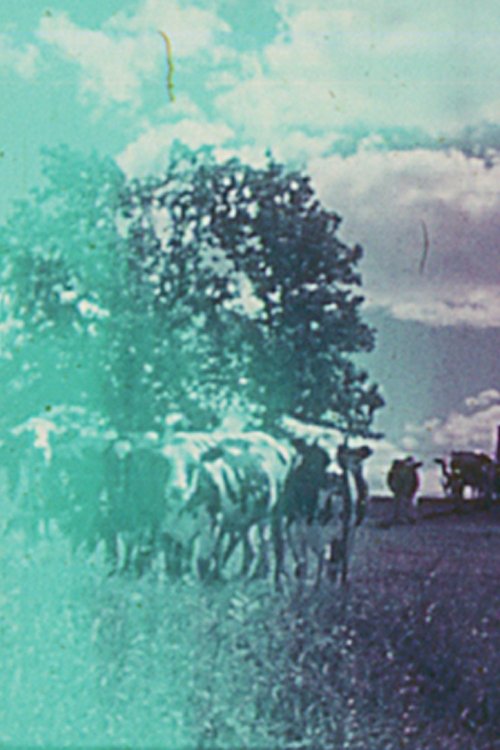
A meditation on the American rustic. Various objects within the composition are re-presented in unnatural colors and unusual spatial arrangements, emphasizing the illusion of movement while exploring film grain and graphic nature. The image of foreground and background becomes reversed, and through that process we lose sight of three-dimensional space representation.
Still Life
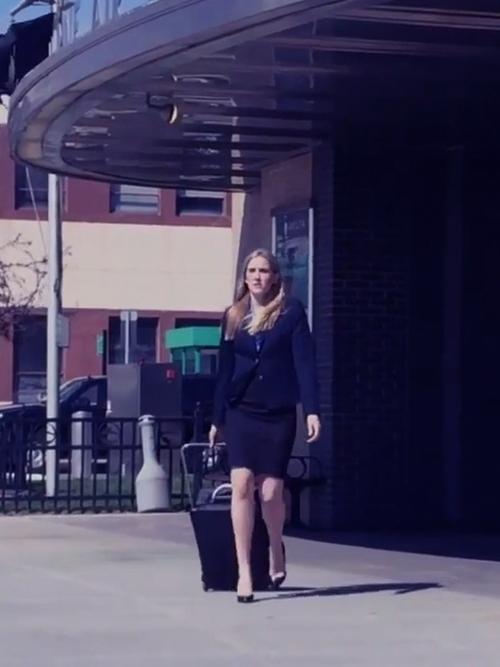
Made to celebrate Anthology Film Archives’ 50th Anniversary.
Flight
A visually stunning kinetic rhythm produced by looped footage (mathematical curves) in and out of phase with each other.
An Algorithm

Exchanges investigates mechanisms by which meaning is produced in film, through the interaction of the process of construction of a text and the social context which determines and is represented by that text.
Exchanges
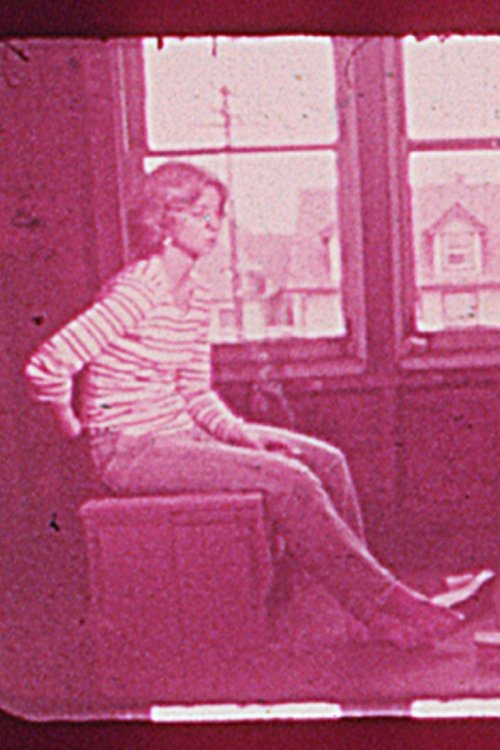
A single action seen from alternative left and right perspectives, accentuating reversals, repetitions and persistence of vision. Rather than uniting opposites, rhythm is set up by the struggling eye, varying as the image is moved closer to and further from the screen's center. The sound, with its fragmentations and its implications of incompleteness, focuses attention on the impossibility of a resolution in the film's dichotomy. "Rather than crediting the camera with objectivity according to the usual convention in film, the viewer is confronted with the relativity of simultaneous multiple perspectives. The soundtrack underlines the arbitrary relationship between a sign and its signifier, as does Magritte's painting, Ceci n'est pas une pipe." – The Art Examiner
Noyes

Intercourse between two people who never appear on the screen at the same time. An exploration of sex and male/female identities.
I-94
a time-lapse glimpse of the Madison, WI skyline from dusk to dark. Shot from within a hotel room, the street traffic and the reflected interior interpenetrate in gradually shifting superimposition.