FEEL IT.STREAM
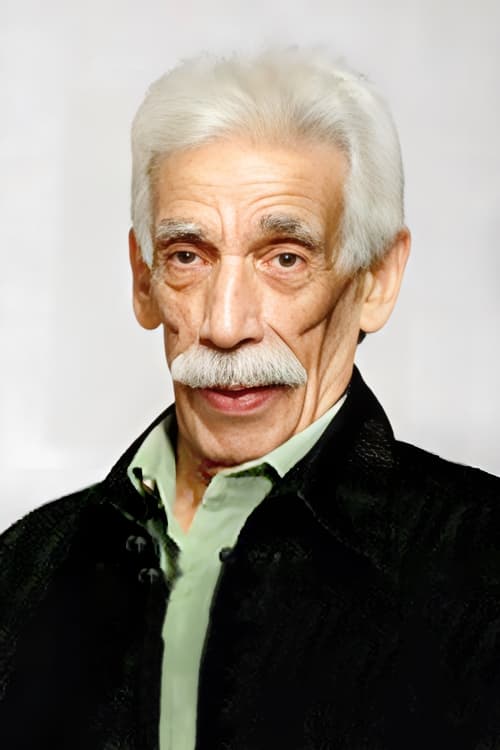
M'hamed Benguettaf

M'hamed Benguettaf

Acting

Biography

Mohamed Benguettaf (or M'hamed Benguettaf) born December 20, 1939 is a notable figure in Algerian theater and cinema, first as an actor, M'Hamed Benguettaf worked for radio then spent a large part of his career at Algerian National Theater, before being among the founders of the company Masrah El Kalâa - Théâtre de la Citadelle. Also as translator or adapter of Nazim Hikmet, Kateb Yacine, Ali Salem, Mahmoud Diab or Ray Bradbury, Benguettaf believes he has completed the first major stage of his journey which he likens, in his own words, to "a professional training course" , a stage through which he believes he has gathered the tools of his own language and has now forged his voice as a playwright. In 2003, his contemporary adaptation of "Don Quixote, The Man Who Had Nothing to Do with It", an Algerian-French co-production which received the Djazaïr label, a year of Algeria in France. Since 2004, Mohamed Benguettaf has directed the Algerian National Theater. He died in Algiers on January 5, 2014.
Known For

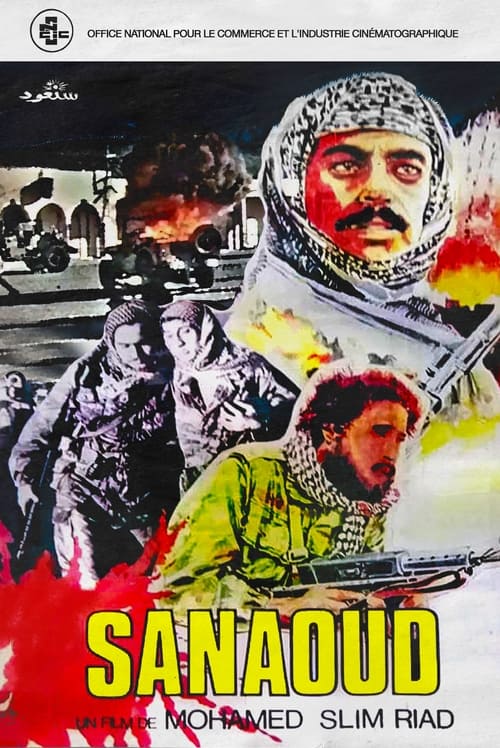
We Will Return
10.0

The story of a young Palestinian who left his refugee camp to become a resistance fighter in the Palestine Liberation Organization.

We Will Return

1972
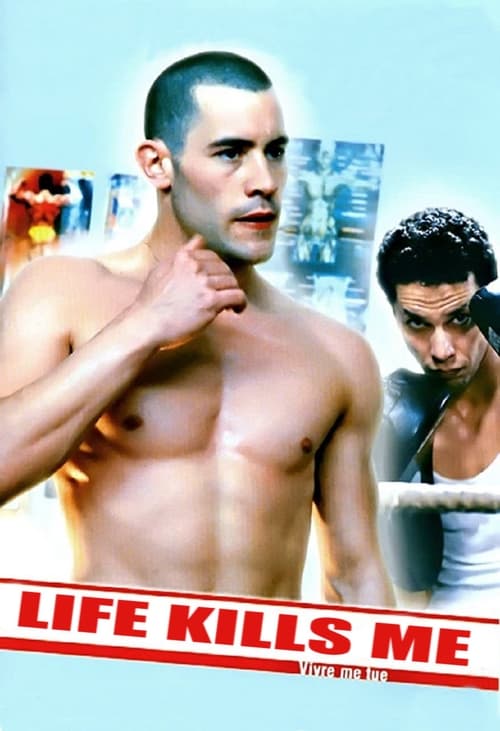
Life Kills Me
5.3

Paul is a smart, university educated Frenchman of North African ancestry. He's a smooth talker, but he can't seem to get a job worthy of his skills. He ends up living in a single room, struggling to get by while going on many fruitless job interviews, during which he tries to impress his potential employers by turning his pizza delivery job into a tall tale about revamping the whole pizza chain. But at some point, they always seem to "see through him." He retreats into the boxing ring. His secretly gay brother Daniel also has trouble finding his place in the world. He spends all his time bodybuilding and takes dangerous drugs to enhance his physique. He dreams of being the next Schwarzenegger, but is forced to settle for a demeaning job as a "star" in a Hamburg sex club. Based on Jack-Alain Léger's novel

Life Kills Me

2002
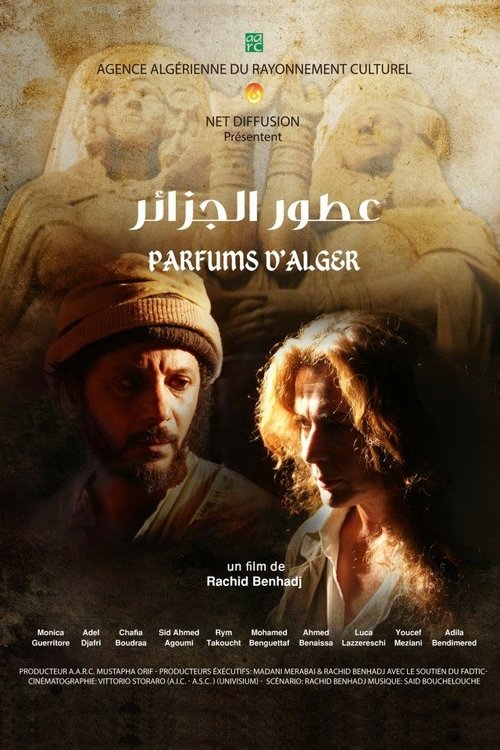
Parfums d'Alger
6.8

Karima, a famous photographer who has been living in Paris for several years, is forced to return to Algiers after receiving a call from her mother informing her that her tyrannical father's health is rapidly declining. This forced return reawakens the scars and ghosts of a repressed past, especially when she learns that her brother has joined an armed group.

Parfums d'Alger

2015
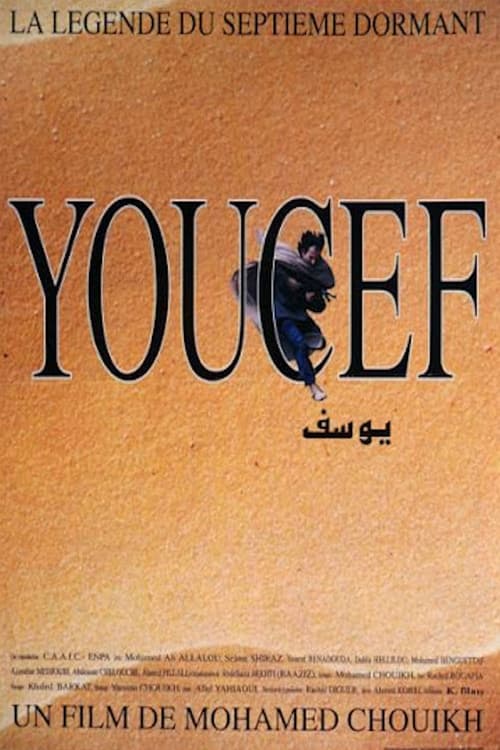
Youssef: The Legend of the Seventh Sleeper
9.0

In Algeria, Youcef escapes from a psychiatric asylum located at the edge of the desert. He was a fighter and, years later, he still believes himself to be a prisoner of the French army. He rejoins what he thinks is his resistance group. He finds the bones of his comrades, buries them, and promises himself that he will visit their families, one after the other, to honor their memory. He goes underground and makes quick forays into the villages. He is struck by what he sees there. Young people queuing for bread, former FLN leaders living in the villas of the colonists, and farm workers mistreated by their Algerian foremen. As for the women, although they played a decisive role in the liberation of the country, they are now cloistered or forced to go out in public wearing masks. When he is discovered by the authorities, Youcef cannot believe that thirty years have passed. This nuisance must be eliminated...

Youssef: The Legend of the Seventh Sleeper

1994
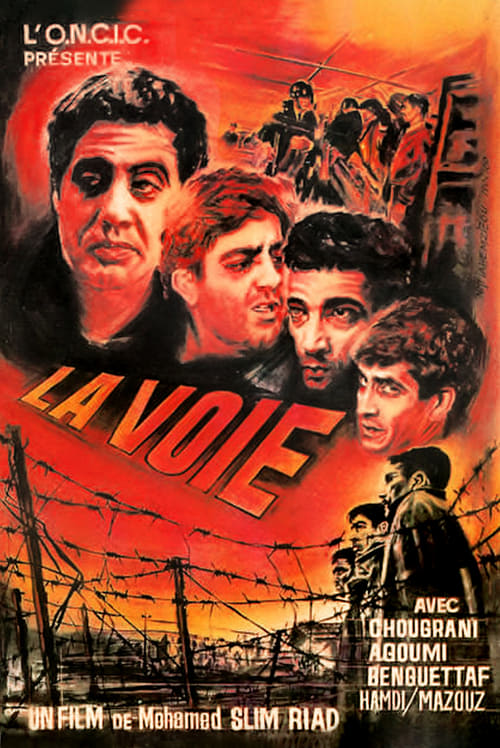
The Way
10.0

The Algerian War is seen through the eyes of a group of Algerian freedom-fighters who have been captured and incarcerated in French-run military prisons both in France and Algeria. In addition to attempts at escape, this prison drama also includes propaganda and brainwashing attempts by the French and scenes of torture. In what is possibly the most horrible torture of all, the inmates are forced to listen to broadcast speeches by General Charles de Gaulle -- speeches which illustrate the changing relations between the French and the Algerians.

The Way

1967
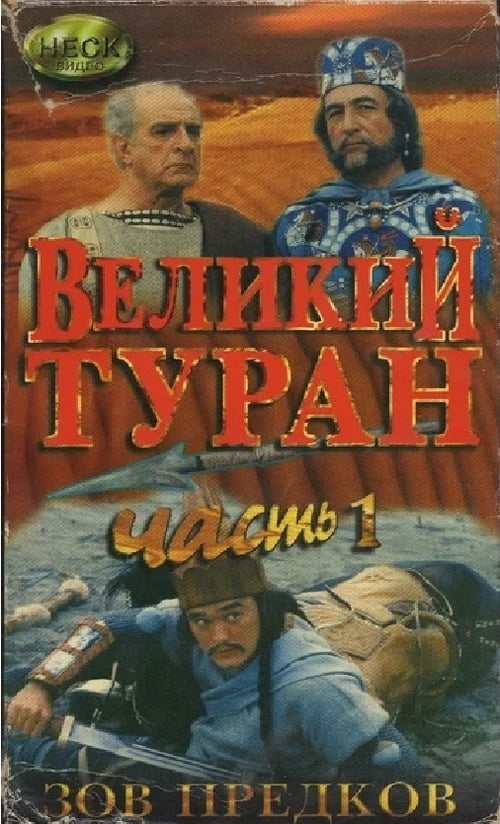
The Great Turan
8.0

The film is based on historical events that took place in the 6th century at the junction of three great powers: The Turkish Khagan, The Byzantine Empire and The Sasanian Empire.

The Great Turan

1995
El Ouelf Essaïb
10.0

An Algerian music composer and his friends live a thrilling story, full of twists and turns.

El Ouelf Essaïb

1990
Regards D'en Face - Alger
10.0

It is with the architect Jean-Jacques Deluz, that we visit Algiers, "his city" since 1960 and that he left only two years during the worst moments of terrorism. From the Casbah, in the 19th century center, including the cities of Fernand Pouillon and Bab El Oued to arrive at the new city of Maelma which he built today. Tender look, but without concessions at the same time architectural promenade and meetings with actors of art and culture: Djamel Allam, the singer Kabyle, Djamel Amrani, the poet, friend of Jean Sennac, Mohamed Ben Gettaf, Dramaturge and director of the theater of Algiers, Souad Delmi-Bourras, young designer Boudjemàa Kareche, director of the Algerian cinema, Amine Kouider, conductor, who relaunches the opera in Algeria, the painter Malek Salah, and others. A look at Algeria and the Algerians, far from the clichés of certain media, the bias being to seek signs of hope rather than "blood and tears".

Regards D'en Face - Alger

2003
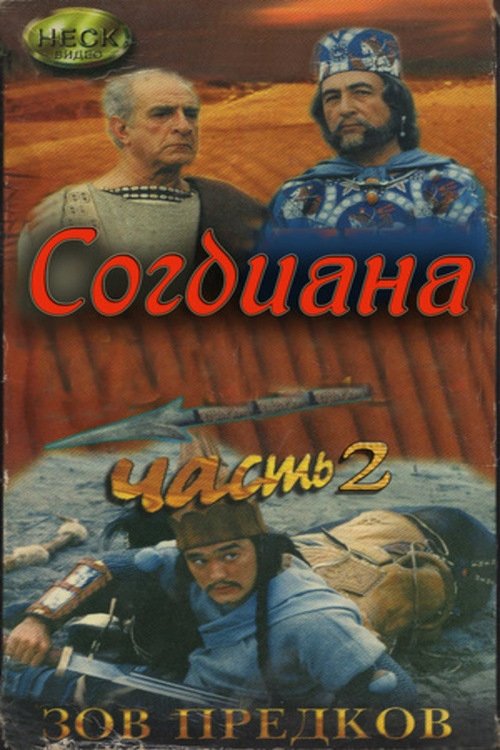
Sogdiana
N/A

The second film from the Call of the Ancestors dilogy. The film tells about a dramatic episode of the struggle of the Central Asian state of Sogdiana against the Arab troops camped at the walls of Samarkand at the beginning of the 8th century.

Sogdiana

1995