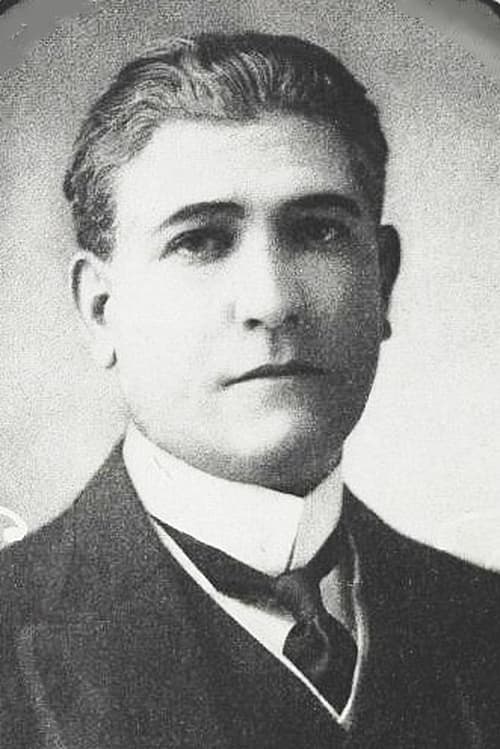
Donald Hall
Acting
Known For
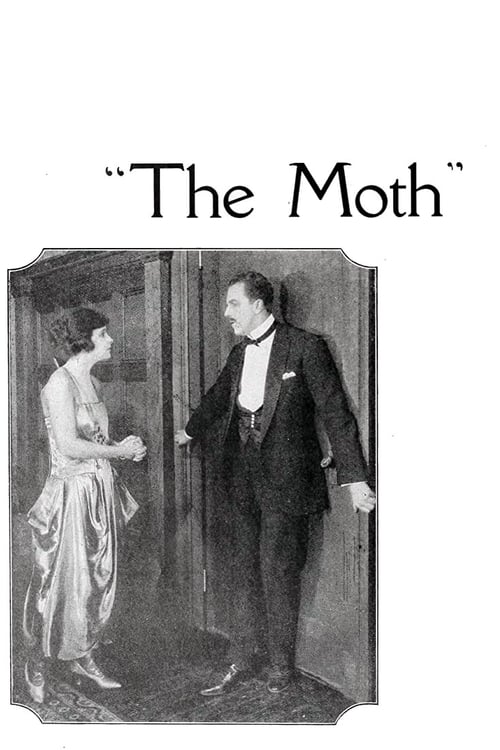
Spoiled young heiress Lucy Gillam knows only a life filled with parties and flirtations until she falls in love with a man who loves only her money. She marries him, and after their child is born, she is confronted with life's harsh realities after her husband demands more and more money with which to support his mistress.
The Moth
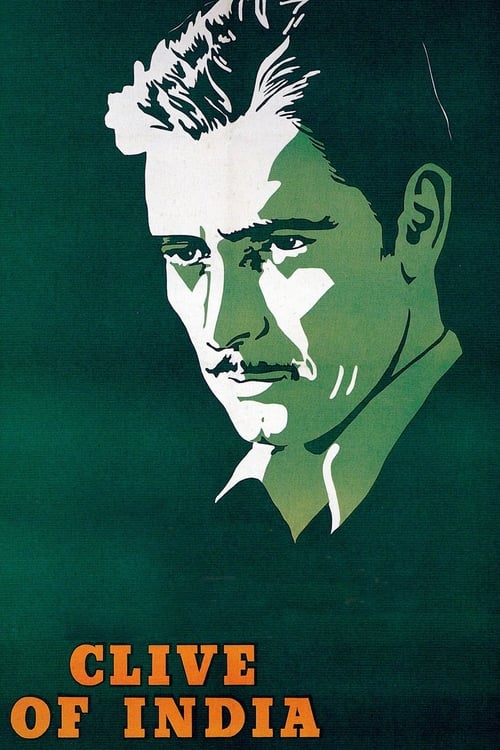
Fort St. David, Cuddalore, southern India, 1748. While colonial empires battle to seize an enormous territory, rich in spices and precious metals beyond the wildest dreams, and try to gain the favor of the local kings, Robert Clive (1725-1774), a frustrated but talented clerk who works for the East Indian Company and struggles to earn his fortune, makes a bold decision that will change his life forever.
Clive of India
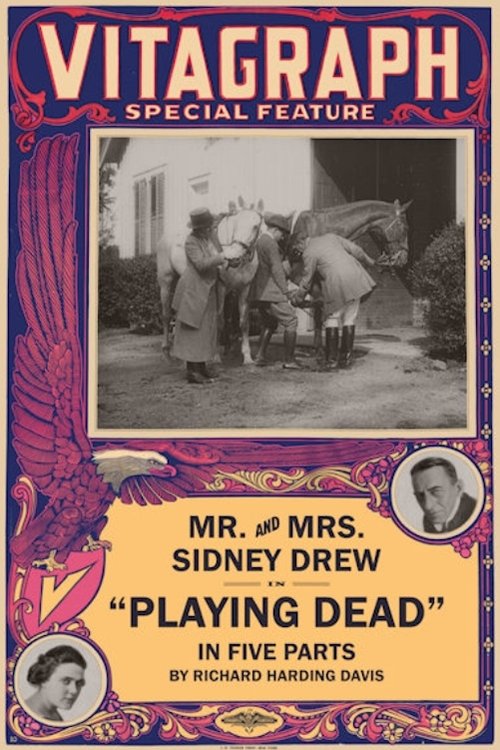
in this domestic drama, Jimmie’s wife Jeanne falls for Proctor Maddox, a socialist and male feminist, and wants a divorce from her husband. To avoid the scandal, Jimmie stages a fake suicide.
Playing Dead

An aviation engineer and a government secretary are thrown together by the war effort.
Government Girl
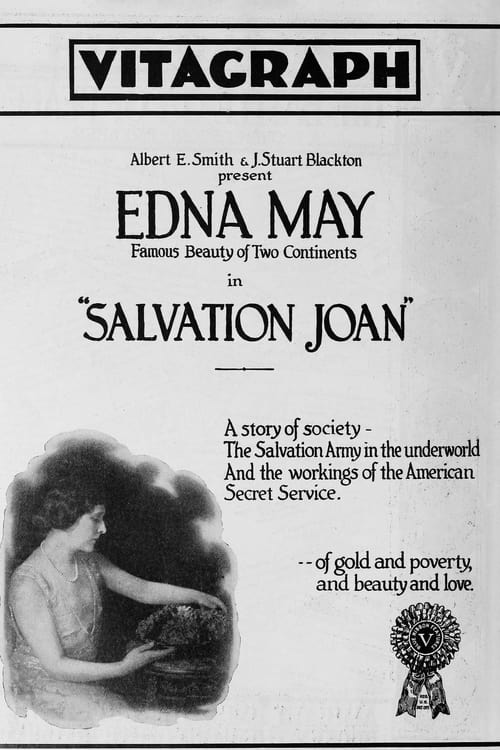
Joan, a refined young Salvation Army volunteer, fall in love with a gangster.
Salvation Joan
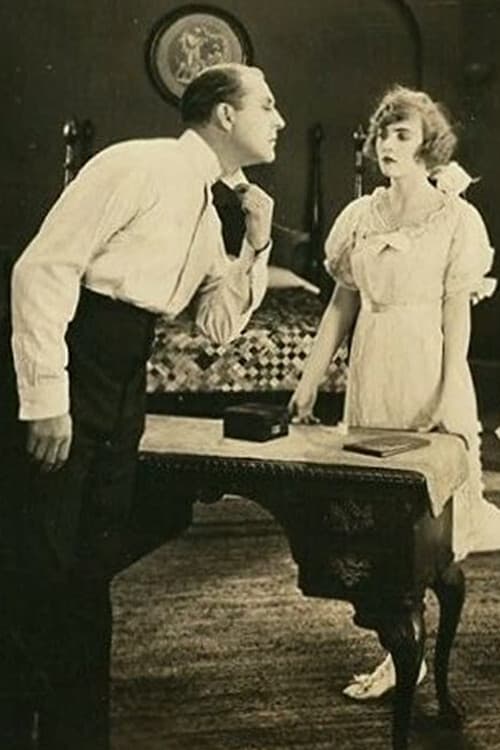
A woman finds herself being a unpaid skivvy to her husband, two daughters and her son.
A Woman's Woman
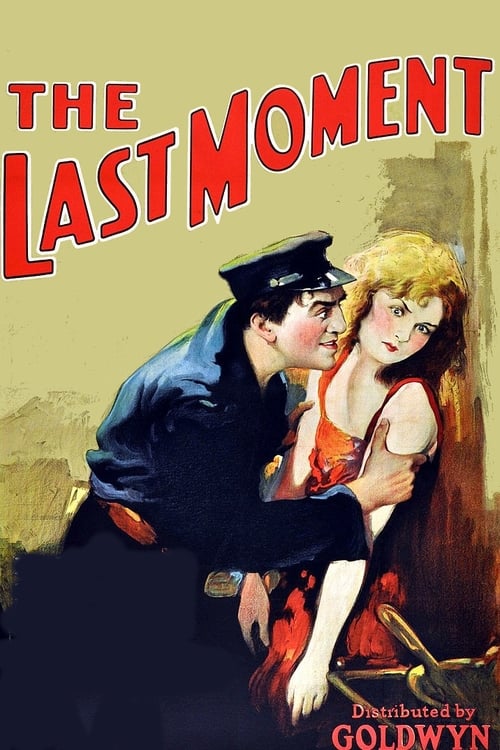
Hercules Napoleon Cameron, who finds his adventure in books, is searching the waterfront with Alice Winthrop for a friend's father when they are shanghaied and taken aboard "The Finn's" ship, bound for the South Seas. "The Finn" is a brutal captain who reinforces his authority with a caged, ape-like monster. "The Thing" escapes during a storm, destroys the captain and crew, then turns on Alice and Nap. Fearing that their last moment has arrived, they declare their love for each other, and Nap suddenly develops a heroic impulse. He holds off the monster for a time, Alice and Nap swim for shore closely followed by "The Thing," and Nap finally drowns the beast with the aid of a large abalone. A lost film.
The Last Moment
On his way to New York to visit his relatives, the Masons, for the first time, Uncle Bill meets "Oiley" Curley, a crook. John Mason, Uncle Bill's nephew, is candidate for Governor and, on the eve of Uncle Bill's arrival, Mason and his political constituents are in secret conference with Murray of the money powers. Meantime, Julia, Mason's wife, goes on a little joy ride with Jack Trent, husband of Vivien, her friend who is on a joy ride with Mason's father, a delightful old rogue. Gladys, Julia's hoydenish sister with whose photo Uncle Bill has previously fallen in love, is left home alone.
Uncle Bill
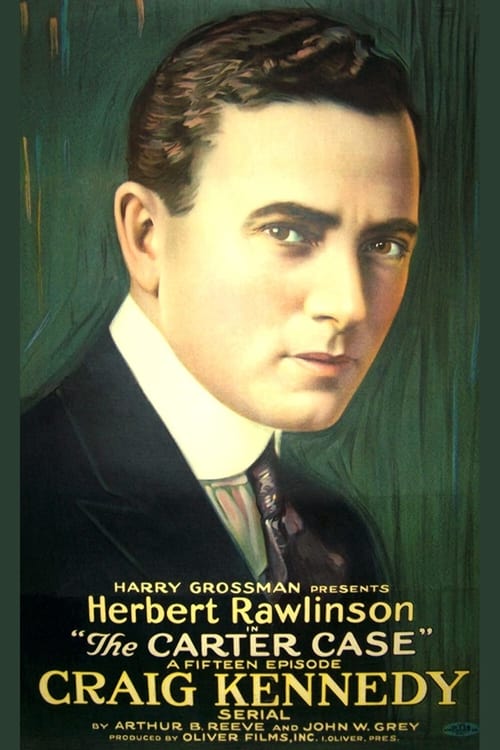
Science fiction serial.
The Carter Case

Anne Blair is a model at a modiste's shop who accepts the attention of wealthy Thomas Brockton so she can help support her invalid mother. One day Brockton tries to force himself on her and she stabs him. Later that day Anne finds out that her mother has died, and delirious from the shock, she wanders out into the snow where she is found, unconscious, by artist Richard Steel.
The On-the-Square Girl

The young gypsy Anselo, son of fortune teller Old Mrs. Lee, meets and instantly loves the wealthy but delicate Gertrude Carlton when she visits the gypsy camp with a party of her friends. Their love is shadowed however by strong objections on both sides. Mrs. Carlton objects because of social barriers and a desire for her to wed moneyed Van Buren, while Mrs. Lee has foretold that Gertrude will die young. The young lovers resist all efforts to separate them, but tragedy lies in their future.
Anselo Lee
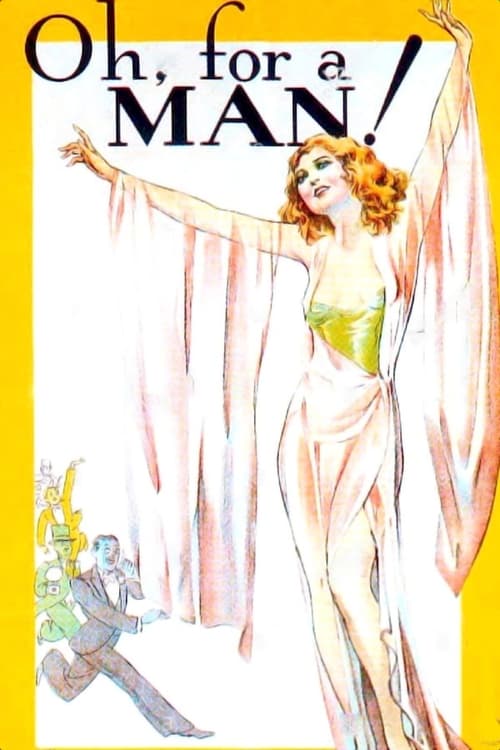
Disenchanted opera star Carlotta Manson falls for ruffian cat burglar Barney McGann and gives up her career to marry him. But Barney grows disenchanted himself at being known as the husband of a diva and itches to get back to his life of crime and manliness.
Oh, for a Man!
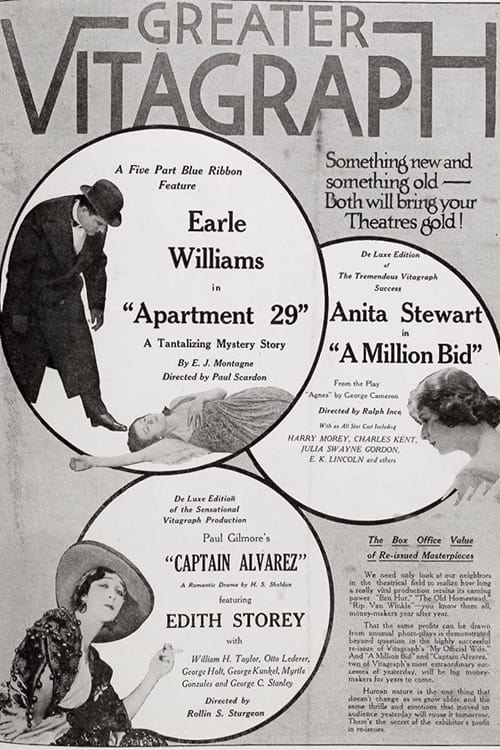
Agnes Belgradin is in love with a young doctor, Loring Brent. When Agnes' father dies, her mother takes her on a trip abroad. She insists that the young couple separate before they set sail, and promises that if they still love each other after a year they can reunite. But Mrs. Belgradin intercepts all the letters Agnes and Brent write one another, and convinces her daughter to marry a wealthy Australian millionaire.
A Million Bid
Dr. Williams is so deeply immersed in his work he unconsciously neglects his wife. Newell Russell, a young society idler, becomes acquainted with them and Bobby, the doctor's son, takes a great fancy to him. Harmon, a former suitor of Mrs. Williams, sees an opportunity to make trouble and sends an anonymous note to the Doctor warning him to "watch his wife." This, followed by the discovery of an apparently compromising snapshot Bobby had taken, sends the Doctor in a rage. He demands an explanation from Newell at the point of an automatic, but Mrs. Williams saves the situation by proving the note was written by Harmon.
The Third Party

Stewart, an art student in the "bohemian" Greenwich Village in New York City, lives next door to his girlfriend Hedda, who wants to be a singer. One night while they are dining at their favorite cafe, a wealthy woman, Mrs. Trask, comes up to them with a proposition: she knows he is an artist and wants to go to Paris in order to study and develop his talent, and she will pay all his expenses to allow him to do that. He refuses because he doesn't want to leave Hedda, but she eventually persuades him to agree. It turns out that she as an ulterior motive for what she's doing--as does Mrs. Trask.
The Broken Melody
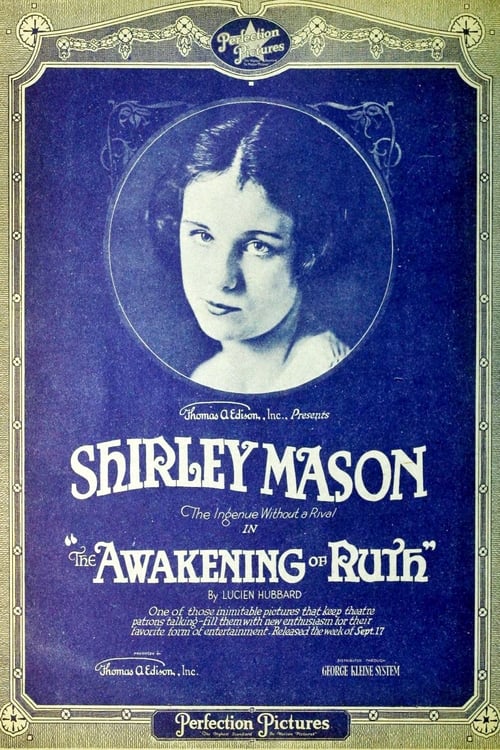
Ruth Hoagland grows up on the Florida Keys with no companion other than her father, a half-witted fisherman who spends most of his time hunting for buried treasure. Vacationing yachtsman Bob Winthrop and Ruth fall in love, but Winthrop returns to New York, and after a year, has forgotten Ruth. After finding two chests in a cave, Ruth locates her father unconscious from a fall. She goes to the mainland for help, but returns with the Reverend Josiah Arbuthnot and Dr. William Strong, to find her father dead. Strong, out of kindness, offers to marry her, but Ruth declines, sure that Winthrop will return.
The Awakening of Ruth

Soap-opera about a social-climbing Jewish man and his old-world parents who are heartbroken by his rejection of them. Young Morris Goldfish follows his immigrant father into business. His ruthless business practices cause him to become a big success, and he moves the family to Park Avenue. They go, but were happier back on the East Side. Morris is ashamed of this parents and his humble origins, but learns in the end that there is more to life than money.
The Younger Generation
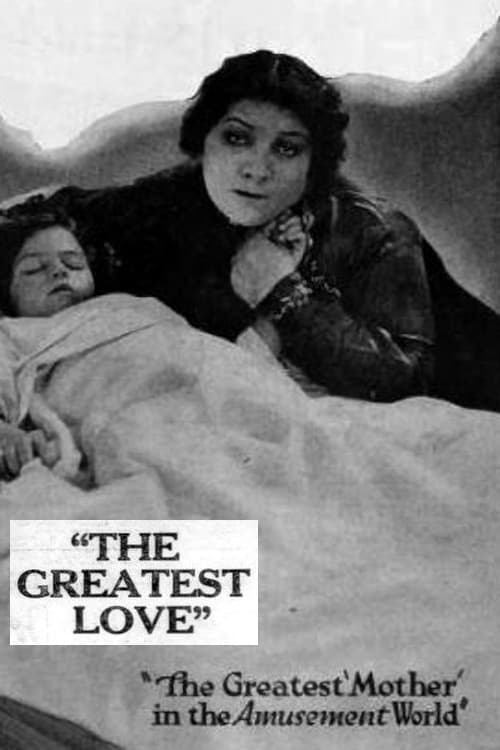
Director Henry Kolker's silent romantic melodrama starred Vera Gordon, who was billed as "The 'Mother' of 'Humoresque'", Bertram Marburgh, Yvonne Shelton, Hugh Huntley, and William H. Tooker
The Greatest Love
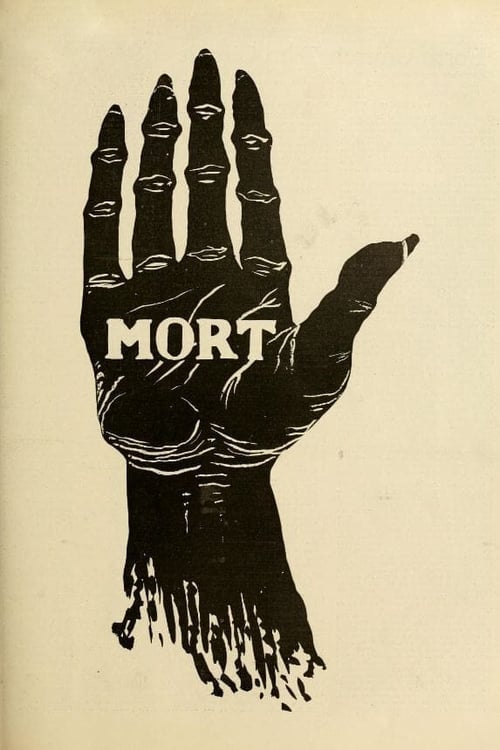
Surgeon Crisp announces to his student doctors and friends that he has solved the problem of limb-grafting, and shows proofs. Among those deeply interested is Mortmain, a musician and a friend of the surgeon.
Mortmain
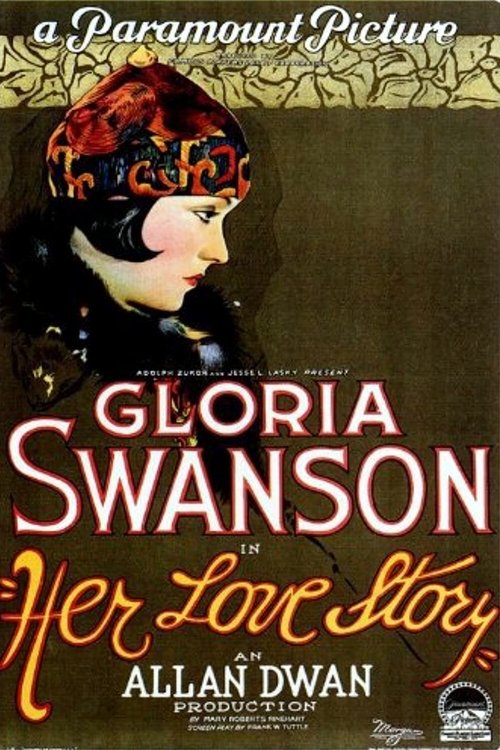
When Princess Marie of the Balkan kingdom of Viatavia falls in love with Captain Rudi of the King's Guards, her father quickly arranges her marriage with the king of a neighboring country. Although Marie and Rudi are secretly wed by a Gypsy, the duke ignores the marriage and exiles Rudi. When a child is born to Marie, she declares to the king that it is Rudi's and is thereafter banished to a convent; however, Rudi returns and helps Marie retrieve her child from the palace, and they find happiness in another land.