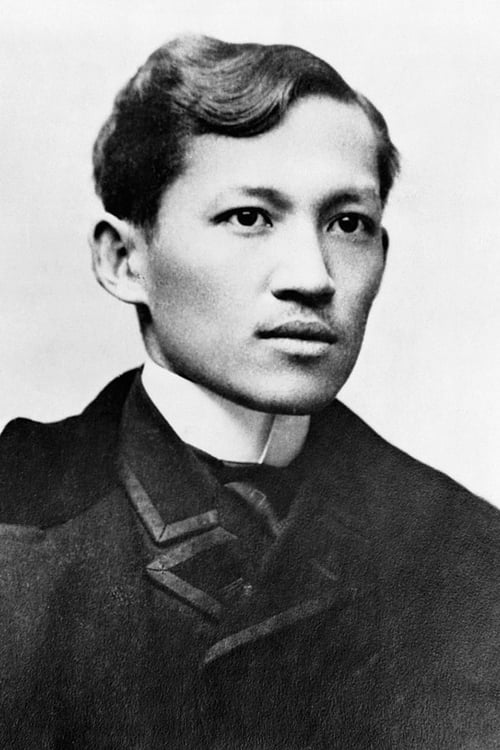
José Rizal
Writing
Biography
José Protasio Rizal Mercado y Alonso Realonda (June 19, 1861 – December 30, 1896) was a Filipino nationalist, writer and polymath active at the end of the Spanish colonial period of the Philippines. He is considered the national hero of the Philippines. An ophthalmologist by profession, Rizal became a writer and a key member of the Filipino Propaganda Movement, which advocated political reforms for the colony under Spain. He was executed by the Spanish colonial government for the crime of rebellion after the Philippine Revolution broke out; it was inspired by his writings. Though he was not actively involved in its planning or conduct, he ultimately approved of its goals which eventually resulted in Philippine independence. Rizal is widely considered one of the greatest heroes of the Philippines. He wrote the novels Noli Me Tángere (1887) and El filibusterismo (1891), which together are taken as a national epic, in addition to numerous poems and essays.
Known For

Klay, a Gen Z nursing student who wakes up and finds herself in the world of Jose Rizal’s novels Noli Me Tangere and El Filibusterismo.
Maria Clara and Ibarra
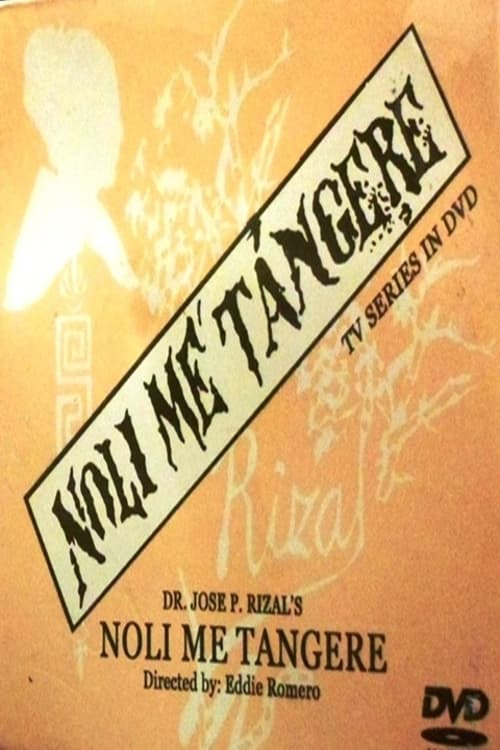
Eddie Romero's miniseries adaptation of the novel from Filipino writer and activist Jose Rizal, published during the Spanish colonial period of the Philippines in 1887. Noli Me Tángere (Latin for "Touch Me Not") explores perceived inequities in law and practice in terms of the treatment by the ruling government and the Spanish Catholic friars of the resident peoples in the late nineteenth century.
Noli Me Tangere
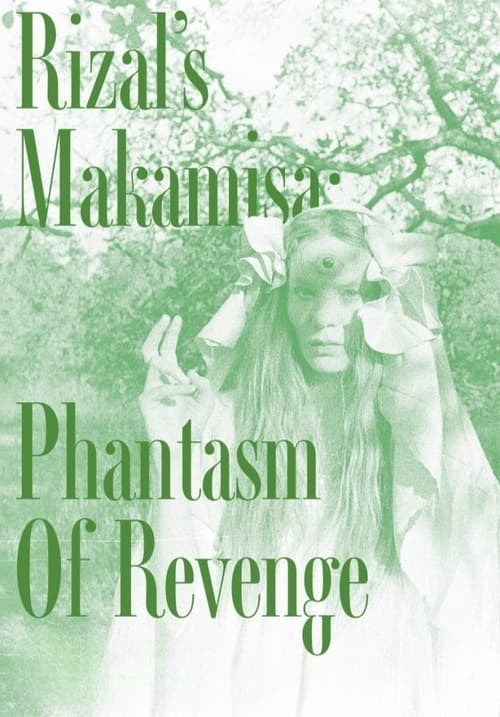
In this whimsical historical fresco, a counterpoint to today’s urgent political issues, the figure of the Filipino revolutionary Rizal is revisited in the light of early silent films.
Rizal's Makamisa: Phantasm of Revenge
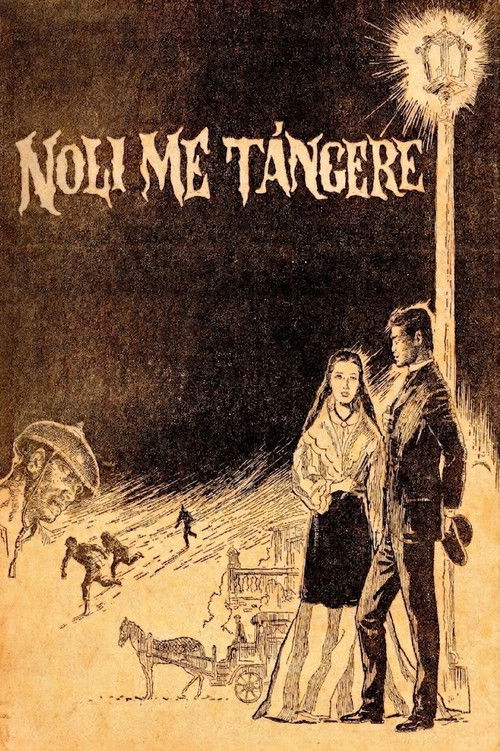
Based on the revolutionary novel by Jose Rizal, the story follows Crisostomo Ibarra, a young Filipino man who returned from his studies in Europe, who discovered that his father was falsely imprisoned and abused by the Spanish friars, including Padre Damaso. While he is making plans to uplift the lives of his fellow countrymen, he faced resistance from the Spanish colonial government.
Noli Me Tángere
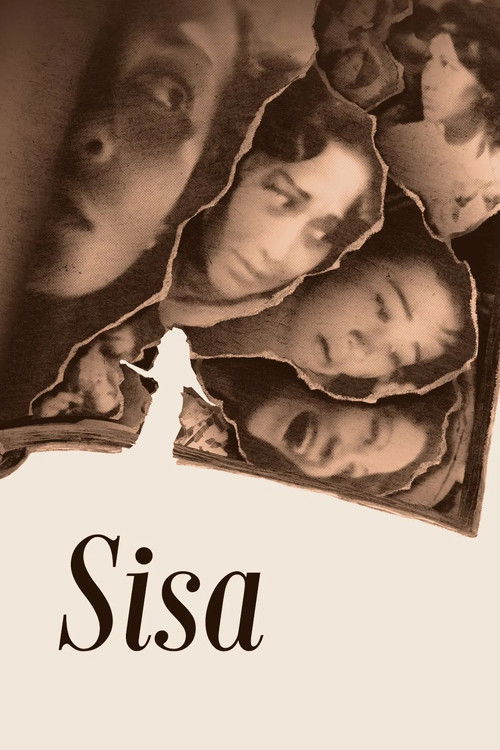
A mother’s life is destroyed when her two sons, both altar boys, are accused of a crime they didn't commit. As the local authorities hunt them down and her family is torn apart, the trauma drives her into a state of madness as she wanders the town searching for them.
Sisa
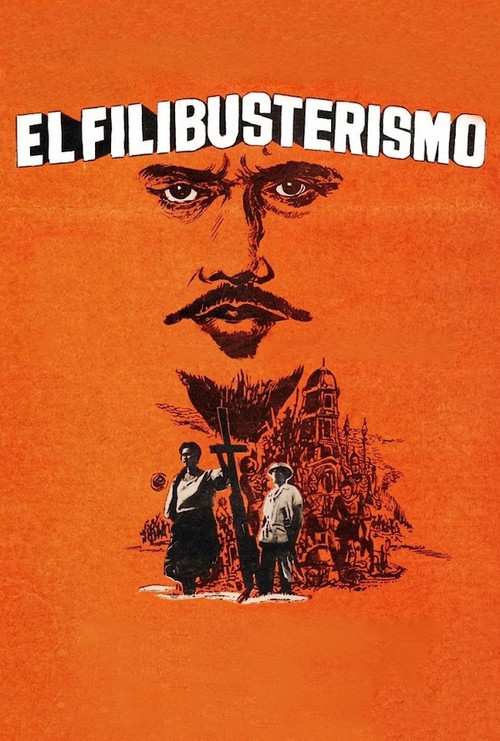
A vindictive Crisostomo Ibarra returns, and this time, disguised as a jeweler named Simoun, where he decides to solve the country's issues through violence.
El Filibusterismo

Interventions in the state of transportation in both our and Rizal's time through primitive intellectual montage. From José Rizal's "El Filibusterismo."
V. A Cochero's Christmas Eve
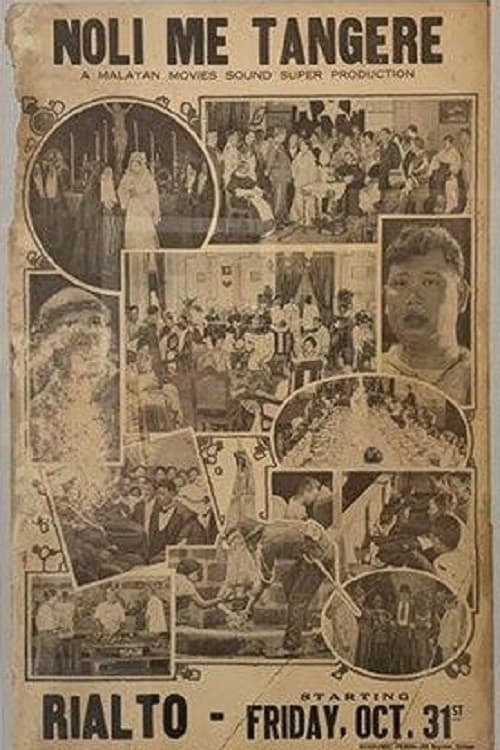
First Filipino screen adaptation of Jose Rizal's popular novel.