Acting
A young couple flee their disapproving parents, get lost of Mt. Akagi and find a cache of gold protected by the ghost of a gangster.
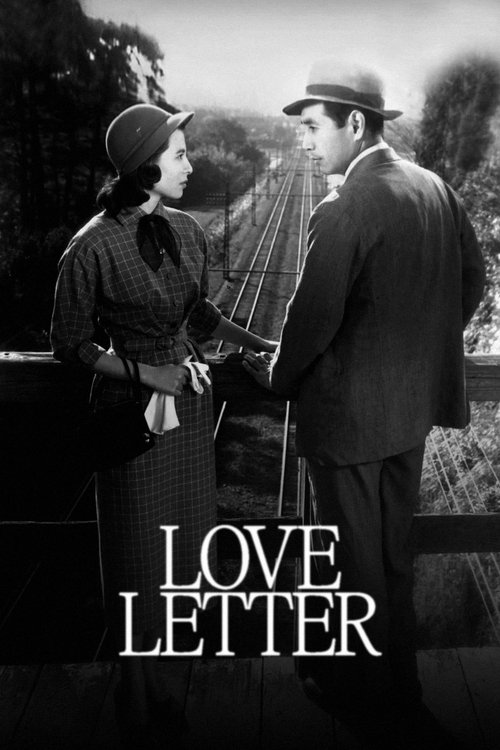
Five years after the end of the Second World War, Reikichi, a repatriated veteran, translates love letters for Japanese women to American GIs, while searching for his lost love, Michiko.
Domestic comedy involving a strong wife and a "henpecked" husband taking place in a family-run judo school.
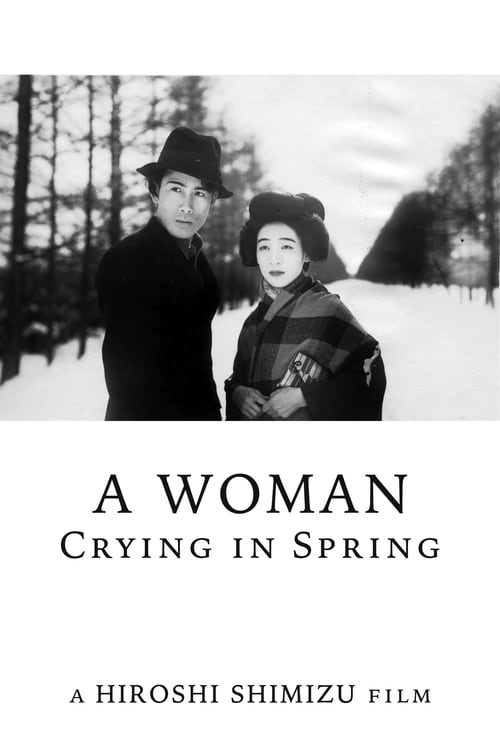
Kenji and Chuko travel to Hokkaido as migrant workers and enlist as miners under the strict leadership of Guzuyasu. On the boat journey to Hokkaido, Kenji attracts Ohama, who is travelling to Hokkaido to open a bar. When Kenji visits the bar, he chases away a sailor who was hassling a shy girl, Ofuji, which makes Ohama jealous.
Lost silent film
The story is centered around the devastating experiences of two villagers, Osaki Shuichi, and his cousin, Nishimiura Kinue, when they leave their hometown for the metropolis of Tokyo. They are in love with each other, but Kinue is expected to marry the lawyer Kanda Seiji. In consequence, Shukichi leaves for Tokyo, where he becomes tutor to the son of the rich Iwaki family. The heartbroken Kinue also makes her way to the capital, where she becomes a bar hostess.
Set in a bustling 1950s parlor, a beautiful counter clerk falls for a wealthy businessman’s son, only to have their romance derailed by a ruthless loan shark and a mounting family debt. As the parlor faces ruin, the narrative weaves through slapstick antics, musical numbers by Enka legends, and surreal interviews with real-life cultural figures. A chaotic "blueprint" for the Pachinko subgenre, this musical dramedy captures the obsession and desperation of the silver balls.
Kodakara Sodo (The Treasure That Is Children) is a 1935 black and white Japanese silent film with benshi accompaniment directed by Torajiro Saito. This is a rare example of a silent Japanese slapstick film that has survived to this day.
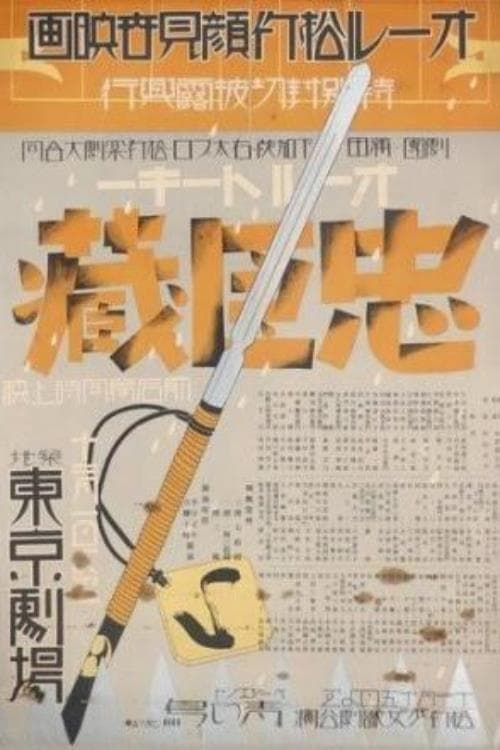
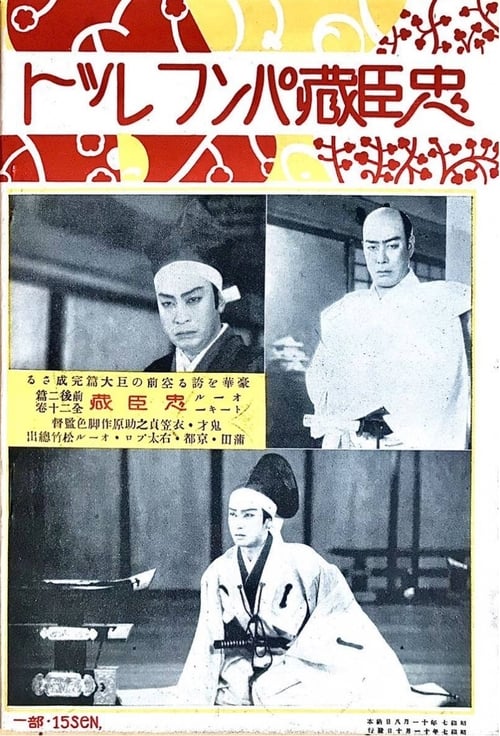
This 1932 adaptation is the earliest sound version of the ever-popular and much-filmed Chushingura story of the loyal 47 retainers who avenged their feudal lord after he was obliged to commit hara-kiri due to the machinations of a villainous courtier. As the first sound version of the classic narrative, the film was something of an event, and employed a stellar cast, who give a roster of memorable performances. Director Teinosuke Kinugasa was primarily a specialist in jidai-geki (period films), such as the internationally celebrated Gate of Hell (Jigokumon, 1953), and although he is now most famous as the maker of the avant-garde silent films A Page of Madness (Kurutta ichipeji, 1926) and Crossroads (Jujiro, 1928), Chushingura is in fact more typical of his output than those experimental works. The film ranked third in that year’s Kinema Junpo critics’ poll, and Joseph Anderson and Donald Richie noted that 'not only the sound but the quick cutting was admired by many critics.
In Depression-era Tokyo, the life of a single mother and her young son are disrupted by the return of her ex-husband, who fathered the child and walked out on her years earlier.
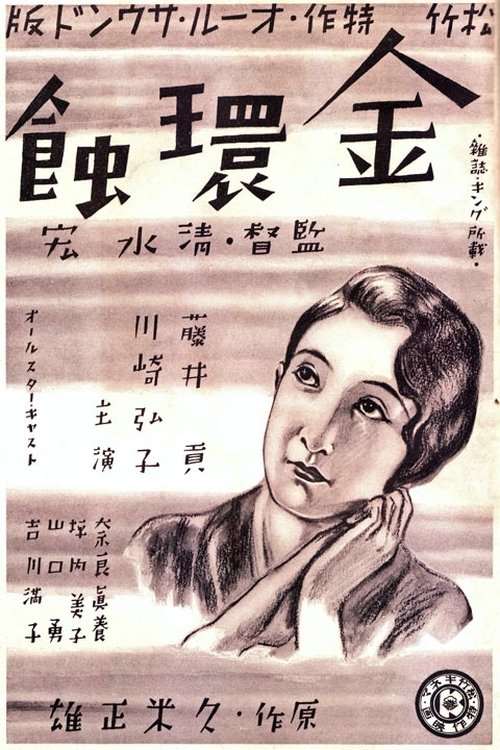
1926 jidaigeki (period drama) directed by Hiroshi Shimizu.
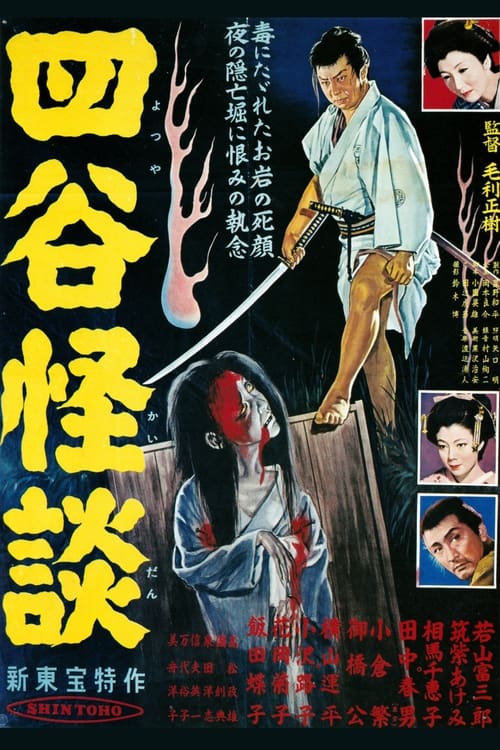
Oiwa has been searching for the one who killed her father for a long time. She comes to Yedo and sees a man named Naosuke. The film is based on the kabuki classic: Toukaidou Yotsuya Kaidan (1826) written by Tsuruya Nanboku and is one of the most famous ghost stories throughout Japan.
No description available.
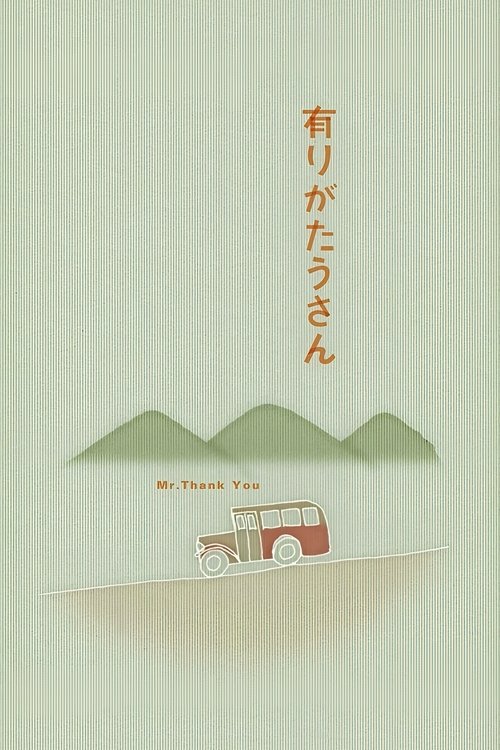
In Depression-era Japan, a courteous bus driver carries an eclectic group of passengers from the mountainous Izu to Tokyo.
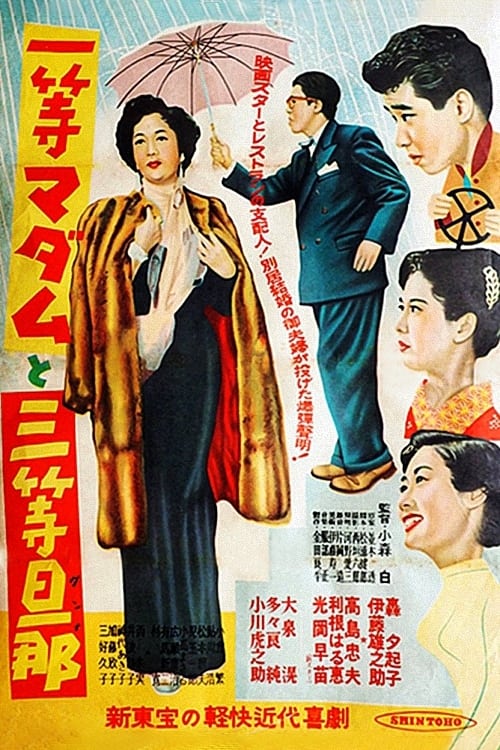
Domestic comedy produced by Shin Toho Studios directed by Komori Kiyoshi and starring Todoroki Yukiko and Ito Yunosuke.
Japanese sports comedy film about kendo.
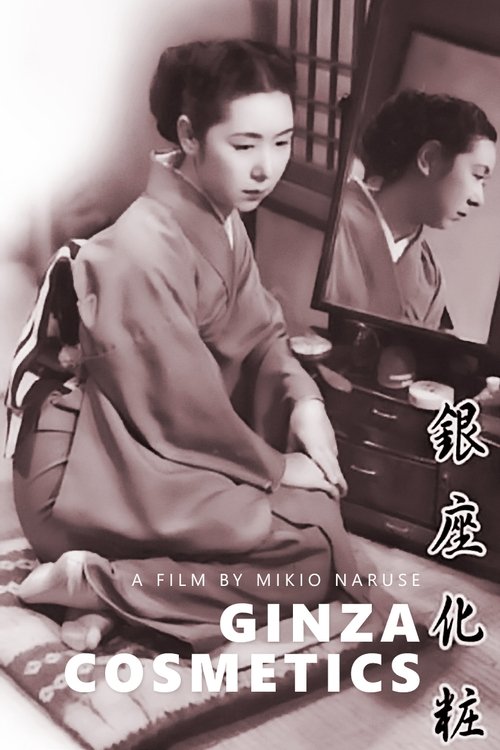
A few days in the life of a quiet geisha, single mother of a smart young boy, in the lively Tokyo quarter of Ginza. A woman devoted to others' needs, she'll end by taking part herself in one of the many disguises of Ginza.
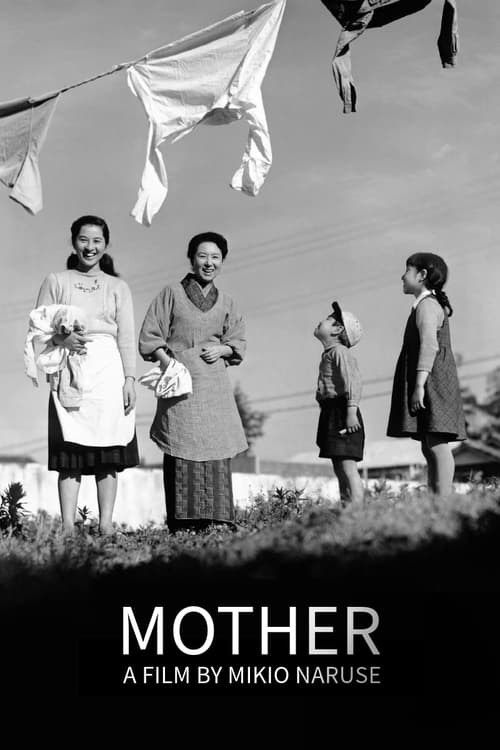
A teenaged girl witnesses her widowed mother's attempt to sustain her family.
Heinosuke Gosho evokes in this film the family conflicts engendered by the eternal problem of a father who projects his professional desires on the life of his son. The sister Machiko is the essential link that will allow everyone to apologize to each other and achieve reconciliation.
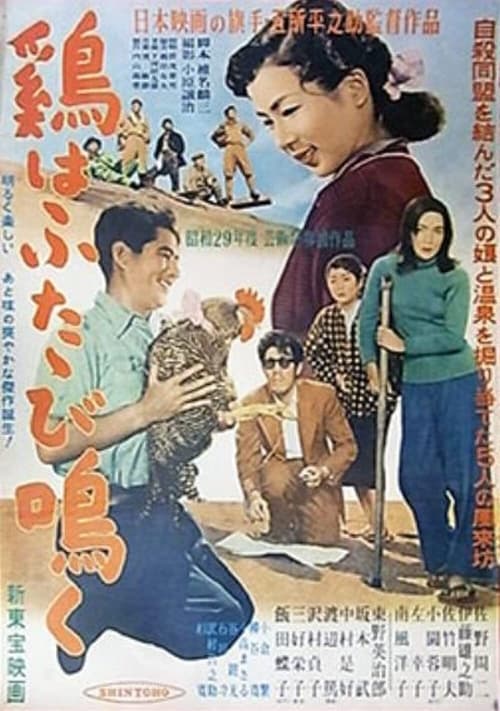
Three young women make a suicide pact, but they grow to have a better understanding of themselves.