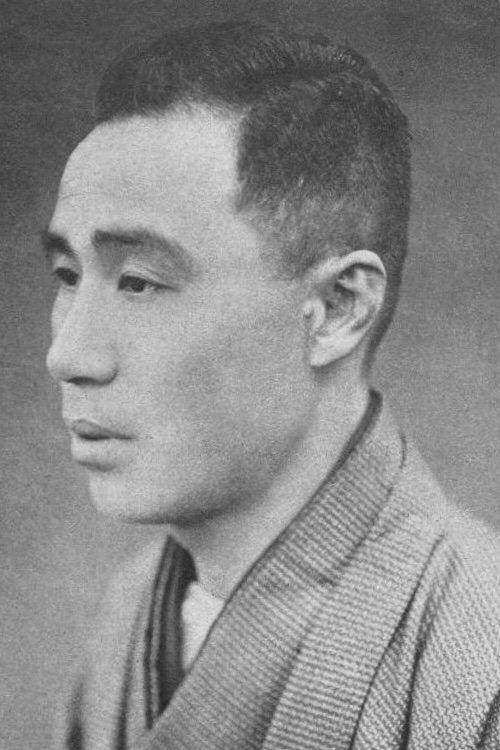
Shoichi Nodera
Acting
Biography
Shoichi Nodera (October 5, 1886 – June 30, 1939) was a Japanese actor. He was a frequent face in supporting roles for films produced by Shochiku Studios.
Known For
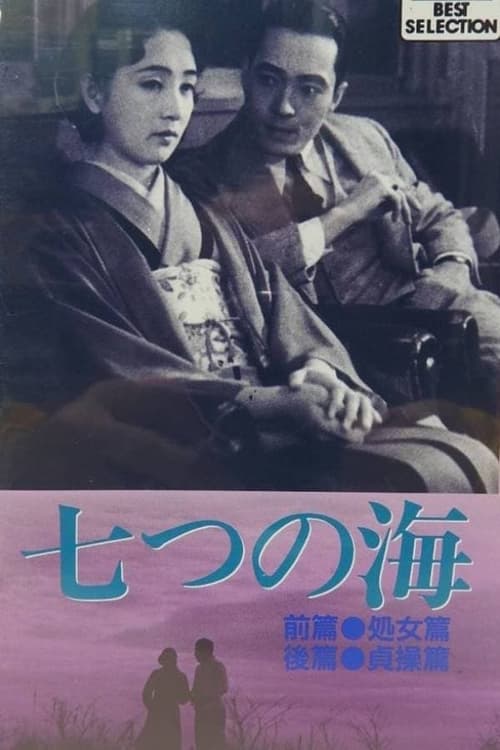
Part two of Shimizu's major silent Seven Seas, a family drama of the intertwining fates of the rich, decadent Yagibashis and the far less prosperous Sone family.
Seven Seas: Chastity Chapter
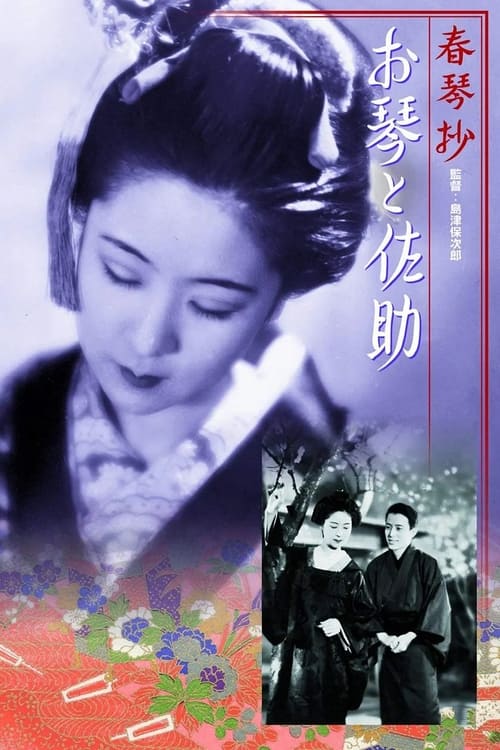
A period piece about the love of a wealthy blind woman, a teacher of koto and shamisen, and her devoted manservant. Based on a novella by Tanizaki Junichiro.
Okoto and Sasuke
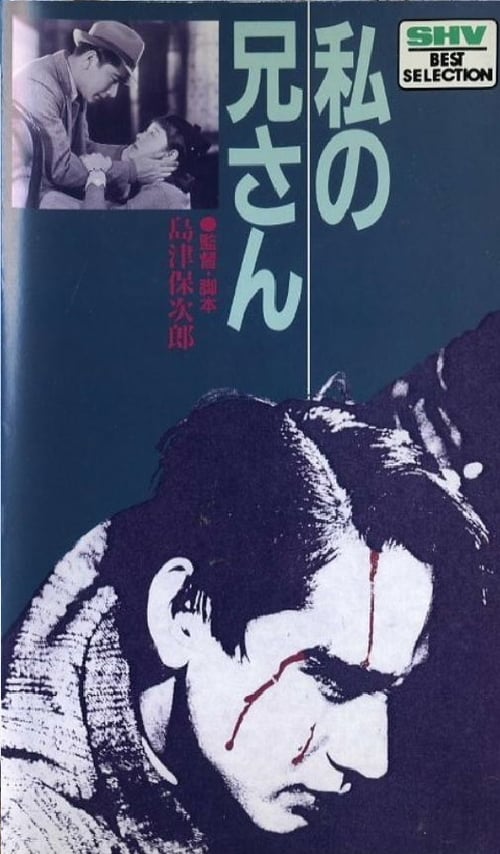
Jyuta, an honest owner of a taxi company, has a younger half-brother who is involved in the yakuza world and doesn’t get along well with his mother. Jyuta tries to correct him…
My Elder Brother
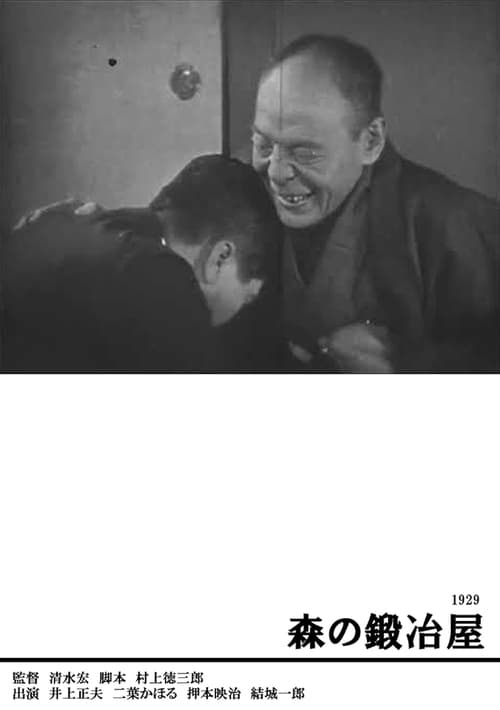
A blacksmith is chased out of the village by the sinister village chief and forced to move to the forest with his wife and two sons. The blacksmith's younger son is disabled, and the other children in the village tease him. The older son aspires to become a doctor in order to fix his brother's leg. The film depicts the bond between a father and his sons. Only 18 minutes survive.
The Blacksmith of the Forest

The three-hour Ai yo jinrui to tomo ni are / Love, Be with Humanity (1931) starts as a satire of alienation in the world of money, develops into a lumberland epic with a forest fire on Sakhalin Island, turns into a tragedy of King Lear dimensions, and manages to amaze the blasé audience with a happy end in the Wild West.
Love, Be with Humanity: Part 2
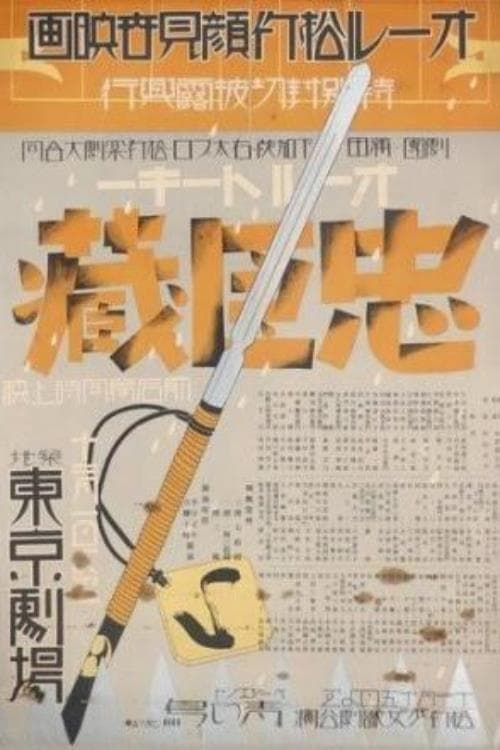
This 1932 adaptation is the earliest sound version of the ever-popular and much-filmed Chushingura story of the loyal 47 retainers who avenged their feudal lord after he was obliged to commit hara-kiri due to the machinations of a villainous courtier. As the first sound version of the classic narrative, the film was something of an event, and employed a stellar cast, who give a roster of memorable performances. Director Teinosuke Kinugasa was primarily a specialist in jidai-geki (period films), such as the internationally celebrated Gate of Hell (Jigokumon, 1953), and although he is now most famous as the maker of the avant-garde silent films A Page of Madness (Kurutta ichipeji, 1926) and Crossroads (Jujiro, 1928), Chushingura is in fact more typical of his output than those experimental works. The film ranked third in that year’s Kinema Junpo critics’ poll, and Joseph Anderson and Donald Richie noted that 'not only the sound but the quick cutting was admired by many critics.
The Loyal 47 Ronin
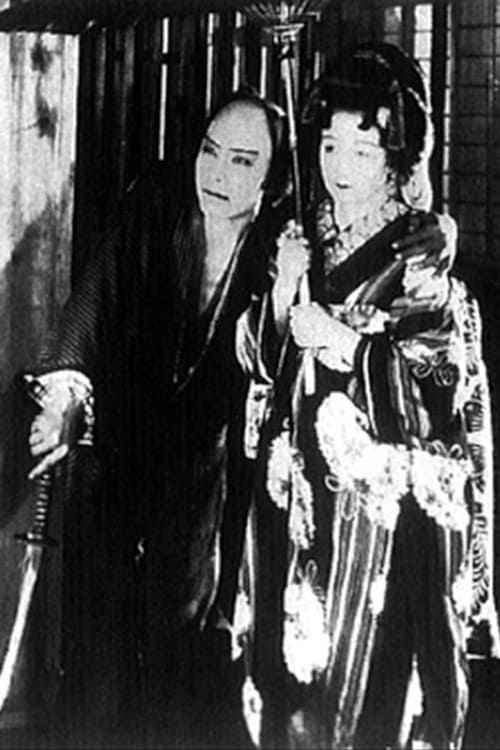
Two criminal brothers try to go straight but face opposition from one of their criminal cohorts. Considered to be a lost film.
Sword of Penitence
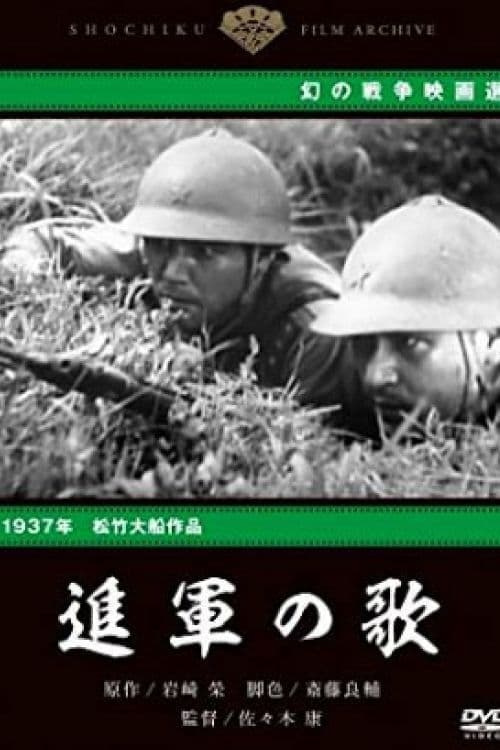
A Japanese wartime film directed by Yasushi Sasaki.
Marching Song
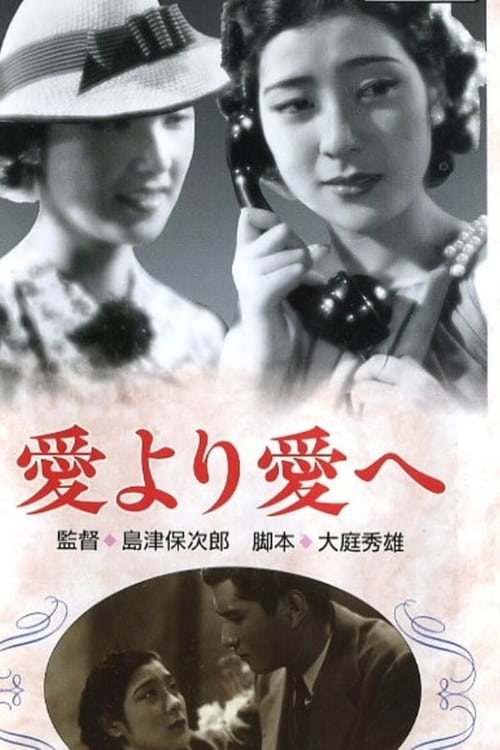
Shigeo is an aspiring writer living with his girl friend Minako and hoping for success and a better tomorrow every day. Both live on what Minako earns from working in a café. Shigeo is not happy with the situation and neither is his family who do not approve of Minako. Especially his uncle tries to convince him to leave Minako, even using his influence behind the scenes. Things start to change when Shigeo's sister pays the young couple a visit, being the first member of Shigeo's family to actually get to know Minako in person.
So Goes My Love
The three-hour Ai yo jinrui to tomo ni are / Love, Be with Humanity (1931) starts as a satire of alienation in the world of money, develops into a lumberland epic with a forest fire on Sakhalin Island, turns into a tragedy of King Lear dimensions, and manages to amaze the blasé audience with a happy end in the Wild West.
Love, Be with Humanity: Part 1
No description available.
The Big City: Labor
Episode in the life of a composer of a popular Japanese song.
Moon Over the Ruins
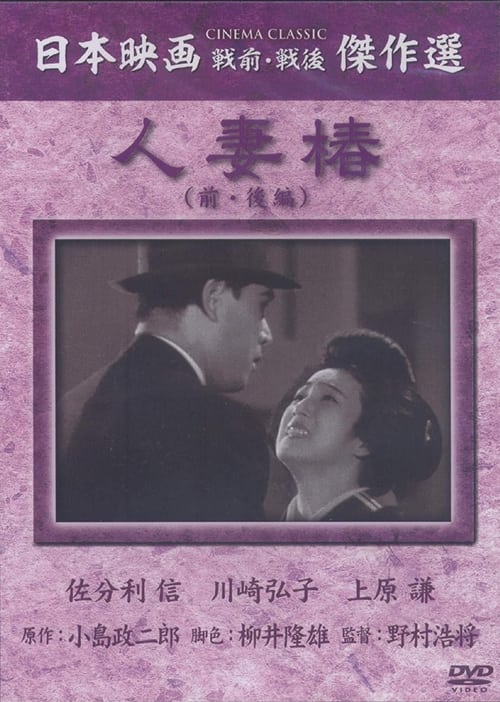
The narrative is about a woman who faces hard times, when her husband is arrested for a crime committed by his boss. The woman also has a child to look after, and they end up meeting several colorful personalities.
Housewife Camellia
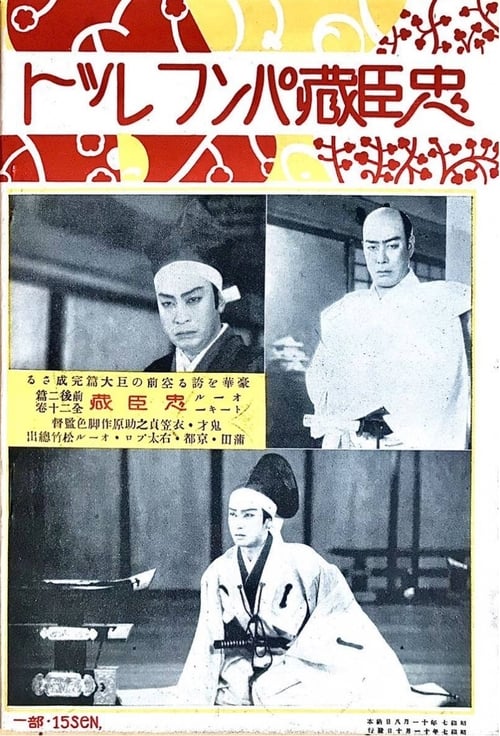
No description available.
Chûshingura - Zempen: Akahokyô no maki
No description available.
Reijin
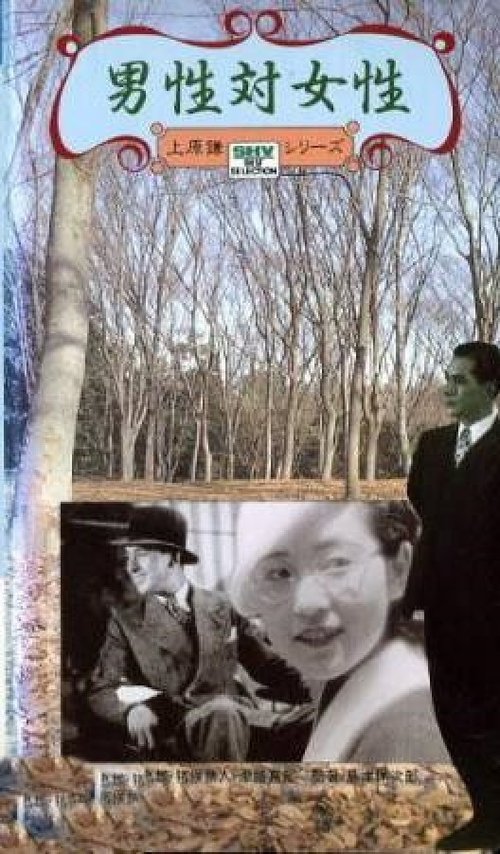
A musical film made for the inauguration of Shochiku's Ofuna Studio, with an all-star cast of the era.
Men vs. Women
Created by Shochiku’s cultural film department on behalf of the Ministry of Education, this film tells an ironic anecdote juxtaposing the fate of a cooper’s son with that of the son of a middle-class salaried worker, and championing the virtues of honest poverty and diligence. An educational film preaching a fable-like message, it is however filled with humorous scenes that offset the film’s didacticism. Original director Yoshio Nishio fell ill and was replaced halfway through the shooting by the admired filmmaker Hiroshi Shimizu; though finished in May 1931, the film was shelved and never given a general release. Shot as a silent film, this version of the film features musical accompaniment, sound effects, and a spoken commentary track by a benshi narrator, thus bearing witness to the variety of forms taken by sound film during this transitional period.
Shining Love
No description available.
Yama no senroban
Japanese silent film from 1927.
Yakko no Koman
After losing their parents, Eiichi and his sister Kikue are taken in by their aunt and uncle. Kikue is sent to Tokyo to work as a servant. Left alone, Eiichi wants a model airplane that a friend at school has, but finds found solace in reading the model-making instructions in a magazine that his sister sent him. One day, Eiichi gets into a fight and falls into a river, contracting pneumonia. Presumed to be a lost film.