Dimitrie Osmanli
Directing
Biography
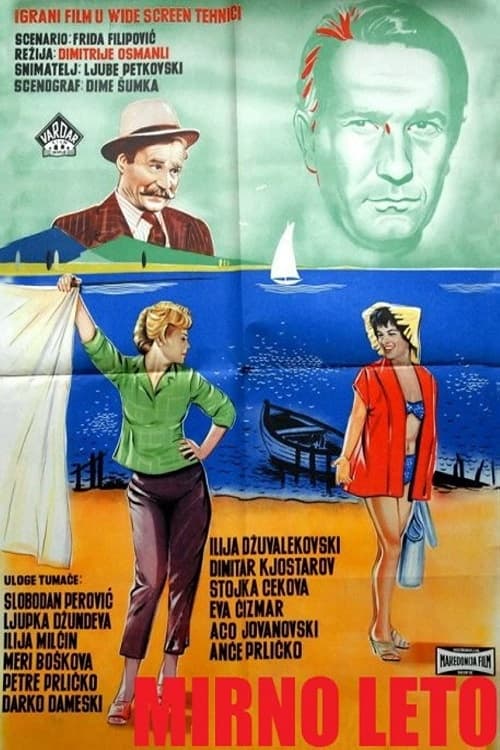
Dimitrie Osmanli (1927–2006) was a Macedonian film, television, and theater director. He was the first academically graduated Macedonian, both film and theater, director. Osmanli was a multimedia director. Highly respected for introducing modern themes and genres in the age of socialist and patriotic realism, introducing the new creative approach with his first feature films, the short film "Puppets` Rebellion" (1957), and especially with the modern comedy "Peaceful Summer" (1961), a film keeping its charm and freshness up to date. One of the founders, the first dean, and a professor in the Faculty of Dramatic Arts ("Fakultet na dramski umetnosti") of the St.st. Cyrillus and Methodius University of Skopje. Dimitrie Osmanli was given a Macedonian Ministry of Culture award for his doyen contributions to the country's film industry. He was born in Bitola and lived in Skopje, and working in his country and abroad.
Known For
A day before the earthquake in Skopje, Wily Muller, a German conductor, while passing through the concert meets a young girl Jana, a student from Skopje. After several years they meet again at the "Solidarity Meetings" event, which is held in Skopje, where Wily Muller is a conductor at a concert held on that occasion. Those several days, spent together with the conductor, for Jana mean fulfillment with a kind of reminiscence of her family tragedy experienced during Skopje's earthquake, and also a wondering and search for a way of starting life again, which stopped on the day of the earthquake. Although the possibility of going with Muller is very attractive, Jana stays in Skopje. Her place is beside the young man whom she loves and belongs to, with whom she is related with true love...
Memento

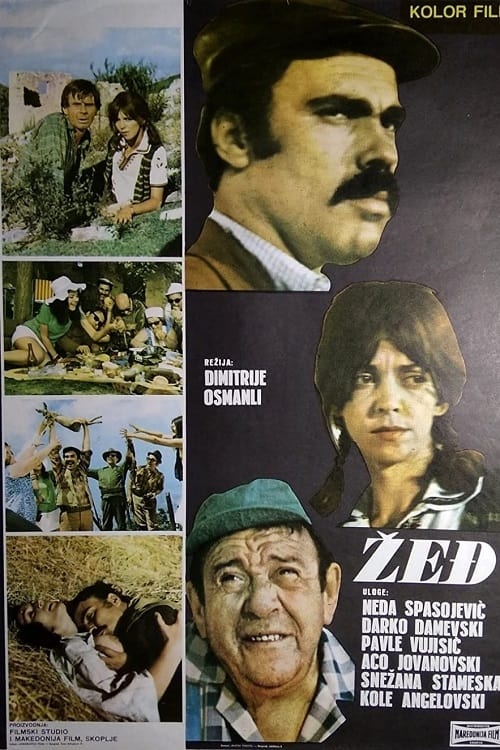
The inhabitants of a small village in a backward area of Macedonia earn their living by sending their men abroad in search of employment. Three young girls, named Elica, Maria and Nikolina live and work as schoolteachers in the village. Each of them try to make sense of their lives, in that situation where it is imposed on them. In the village the greatest problem is the supply of water. Spring water is carried by Marko from the distant mountains Marko is falls in love with the poor girl Kate...
Thirst
Simon is a young man who has decided to make quick money by smuggling narcotics. At a meeting with his contact they are ambushed by the police. Simon runs away but loses his wallet and so supposes that his identity must now be known to the police. Kalpak, the unscrupulous man who organizes this group of smugglers insists that he and Simon to leave at once. Simon agrees to cross the border illegally. Simon's girl-friend Lena and his brother Cvetko are involved in this operation by chance. They all leave together. Lena tries to persuade Simon to give himself up to the authorities, but the arguments of Kalpak, who uses the lost wallet as a threat, are stronger. In the attempt to cross the lake in a stolen boat they are chased by the police. Kalpak gets killed, Simon is wounded and the girl Lena drops the narcotics into the lake.
The False Passport

Young scientist Zare and his wife, a theater costume designer Mira, live in a rented apartment where they were under the pressure of curious and disturbing neighbors. Once Zare was given the keys of the Ethnographic Museum in Ohrid in order to sort out the situation in this museum, this means escape for the family.
A Quiet Summer

The film takes place in Skopje in the summer of 1963, just before the catastrophic earthquake.
Skopje's Dreams

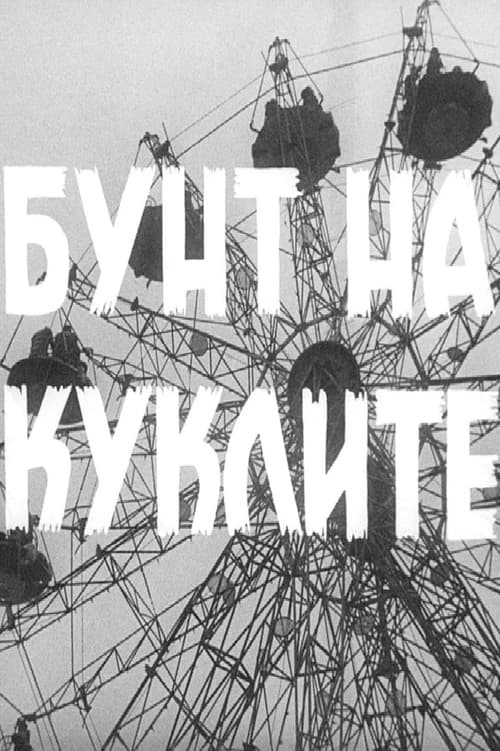
A wonderfully playful and symbolic manifestation of the spirit of childhood can be found in Dimitrie Osmanli’s short fiction debut. The film follows a little girl with her doll who meets a neighbourhood boy with his tank; after her doll is damaged we are invited into a surreal dream where dolls rise up against the boy and their face resembles the little girl he hurt. The rebellion of the dolls signifies a rebellion against the boy’s malice and essentially against his refusal to be like a child. The dream yields fruit: on waking up, the boy, grateful to be alive, has joy restored in his heart and runs to makes amends with the little girl. The Rebelion of the Dolls renders the concept of rebellion as an internal event: an uprising of the conscience against the spirit of cruelty and disobedience and as a lesson to the little boy shows true conscience restored in the spirit of gentleness.
The Rebelion of the Dolls

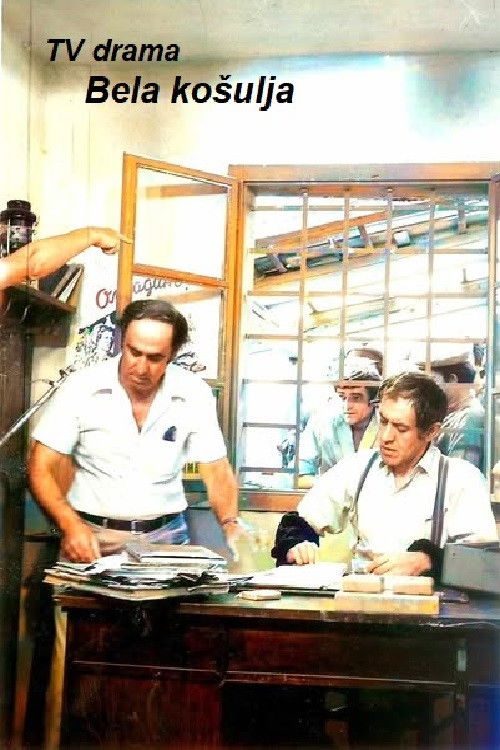
A TV drama set in a brick factory.
White Shirt

Macedonian TV movie.
First Evening

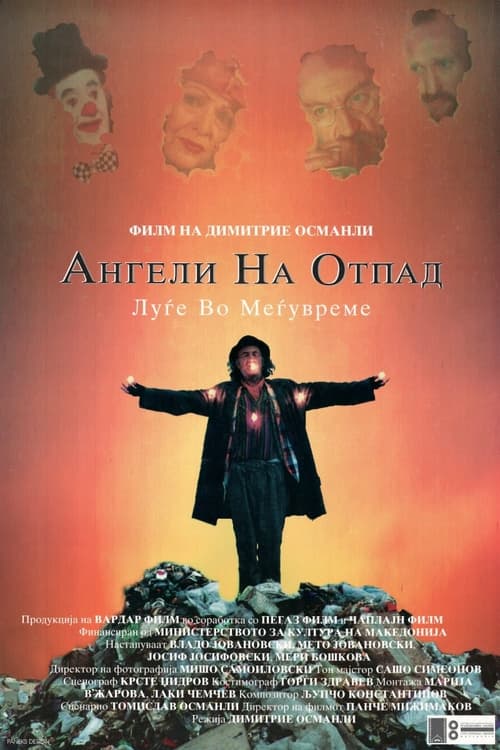
A tragicomedy on displaced people in the post-Communist era. Its protagonist are mostly oldtimers from the circus world and the variety stage. When the circus burns down and the "last performance" ends in tragedy, the fault for the loss is laid upon corrupt officials and smalltime gangsters. Veteran screen star Meri Boshkova - who played the title role in the first Macedonian feature film made, Frosina (1952) - can be seen in the role of Mimi, a woman at the dumpyard who lives with her dreams.
Angels of the Dumps
Macedonian TV drama.
Encounter

The first Macedonian TV drama produced by TV Skopje.
Return from Paradise

Macedonian TV drama.
People and Birds

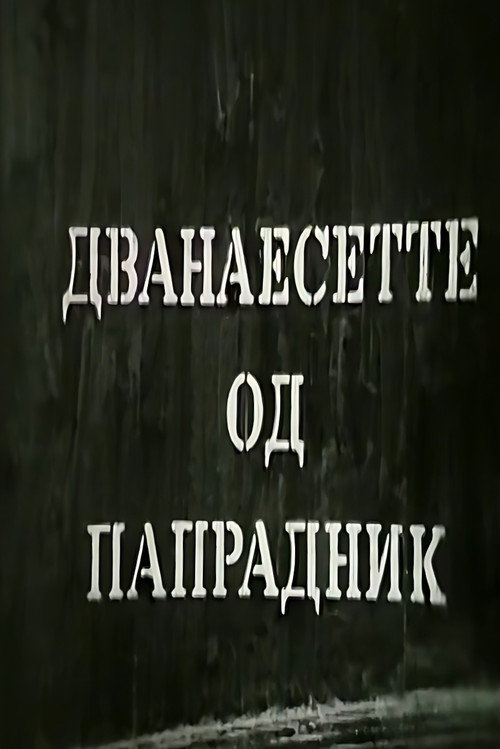
After completing their education at the Teacher School in Ohrid, the twelve newly graduated teachers come to the village of Papradnik, in the Debar region of Macedonia, to pass on their knowledge to the students.
The Twelve Teachers of Papradnik
Macedonian TV comedy.