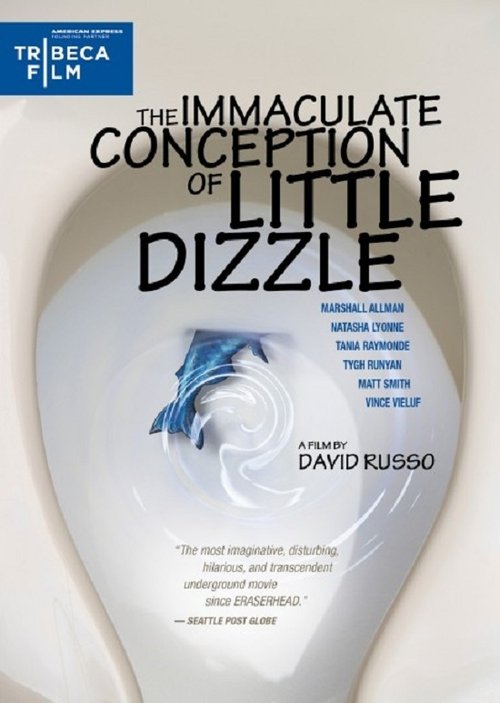
Directing
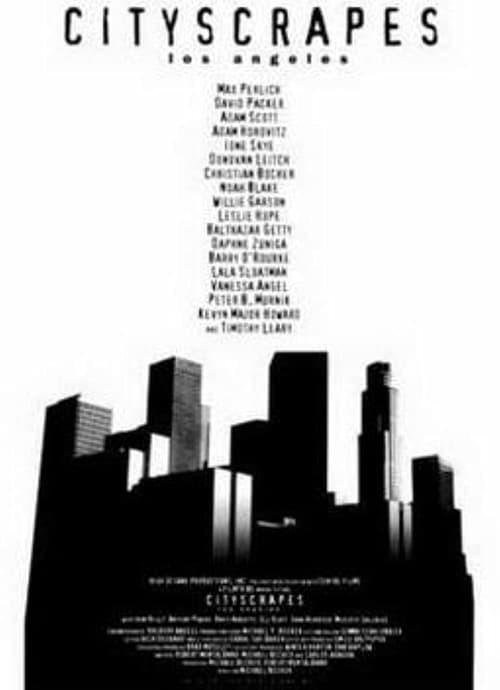
"CITYSCRAPES" takes you on a 24-hour voyeuristic journey through the bedrooms, bathrooms, bars, cars, clubs, restaurants and back alleys of the lives of the young and hip in post modern Los Angeles. Ten intertwined stories follow eighteen main characters as they deal with the twists and turns of everyday life in the mega-metropolis.
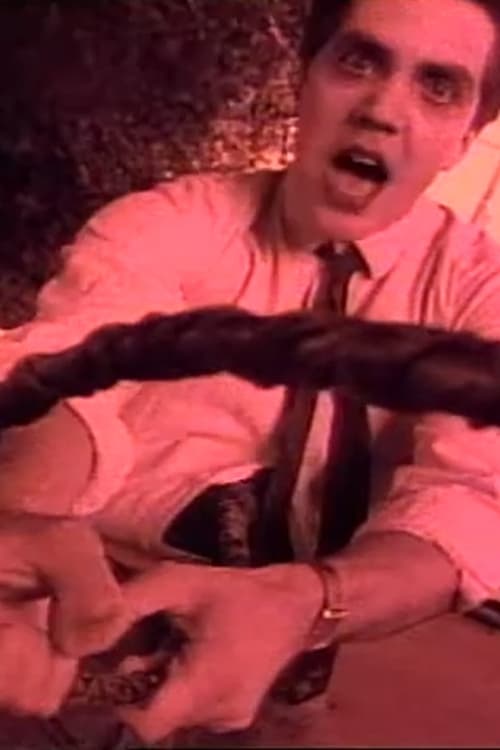
After he loses his high-paying job, Dory takes a gig as a night janitor in order to pay rent. Alone late at night inside a market research firm, he soon discovers the company is experimenting on their other janitors ...
David Russo's first actual film. Set to a slowed down Residents' cover of the James Brown song.
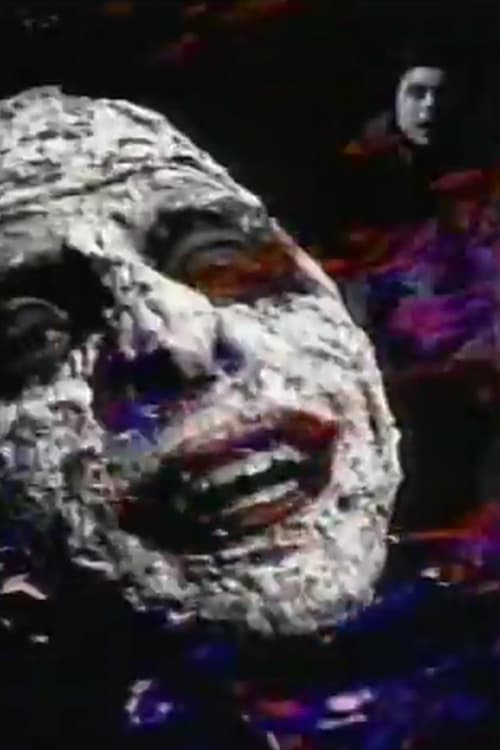
A 16mm stop motion film set to the Purdins song of the same name. A face caked with clown make-up and toilet paper. Neon ripples. Yes and no.
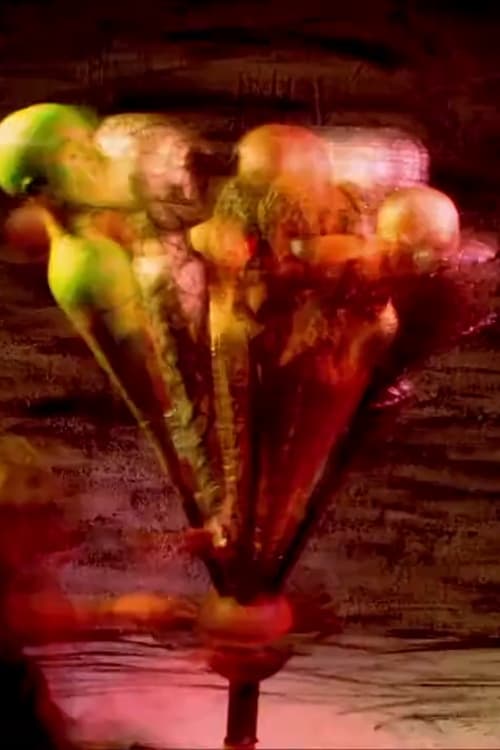
A 35mm film composed almost entirely within an old Mitchell camera over the course of 14 months. Since it's so easy to lose where you're at and what your doing when shooting improvisational stop-motion, it was shot to sound map made from Holst's "Mars, Bringer of War," in order to give the visuals long-form structure. It was designed to run silently as a loop on large-scale exterior video panels of Seahawks Stadium in Seattle. The credits occur in the middle because of the loop design, with the first frames interlaced with the last, so it could silently cycle on and on through the night.
A film with/for the Purdins. Tony Driscoll is the "sitting man." This film was all made inside the Bolex Rex 16, no edits.
A frenetic and poetic flight on the wings of classic Greek mythology.
Public broadcast art PSA around the theme of rapid transit.
In glorious stop motion pixilation an artist (David Russo) applies for a grant to make the film that we are watching. It unfolds as he describes it. The grant committee is not impressed.
A 16mm film of an illuminated steel glass sculpture going down the road at sunset near the Grand Coulee dam in Washington State, made out of a 1977 Ford LTD station wagon. Sounds of Swiss yodeler Analise Caprise recorded in the stairwell of a 5-story building.
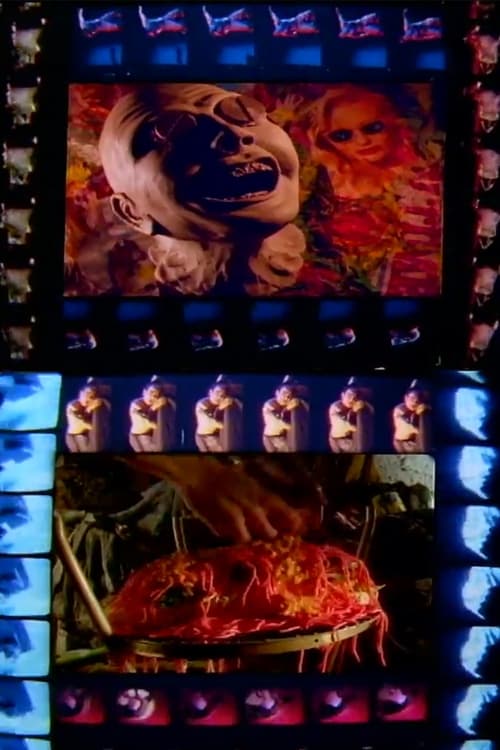
Film/video hybrid made to the Purdins song. The film strips that create the moving periphery had to be individually edited, then manually transported across a light table frame by frame and rephotographed onto one piece of film. The two film elements—the center film and the periphery film—were composited together live, during film transfer to video. No video editing was involved.