FEEL IT.STREAM
Boris Barnet

Boris Barnet

Directing

Biography

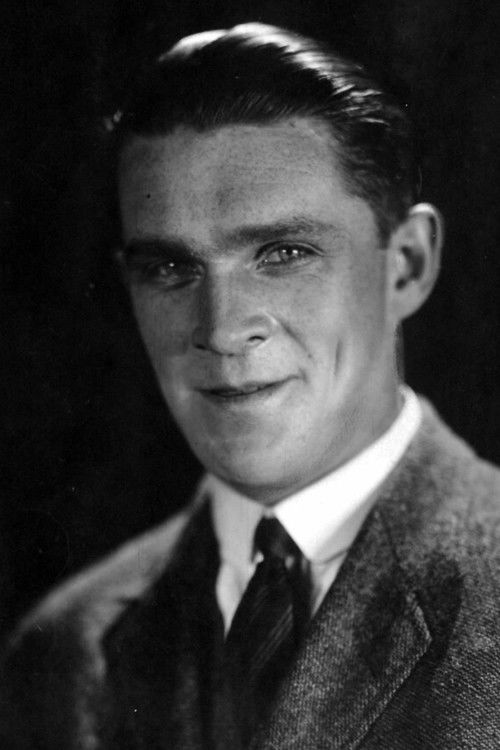
From Wikipedia, the free encyclopedia Boris Vasilyevich Barnet was a Soviet film director, actor and screenwriter of British origin. He directed 27 films between 1927 and 1963. Boris Barnet was born in Moscow. His grandfather Thomas Barnet was a printer who moved to the Russian Empire from Great Britain back in the 19th century. A student of the Moscow Art School, he joined the Red Army at age 16 and was then professionally involved in boxing. In 1927 he shot his first feature, a comedy film, The Girl with a Hatbox, starring Anna Sten. His 1928 melodramatic film The House on Trubnaya, starring Vera Maretskaya, was rediscovered in the mid-1990s and now ranks as one of the classic Russian silent films. Encouraged in his early efforts by Yakov Protazanov, Barnet emerged in the 1930s as one of the country's leading film-makers. Amongst Barnet's masterpieces, we find Outskirts (1933), a pacifist story acclaimed at the first Venice Film Festival. Barnet's postwar work is exemplified by Secret Agent, the first Soviet spy film. The Stalin Prize-winning film was also years ahead of its time in exhibiting Hitchcockian influence and tricks and helped cement Barnet's reputation abroad. It was Barnet's gift of artistic invention that made him stand out from the crowd of Soviet colleagues. In a Barnet film, a photograph in the newspaper would unexpectedly come alive, and scenes would often end with a detail introducing the next scene. He would begin a scene with a close up, "so that the space is progressively discovered by changing the axis or by camera movement". Among Russian filmmakers professing their admiration for Barnet was Andrei Tarkovsky. After some years of artistic silence Boris Barnet committed suicide in Riga, Latvian SSR. His body was found hanging from a fishing line. He was survived by wife Alla Kazanskaya and daughter Olga Barnet.
Known For

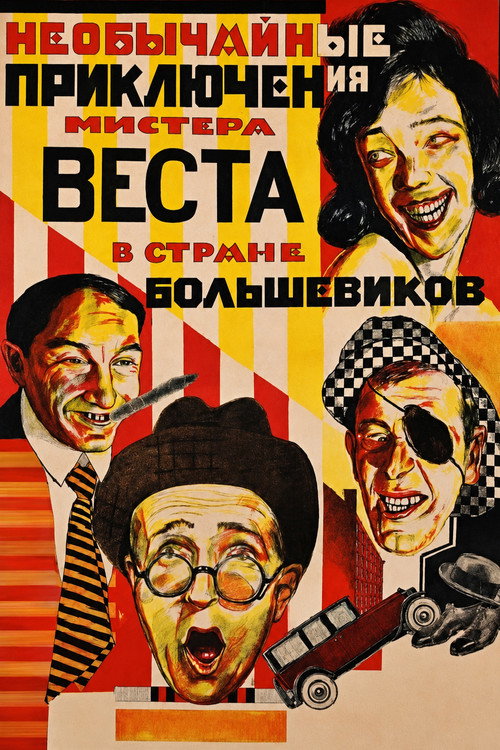
The Extraordinary Adventures of Mr. West in the Land of the Bolsheviks
5.9

An ignorant and prejudiced American’s visit of Soviet Russia goes off the rails after his luggage is stolen and he is separated from his bodyguard.

The Extraordinary Adventures of Mr. West in the Land of the Bolsheviks

1924
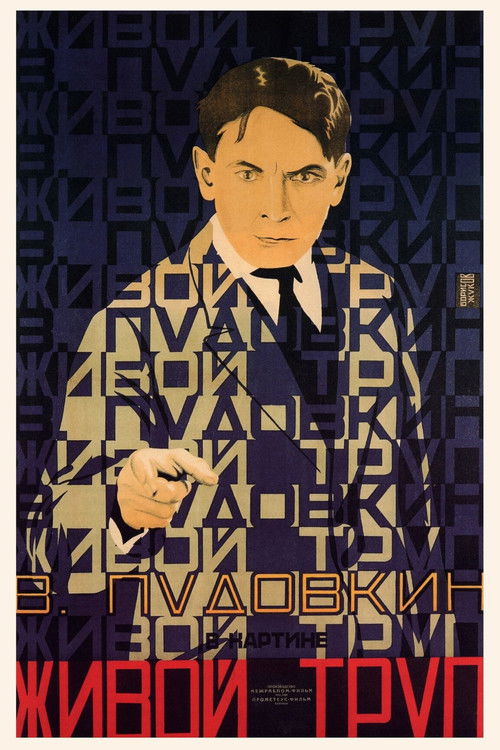
The Living Corpse
5.3

The central character of the play, Fedor Protasov, is tormented by the belief that his wife Liza has never really chosen between him and the more conventional Victor Karenin, a rival for her hand. He wants to kill himself, but doesn't have the nerve. Running away from his life, he first falls in with Gypsies, and into a sexual relationship with a Gypsy singer, Masha.

The Living Corpse

1929
By the Bluest of Seas
6.3

Two men shipwrecked on an island in the Caspian Sea are saved by members of a collective farm, where they work on its fishing boats and woo the young woman leading the fishermen.

By the Bluest of Seas

1936
Poet
6.0

Soviet propaganda film about communists plotting a violent attack on a Russian city. A local poet helps the communists and they glorify his poem about Lenin.

Poet

1956
Whistle Stop
5.6

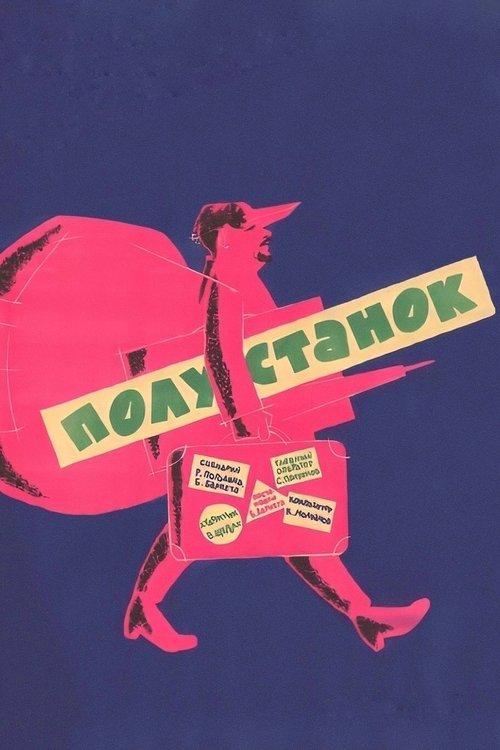
Moscow academician Pavel Pavlovich comes to a picturesque village on the seashore to calmly spend his vacation here. Whiling away the time for sketches, he manages to get acquainted with the local guys, the restless Grishka and the daughter of the foreman Nyuska. Together they build a stove, repair a sewing machine, and reconstruct a telephone switchboard. When Pavel Pavlovich suddenly falls ill, all the villagers take care of him. When the time comes to leave, Pavel Pavlovich understands that in this village far from the capital, he leaves a piece of his heart.

Whistle Stop

1963
Secret Agent
5.6

Soviet agent Fedotov is air-dropped into Nazi occupied land. He changes over into Mr. Ekhert, a German entrepreneur wishing to take advantage of eastern worker slave labor in occupied Ukraine. Ekhert (Fedotov) enters into a partnership with a German entrepreneur who's son, Willie, is a high ranking Nazi. Together they go to Vinnitsa, Ukraine and start a factory. Fedotov begins seeking contacts with headquarters, but faces problems when a Ukrainian Nazi collaborator manages to infiltrate the Soviet partisans.

Secret Agent

1947
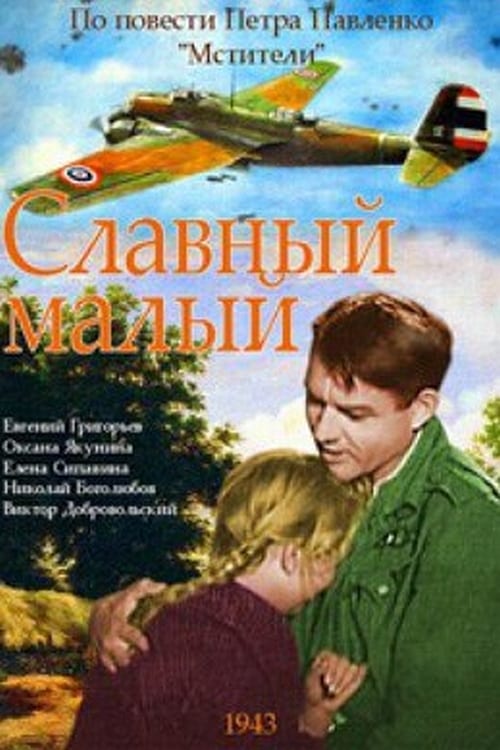
A Good Lad
4.4

A group of Russian partisans hiding within a remote forest attempt to destroy a nearby German airfield, all the while assisting a downed French pilot who happens to fall madly in love with a local girl.

A Good Lad

1942
Chess Fever
6.4

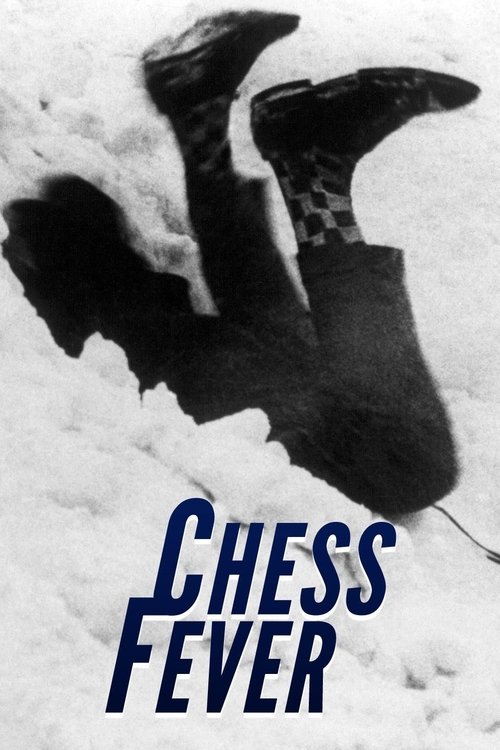
With an international chess tournament in progress, a young man becomes completely obsessed with the game. His fiancée has no interest in it, and becomes frustrated and depressed by his neglect of her, but wherever she goes she finds that she cannot escape chess. On the brink of giving up, she meets the world champion, Capablanca himself, with interesting results.

Chess Fever

1925
Alyonka
5.5

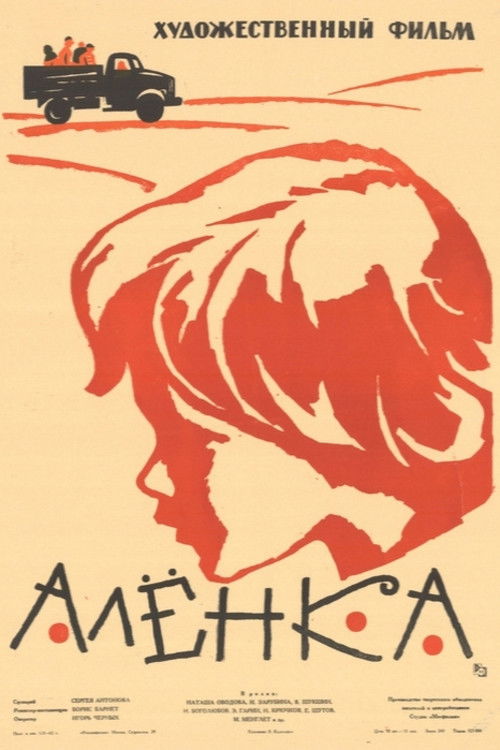
Set in 1955 when many migrated from Russia to the Steppes of Kazakhstan, this is the trip back to the Canal from the frontier and farms by a number of people who tell their settler stories. Alyonka Muratova is a winsome 13 year old who talks Dmitry Prokovich, the chief mechanic for the Soviet, into giving up his seat in the truck to a young mother with her infant daughter. Then Alyonka and Dmitry share the back of the open truck with a young woman, newly graduated dentist who has not been able to find a position, Stefan, a hitchhiker with a dog who hopes his upper-class wife will return to him and the countryside, and Vasselina Petrovolka, a woman who lost one of her twin daughters in a riding accident by the river shortly after they arrived, and now is returning to tell the other twin of her sister's fate. A warm hearted look at common folks traveling in the frontier.

Alyonka

1962
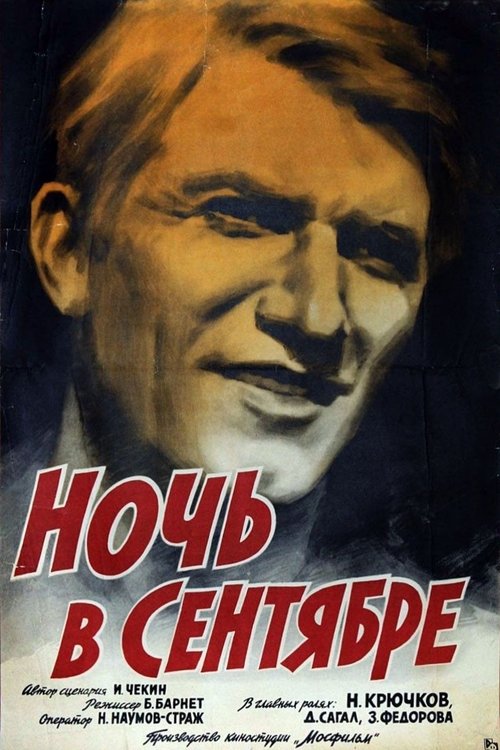
A Night in September
5.8

Film deals with Stakhanovite movement. Old miners try to sabotage young man's plan to renew methods of getting coal.

A Night in September

1939
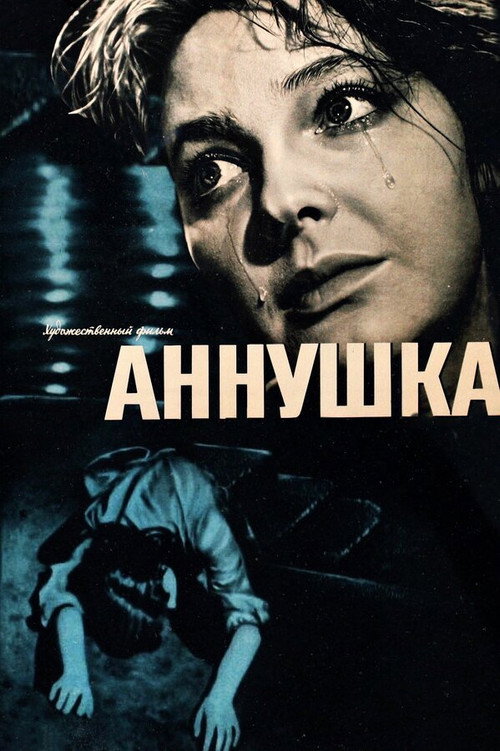
Annushka
6.5

The main character, Anna Denisova, is a simple Russian woman, on whose shoulders all the hardships of wartime fell. Like all her compatriots, Annushka did everything in her power to bring Victory Day closer. In this war, she lost her husband, Pyotr, but managed to save the lives of her three children — Sasha, Nina and Granata. The trials of Annushka didn't end with the end of the war. In the first years of peace, all survivors had to survive the famine and spend their last strength on rebuilding the country.

Annushka

1959
The Wrestler and the Clown
5.8

It's a story about two of the most famous russian personages. They become friends, and then go along on the path of glory in parallel.

The Wrestler and the Clown

1957
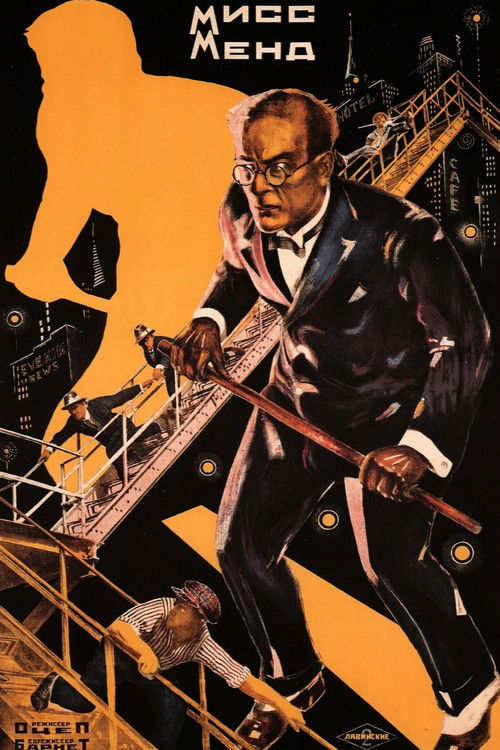
Miss Mend
5.9

Three reporters and an office girl are trying to stop a bacteriological strike by some powerful western business leaders against the USSR.

Miss Mend

1926
The House on Trubnaya
6.3

Life is short and full of oppression, but that doesn't mean Parasha can't find love and laughter when she leaves her country home to take a job as a maid in the overcrowded, overworked, and underpaid world in the big city.

The House on Trubnaya

1928
Outskirts
6.3

In a remote Russian village during World War I, colourful and nuanced characters experience divided loyalties: family loyalty vs. personal desire, nationalism vs. transcendent humanism.

Outskirts

1933
No image
N/A

One Kuleshov film that might be of great interest to scholars is The Breakthrough (Proryv, 1930). It was made in 48 hours. Naturally, such an unusual work did not stay in cinemas for a long time.

The Backlog!

1930
Dark Is the Night
5.2

A girl, working in a German commandant's office, saves two wounded Russian pilots sacrificing her own life.

Dark Is the Night

1945
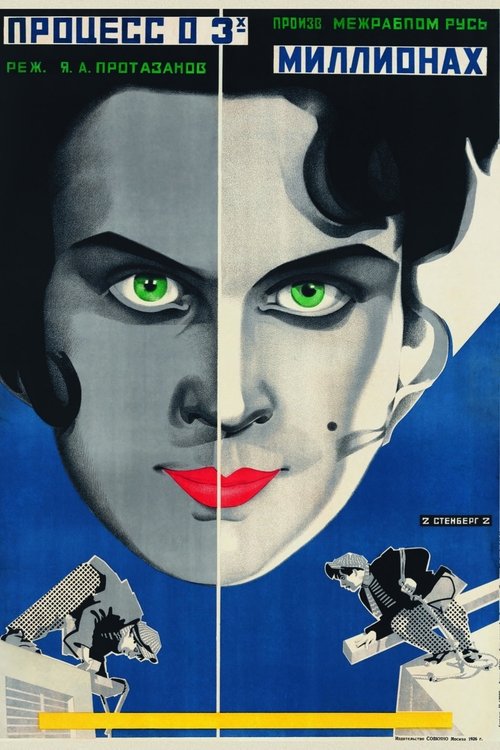
The Three Million Trial
6.1

History of theft and double crossing when two thieves fall out over the theft of the money of the proceeds of the sale of a house by a banker to a religious community.

The Three Million Trial

1926
The Girl with the Hat Box
6.4

A Moscow hat shop girl chances upon a penniless young man who has arrived from the countryside for university and takes pity on him.

The Girl with the Hat Box

1927
Collection of Films for the Armed Forces #3
7.0

No description available.

Collection of Films for the Armed Forces #3

1941