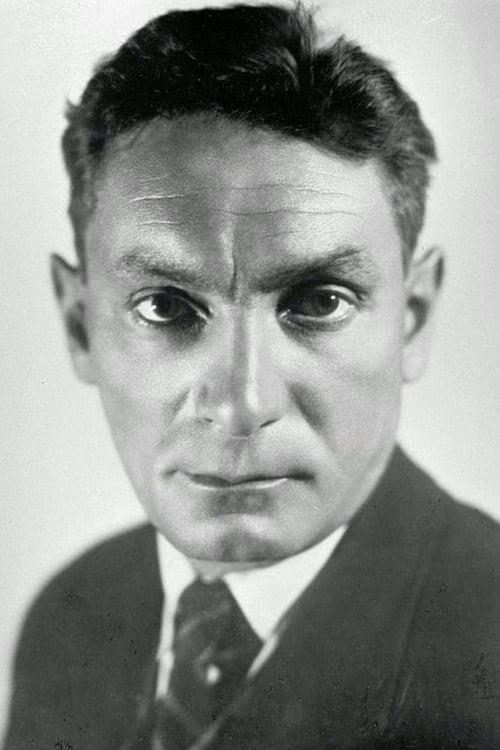
Vsevolod Pudovkin
Directing
Biography
From Wikipedia, the free encyclopedia Vsevolod Illarionovich Pudovkin was a Russian and Soviet film director, screenwriter and actor who developed influential theories of montage. Pudovkin's masterpieces are often contrasted with those of his contemporary Sergei Eisenstein, but whereas Eisenstein utilized montage to glorify the power of the masses, Pudovkin preferred to concentrate on the courage and resilience of individuals. He was granted the title of People's Artist of the USSR in 1948.
Known For

Set during the early part of his reign, Ivan faces betrayal from the aristocracy and even his closest friends as he seeks to unite the Russian people. Sergei Eisenstein's final film, this is the first part of a three-part biopic of Tsar Ivan IV of Russia, which was never completed due to the producer's dissatisfaction with Eisenstein's attempts to use forbidden experimental filming techniques and excessive cost overruns. The second part was completed but not released for a decade after Eisenstein's death and a change of heart in the USSR government toward his work; the third part was only in its earliest stage of filming when shooting was stopped altogether.
Ivan the Terrible, Part I

This is the second part of a projected three-part epic biopic of Russian Czar Ivan Grozny, undertaken by Soviet film-maker Sergei Eisenstein at the behest of Josef Stalin. Production of the epic was stopped before the third part could be filmed, due to producer dissatisfaction with Eisenstein's introducing forbidden experimental filming techniques into the material, more evident in this part than the first part. As it was, this second part was banned from showings until after the deaths of both Eisenstein and Stalin, and a change of attitude by the subsequent heads of the Soviet government. In this part, as Ivan the Terrible attempts to consolidate his power by establishing a personal army, his political rivals, the Russian boyars, plot to assassinate him.
Ivan the Terrible, Part II: The Boyars' Plot
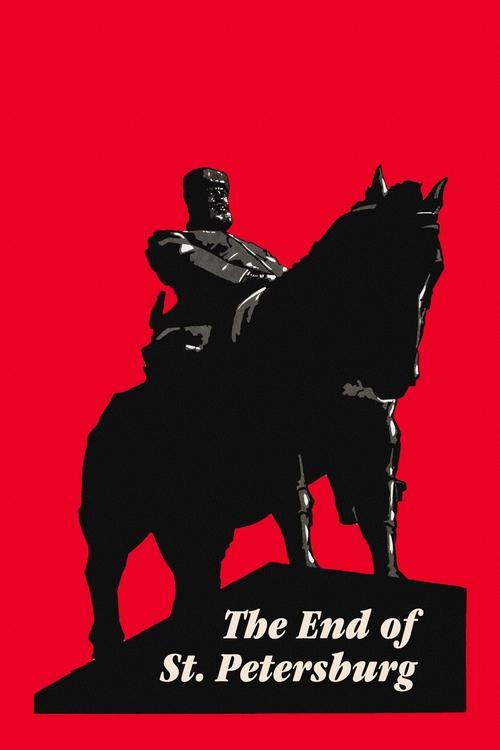
Shortly before the outbreak of WWI, a peasant from rural Russia arrives in St. Petersburg to find work.
The End of St. Petersburg

An ignorant and prejudiced American’s visit of Soviet Russia goes off the rails after his luggage is stolen and he is separated from his bodyguard.
The Extraordinary Adventures of Mr. West in the Land of the Bolsheviks
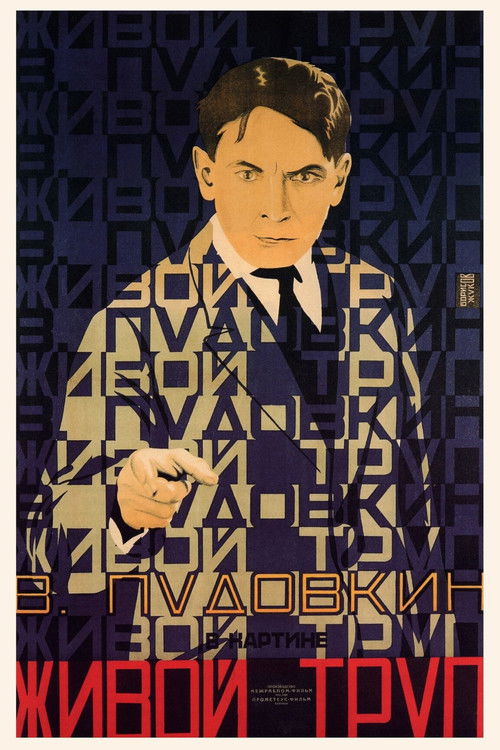
The central character of the play, Fedor Protasov, is tormented by the belief that his wife Liza has never really chosen between him and the more conventional Victor Karenin, a rival for her hand. He wants to kill himself, but doesn't have the nerve. Running away from his life, he first falls in with Gypsies, and into a sexual relationship with a Gypsy singer, Masha.
The Living Corpse
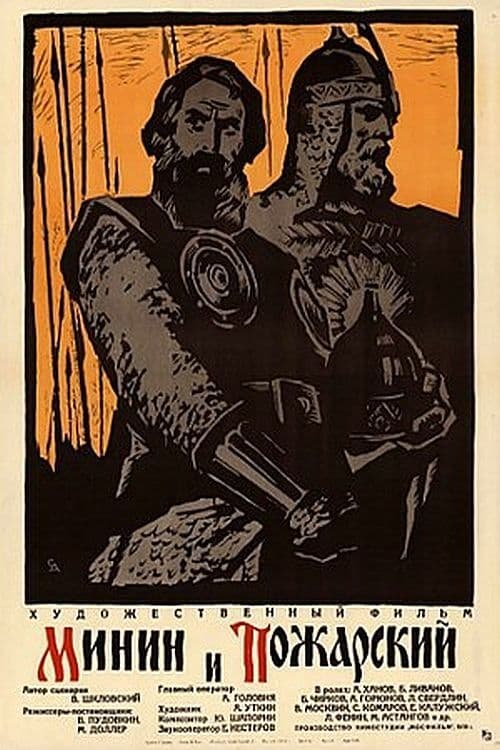
Historical film about the invasion of the Poles in the Moscow Empire (1611), the creation of Minin and Pozharsky people's militia. The beginning of the XVII century. Already the sixth year the Muscovite land under the yoke of intervention. In the fall of 1610 Polish pans in deceitfully seized the Kremlin and tried to break through to the north. Everywhere rebellions broke out, but well-armed interventionists smashed the scattered peasant detachments. The liberation movement was led by Nizhny Novgorod merchant Kuzma and Prince Dmitry Pozharsky.
Minin and Pozharsky
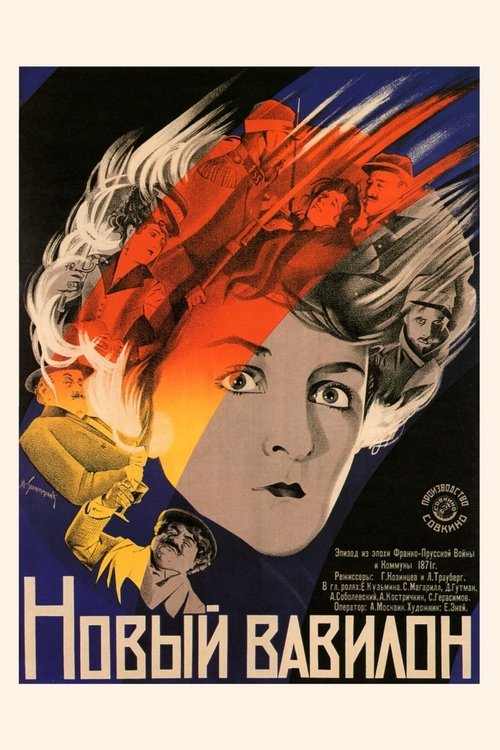
In the short-lived Commune of Paris, a conscripted soldier falls in love with a Communard saleswoman. As the army cracks down on the revolutionaries, the soldier is forced to fight against the Commune, and the pair's love is put to the test.
The New Babylon
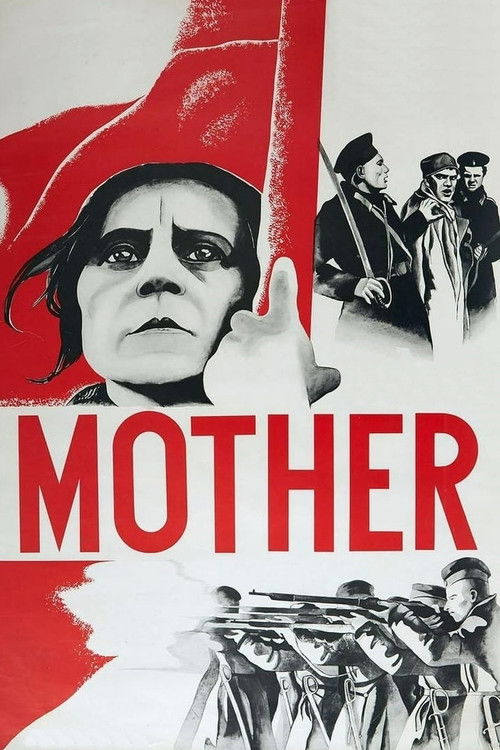
A Soviet woman is caught between her husband and son, who find themselves on opposing sides of the Russian Revolution.
Mother
The film consists of short stories about participants of the Great Patriotic War, who returned from the front and entered a peaceful life. The heroes of the tape are fellow soldiers: Major Kornev, formerly a domain engineer; petty officer Samoseev, in the future chairman of the collective farm; senior lieutenant Rudnikov expects an Arctic expedition, and lieutenant Bela Mukhtarova will go with a party of geologists to the East.
Three Encounters
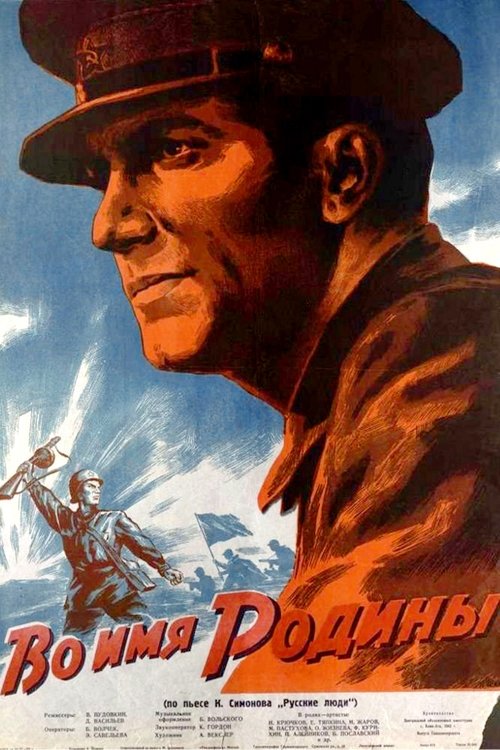
The film deals with a Russian battalion under siege by the Germans during the Second World War.
In the Name of the Motherland
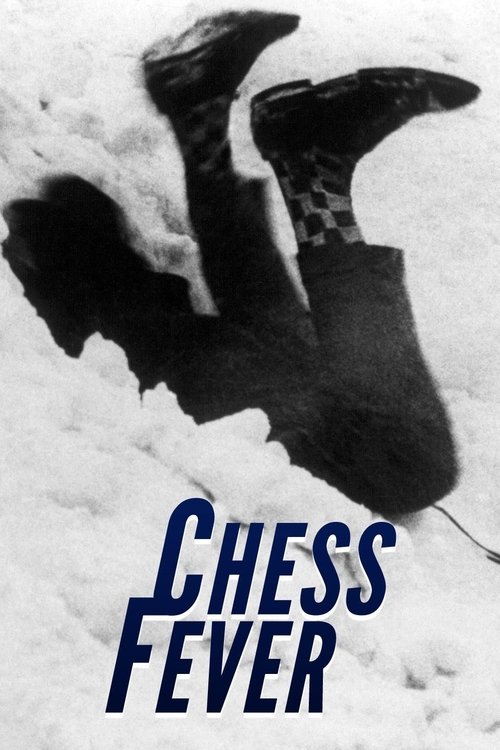
With an international chess tournament in progress, a young man becomes completely obsessed with the game. His fiancée has no interest in it, and becomes frustrated and depressed by his neglect of her, but wherever she goes she finds that she cannot escape chess. On the brink of giving up, she meets the world champion, Capablanca himself, with interesting results.
Chess Fever

In 1918 a young and simple Mongol herdsman and trapper is cheated out of a valuable fox fur by a European capitalist fur trader. Ostracized from the trading post, he escapes to the hills after brawling with the trader who cheated him. In 1920 he becomes a Soviet partisan, and helps the partisans fight for the Soviets against the occupying British army. However he is captured by the British when they try to requisition cattle from the herdsmen at the same time as the commandant meets with a reincarnated Grand Lama. After the trapper is shot, the army discovers an amulet that suggests he is a direct descendant of Genghis Khan. They find him still alive, so the army restores his health and plans to use him as the head of a puppet regime. The trapper is thus thrust into prominence as he is placed in charge of the puppet government. By the end, however, the "puppet" turns against his masters in an outburst of fury.
Storm Over Asia
The film collection consists of three novellas: "Women of the Air Fleet", "Hate", "Feast in Zhirmunka".
Collection of Films for the Armed Forces #6
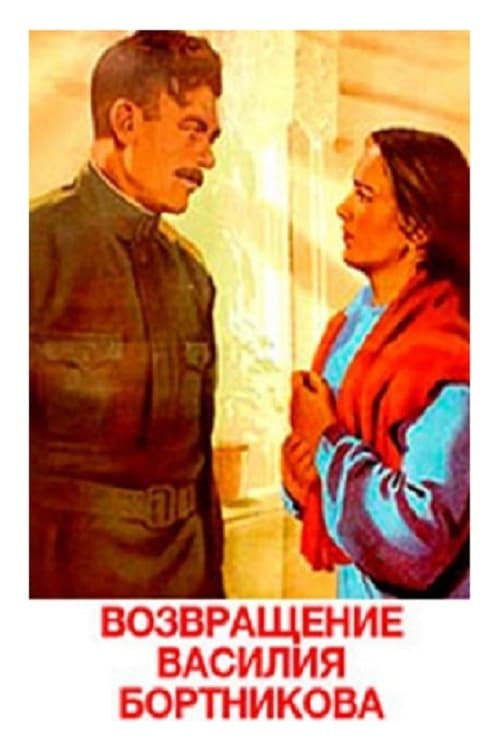
A veteran of World War II returns to civil life and the collective farm he once led, only to find his wife has re-married. Based on the novel "The Harvest," by Galina Nikolayeva.
The Return of Vasili Bortnikov
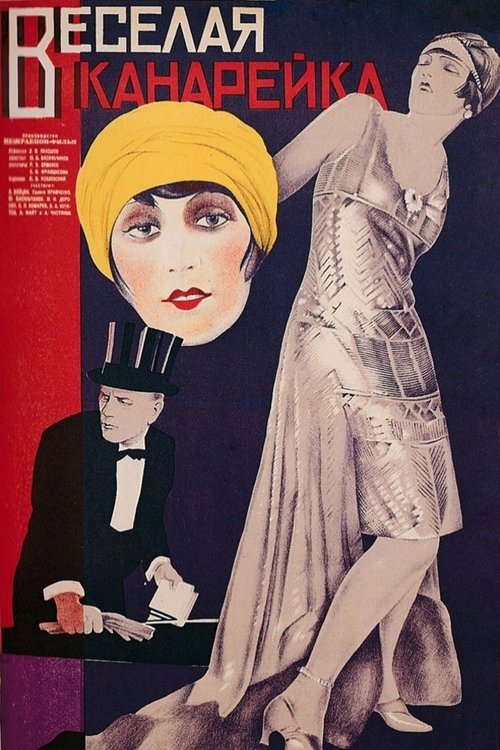
Actress Brio working in a cafe "The Happy Canary", does not suspect that her new acquaintances Brianski and Lugovec are Communists sent by an underground committee to fight the enemy's counter-intelligence.
The Happy Canary
A wise and forgiving communist leader decides to send a young worker, Karl Renn, as an international delegate to the Soviet Union after the worker had deserted a picket-line and had expressed doubts about the methods of class struggle in in his own country.
Deserter
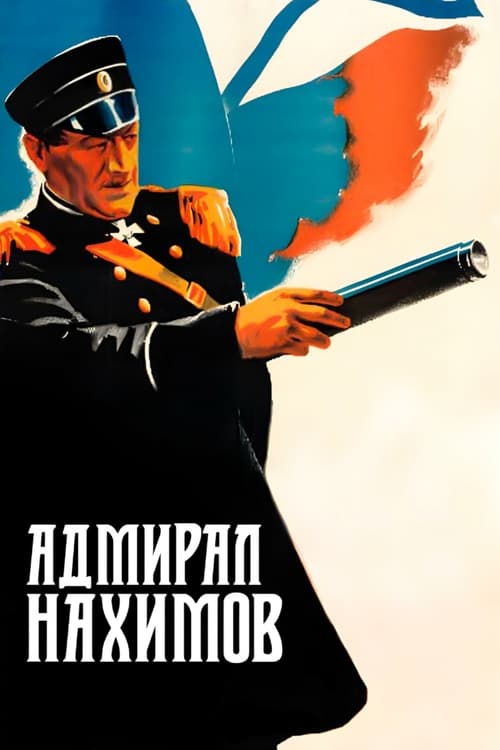
A biography of a famous Russian Admiral Pavel Stepanovich Nakhimov.
Admiral Nakhimov
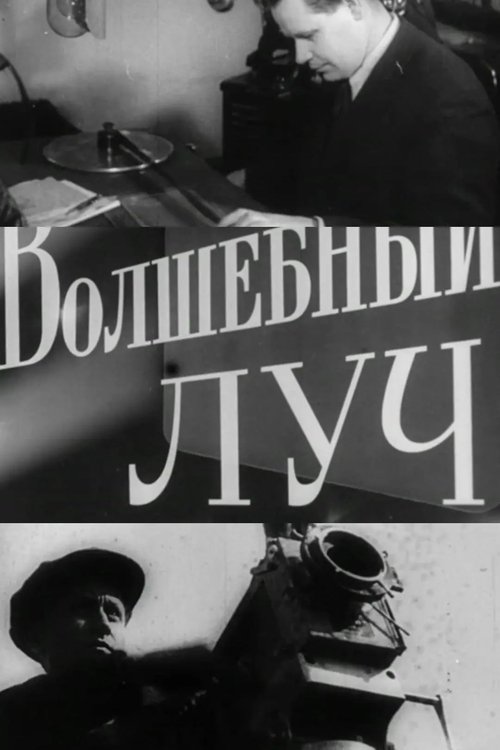
“The Magic Beam” is a film essay woven together from newsreels and documentary material from different decades, fragments of hundreds of non-fiction and fiction Soviet films of the 1910s-1960s.
The Magic Beam
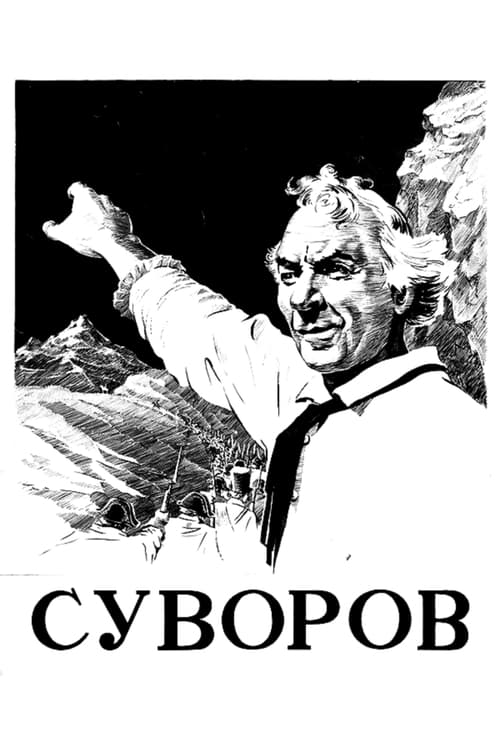
Primarily a biographical documentary about the military career of Alexander Vasilvich Suvorov, who was Field Marshal of the armies of Catherine the Great and Czar Paul I. After many military successes during the reign of Catherine, General Suvorov broke with her successor, Paul I, the Mad Emperor, over questions regarding army policy. He went into retirement and wrote "The Science of Victory," containing maxims such as "Swiftness of movement accompanies victory," and "the real general is he who defeats the enemy before reaching him." The czar recalled Suvorov to become the leader of the joint armies of Russia and Austria against Napoleon.
General Suvorov
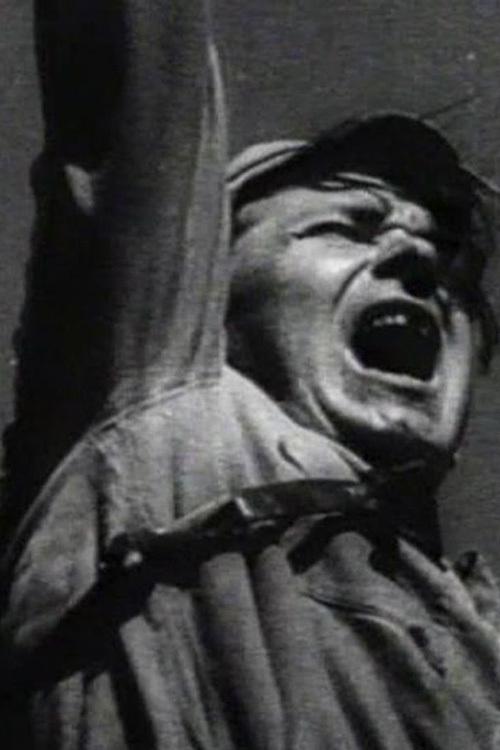
As a response to criticism for the allegedly excessive “mass appeal” of his earlier epic STORM OVER ASIA (1928), Vsevolod Pudovkin unleashed his flair for experimentation in what was supposed to be the director’s first sound feature. Everything went wrong: technical problems forced him to complete the film as a silent; viewers were baffled by the lack of a recognizable plot; then, the ideological climate of the Soviet Union changed. He was now being blamed for catering to bourgeois taste! Time has come to set the record straight. Here’s lyrical cinema at its best, deliberately operatic and yet intimate as it matches the characters’ inner life with the solemn rhythms of nature, and depicted through breathtaking black-and-white photography. A sensation at last year’s Pordenone fest, Pudovkin’s long-forgotten swan song to the art of montage is resurrected by Gabriel Thibaudeau’s emotionally charged live music performance. –PCU (USSR, 1930, 75m)