Laís Bodanzky
Directing
Biography
Laís Bodanzky (São Paulo, September 23, 1969) debuted in the direction with the short film Red Card, about a girl who lives among brats and discovers sexuality. This award-winning short film was selected for the New York Film Festival in 1995. She is the daughter of filmmaker Jorge Bodanzky.
Known For

“Rio 2096 – A Story of Love and Fury” is an animated film that portrays the love between an immortal hero and Janaína, the woman he has been in love with for 600 years. As a backdrop to the romance, the feature highlights four phases of Brazilian history: colonization, slavery, the Military Regime and the future, in 2096, when there will be a war for water.
Rio 2096: A Story of Love and Fury

Neto is a middle class teenager living a normal life. After his father finds a marijuana cigarette on his pocket, he is sent to a mental institution, where he gets to know a completely absurd and inhumane reality in which people are devoured by a corrupt and cruel system.
Brainstorm

Claé and Bruô, secret agents from enemy Kingdoms of the Sun and the Moon, must overcome their differences and combine forces to find the Perlimps and infiltrate into a world controlled by Giants where war is imminent.
Perlimps

The story of Brazil’s first emperor, returning to Europe on board the English ship Warspite. The trip makes Pedro conquer his fears and face his life from a personal point of view. He goes back in time and relives outstanding moments of his earlier life – since his childhood, when in 1808 he arrived coming from Portugal with his family, until he left in the dead of the night, in 1831, running away from Brazil.
Pedro, Between the Devil and the Deep Blue Sea

In powerful images, alternating between documentary observation and staged sequences, and dense soundscapes, Luiz Bolognesi documents the Indigenous community of the Yanomami and depicts their threatened natural environment in the Amazon rainforest.
The Last Forest

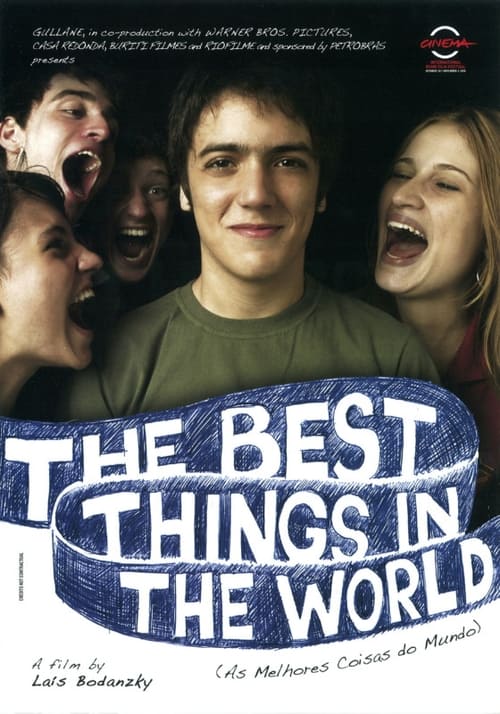
Everyday family life as perfectly normal madness. “As Melhores Coisas do Mundo“ follows a few days in the life of the 15-year-old Mano, who is fighting on two fronts: his parents have just got divorced and he is going through puberty. Mano tries to make his way through life, with its first sexual experiences, his depressed brother and his self-centered parents. It’s a humorous homage to the pitfalls of daily life and the diversity of life.
The Best Things in the World

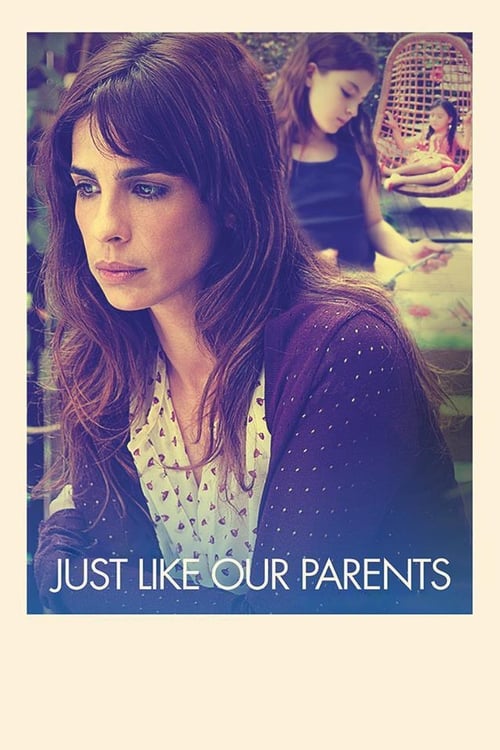
Rosa is in her late 30s, a child of the 1970s with divorced parents. She lives with her own family in São Paulo. Overwhelmed by an eruption of individual passions, lies and the expectations of three generations, she tries to discover who she really is.
Just Like Our Parents

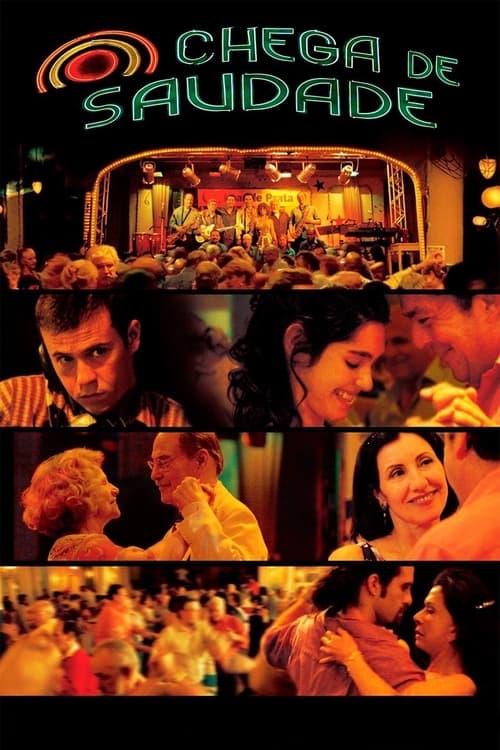
An evening in an old time dance hall in Sao Paulo introduces us to local characters who reminisce about the past, wonder about the future, have fun, flirt, fight and, of course, dance. Its earthy humour and eternal themes of ageing, loneliness and desire is an antidote to grumpy old men and women everywhere.
The Ballroom

An anthology film following different stories around the theme of invisibility in the modern world.
Invisible World
No description available.
Educação.doc

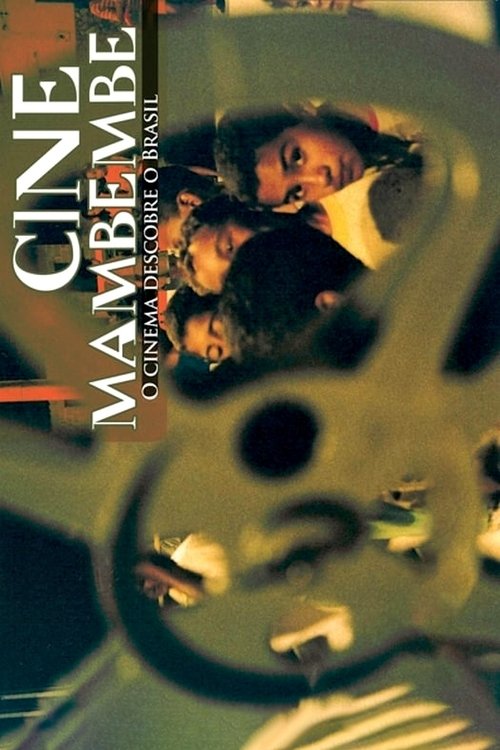
Laís Bodanzky and Luiz Bolognesi travel around the small cities of Brazil, exhibiting short films in public squares. From the south of Bahia to the farthest parts of Amazon, this documentary discovers a country that watches a movie and sees itself on the screen for the very first time, in the turning of the 21st century. What’s seen and heard is truly surprising.
Cine Mambembe: Cinema Discovers Brazil

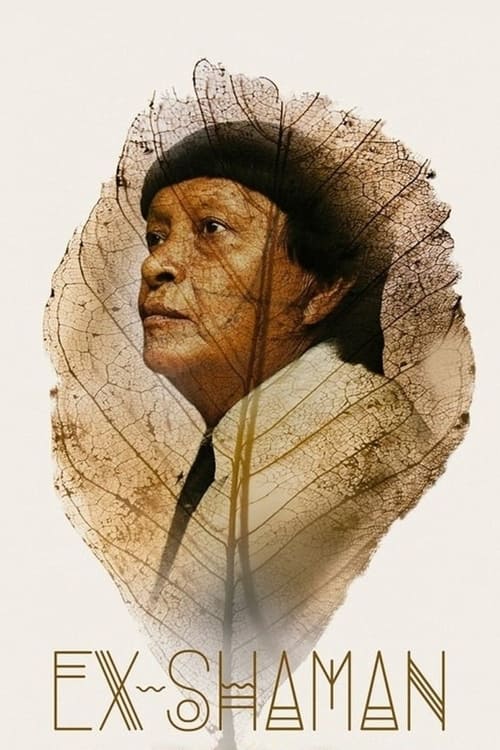
Ever since their first contact with the Western world in 1969 the Paiter Suruí, an indigenous people living in the Amazon basin, have been exposed to sweeping social changes. Smartphones, gas, electricity, medicines, weapons and social media have now replaced their traditional way of life. Illness is a risk for a community increasingly unable to isolate itself from the modernization brought by white people or the power of the church. Ethnocide threatens to destroy their soul. With dogged persistence, Perpera, a former shaman, is searching for a way to restore the old vitality to his village.
Ex-Shaman
Fernanda likes to play football with the boys. But for this tomboyish, the apogee of his intimacy with the ball is to make it fly straight, direct, to the bag boys. Then she smiles. One day she comes running to the hit-ball, delayed but can not find anyone. The boys are in hiding. Fernanda knows where it is, but can not imagine what they plot!
Red Card

Idealized by the filmmakers Lais Bodansky and Luiz Bolognesi, the documentary portrays the projects executed by the Buriti Institute and Buriti Films in 10 years of work. Since 2004, projects collect impressive numbers: 116,509 kilometers were driven on roads, which led to 759 outlying neighborhoods, where they were made 7439 film sessions to 1,355,403 brazilians. Eighteen states and the Federal District were visited by Cine Tela Brasil, who put brazilian various ages for the first time in a movie theater.
Tela Brasil: 10 Anos de Cinema nas Quebradas

The documentary Olympic Women, directed by Laís Bodanzky, shows that the history of women in sport is often entwined with the history of women as a whole. While so many Brazilian women were fighting for the right to vote, to divorce, and the right to free speech, some were fighting for the right to be present at one of the biggest events on the planet: the Olympics. And something that should have been simple and natural, was not. Some Olympic appearances were dramatic. Others, isolated and lonely. Just as in society, women in sport had to earn their rights by force.
Olympic Women

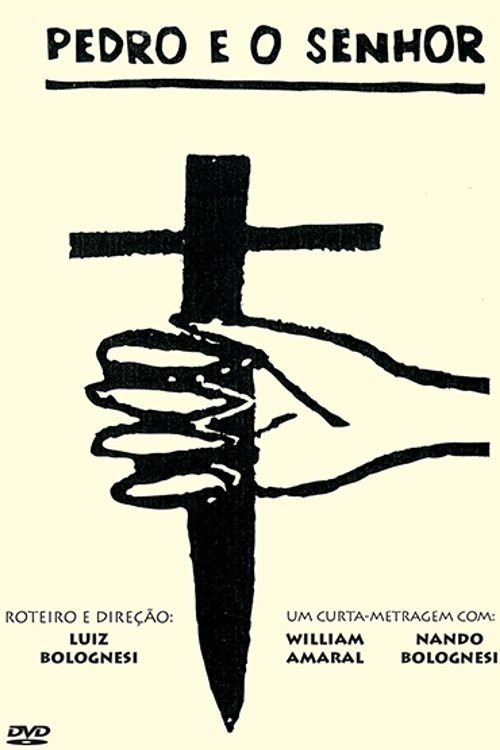
Written and directed by Luiz Bolognesi, this short film tells the adventures of two homeless men on the streets of São Paulo. The film was inspired by old popular legends about the wandering of Jesus and Saint Peter around the world.
Peter and the Lord

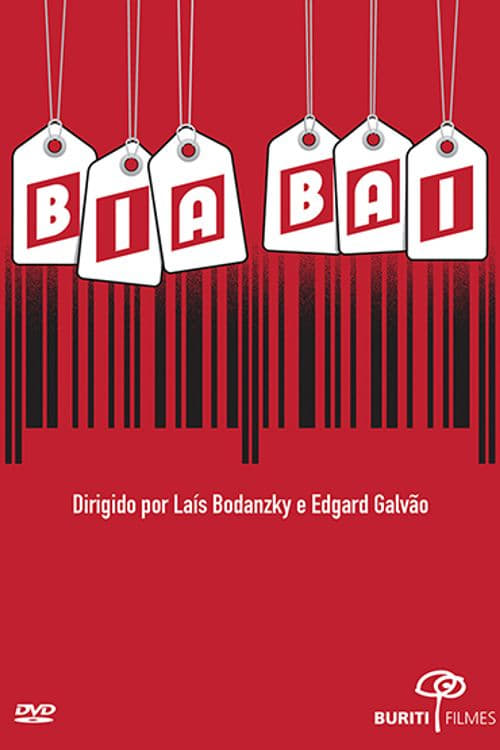
What is Bia’s husband’s credit card limit?
Bia Bai

No description available.
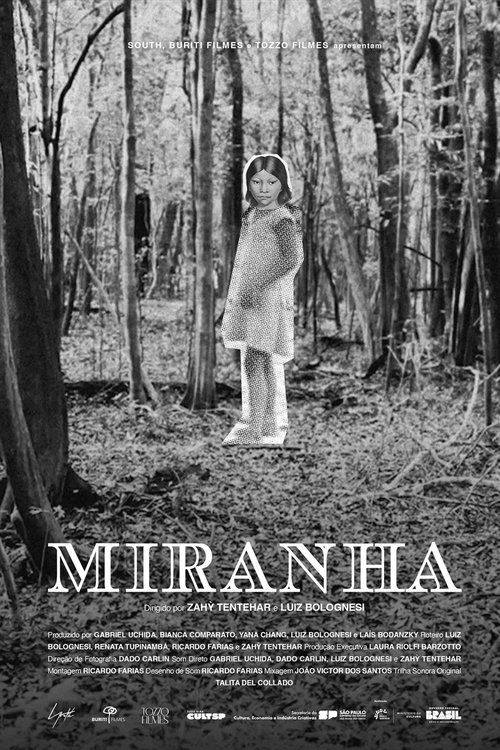
Miranha

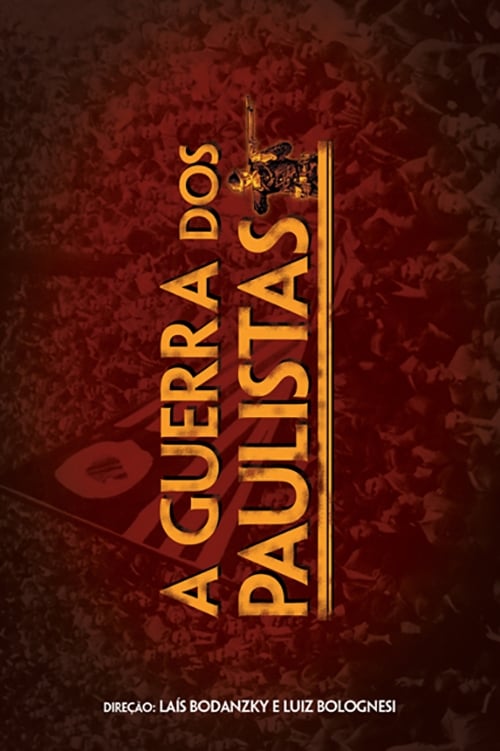
In 1932, more than two hundred thousand men armed with machine guns, grenades and canons took part in on of the most violent wars in America in the 20th century. Brazilian against Brazilian, in a conflict that involved air raid of big cities – such as Campinas, Santos and São Paulo - and resulted in more than two thousand deaths. Why did this war happen? Who took part in it? What were the details of the conflict? How did the war end? The documentary tells this episode of the country's history, not only grand but also unknown, with an accessible language and an involving rhythm.
São Paulo's War

In a very subtle and poetical way, the director Laís Bodanzky conducts the spectator’s view through rhythmic streets and boulevards, where the steps seem to diverge from reality itself. But these paths, one day, won’t be the same any longer...