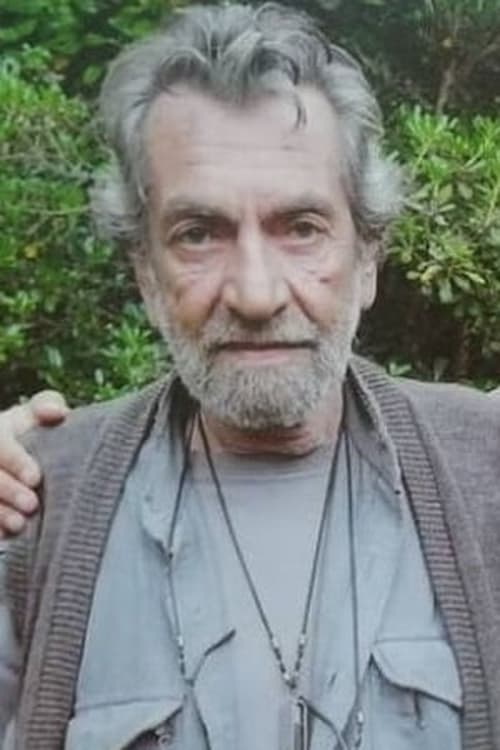
Gustavo Frías
Writing
Known For
Gustavo Frías invites us on a journey into the human soul, to learn about situations that rarely are seen in to the public eye but are always present within the privacy of ordinary people.
Laberinto
Dramatic recreations from impressive testimonie that no one can explain yet. Exploring themes and paranormal events such as forces from beyond, ghosts, poltergeist, pyrokinesis, telekinesis, telepathy, among others.
¿Y... si fuera cierto?
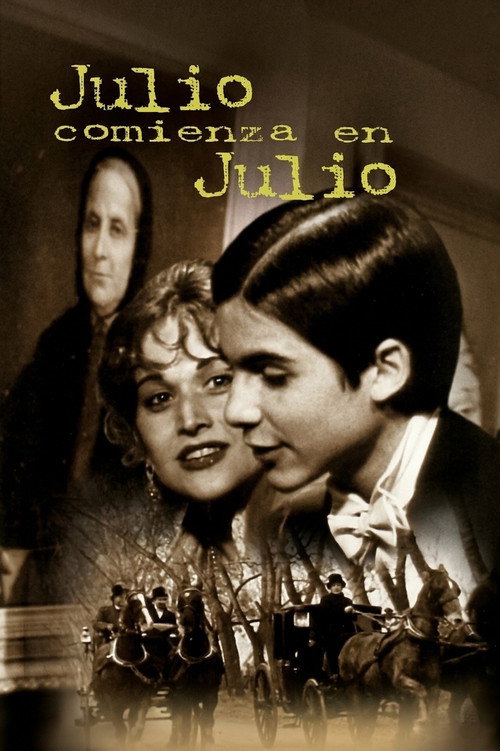
This is the story of a teenager at the turn of the century in the conservative higher classes of Chile and the initiation rites in his society.
Julio Begins in July
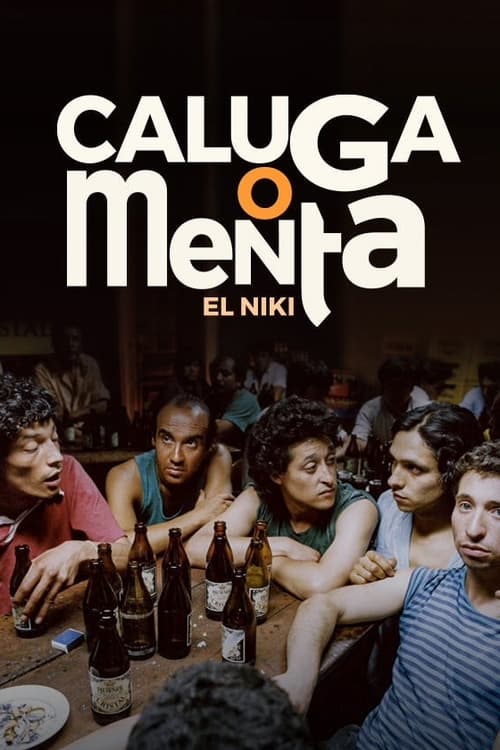
Niki and his friends are members of the marginalised underclass living on the outskirts of Santiago. During Chile's transition from dictatorship to democracy (1988-1990), they forge a path from drug- and drink-fuelled nihilism and petty crime into the world of market-driven illegality and Niki begins a seemingly predestined relationship with the middle-class "loca", Manuela. Memorable episodes and characters, quotable dialogue and a mix of earthy national portrait and surrealistic flourish make this one of the key Chilean films of the Nineties.
Caluga o Menta
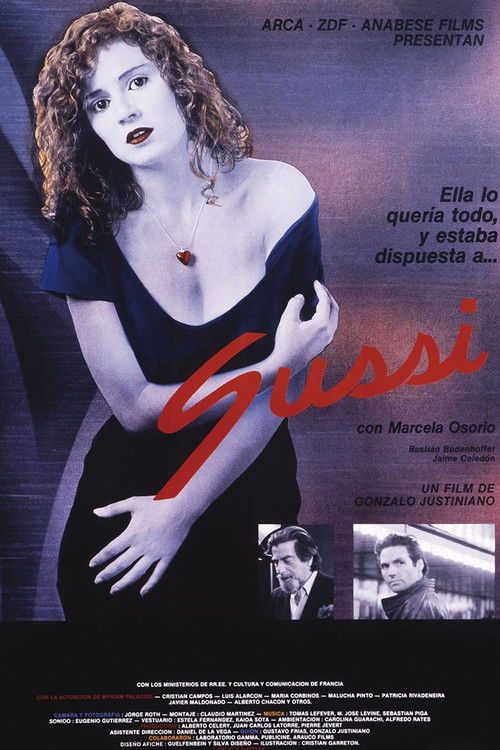
Sussi comes to the big city to find love and success.
Sussi
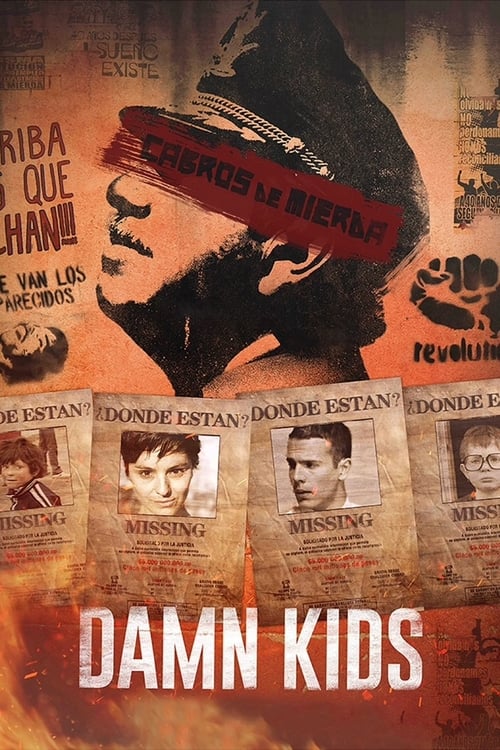
Chile, 1983. Gladys is a brave young woman who lives in La Victoria, a marginal neighborhood of Santiago with her mother and daughter during the Pinochet dictatorship. One day they receive a young missionary, Samuel Thompson, who, with his camera, records how the population lives in such an adverse scenario.
Damn Kids
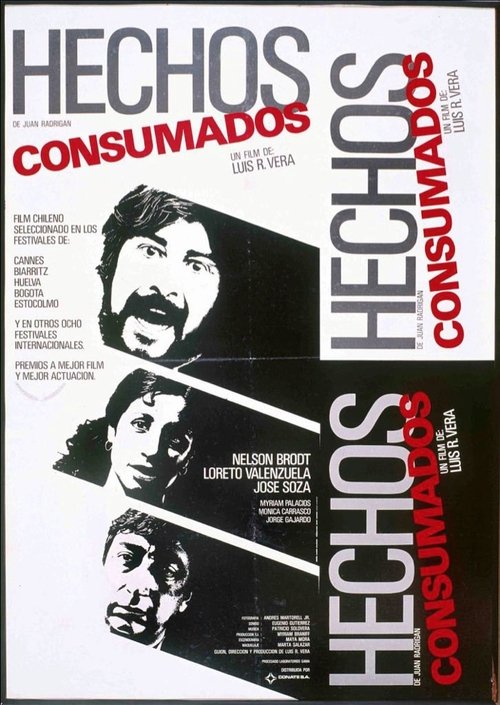
The extreme poverty produced by unbridled neoliberalism in Pinochet’s Chile is an allegory for the disappeared. Based on a play by Juan Radrigán.
Hechos consumados
Dreaming of a better life, a young woman leaves her country home and moves to the city where she only finds trouble.