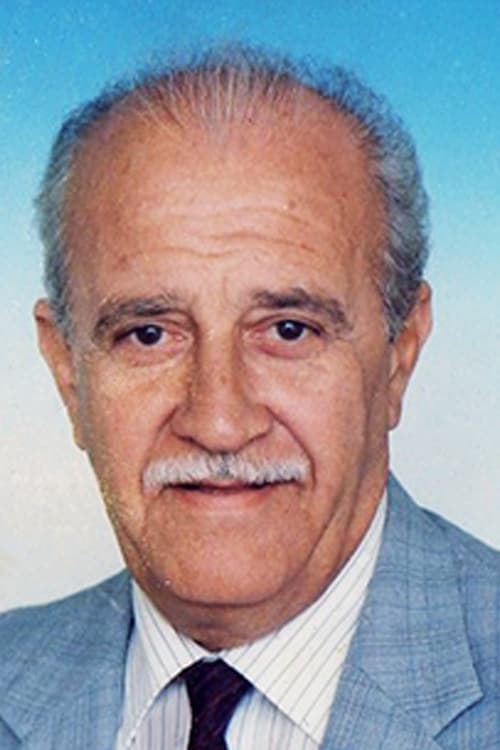
Taha El-Amiri
Acting
Biography
Taha El-Amiri, whose real name is Abderrahmane Bestandji, is an actor and director of the Algerian national theater, born on August 20, 1927, in the popular district of Casbah, in the heights of Algiers. Committed actor and activist within the Algerian People's Party (PPA). He learned dramaturgy, under the guidance of Mahiedine Bechtarzi, the founding father of Algerian theater, alongside his companion Habib Redha, the martyr Majid Redha, the actress Kelthoum and the actor Hassane El Hassani. His pseudonym Taha El-Amiri, was attributed an artistic basis, since beginning artists used to choose their nicknames. Taha El Amiri began his artistic career in 1947 and in the following years, he distinguished himself in several roles such as Othello, Saladin El Ayoubi, El Khalidoune and other plays. He met Doctor Sholy, as he suffered the pangs of French censorship, at a time when the pronunciation of the word "freedom" was synonymous with the banning of any theatrical presentation. Al-Amiri was one of the founders of the FLN artistic troupe, first establishing ties with Mustafa Kateb, then joining Abdelhalim Rais, Ahmed Wahbi and Hassan Chafei in Tunis. The presentation of the play El Khalidoune (The Eternals) in which he participated in Fes (Morocco) had long irritated the French governor who also threatened the Algerian troupe, which moreover continued to inform international public opinion on the Algerian question (the mother question) and to convey the message of the glorious revolution. After independence, Taha El-Amiri joined the Algerian National Theater, where he played in several plays, before retiring to take part in the theater troupe of the radio that he founded at the request of the writer Abdelhamid Benhedouga. This troupe was directed by Habib Redha. Taha El-Amiri will officiate as an actor, director and production manager, while continuing to present three plays per week (two in Darija, one in classical Arabic), until 1913, before returning again to the Algerian National Theater as general director, replacing Mustafa Kateb during the years 1972, 1973, 1974. He will then be transferred to Algerian television to finally retire after a rich artistic career. Taha El-Amiri said "I did not remember my birthday, but I rather remembered the days before and after. I do not know why, but it was only after the events of August 20, 1956 that I managed to remember him, against my will, because he was associated with the sacrifices of my compatriots. Taha El-Amiri was praised by the dean of Algerian theater Mahieddine Bachtarzi in his memoirs, he classified the trio, Mustafa Kateb, Abdelkader Alloula, and Taha El-Amiri in the same lineage. Taha El-Amiri died on September 3, 2024, he is buried in the cemetery of Sidi M'Hamed in Algiers.
Known For
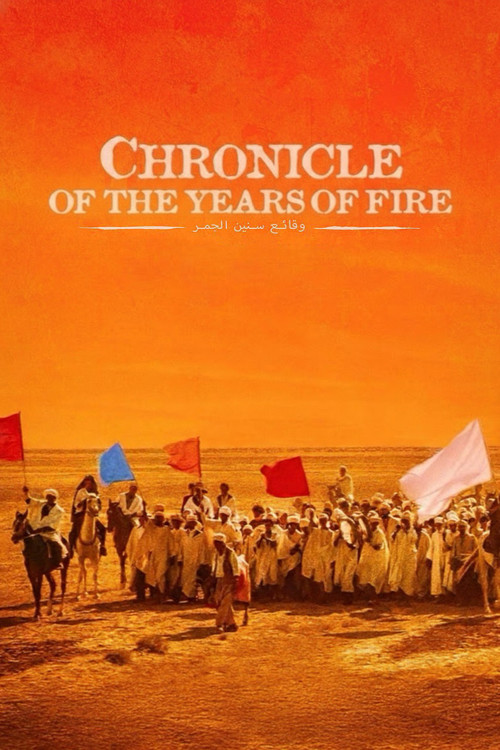
A meticulous chronicle of the evolution of the Algerian national movement from 1939 until the outbreak of the revolution on November 1, 1954, the film unequivocally demonstrates that the "Algerian War" is not an accident of history, but a slow process of suffering and warlike revolts, uninterrupted, from the start of colonization in 1830, until this "Red All Saints' Day" of November 1, 1954. At its center, Ahmed gradually awakens to political awareness against colonization, under the gaze of his son, a symbol of the new Algeria, and that of Miloud, half-mad haranguer, half-prophet, incarnation of Popular memory of the revolt, the liberation of Algeria and its people.
Chronicle of the Years of Fire
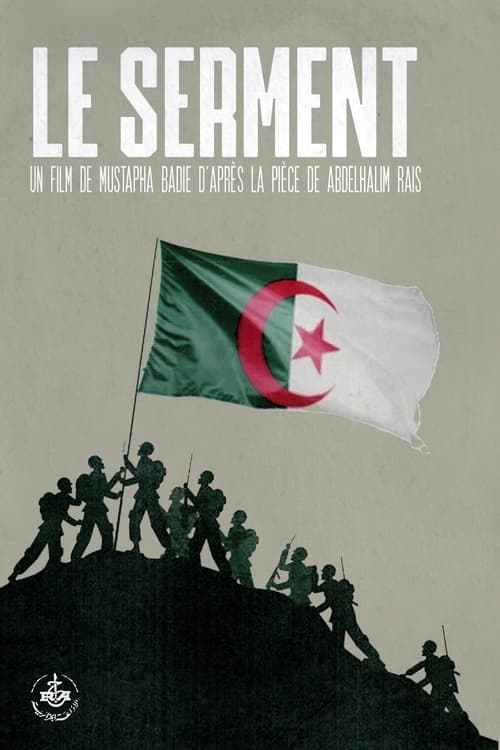
The Oath, a TV film produced by Algerian television in 1963 following the end of the war of independence, tells the story of young Algerians who joined the resistance after the bloody repressions of May 1945 in Constantinois by the French colonial army .
Le Serment
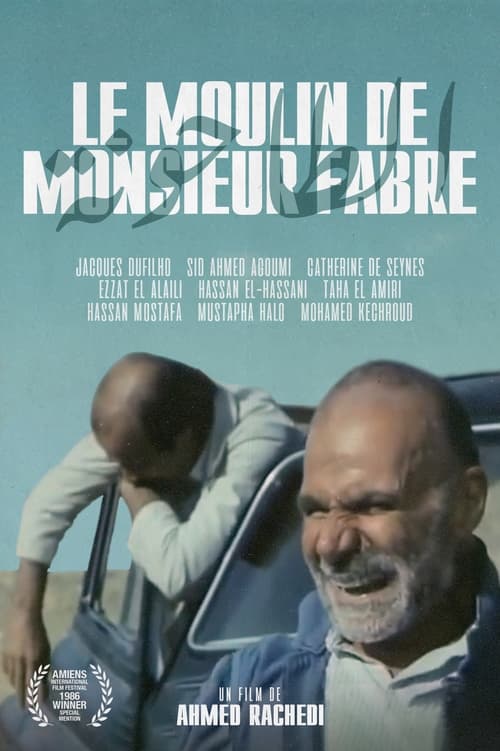
The story of the post-independence nationalization of the mill of Monsieur Fabre, an old man attached to the land of Algeria where he was born. In this small town in eastern Algeria, there was nothing else to nationalize and they were actively preparing for the arrival of high dignitaries who would elevate the mill to the rank of an industrial flour mill even though it was threatened with ruin. The comedy gets worse when the football player from the local team withdraws for love, the officials' visit is canceled and Mr. Fabre returns.
The Mill of M. Fabre
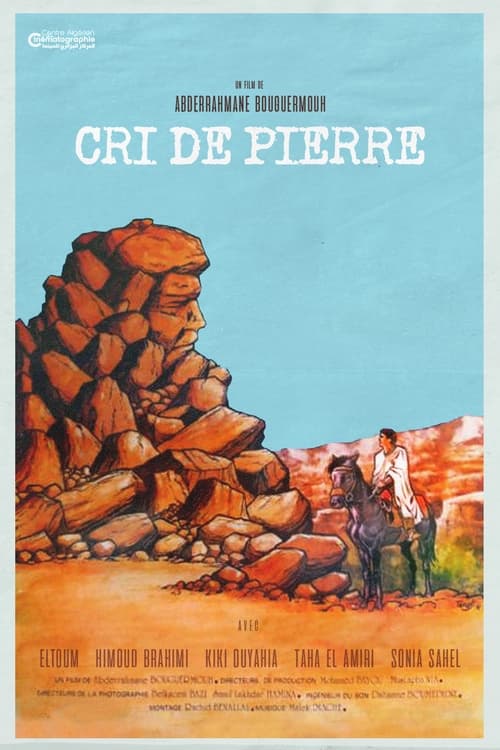
Led by Daoudi, a disenchanted architect, a group of Constantines return to their village in deep Algeria where a young man delivers to them words of boyish wisdom inherited from his deceased grandfather..
Cry of Stone
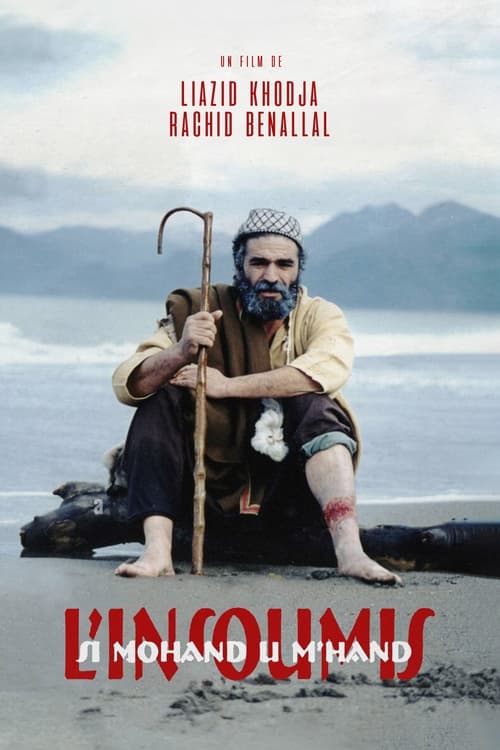
Portrait of Si Mohand U M'hand, an Algerian Amazigh poet from the end of the last century, whose tragic destiny was marked by wandering and revolt. Refusing all compromise, he lived in insubordination to the new order imposed by the French colonial presence in Algeria.
Si Mohand u M'hand, l'insoumis
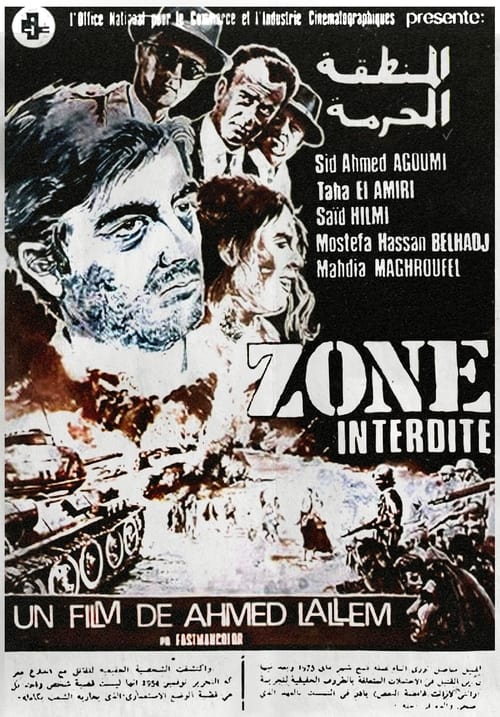
A revolutionary militant is killed during the repression of May 1945. His son, who is unaware of the real circumstances of the murder, ends up being attached to the ideal for which his father died.
Forbidden Zone
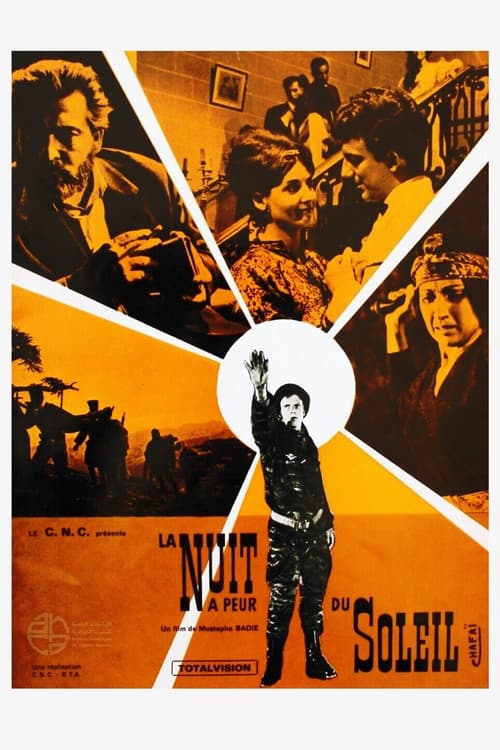
Historical film in four scenes which retrace the returns, the progress and the outcome of the war of liberation in Algeria. The first painting, “The land was thirsty” describes aspects of injustice and colonial oppression. The second “The Paths to the Prison” recounts the sufferings of the people engaged in combat. The last two are the stories of two lives.