Masaru Kodaka
Acting
Known For
No description available.
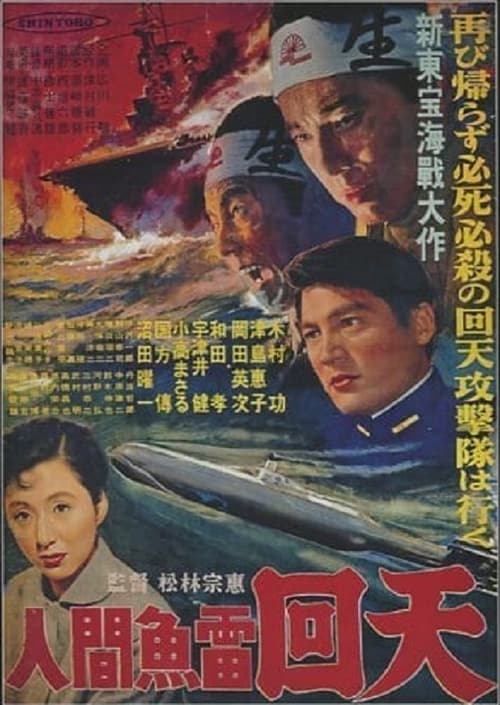
The Sacrifice of the Human Torpedoes
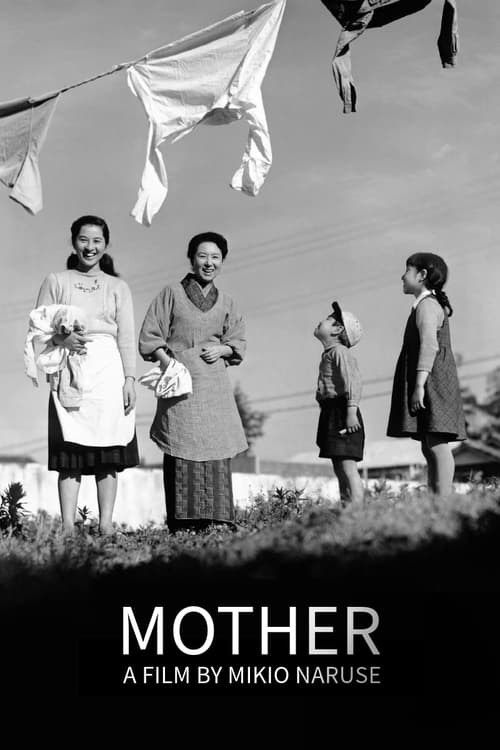
A teenaged girl witnesses her widowed mother's attempt to sustain her family.
Mother
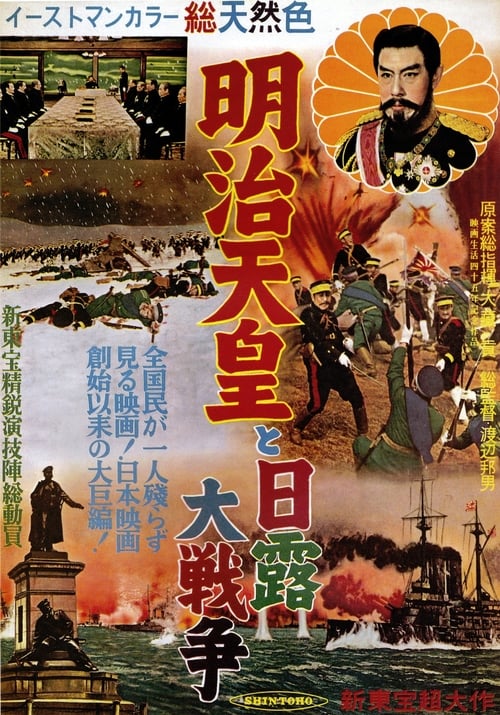
Meiji Tenno portrays the buildup to the Russo-Japan War. In addition to showing the political events that led to war, it also shows the era from the story of a farm family in rural Japan that sends their son off to war. As such, it could be considered an anti-war movie, showing how, while war is devised by governments, the people do not really understand what war is, and its combatants often do not know what they are fighting for.
Emperor Meiji and the Great Russo-Japanese War

A spectacular comedy with a star-studded cast that depicts unusual trials and unexpected verdicts regarding the five deadly sins: the crime of beauty, the crime of a terrifying wife, the crime of taking the wrong course, the crime of seducing, and the crime of killing with laughter.
Nonki saiban
No description available.
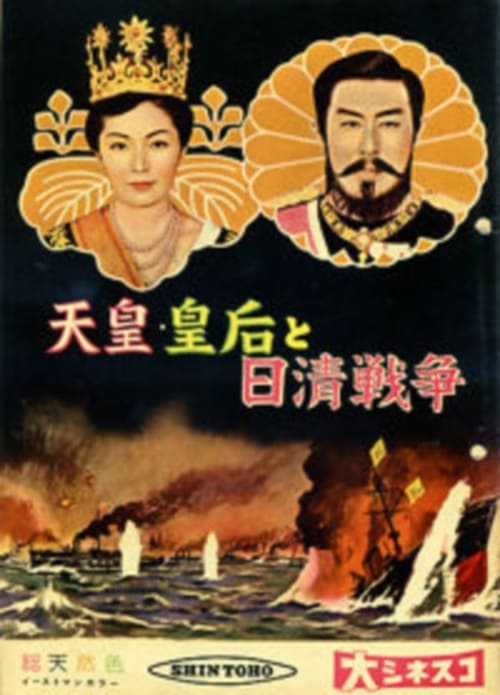
Emperor & Empress Meiji and the Sino-Japanese War
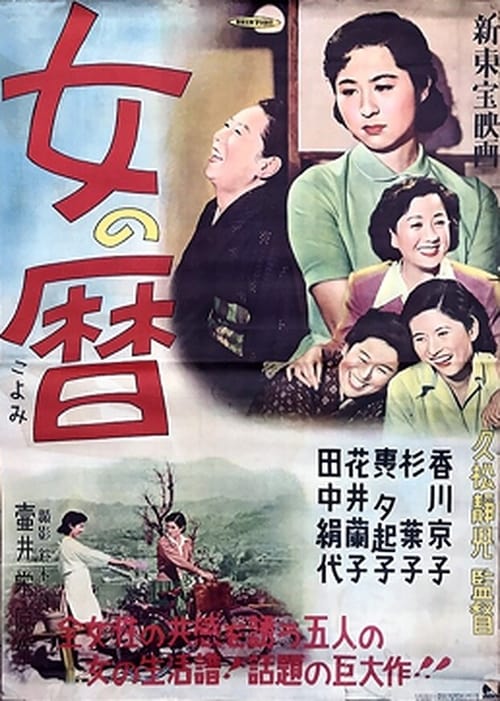
The story of five sisters.
Five Sisters
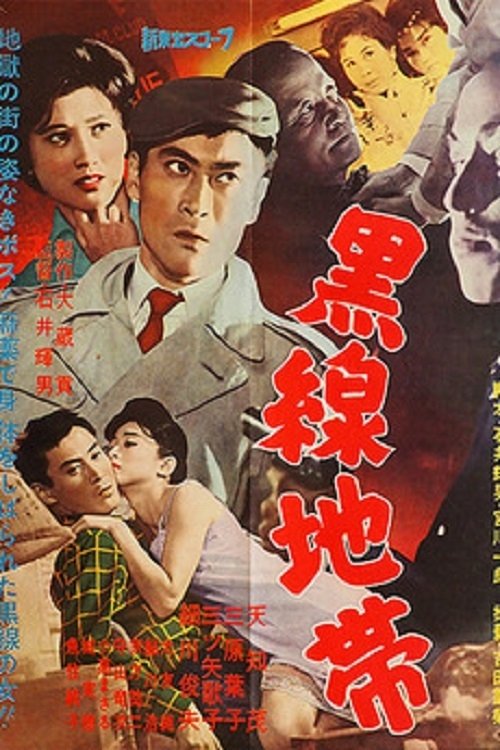
Freelance reporter “Scoop” Machida is hot on the trail of a prostitution ring called the Black Line, when he is framed for the murder of a young woman. Forced to clear his own name, the handsome journalist sinks deeper into the Black Line’s rotten swamp of drugs, prostitution, and murder and finds unexpected help in Maya, a steamy female gambler familiar with the neon-lit streets, shadowy alleyways, and seedy nightclubs he must navigate. The closest film in the Line series to classic American film noir, Ishii’s Black Line is a pulpy assortment of crime film conventions including the starkly expressionistic black and white cinematography by Jûgyô Yoshida, a jazzy music score by Michiaki Watanabe, and a sleazy screenplay by Ishii and Ichirô Miyagawa.
Black Line
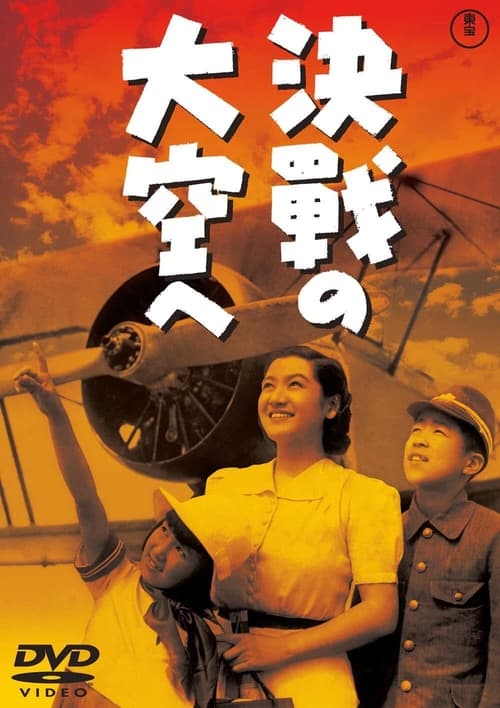
Young men endure challenging flight training in the Yokaren, a program feeding new pilots into the Army and Navy. By the time of the filming, the pressure of the war had led the government to shorten the training and expand the age range of the recruits. Yokaren was highly selective, and thus an object of great fascination and desire for boys and young men. In this Navy–sponsored film, Setsuko Hara plays the daughter of a family that often entertains recruits on their days off—a surrogate sister to many trainees. Her fragile younger brother aspires to join the program, but is rejected. With perseverance and much support from Hara and their mother, he surmounts his weaknesses and becomes a flier.
Toward the Decisive Battle in the Sky
On a Sunday morning, young dentist Toshio Ezaki wakes up with a hangover, on a bench in his office. He finds a poisoned woman in a green-striped Western-style outfit lying in his exam room. He must retrace his blurry steps of the night before, and navigate a web of embezzlement, murder, framings, and false identities in Tokyo's Ginza district, to discover the identity of the dead woman and why she is there—and hopefully prove his innocence, before his wedding in three days...
Golden Beast
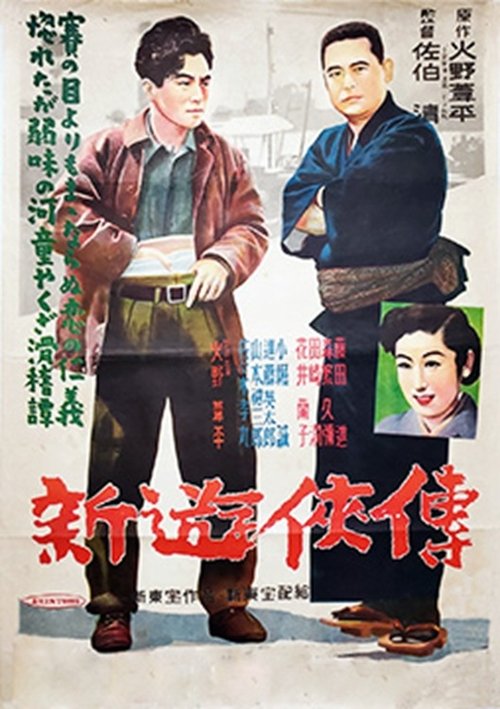
No description available.
新遊侠伝
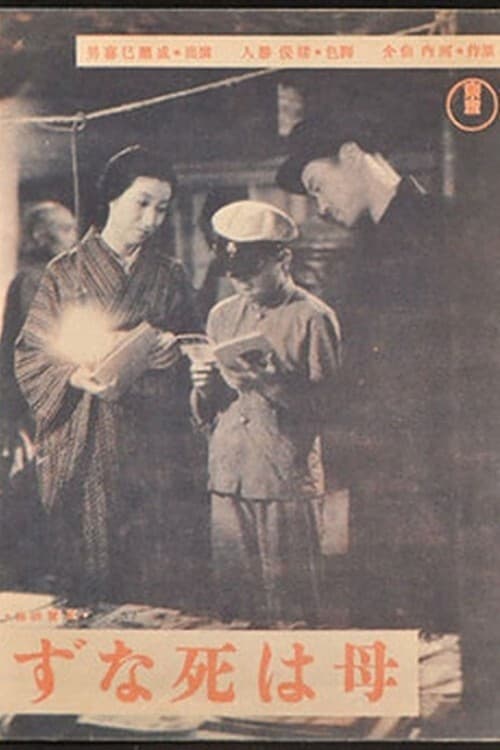
The premature death of a young mother serves as inspiration for her husband and son.
Mother Never Dies
No description available.
Kodakara fūfu
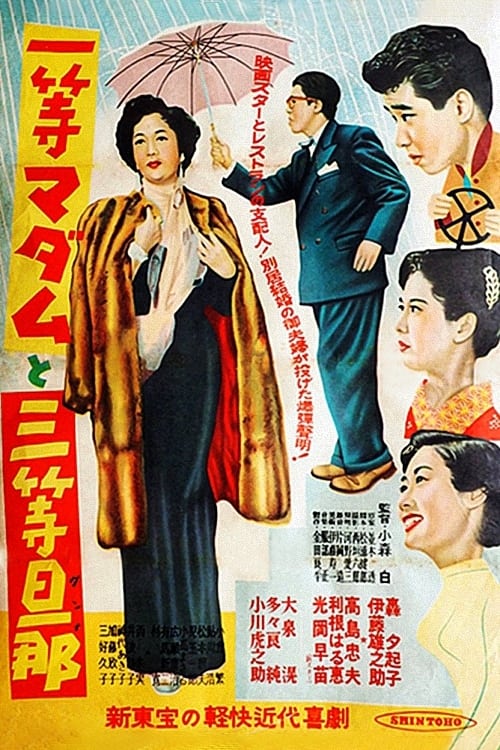
Domestic comedy produced by Shin Toho Studios directed by Komori Kiyoshi and starring Todoroki Yukiko and Ito Yunosuke.
Madam of the first class and husband of the third class
Japanese sports comedy film about kendo.
The Fencing Collegian
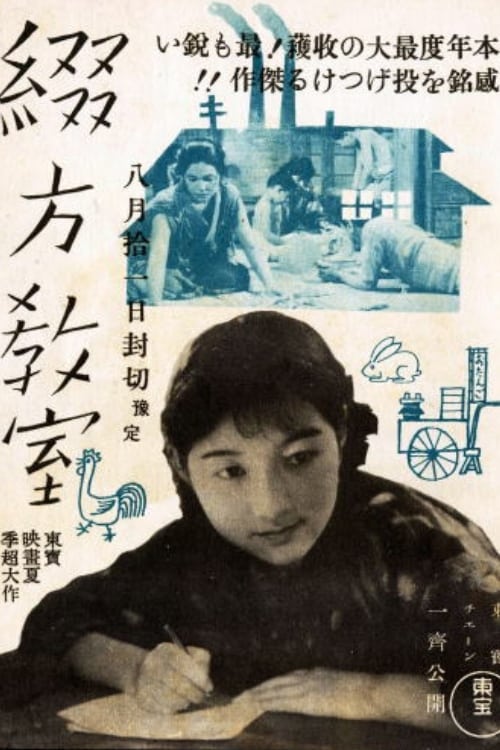
Masako, the daughter of an impoverished itinerant tinsmith, wins a grammar school composition contest with an essay about her neighborhood. The much publicized essay ends up causing the family problems and their chronic money troubles threaten Masako's further education.
Composition Class
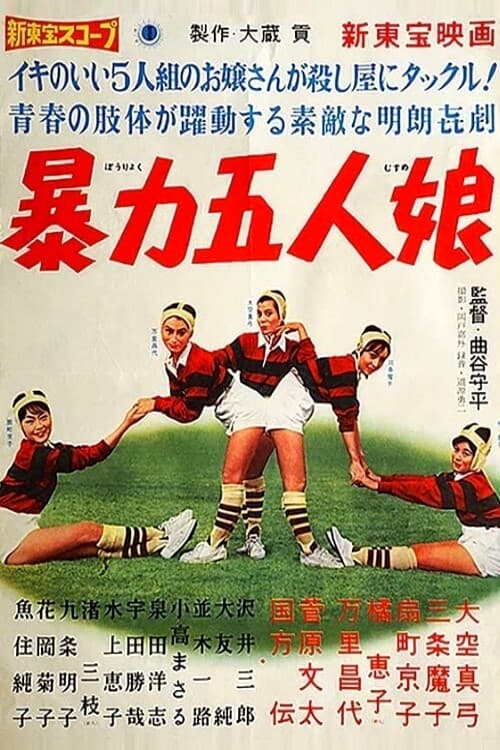
Japanese comedy film.
Five Violent Girls
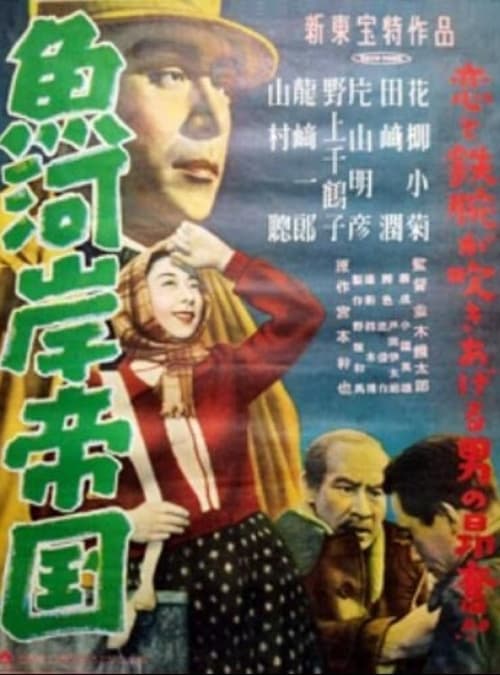
Obscure Japanese movie by director Kyotaro Namiki
Riverside Fish Market Empire

Japanese war film.
Submarine Ro Hasn't Surfaced
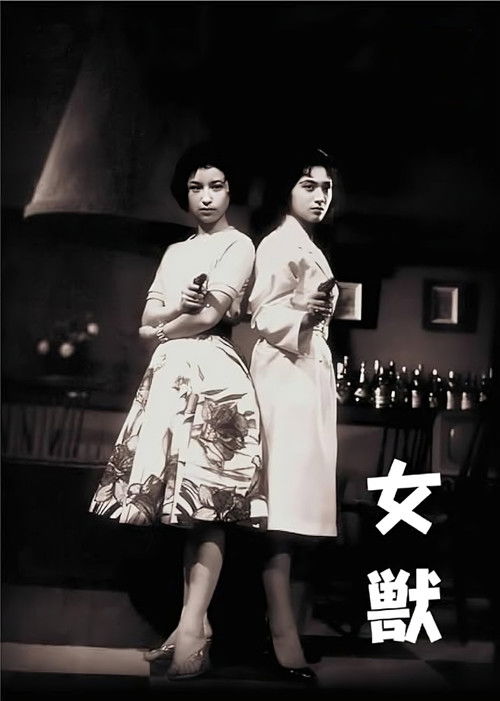
With the object of discovering the male accomplice of Hideko, a bad girl, Michiko, a police-woman, disguises herself and infiltrates a gang. Then in a reformatory, under the name of Suzuko, she finds a certain girl who is familiar with Hideko and from her she approaches a woman, named Keiko. One day, at a beer-hall, the police-woman meets Keiko who just finished a secret narcotics transaction and asks her about Hideko. However, with the sudden appearance of Saburo, one of the gang, her search fails, and an exciting pursuit begins. Later Keiko is found dead.
Female Detective
No description available.