Acting
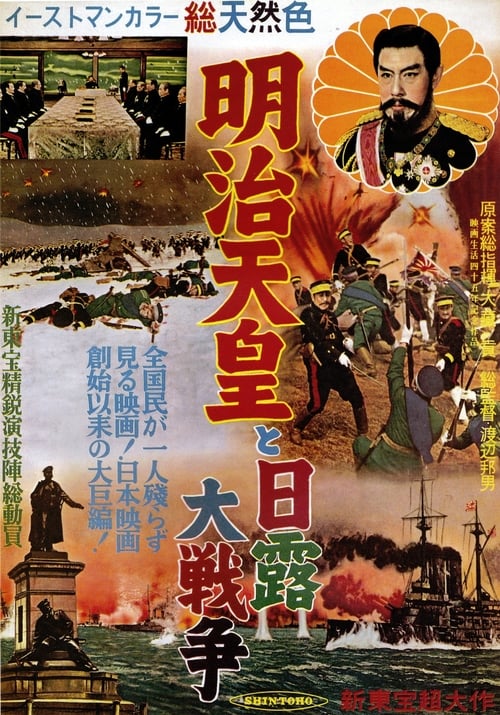
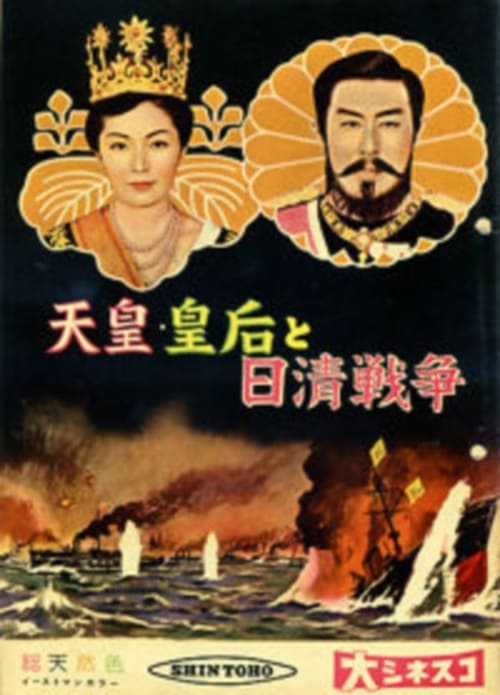
Meiji Tenno portrays the buildup to the Russo-Japan War. In addition to showing the political events that led to war, it also shows the era from the story of a farm family in rural Japan that sends their son off to war. As such, it could be considered an anti-war movie, showing how, while war is devised by governments, the people do not really understand what war is, and its combatants often do not know what they are fighting for.
A spectacular comedy with a star-studded cast that depicts unusual trials and unexpected verdicts regarding the five deadly sins: the crime of beauty, the crime of a terrifying wife, the crime of taking the wrong course, the crime of seducing, and the crime of killing with laughter.
Japanese sports comedy film about kendo.
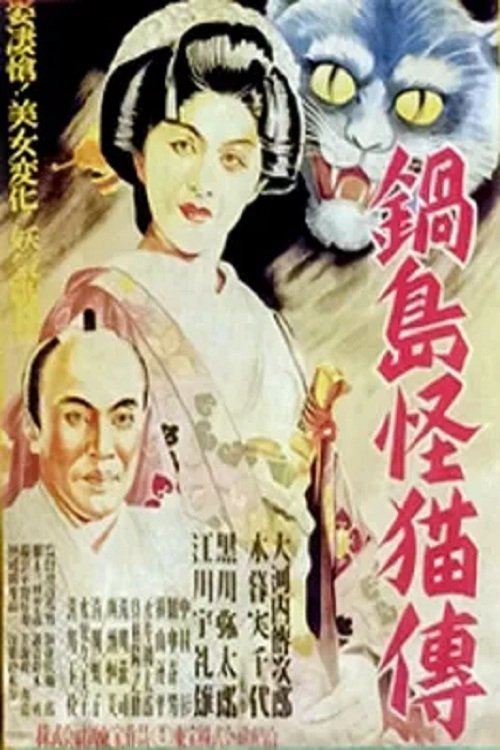
Tanuma Kandayuu is a high class samurai of the house of Nabeshima. He finds a lavish board of Go (a Chinese Board game) at Kinbei's store. He recommend Kinbei to offer it to his lord. Kinbei hesitates at first, since he knows the board has a mysterious legend surrounding it; it's believed that for every game played on the board, one death is required.
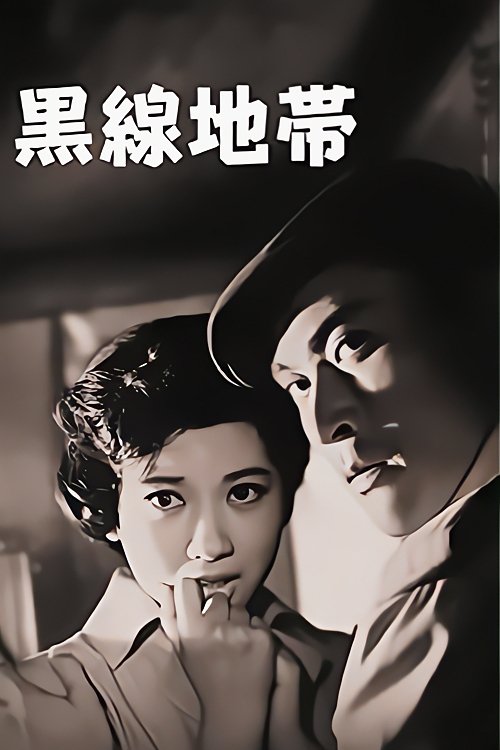
Freelance reporter “Scoop” Machida is hot on the trail of a prostitution ring called the Black Line, when he is framed for the murder of a young woman. Forced to clear his own name, the handsome journalist sinks deeper into the Black Line’s rotten swamp of drugs, prostitution, and murder and finds unexpected help in Maya, a steamy female gambler familiar with the neon-lit streets, shadowy alleyways, and seedy nightclubs he must navigate. The closest film in the Line series to classic American film noir, Ishii’s Black Line is a pulpy assortment of crime film conventions including the starkly expressionistic black and white cinematography by Jûgyô Yoshida, a jazzy music score by Michiaki Watanabe, and a sleazy screenplay by Ishii and Ichirô Miyagawa.
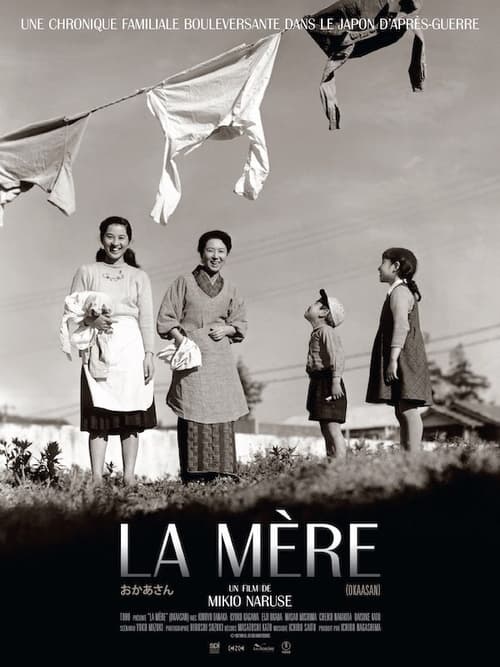
A teenaged girl witnesses her widowed mother's attempt to sustain her family.
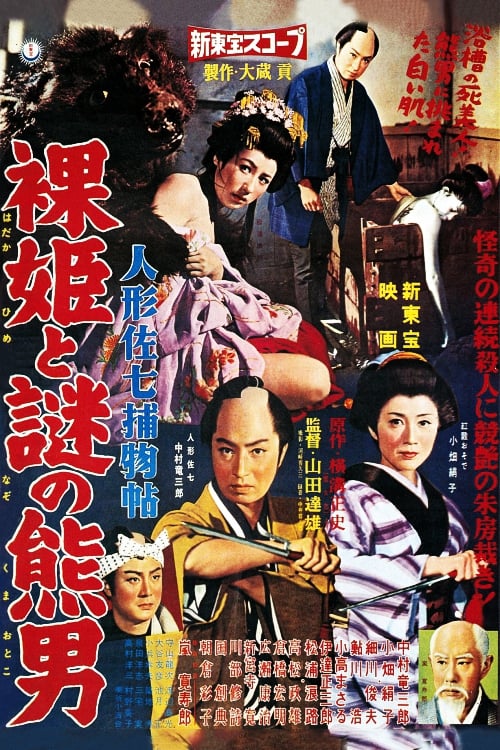
This time around, Sashichi is investigating a case of serial murders believed to be perpetrated by a giant bear.
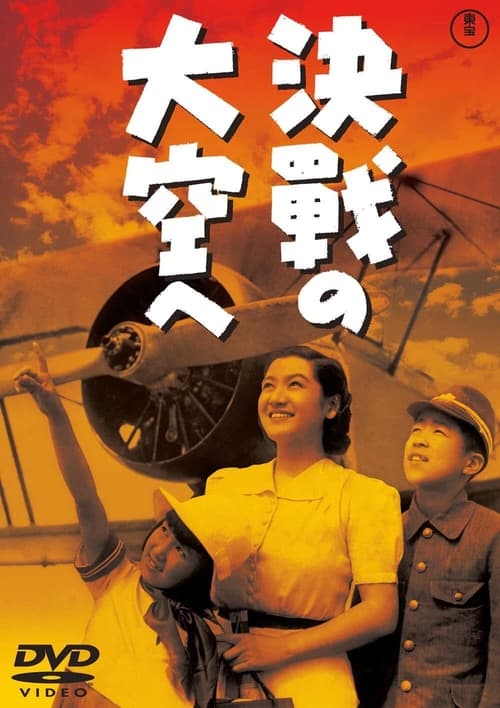
Young men endure challenging flight training in the Yokaren, a program feeding new pilots into the Army and Navy. By the time of the filming, the pressure of the war had led the government to shorten the training and expand the age range of the recruits. Yokaren was highly selective, and thus an object of great fascination and desire for boys and young men. In this Navy–sponsored film, Setsuko Hara plays the daughter of a family that often entertains recruits on their days off—a surrogate sister to many trainees. Her fragile younger brother aspires to join the program, but is rejected. With perseverance and much support from Hara and their mother, he surmounts his weaknesses and becomes a flier.
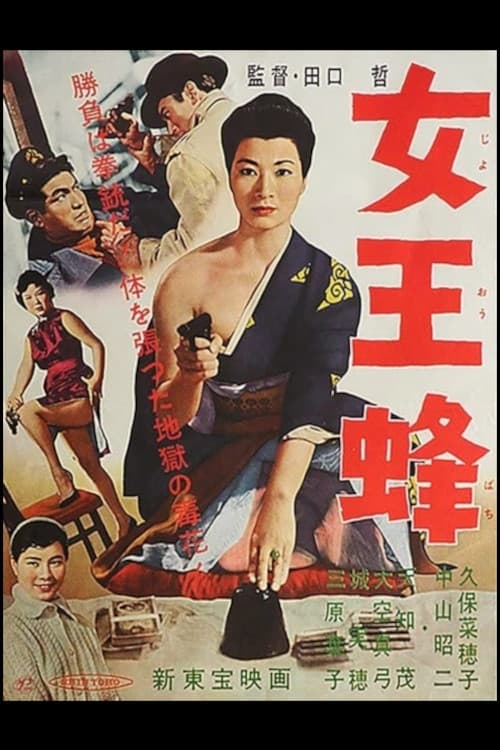
Earlier version or Prequel to Queen Bee and the School for Dragons.
A samurai rescues a mischievous tanuki from hunters and sets it free. When the samurai's wastrel son hatches a plot to kill his father for his fortune, the magical tanuki is determined to protect its rescuer.
No description available.
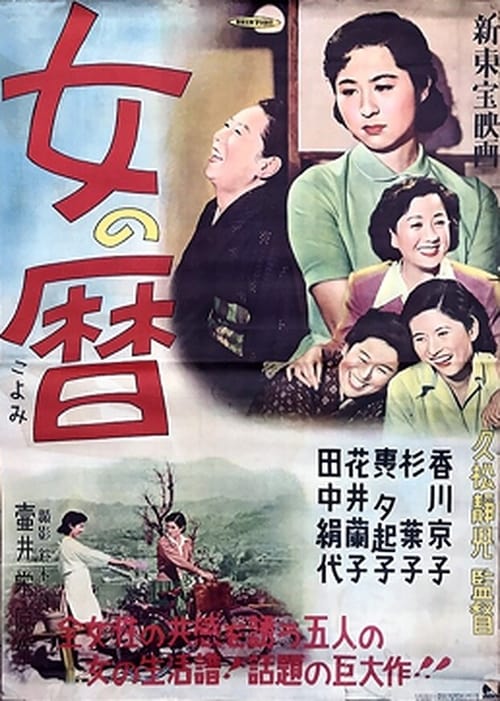
The story of five sisters.
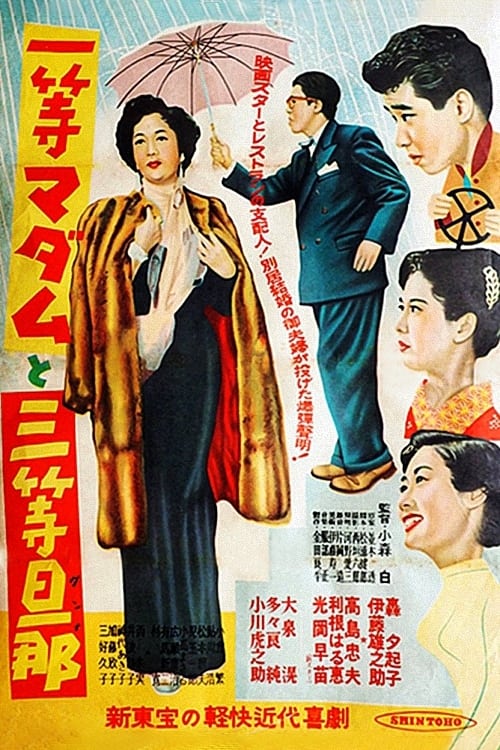
Domestic comedy produced by Shin Toho Studios directed by Komori Kiyoshi and starring Todoroki Yukiko and Ito Yunosuke.
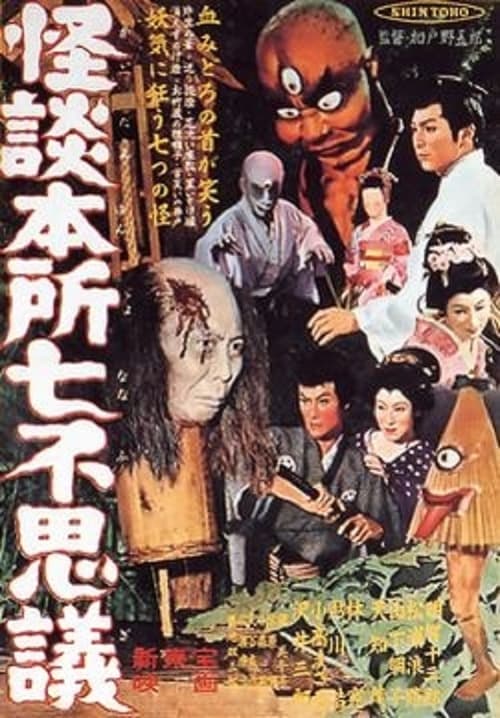
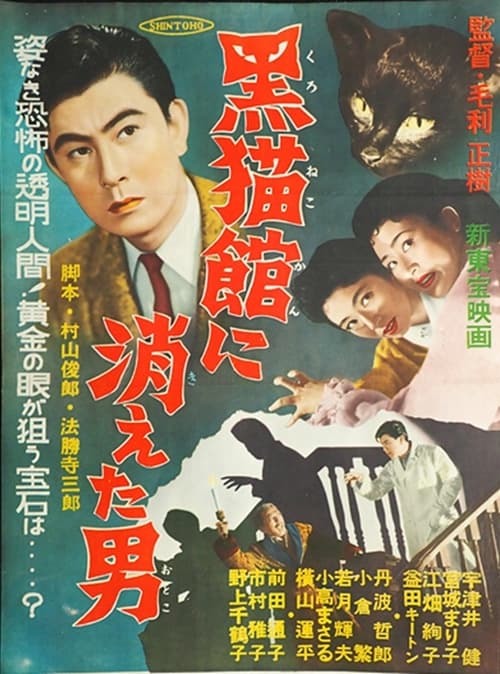
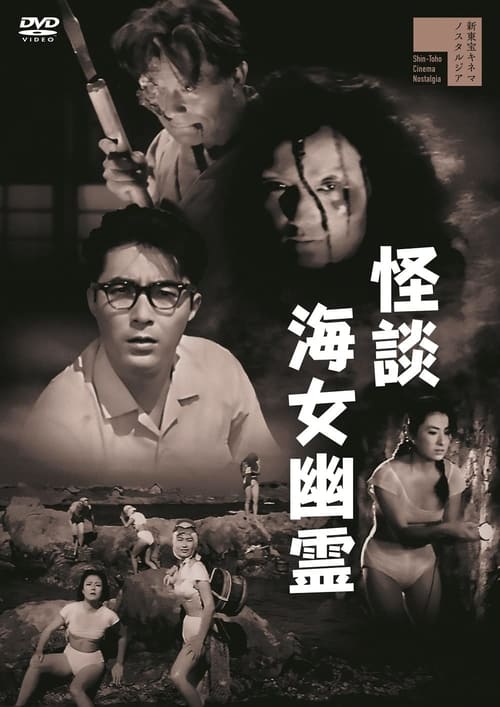
Comedy-horror film by Masaki Môri.
Casebook of Dandy Sashichi
On a Sunday morning, young dentist Toshio Ezaki wakes up with a hangover, on a bench in his office. He finds a poisoned woman in a green-striped Western-style outfit lying in his exam room. He must retrace his blurry steps of the night before, and navigate a web of embezzlement, murder, framings, and false identities in Tokyo's Ginza district, to discover the identity of the dead woman and why she is there—and hopefully prove his innocence, before his wedding in three days...
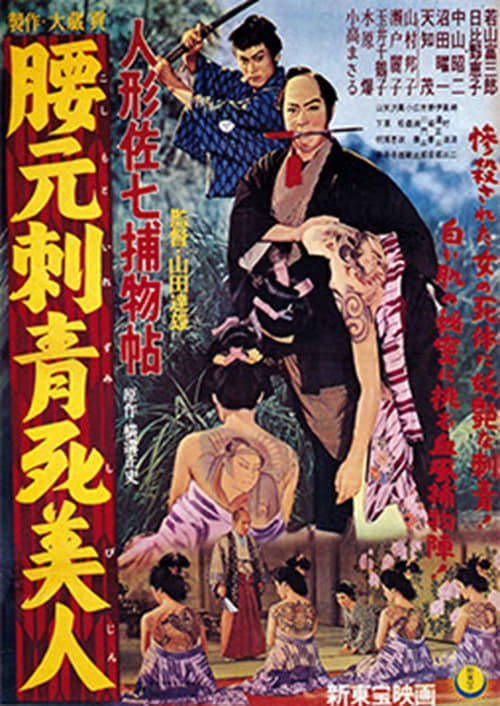
The fifth volume of the Ningyo Sana Torimonocho series. Based on the original work by Seishi Yokomizo, the film was adapted by Mitsuo Kaneda (The Nude Model Murder Case), directed by Tatsuo Yamada, who worked on The Golden Bugyo, and shot by Kikuzo Kawasaki. Keiko Hibino, Shigeru Amachi, Tomisaburo Wakayama
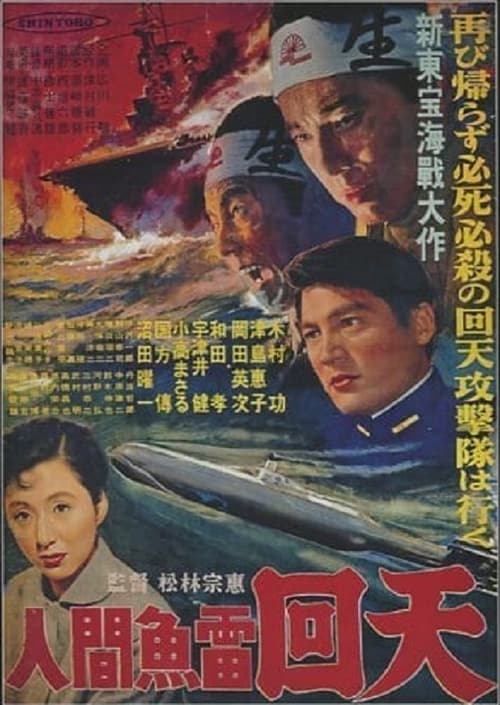
Japanese war film.