Writing
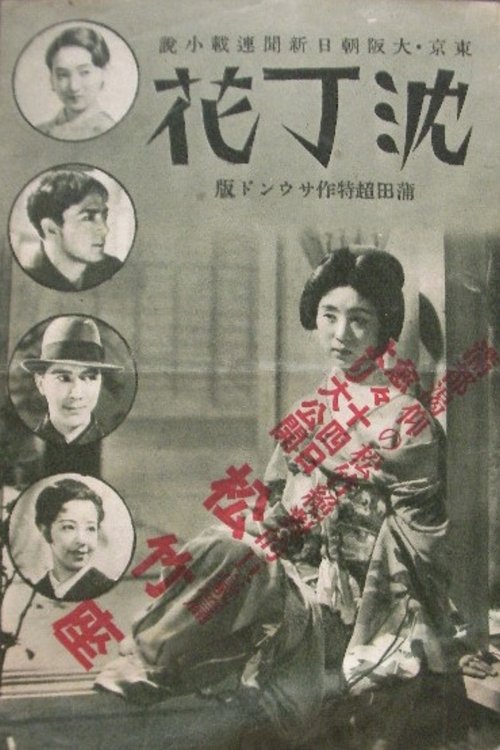
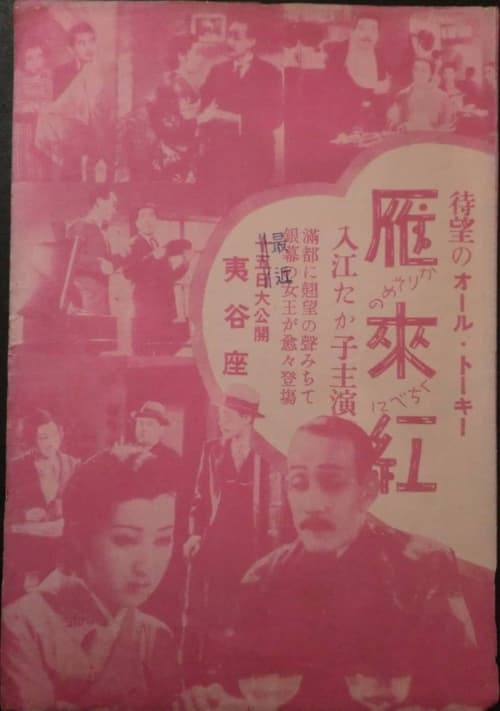
Japanese film from 1933, adapted from Masao Kume's serialized newspaper novel.
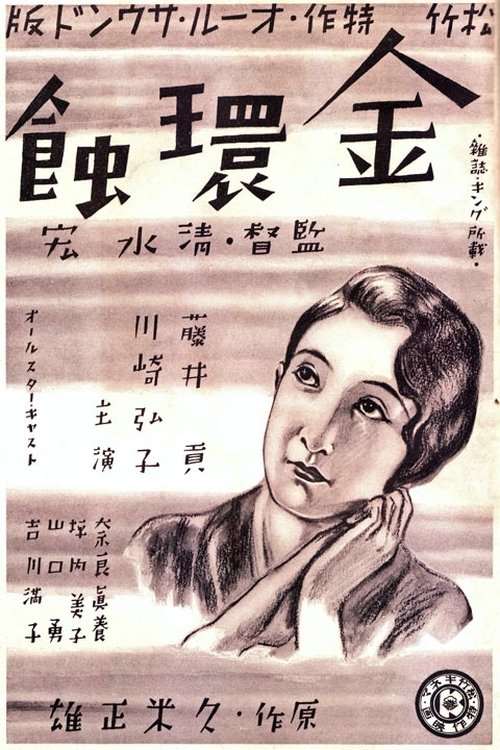
Japanese film from 1933, adapted from a story serialized in the entertainment magazine "Fuji."
The story is centered around the devastating experiences of two villagers, Osaki Shuichi, and his cousin, Nishimiura Kinue, when they leave their hometown for the metropolis of Tokyo. They are in love with each other, but Kinue is expected to marry the lawyer Kanda Seiji. In consequence, Shukichi leaves for Tokyo, where he becomes tutor to the son of the rich Iwaki family. The heartbroken Kinue also makes her way to the capital, where she becomes a bar hostess.
No description available.
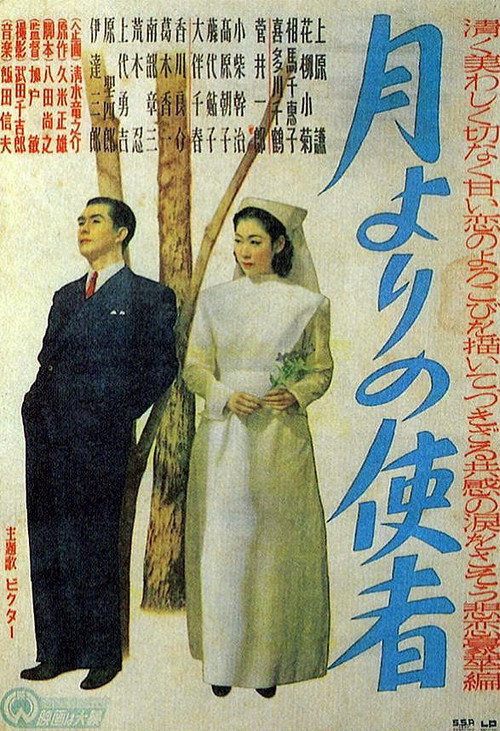
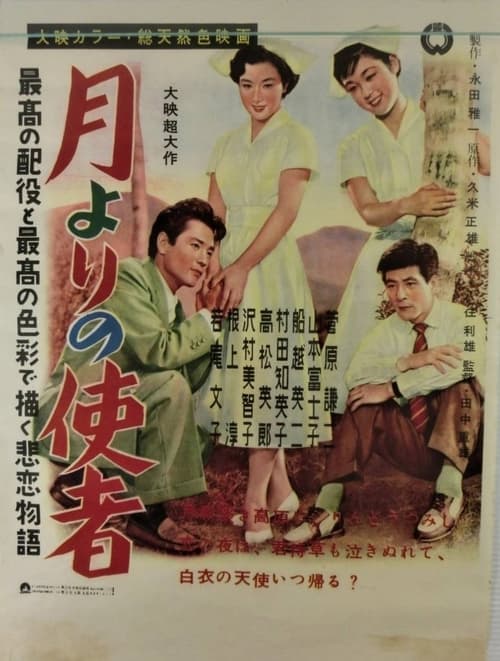
It was a sanatorium in the highlands. Patients such as Totsuka, Hirota, and Hashida were battling their illnesses under the devoted care of Michiko, a nurse so beautiful and noble that she was nicknamed “The Messenger from the Moon.” When Totsuka learned that Hirota, who was about to be discharged, secretly loved Michiko, he devised a plan and arranged for them to spend some time alone in a birch grove. Hirota and Michiko made a firm vow for their future, but around that time, an unexpected visitor arrived at Hirota’s hospital room.
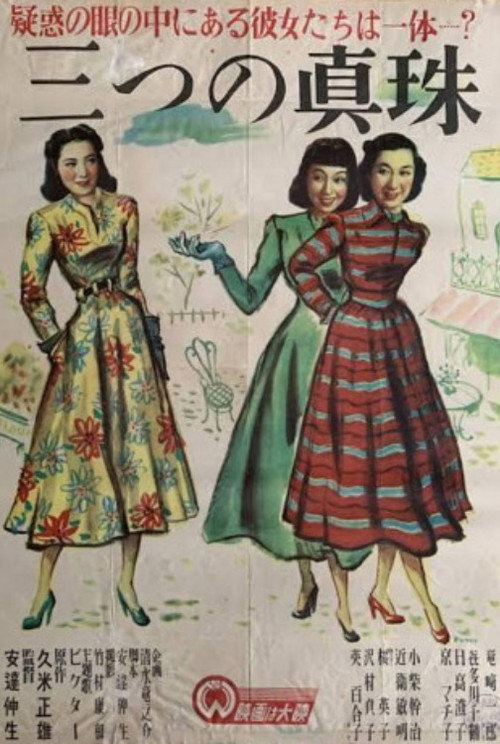
Expressing the distinct personalities of the three daughters.
Song of the White Orchid was a co-production of Toho and Mantetsu, the railway that served the colonial region of Manchuria, and the first film in the Kazuo Hasegawa/Shirley Yamaguchi (Ri Koran) “Continental Trilogy.” Handsome Hasegawa (representing Japan) runs up against an impertinent Yamaguchi (representing the continent); not surprisingly, in the course of the film the woman comes around and realizes the benevolent intentions of the Japanese. In Song of the White Orchid Yamaguchi leaves Hasegawa, who plays an expatriate working for the railway, because of a misunderstanding. She joins a communist guerilla group plotting to blow up the Manchurian railway. Learning of the subterfuge that led to the misunderstanding, she renews her faith in Hasegawa—and by extension Japan—and tries to undermine the plot.
It is considered to be a lost film.
Adaptation of the novel by Masao Kume.
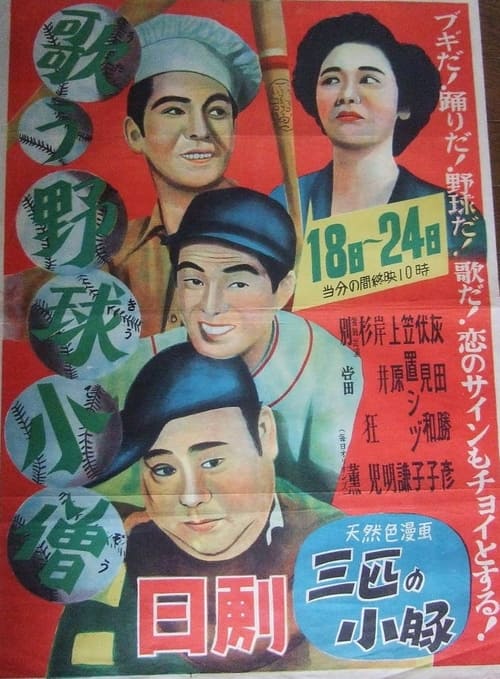
A musical comedy about a spirited orphan who forms a youth baseball team and gets caught up in a mix of sports, singing, and crime when he tries to return a star player’s lost money.
A Japanese version of the musical comedy "Yes, Mr. Brown"